
That sticky-sweet, faintly tangy fruit note apricot brings to a muffin or Danish is harder to fake than it sounds. The right apricot substitute has to balance sweetness and brightness together, not just replace raw fruit mass in the batter.
Most swaps work better than you'd expect, as long as you match the role apricot is playing: jam-like swirl, juicy fruit pieces, or a glossy topping. Get that part right first, and the flavor follows.
For most baked goods, apricot jam or low-sugar apricot preserves is the fastest drop-in swap-same sweet-tart profile, same spreadable texture, same moisture output. Use 1:1 but reduce by 10-15% if your recipe is already sweet. Avoid using jam in recipes that need whole fruit texture.
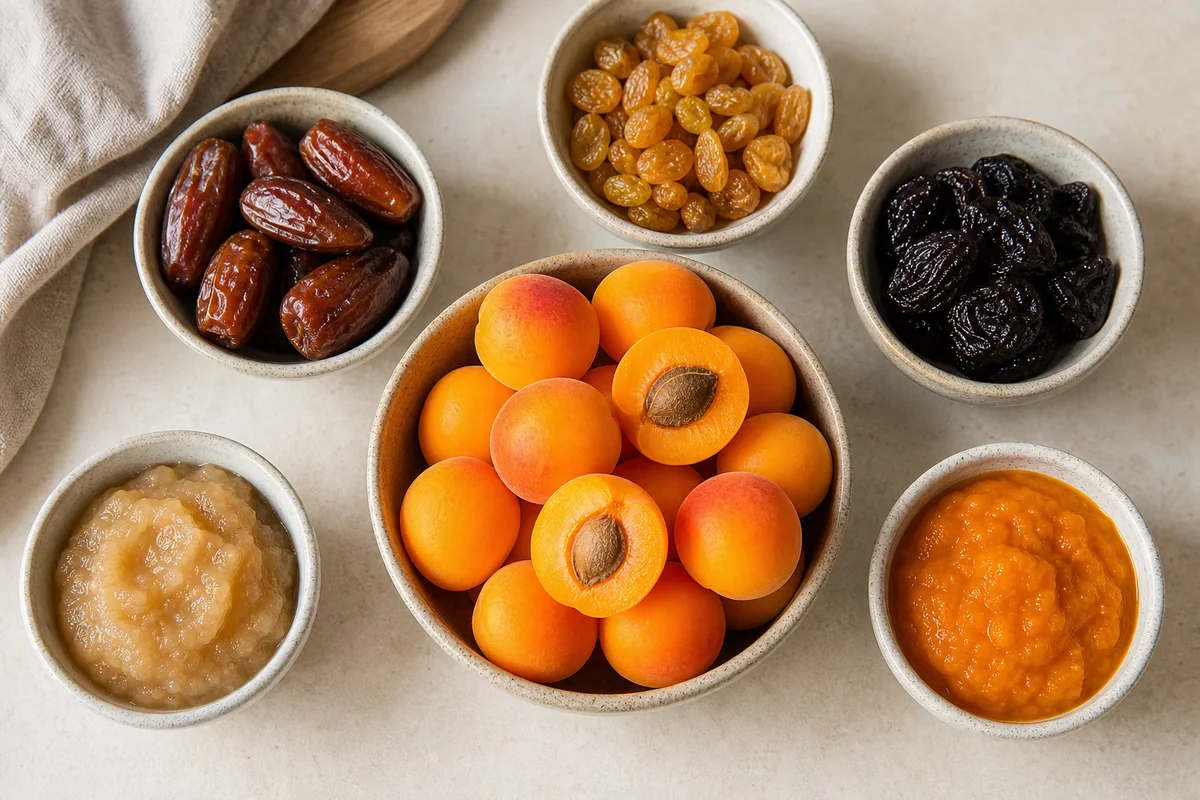
5 Best Apricot Substitutes (Ranked): Which One Works in Baking?
Every swap below is ranked by how closely it mirrors apricot's sweet-tart behavior inside a baked recipe. The table gives you a fast scan; the sections below give you the adjustments that actually matter.
| # | Substitute | Best For | Ratio | Key Note |
|---|---|---|---|---|
| 1 | Apricot Jam | Swirl / Filling | 1:1 | Closest flavor, reduce if sweet |
| 2 | Peach Preserves | Filling / Topping | 1:1 | Add lemon zest for tang |
| 3 | Dried Cherries | Batter Pieces | ¾:1 | Chop small, soak briefly |
| 4 | Nectarine Preserves | Swirl / Filling | 1:1 | Mild; add acid if flat |
| 5 | Cranberry Sauce | Glaze / Muffin | ¾:1 | Sharp-temper with sugar |
1. Apricot Jam
Apricot jam is the obvious first call because it already contains everything the fruit provides: fruit solids, sweetness, acidity, and moisture. You don't have to reconstruct the flavor from scratch.
Understanding the full flavor profile of apricot jam helps you spot when a substitute is landing too flat or too sharp before the bake is done.
- Flavor behavior: Sweet-tart balance stays intact; low-sugar versions read closer to fresh apricot.
- Texture behavior: Stir or warm the jar 15-20 seconds before adding-cold jam can streak rather than blend.
- Starting ratio: Use 1:1 for swirls and fillings; pull back by 10-20% if the recipe's base is already sweet.
Skip this if your recipe needs visible fruit chunks-chopped rehydrated dried apricots will give you better texture there.
2. Peach Preserves
Peach and apricot share the same stone-fruit lane, so peach preserves slide into most baked recipes without much protest. The main difference is that peach is slightly rounder and less tangy than apricot, which means the final bake can taste a touch softer.
- Best uses: Muffin swirls, bar fillings, danish centers, and glazes where apricot would normally go.
- Flavor fix: Add a small pinch of lemon zest (about ¼ teaspoon per cup of preserves) to restore the tartness apricot normally brings.
- Ratio: 1:1 straight swap; no other adjustments needed unless the recipe is especially tart already.
Skip this if you need a punchy tart note-peach preserves won't deliver the brightness that apricot does in a lemon-forward cake or yogurt muffin.
3. Dried Cherries
Dried cherries bring a bright tartness and deep fruit flavor that lands surprisingly close to apricot's personality in baked goods. They won't melt into a swirl, but for scones, quick breads, and coffee cakes, they are one of the better pantry swaps available.
You can read more about swapping dried and preserved fruits in our guide to best cranberry sauce alternatives, which covers similar moisture and tartness adjustments.
Tart Punch (Dried Cherries)
Works for: scones, crumb cakes, and batter where apricot pieces provide texture and fruit bite
Skip if: you need a mild, jammy sweetness-cherries read darker and more intense than apricot
- Chop size: Cut to roughly ¼-inch pieces so they distribute evenly and don't sink in thin batters.
- Hydration tip: Soak in warm water or fruit juice for 10 minutes, then drain and pat dry before folding in.
- Starting ratio: Use ¾:1 by volume to avoid over-powering the fruit note; taste the batter and adjust up if it feels too mild.
4. Nectarine Preserves
Nectarine preserves are quieter than apricot but handle baking heat the same way. They melt into fillings cleanly, don't add extra water, and keep the stone-fruit character without shouting it.
For homemade raspberry jam bars-style recipes that call for a fruit layer, nectarine preserves swap in cleanly wherever apricot filling would go.
- Sweetness note: Slightly milder and less tangy-add a tiny pinch of citric acid or lemon zest if the flavor reads flat.
- Best uses: Jam swirls in loaf cakes, thumbprint cookie centers, and tart fillings.
- Ratio: 1:1 straight replacement with no other changes needed in most recipes.
Skip this if tartness is the star of your recipe-nectarine preserves won't carry that acidity the way dried cherries or cranberry sauce will.
5. Cranberry Sauce
Cranberry sauce is sharper than apricot by nature, and that gap matters in a delicate muffin or cake batter. Use it as a swap when you want bright fruit flavor but don't mind a slightly bolder tartness in the finished crumb.
Watch out: Unsweetened cranberry sauce can tip a recipe from pleasantly tart to outright sharp-start at ¾:1 and taste before adding more. Stored cranberry sauce keeps longer than most people expect, making it a reliable backup when you're out of stone-fruit preserves.
- Sweetness fix: Stir in 1-2 teaspoon of sugar per ¼ cup of cranberry sauce before folding into batter.
- Flavor pairing: A small amount of vanilla extract or a pinch of cinnamon softens the sharp edge without masking the fruit note.
- Starting ratio: ¾:1; increase only after tasting the raw batter or filling.
Skip this if your recipe already leans tart from lemon juice, yogurt, or sour cream-stacking two sharp elements will make the bake taste unbalanced.
Making Apricot Substitutes Work in Any Recipe
The two levers that matter most are moisture and acidity. Get those right and nearly any fruit preserve or dried fruit will behave well in place of apricot, regardless of flavor nuance.
- Moisture management: Preserves and jam can loosen a batter unexpectedly-warm the jar first so the jam disperses without pooling, and reduce added liquid in the recipe by 1-2 tablespoon if the batter looks thin.
- Sweetness and tartness: Taste before baking. If the swap reads too sweet, add a few drops of lemon juice; if it reads too sharp, stir in a small pinch of sugar and let it dissolve fully before judging.
- Substitute by role: For swirls and glazes, use jam or preserves at 1:1. For fruit-piece texture in scones or muffins, use chopped and drained dried cherries or rehydrated dried apricots at ¾:1.
Frequently Asked Questions
Yes, at a 1:1 ratio for swirls and fillings. Reduce added liquid by 1-2 tablespoon if the batter starts to look thin after adding the jam.
Use a straight 1:1 swap. Add a small pinch of lemon zest to compensate for the slightly lower tartness peach preserves carry compared to apricot.
Chop them to ¼-inch pieces and pat dry after soaking. Tossing them in a teaspoon of flour before folding into batter also helps suspension.
It works at ¾:1 for muffins and glazes. Stir in 1-2 teaspoon of sugar per quarter cup and add a small pinch of cinnamon to round the sharp edge.
Yes-soak in warm water or juice for 10 minutes, then drain and pat dry. Skipping this step leads to dry, leathery pieces that pull moisture from the crumb.
5 Best Apricot Substitutes (Ranked)
Ingredients
Equipment
Method
- Identify whether your recipe needs fruit pieces, a jam-like swirl, or a glaze (texture match matters as much as flavor).
- Start with the ratio for your chosen substitute, then adjust for sweetness: add a pinch of acid if too sweet, or a pinch of sugar if too sharp.
- If using dried fruit, chop and mix with a teaspoon of your recipe liquid (juice/water) to reduce dryness and prevent sinking.
- If using preserves/jam in a baked batter, stir to loosen first (warm jar 15-20 seconds) so it disperses evenly.
- Bake as directed and taste the warm bite: apricot substitutes should read fruity-tart, not candy-sweet.
Notes
- For preserves/jam: use less if your recipe already has added sugar.
- For dried fruit: chop small for even distribution and consistent moisture.
Tried this recipe?
Let us know how it was!
Carrie is a food writer and editor with more than 15 years of experience. She has worked for some of the biggest names in the food industry, including Bon Appétit, Food & Wine, and Martha Stewart Living.
As the Editor in Chief of EpicureDelight, Carrie oversees all of the content on the site. She also manages the team of contributing writers and editors, who help to create delicious recipes, helpful tips, and informative articles that you’ll find on the site.
A native of the Chicago area, Carrie is passionate about all things food. She loves trying new restaurants and experimenting with new recipes in her kitchen. She’s also a graduate of the Culinary Institute of America, so she knows a thing or two about food!



