
Beer does three things in chili that are hard to replace with a single swap: it adds mild acidity that brightens the base, malt sweetness that rounds out harsh tomato notes, and body that gives the finished pot a richer, thicker feel. Most beers shift chili's pH by 0.25 to 0.5 points, which is subtle yet noticeable once you taste a side-by-side batch.

Knowing what you're replacing makes choosing the right swap much easier.
The two flavor components worth chasing are malt sweetness and the gentle bitterness from hops. You can get surprisingly close using caramelized sugar, molasses, cocoa powder, or malt powder when it's on hand.
This guide is for cooks who want that same depth without alcohol, or who simply ran out of beer mid-recipe. Every substitute here is chosen to mimic acidity, malt sweetness, and body with clear ratios.
A 1:1 ratio works for most options, though malt-forward choices may need slightly less than 1:1 to avoid tipping the chili too sweet.
If you already tweak your heat blend, you may also find it useful to read about chili paste substitutes for balancing the spice side of the pot alongside any liquid swap.
Beer adds acidity, malt sweetness, and body to chili. The five best substitutes are nonalcoholic malt beverage, apple cider with molasses, stock with cocoa powder, water with blackstrap molasses and Worcestershire, and white grape juice with soy sauce. All work at a 1:1 ratio with minor seasoning tweaks.
Substitutes at a Glance
The table below gives you a quick read on all five substitutes so you can match your pantry to your chili style in seconds. A 1:1 ratio is standard across the board, though a few options need minor seasoning adjustments after you add them.
If your chili leans savory and dark, lead with the cocoa-stock or molasses-Worcestershire option. If your pantry is light, the grape juice or apple cider combo is a fast, reliable call.
Non-beer substitutions may shift the salt balance slightly, so always taste before adding extra seasoning.
Some of these options add noticeable browning color to the pot, which is a visual bonus when you want that deep, slow-cooked look without hours on the stove.
Others contribute more sweetness than bitterness, so adjusting with a pinch of chili powder or a small splash of vinegar keeps everything in balance.
| # | Substitute | Ratio | Best For | Taste Match |
|---|---|---|---|---|
| 1 | Nonalcoholic malt beverage | 1:1 | Full malt depth and color | Close |
| 2 | Apple cider + molasses | 1:1 | Bright acidity with sweet depth | Mild |
| 3 | Stock + cocoa powder | 1:1 + ¼ teaspoon cocoa per cup | Dark, roasted, hearty chili | Close |
| 4 | Water + blackstrap molasses + Worcestershire | 1:1 | Savory beef or bean chili | Mild |
| 5 | White grape juice + soy + salt | 1:1 | Lighter or vegetarian chili | Different |
Save This for Later
Pin this 5 best beer substitutes in chili guide so you always have it when you need it.
Pin This GuideBeer Substitutes in Chili in Detail
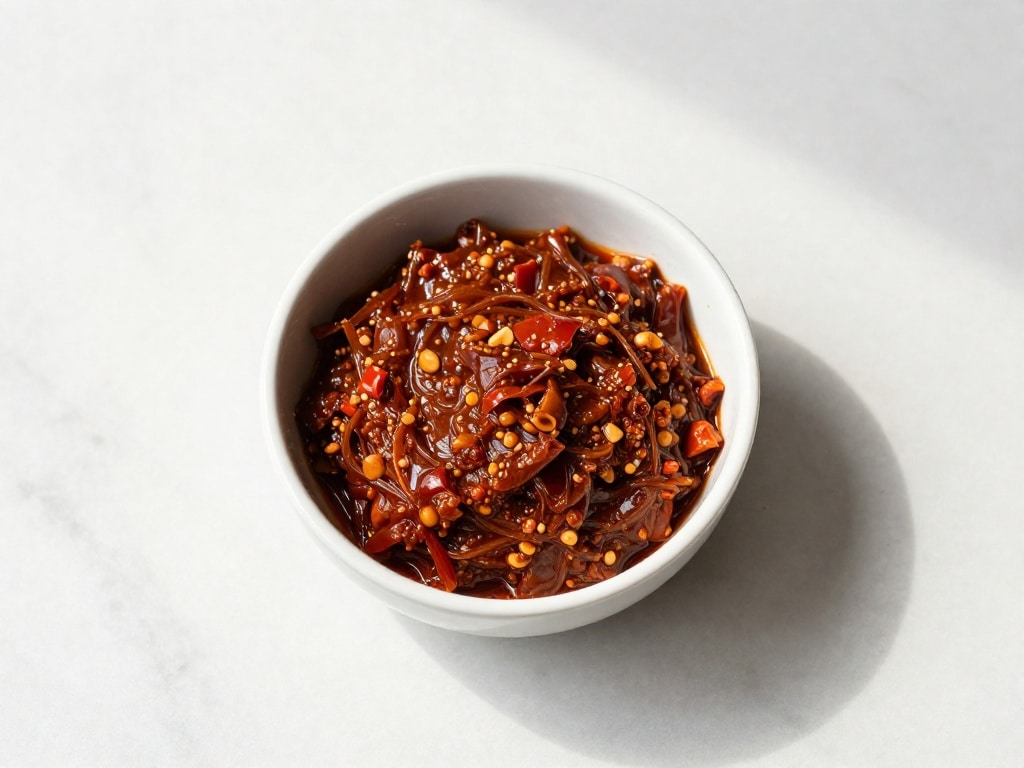
1. Nonalcoholic Malt Beverage
This is the closest match to real beer in chili, and it earns the top spot for a reason. Nonalcoholic malt beverages mirror malt sweetness and color very closely, making the swap nearly invisible in a finished pot.
Use it at a 1:1 ratio and you preserve body, give the base a slight roasted tone, and keep the texture right where you want it.
Choose a darker variety to mimic roasted malt notes. Pale or golden NA beers work fine, however they won't deliver the same color depth as an amber or dark malt beverage.
Avoid overly sweet variants unless you want that sweetness carried through into the chili. Because most malt beverages already contain some sodium, monitor your salt as you cook and hold off on extra sugar entirely.
The main tradeoff is limited hop bitterness, which means the chili may taste slightly rounder and less edgy than a batch made with a hoppy IPA.
Nonalcoholic dark malt beverage at 1:1 is the best overall substitute for depth and color without alcohol. Choose amber or dark varieties for the closest roasted-malt result.
2. Apple Cider + Small Amount of Molasses
Apple cider brings the acidity and fruity brightness that beer contributes, while a small pour of molasses handles the dark, malty depth. Use a 1:1 swap for the beer volume, then stir in about one teaspoon of molasses per cup of cider before adding it to the pot.
This combination works especially well with chili con carne and smoky dried peppers like anchos or cascabel chili varieties.
Apple cider provides acidity and fruity brightness; molasses adds depth and color that cider alone cannot deliver. The blend leans slightly sweet, so balance it with an extra pinch of chili powder or a short hit of salt after tasting.
This mix is a strong fit when you want the chili to feel rich without being heavy. If the molasses flavor feels too forward, pull back to half a teaspoon per cup.
The main tradeoff is that apple's fruit note can come through faintly in a lighter chili, so it shines most in a well-spiced, tomato-forward pot where those fruit notes get absorbed.
Stir your molasses into the cider before adding to the pot so it fully dissolves. This saves stirring time and avoids clumps of molasses sitting at the bottom.
3. Beef or Vegetable Stock + a Hint of Cocoa Powder
Stock is a reliable neutral base that adds body without changing the chili's flavor profile dramatically. The upgrade here is adding ¼ teaspoon of unsweetened cocoa powder per cup of stock before it goes in.
That small amount deepens color and adds roasted, slightly bitter notes that mimic what hops bring to a dark lager or stout. Use it at a 1:1 ratio to the beer volume called for.
Cocoa powder deepens color and adds roasted, bitter notes similar to hops, so the finished chili looks and tastes like it has been simmering much longer than it has. Keep cocoa light to avoid a chocolatey overwhelm; whisk the powder into the stock in a separate cup before adding to the pot so it disperses evenly.
This is the best option for meatier, heartier chilis where you want a bold, dark base. The main tradeoff is that stock alone adds no sweetness, so the result skews savory.
If your recipe already has tomatoes or a sweet chili sauce component, the balance works naturally.
Start with ¼ teaspoon of cocoa per cup and taste before adding more. Too much cocoa shifts the chili from savory-complex to dessert-adjacent, and that is hard to walk back.
4. Water + Blackstrap Molasses + a Dash of Worcestershire
Water is the neutral carrier here, and it lets the other two ingredients do all the flavor work. Use a 1:1 ratio to replace beer, then stir in one teaspoon of blackstrap molasses and one teaspoon of Worcestershire sauce per cup of water.
Blackstrap molasses adds robust color and deep, slightly bitter sweetness that regular molasses does not fully deliver. Worcestershire contributes umami and slight acidity from its vinegar and anchovy extracts, giving the pot a savory backbone that stock sometimes misses.
This combination is best for chili with beef and beans, where the richness of both liquids melds naturally with the protein. The main tradeoff is that blackstrap molasses has a stronger, more assertive flavor than regular molasses, so a little goes a long way.
If you find the flavor too intense, reduce the molasses to half a teaspoon and taste as you go. This substitute will noticeably darken the pot's color, which is usually a welcome result when you're after that slow-cooked look.
It pairs especially well with recipes that already use red chili peppers for heat, since the molasses bridges the spice and sweetness.
Water with blackstrap molasses and Worcestershire is a good all-purpose substitute with savory depth. It suits beef-heavy chili particularly well and builds color without adding sweetness.
5. White Grape Juice + a Pinch of Sea Salt + ½ teaspoon Soy Sauce
White grape juice is the lightest option on this list, and it works best when you want brightness and a hint of sweetness without the weight of a dark malt substitute. Use a 1:1 ratio, then add a small pinch of sea salt and half a teaspoon of soy sauce per cup to shift it from fruity to savory.
Grape juice provides brightness; soy adds savory depth without the hop bitterness of beer. Salt helps mimic beer's mineral balance, so it is worth tasting and adjusting carefully rather than eyeballing.
This substitute is the top pick for lighter chili variants or vegetarian chili, where heavier options like blackstrap molasses or beef stock would overpower the vegetables. The main tradeoff is that it does not deliver deep color or roasted notes, so the pot will look lighter than a beer-based batch.
The fruit note from the grape juice fades significantly once the chili cooks down, especially if you're using tomatoes and spices. If you want to take the savory side further, you can work in a half-teaspoon of chili garlic sauce alongside the soy to add complexity without alcohol.
Mix the grape juice, salt, and soy sauce together in a small bowl before adding to the pot. This ensures even distribution and prevents the soy from pooling in one spot.
Adapting Substitutes to Chili Style and Cooking Method
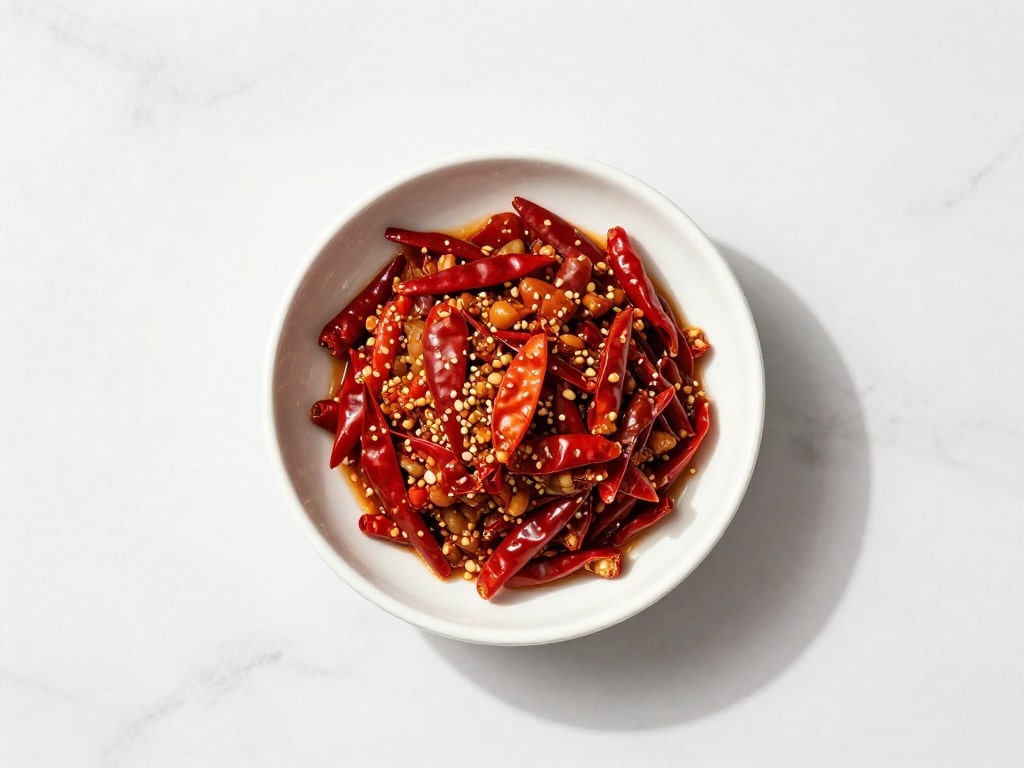
The right substitute also depends on how and what you're cooking, not just what's in your pantry. On the stovetop, liquids integrate faster, so you need less time for flavors to meld.
Monitor acid and thickness closely, since a stovetop chili can reduce quickly and concentrate sweetness or saltiness from the substitute. In a slow cooker, flavors have hours to develop, so slightly less sweet options like the stock-cocoa or molasses-Worcestershire combinations work better.
For vegetarian chili, prioritize umami and color depth with stock-based substitutes rather than fruit-forward options. An Instant Pot sits between the two: the pressure seals in flavor fast, so a 1:1 ratio holds and you rarely need to adjust mid-cook.
- Stovetop chili: Watch for over-reduction; add substitute in the first 15 minutes so it cooks into the base.
- Slow cooker chili: Use the molasses-Worcestershire or stock-cocoa combo; sweet options can turn cloying over 6-8 hours.
- Vegetarian chili: Vegetable stock with cocoa or grape juice with soy keeps the flavor layered without meat-based richness.
- Pork-based chili: Apple cider with molasses pairs naturally with pork's slight sweetness and works on any cooking method.
Decision Guide: Choose the Right Substitute in 3 Steps
Three quick questions will point you to the right swap every time. First, ask what you're avoiding: alcohol, gluten, or a specific allergen.
Second, ask what flavor you want most: dark color, malt sweetness, or sharp acidity. Third, check your pantry.
That combination narrows five options down to one in under a minute.
- Step 1 - Avoiding alcohol entirely: Pick 1:1 NA malt beverage or apple cider plus molasses for the most beer-like result.
- Step 2 - Want deep color and roasted notes: Use cocoa powder with stock or a dark malt beverage; both darken the pot and add bitter depth.
- Step 3 - Want bright acidity: White grape juice with a touch of salt and soy pulls the chili toward a lighter, more vibrant finish.
If you're also adjusting sweetness across the recipe, the approach for balancing stevia and sugar substitutes applies the same tasting logic: adjust in small increments and taste between each addition.
For malt-heavy options, a reference on malt syrup substitutes can help you calibrate sweetness if you're building a custom blend.
If you want acidity, go grape juice or cider. If you want depth and color, go cocoa-stock or molasses-Worcestershire. If you want the closest beer match, go nonalcoholic malt beverage every time.
Frequently Asked Questions
Can I use beer substitutes in chili without changing cooking time?
Yes. All five substitutes work at the same point in the recipe as beer and require no changes to cooking time. Add at the same stage you would add the beer.
Do substitutes affect chili thickness?
Slightly. Stock-based substitutes may thin the chili marginally. If thickness drops, simmer uncovered for an extra 5-10 minutes to reduce back to your target consistency.
Are these substitutes safe for kids or during pregnancy?
All five substitutes on this list are alcohol-free. Nonalcoholic malt beverages are labeled 0.0% ABV and are considered safe, however always check the label to confirm.
How do I balance acidity after substitution?
If the chili tastes flat after substitution, add ½ teaspoon of apple cider vinegar and stir. If it tastes too sharp, a pinch of sugar or a teaspoon of molasses pulls it back.
Can I mix substitutes to get a more beer-like profile?
Yes. Combining apple cider for acidity with a small pour of stock and ¼ teaspoon of cocoa per cup produces a layered result that is closer to a dark beer than any single substitute alone.
5 Best Beer Substitutes in Chili
Ingredients
Method
- Choose your substitute based on the dish type and desired flavor match. Consider whether you want depth and color, bright acidity, or savory umami.
- Prepare the substitute as directed: adjust ratios and prep as noted for each option. Mix molasses, cocoa, or soy sauce into the liquid before adding to the pot.
- Apply the substitution ratio carefully. Start with the stated 1:1 amount and adjust to taste after the first 10 minutes of cooking.
- Taste and adjust seasoning. Some substitutes shift sweetness or saltiness slightly, so balance with chili powder, vinegar, or a pinch of salt as needed.
Notes
- A 1:1 ratio works for all five substitutes; reduce slightly for malt-heavy or very sweet options to avoid oversweetness.
- Whisk cocoa powder into stock before adding to the pot to prevent clumping and ensure even distribution.
Tried this recipe?
Let us know how it was!
Carrie is a food writer and editor with more than 15 years of experience. She has worked for some of the biggest names in the food industry, including Bon Appétit, Food & Wine, and Martha Stewart Living.
As the Editor in Chief of EpicureDelight, Carrie oversees all of the content on the site. She also manages the team of contributing writers and editors, who help to create delicious recipes, helpful tips, and informative articles that you’ll find on the site.
A native of the Chicago area, Carrie is passionate about all things food. She loves trying new restaurants and experimenting with new recipes in her kitchen. She’s also a graduate of the Culinary Institute of America, so she knows a thing or two about food!



