
Caipirinha night shouldn't end because the bottle is empty. The good news is that cachaca substitute options are closer than you think, and most of them are already on your bar shelf.
Cachaca is a Brazilian spirit distilled from fresh sugarcane juice, and that clean, slightly grassy sweetness is what holds a caipirinha together. The substitutes below aren't identical, but each one preserves the lime-sugar balance that makes the drink work.
A quick note on lime juice: every swap in this list assumes you're using fresh lime. If your citrus is off, no spirit can fix it.
Light rum is the closest all-purpose cachaca swap for caipirinha-style drinks. Gold rum adds warmth. Vodka is the neutrality play. Gin only works in botanical-friendly recipes. White tequila is best for lime-forward emergency swaps. All substitutes use a 1:1 ratio by volume.
Cachaca Substitute Reference Table (Pick by Flavor Goal)
Scanning the options first saves you a bad first sip. Each substitute below has a different flavor job, and knowing which lane it belongs in makes the whole swap faster.
If your recipe leans purely on rum-like cane sweetness, check the broader rum substitutes list for even more angles before committing.
| # | Substitute | Best For | Ratio | Key Note |
|---|---|---|---|---|
| 1 | Light Rum | Both | 1:1 | Cleanest cane-adjacent swap |
| 2 | Gold Rum | Cocktails | 1:1 | Adds vanilla and warmth |
| 3 | Vodka | Cocktails | 1:1 | Neutral; adjust sugar up |
| 4 | Gin | Botanical drinks | 1:1 | Botanicals can dominate |
| 5 | White Tequila | Lime-forward drinks | 1:1 | Agave-bright, not cane-sweet |
5 Best Cachaca Substitutes Ranked by Flavor Match
1. Light Rum
Light rum is the most practical swap you can make. It shares cachaca's clean, cane-adjacent sweetness without adding wood or spice notes that would fight the lime.
Use a 1:1 ratio and you likely won't need any other adjustment. The cocktail will taste slightly rounder, less grassy, but the lime-sugar frame stays intact.
- Pros: Clean sweetness, easy to find, plays well with fresh lime and sugar
- Cons: Missing cachaca's faint earthiness; very smooth drinks may taste a little flat
- Best in: Caipirinha, batida, any cachaca cocktail where brightness matters most
Skip if: your recipe specifically needs earthy, grassy warmth - light rum won't replicate that dimension. For a deeper look at how light and dark styles differ, the light rum vs dark rum comparison lays it out clearly.
2. Gold Rum
Gold rum brings vanilla, a little toasted oak, and noticeably more sweetness than cachaca. That warmth can be a good thing in a stirred cocktail, and a problem in a fresh, muddled one.
Cut back on added sugar by about ½ teaspoon per serving when using gold rum - its barrel aging already carries sweetness. Paired with extra lime, it stays balanced.
- Works well in: Rum punch, warm spiced drinks, cocktails with fruit juice bases
- Watch the sugar: Reduce simple syrup by half to avoid an overly sweet result
- Lime balance: A squeeze more lime than the original recipe calls for keeps it bright
Skip if: you want a crisp, cane-sweet finish - gold rum reads heavier and can flatten lighter citrus drinks.
3. Vodka
Vodka is the strength-not-flavor play. It holds the drink together structurally without adding anything that clashes, which is useful when your recipe already has a lot going on.
The tradeoff is that vodka strips out the sugarcane character entirely. Add an extra ¼ teaspoon of fine sugar per serving and a little more lime to rebuild the lift cachaca normally provides.
If you're exploring vodka alternatives more broadly, the same neutral-spirit logic applies.
Skip if: you need a recognizable cane or rum-like flavor. Vodka will taste correct but not cachaca-like.
4. Gin
Gin is a wildcard here. It can work beautifully or completely derail a drink depending on what else is in the glass.
The key is whether your recipe already supports botanicals. A cachaca cocktail with cucumber, basil, or elderflower can absorb gin's juniper notes and taste intentional.
A straight lime-sugar caipirinha? Gin pulls it somewhere else entirely.
- Works when: Your recipe includes herbs, cucumber, or floral ingredients that pair with juniper
- Works when: You want a slightly more complex, dry cocktail profile
- Avoid when: The recipe is purely lime and sugar - juniper overpowers the clean cachaca frame
- Avoid when: You're serving anyone who dislikes gin's piney character
Skip if: the recipe is a classic caipirinha or any two-ingredient spirit drink. Gin will read wrong to anyone expecting cachaca's smoothness.
5. White Tequila
White tequila (blanco) is a solid emergency swap, especially in lime-forward drinks. Its brightness reads similarly to cachaca at the front of the sip, even though the base is agave rather than sugarcane.
The difference shows up in the finish. Tequila has a slightly vegetal, mineral edge that cachaca doesn't.
Adjust by adding a small pinch of sugar to soften that edge and letting the lime do the bridging work.
| Use | Ratio | Notes |
|---|---|---|
| Caipirinha-style | 1:1 | Add ¼ teaspoon extra sugar to soften agave bite |
| Lime juice cocktail | 1:1 | Reduce sweetener slightly; tequila reads brighter |
| Fruit punch base | 1:1 | Works well; agave blends with tropical fruit notes |
Skip if: your recipe depends on that specific cane sweetness profile. Tequila is bright and compelling, but it doesn't read as rum or cachaca.
Making Cachaca Substitutes Work (No-Guessing Adjustments)
Every swap listed above is best tested after the first mix, not before. Different spirits hit lime and sugar differently, and a one-second taste after stirring tells you more than any ratio chart can.
- Adjust sweetness first: If the drink tastes flat or sharp, add simple syrup in ¼ teaspoon increments until the edges soften.
- Tune your acid: A few extra drops of lime can rescue a swap that tastes too sweet or too heavy - this is especially true with gold rum and tequila.
- Manage harshness with ice and dilution: Over-iced drinks mute substitutes that run hot; let the drink rest 30 seconds before judging harshness.
Frequently Asked Questions
Light rum is the closest match. It shares cachaca's cane-based sweetness and works at a 1:1 ratio without shifting the lime-sugar balance significantly.
Yes, but reduce your added sugar by about half. Gold rum carries barrel sweetness that can tip a caipirinha-style drink into dessert territory quickly.
It works structurally, but tastes cleaner and less characterful than cachaca. Add a small pinch of extra sugar and a little more lime to compensate.
Avoid gin in any recipe that's purely lime and sugar. Juniper's piney sharpness will overpower the clean profile cachaca normally provides.
Let it rest over ice for 30 seconds before judging, then add lime in small drops. Extra dilution softens harshness faster than adding sugar does.
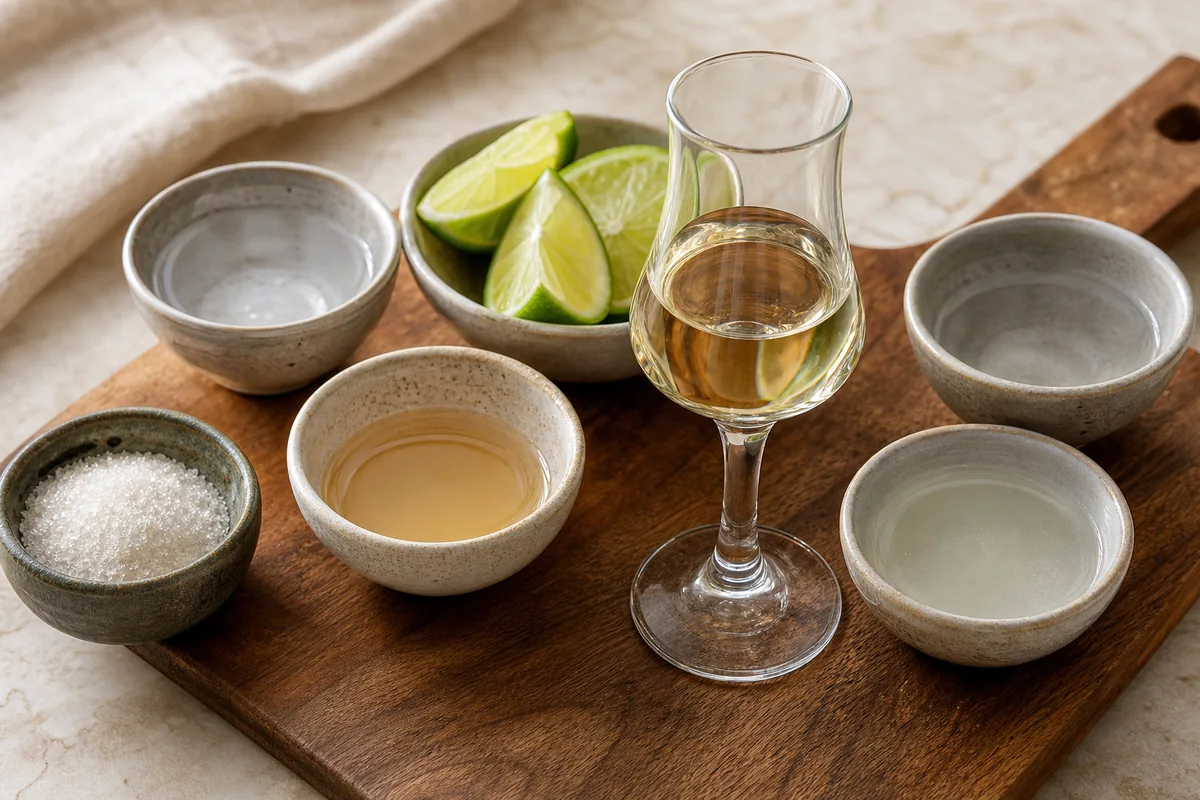
5 Best Cachaca Substitutes (Quick Swaps)
Ingredients
Equipment
Method
- Identify your use: caipirinha-style (lime + sugar), a rum-forward cocktail, or a recipe that mainly needs alcohol strength.
- Pick the substitute that matches the flavor job: light rum for clean cane-like sweetness, gold rum for warm notes, vodka for neutrality.
- Use a 1:1 ratio by volume (same amount of substitute as cachaca).
- Adjust after mixing: if the swap tastes flat, add a small amount of sugar; if it tastes too harsh, add a touch more lime to sharpen.
- Taste once the ice melts slightly, then fine-tune with one adjustment at a time.
Notes
- For best results, match the intensity: use light rum when you want clean sweetness; use gold when you want warm wood notes.
- If your recipe is lime-heavy, stronger or botanically complex spirits can taste sharper than cachaca.
Tried this recipe?
Let us know how it was!
Carrie is a food writer and editor with more than 15 years of experience. She has worked for some of the biggest names in the food industry, including Bon Appétit, Food & Wine, and Martha Stewart Living.
As the Editor in Chief of EpicureDelight, Carrie oversees all of the content on the site. She also manages the team of contributing writers and editors, who help to create delicious recipes, helpful tips, and informative articles that you’ll find on the site.
A native of the Chicago area, Carrie is passionate about all things food. She loves trying new restaurants and experimenting with new recipes in her kitchen. She’s also a graduate of the Culinary Institute of America, so she knows a thing or two about food!



