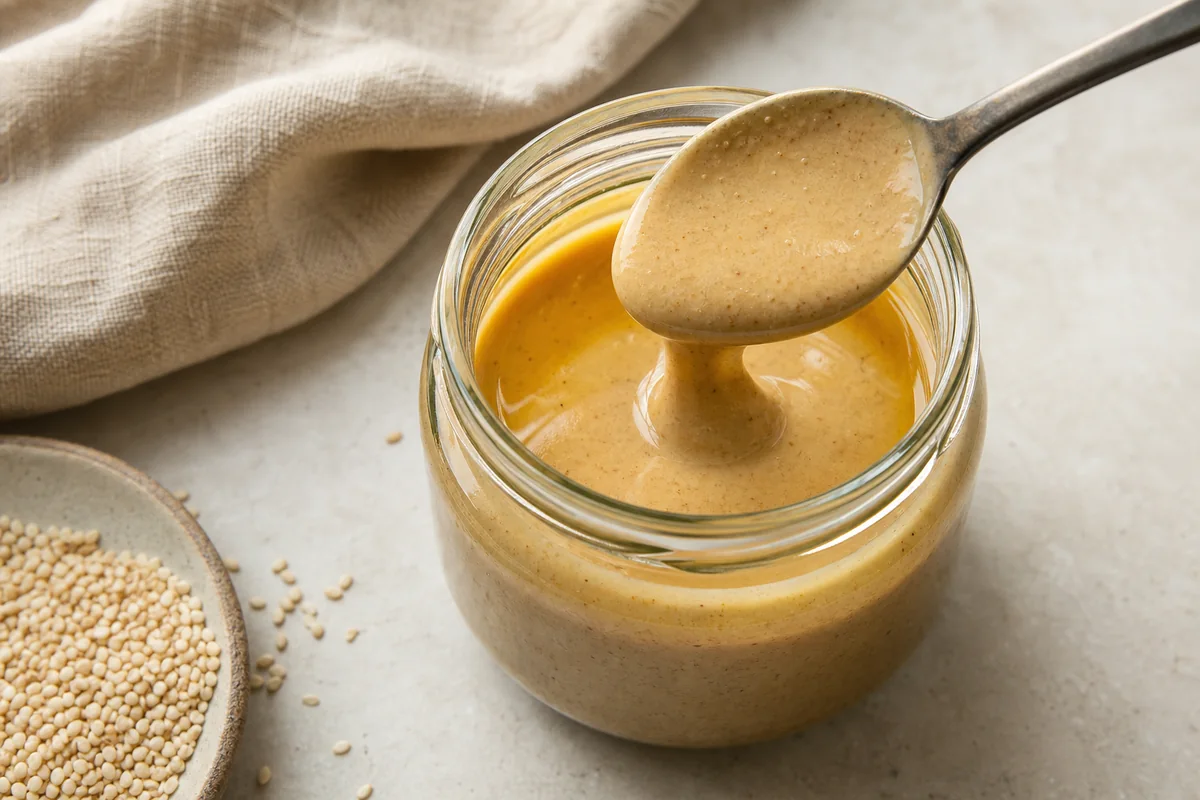
Calpico tastes sweet, lightly milky, and sharply tangy. Its thin body may remind you of diluted yogurt, while a mild citrus note keeps the finish from feeling heavy.
The original ready-to-drink version is not fizzy. Calpico Soda adds bubbles, and Calpico Concentrate tastes much stronger until you mix it with water.

Calpico combines a sweet cultured-milk flavor with a clean lactic tang. It drinks more like a light soft drink than thick yogurt, and the product format changes the sweetness and fizz.
What Does Calpico Taste Like on the First Sip?
Calpico opens with sugar and a faint dairy aroma. A quick lactic tang follows, then a soft citrus-like finish clears the sweetness.
The drink feels smooth but not thick. It has less body than strained yogurt and less creaminess than milk-based tea, so a cold sip stays easy to drink.
The aroma stays faint
Milk and fruit reach your nose without the heavy smell of a milkshake or thick yogurt drink.
Sweetness arrives before the lactic tang
The first taste resembles light fruit syrup. A clean yogurt-like acidity then cuts through it.
The finish is short and slightly citrus-like
The thin body clears quickly, leaving fruit and gentle sourness instead of cream.
It should not taste cheesy, buttery, or strongly fermented. A bottle that smells sour in a spoiled-dairy way or looks damaged should not be used.
People who enjoy sweet yogurt drinks usually find the flavor familiar. People who expect plain milk may find the acid sharper than expected.
Fruit versions smell stronger before they reach your tongue. Strawberry and peach lean familiar and jammy, while lychee and melon can feel more floral or candy-like.
Why Does Calpico Taste Tangy?
Calpico gets its signature flavor from cultured nonfat milk and added acids. The culture creates the dairy-like base, while lactic and citric acids give the drink its bright edge.
The finished drink contains little of the rich fat that makes cream feel heavy. That is why the flavor can suggest yogurt even though the texture stays much thinner.
Sugar softens the sourness at the start of the sip. The acid returns near the finish, which keeps the drink from tasting like plain sugar water.
The exact ingredient list changes by product and market. Use the label on your bottle when you need allergen, sweetener, or juice information.
Think sweet cultured milk, not a milkshake. Calpico has dairy tang without a thick or fatty finish.
That balance also explains why fruit versions still taste like Calpico. Mango, lychee, peach, or strawberry changes the top aroma, but the cultured-milk tang remains underneath.
The acid also keeps the dairy note from coating your mouth for long. A sip fades faster than a spoonful of yogurt, which makes Calpico better suited to a full cold glass.
How Do Original, Fruit, Concentrate, and Soda Calpico Differ?
Ready-to-drink Original
Still, sweet, tangy, and ready to pour cold without dilution.
Fruit flavors
The same cultured base with a stronger peach, lychee, mango, melon, or strawberry aroma.
Calpico Soda
Carbonation makes the acid feel brighter and the finish less soft.
Concentrate
Very sweet and intense until water brings it to drinking strength.
The product name matters because Calpico comes in more than one form. Original ready-to-drink Calpico is a still beverage, while Calpico Soda uses carbonation for a sharper bite.
Fruit versions add a clearer fruit aroma and may change the color, sweetness, or finish. They do not remove the milky base.
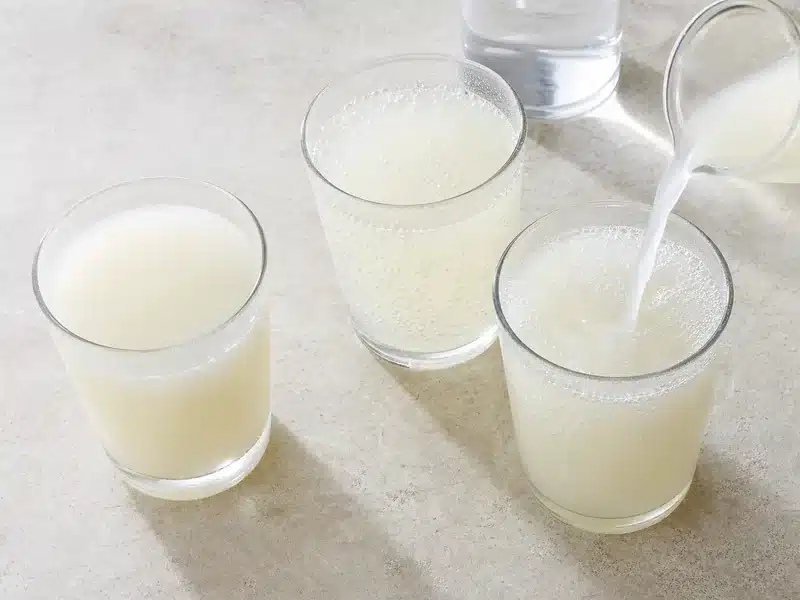
The US Calpico site directs readers to mix one part concentrate with four parts water. Follow the package you own because imported products and serving sizes can differ.
Concentrate gives you more control than a bottle. Less water makes a sweeter, heavier drink, while more water brings the tang forward and shortens the finish.
The brand also suggests mixing concentrate with fresh milk or hot water. Milk makes the drink rounder and fuller, while hot water brings the sweet aroma forward and removes the cold sharpness.
Carbonation changes perception even when the cultured base stays similar. Like the lift in a creamy soda, bubbles carry aroma toward your nose and make the acid feel more pointed on the tongue.
How Do Cold Water and Ice Change Calpico?
Calpico tastes cleaner when chilled. Cold temperature lowers the sense of sweetness, and melting ice slowly thins the drink as you sip.
Room-temperature Calpico can taste sweeter and more aromatic. That may suit a small serving, but a full glass can feel sticky if you dislike sweet drinks.
Start with the label ratio
Measure concentrate before water. Imported cartons and serving sizes can differ, so one online ratio cannot own every package.
Cold water controls sweetness before ice changes it again
Chill the water, mix the drink, and taste it before adding ice. Add more water for a lighter glass or a little concentrate for more body.
Sparkling water can turn concentrate into a fizzy drink, but pour slowly because foam rises fast. Plain cold water gives the closest result to still ready-to-drink Calpico.
Do not judge a fruit flavor while it is partly frozen. Ice dulls aroma, so let a slushy serving soften for a minute before deciding that the fruit note is weak.
A wide glass releases more aroma than a narrow bottle opening. Pour a small amount when you want to compare Original with a fruit flavor instead of drinking straight from both containers.
What Foods Pair Well with Calpico?

Calpico works best when the food pushes against its sweetness. Salt, chili, toasted flavors, and crisp textures make the drink taste brighter between bites.
Very sweet desserts can make both the food and drink feel flat. Choose a small pour or use extra water when serving it beside cake or a rich ice cream.
| Food | Why it works | Best Calpico style |
|---|---|---|
| Potstickers | Salt and browned edges check the sweetness | Cold Original |
| Spicy noodles | The cool milk note softens chili heat | Original or melon |
| Fresh berries | Fruit acid echoes the tang | Strawberry or peach |
| Light sponge cake | A mild cake leaves room for the cultured flavor | Diluted concentrate |
Cucumber, melon, and citrus also fit because they keep the pairing fresh. Heavy chocolate, caramel, or very sweet frosting can cover the light dairy tang.
For a first taste, pour a small cold glass and serve it with a salty snack. That setup makes the sweet-sour balance easier to notice than a large glass beside dessert.
Calpico also works beside toasted rice crackers, grilled meat, or a simple sandwich. These foods add salt and browning without adding another sweet drink flavor.
For a boba-style drink, use plain tapioca pearls so their chew adds texture without covering the cultured tang.
Skip a heavy brown-sugar syrup on the first try. The deep sweetness found in brown sugar boba can make Calpico's light acid harder to notice.
What Should You Check on a Calpico Label?
| Product clue | What to confirm | Why it changes the choice |
|---|---|---|
| US Original | Milk and soy allergens | It is not a dairy-free soft drink |
| Fruit flavor | Flavor-specific ingredients | Coconut-derived ingredients can appear |
| Soda | Carbonated format | Bubbles sharpen the acid |
| Concentrate | Dilution direction | It is not ready to drink straight |
US ready-to-drink Calpico Original lists milk and soy. The company also notes that every Calpico item contains milk, while allergen details can change among fruit flavors.
Mango and strawberry products sold in the US can include a coconut-derived ingredient. Check the exact bottle instead of applying the Original label to every flavor.
Calpico is not a dairy-free soft drink. Read the ingredient and allergen panel for the exact flavor and format you plan to drink.
The ready-to-drink bottles are shelf stable before opening according to the US brand FAQ. Refrigerate the opened bottle and follow its storage directions for the best flavor.
An unopened shelf-stable bottle still benefits from a cool cabinet away from direct sun. Chill it before serving rather than storing it for months in a hot car or window.
Concentrate, soda, mini bottles, and ready-to-drink fruit flavors can use different sweeteners and juice ingredients. The product name on the front does not replace the full label.
Sources
Frequently Asked Questions
Does Calpico taste like Yakult?
Both have a sweet cultured-milk tang, but Calpico usually tastes lighter and less concentrated. Product formulas and serving sizes also differ.
Is Calpico the same as Calpis?
Calpis is the Japanese brand name. The drink is sold as Calpico in the United States and some other markets.
Can you drink Calpico Concentrate without water?
The concentrate is made for dilution and tastes very sweet on its own. Use the ratio on your carton before making small adjustments.
Why is Calpico white?
The pale color comes from its cultured nonfat milk base. Fruit flavors and coloring can change the shade.
Does Calpico contain caffeine?
Original Calpico does not list caffeine on the US ingredient panel. Check flavored, imported, or mixed products because formulas can differ.

Carrie is a food writer and editor with more than 15 years of experience. She has worked for some of the biggest names in the food industry, including Bon Appétit, Food & Wine, and Martha Stewart Living.
As the Editor in Chief of EpicureDelight, Carrie oversees all of the content on the site. She also manages the team of contributing writers and editors, who help to create delicious recipes, helpful tips, and informative articles that you’ll find on the site.
A native of the Chicago area, Carrie is passionate about all things food. She loves trying new restaurants and experimenting with new recipes in her kitchen. She’s also a graduate of the Culinary Institute of America, so she knows a thing or two about food!