Do you know what capicola tastes like?
You may have seen it on a menu or heard someone else mention it, but do you really understand its unique flavor?
Many people are curious about this savory Italian dish, especially since there is no one-size-fits-all description of the taste.
To help satisfy your curiosity, we are presenting a comprehensive guide to what capicola truly tastes like!
From its origin story and commonly used ingredients to ideas for cooking with it and explorations into regional variations in flavors, this article has everything you ever wanted to know about capicola's inimitable taste.
So whether you're planning your next meal or just learning more about food culture around the world, read on for answers to all your questions about this flavorful treat from Italy!
What is Capicola?
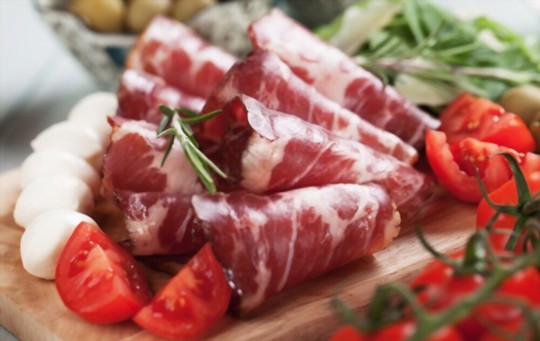
Capicola is a cured Italian cold cut made from dry-cured whole pork shoulder or neck.
It is often seasoned with a mix of spices like paprika, garlic, and pepper, and then slow-roasted until it is tender and flavorful.
Capicola has a unique taste - savory, smoky, and slightly spicy.
The seasoning imparts a distinct flavor that is both tangy and sweet, with a mild heat that doesn't overpower the pork.
When eaten, the meat is soft and chewy, with a subtle fat marbling that adds to the overall flavor and texture.
Capicola is widely used in Italian cuisine, specifically in sandwiches, charcuterie boards, pasta dishes, and pizzas, and is often paired with other cured meats and cheeses.
When serving Capicola on a charcuterie board, pair it with a tangy cheese like provolone or a sharp cheddar to balance out the flavors.
What Does Capicola Taste Like?
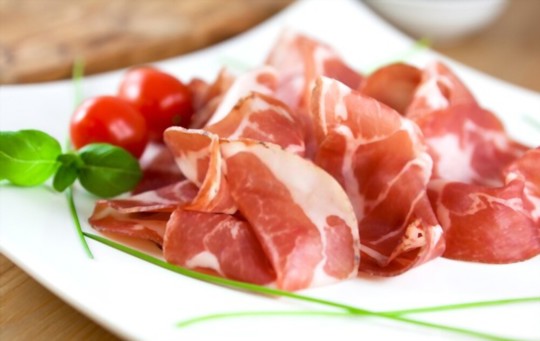
Capicola, also known as Capocollo or Coppa, is a dry-cured meat that has a distinct taste profile that sets it apart from other Italian cured meats.
Taste-wise, Capicola is slightly sweet, savory, and peppery, with a creamy finish that melts in your mouth.
Its flavor is a combination of smokiness from the curing process, the fattiness of the pork, the spiciness of the black pepper, and the sweetness of the garlic and fennel seasoning.
The texture of Capicola is tender and chewy, with little to no fat.
It can be sliced thinly or thickly, depending on your preference.
Capicola is best enjoyed as part of an antipasto platter, in sandwiches, or as a topping for pizza or pasta dishes.
Pair it with some olives, cheese, and a glass of red wine for the perfect Italian-style meal.
Factors that Affect the Taste of Capicola
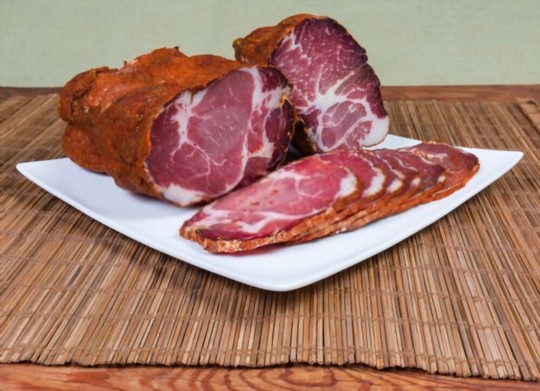
Capicola, also known as coppa, is a traditional Italian cured meat that can have varying taste profiles due to different factors.
Factors that affect the taste of capicola are:
- The cut of pork used for the meat.
- The amount of fat in the capicola.
- The spices and flavoring used during the curing process.
- The length of time the meat is cured.
Typically, capicola has a rich and savory taste with a slightly spicy kick.
The spiciness comes from the unique blend of spices used during the curing process, such as paprika, cayenne pepper, and fennel.
The texture of capicola is tender and melts in your mouth, making it an ideal ingredient for sandwiches and charcuterie boards.
1 - Cut and Preparation Method
Capicola, also known as coppa or capocollo, is an Italian cured meat made from pork shoulder.
It is a highly flavorful meat that is perfect as a cold cut or used in Italian dishes.
To prepare capicola, start by slicing it thinly against the grain.
This will help to break down the meat's fibrous texture, making it easier to chew.
Capicola should be served at room temperature with crusty bread, cheese, and a glass of dry red wine to complement its rich flavor.
In terms of taste, capicola has a savory and slightly spicy profile.
It is cured with a blend of herbs and spices, including fennel, coriander, and red pepper flakes, giving it a unique and complex flavor that is sure to please any meat lover.
2 - Seasonings and Spices
Capicola, also known as coppa or capocollo, is a traditional Italian cured meat made from pork shoulder or neck.
The flavor of capicola is a blend of sweet, salty, and savory notes, with a smoky and slightly spicy finish.
The seasoning and spices used in capicola vary depending on the region and recipe, but typically include garlic, pepper, fennel seeds, and red pepper flakes.
This combination of herbs and spices creates a complex flavor that pairs well with other cured meats, cheeses, and bread.
Capicola can be enjoyed in a variety of ways, such as in sandwiches, salads, pasta dishes, or as part of a charcuterie board.
Whether thinly sliced or cubed, the taste of capicola is sure to add depth and complexity to any dish.
When selecting capicola, look for meat with a rich color and smooth texture, as well as a well-marbled fat content, which enhances the flavor and moisture of the meat.
3 - Ageing and Curing
Capicola, or coppa, is a traditional Italian cured meat made from pork shoulder or neck.
The curing process gives capicola a distinctive flavor that is rich, savory, and slightly spicy.
The aging and curing process for capicola varies depending on the region of Italy where it is made, but generally involves rubbing the meat with salt, sugar, and a blend of spices such as black pepper, coriander, and fennel.
The meat may also be coated with red pepper flakes to give it a spicy kick.
After it is seasoned, the capicola is left to dry and age for several weeks or months, during which time it develops its signature taste and texture.
The end result is a flavorful and tender meat that can be sliced thin and enjoyed on its own or used to add depth of flavor to a variety of dishes.
How to Eat Capicola and Pairings?
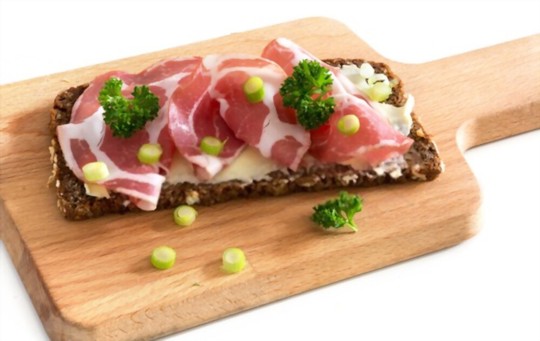
Capicola, also known as coppa or capocollo, is a traditional Italian cured meat with a bold and savory taste that is both rich and complex.
Typically made from pork shoulder or neck, capicola is seasoned with spices like garlic, fennel, and red pepper flakes.
Capicola is typically enjoyed in thin, delicate slices as part of an antipasto platter, on sandwiches, or as a flavorful addition to pasta dishes or salads.
Capicola pairs well with a variety of accompaniments, such as olives, marinated vegetables, and crusty bread, which can complement and balance out its strong flavors.
It also pairs well with a dry red wine or a crisp white wine, such as Chardonnay or Sauvignon Blanc.
So, the next time you're looking to add a bold, flavorful touch to your dishes, try incorporating some delicious capicola.
Where to Buy Capicola and How to Store It?
Capicola, also known as coppa or gabagool, is an Italian cold cut made from dry-cured pork shoulder.
It has a rich, savory taste with a subtle sweetness and a hint of nutmeg.
If you're wondering where to buy capicola, you can find it in most Italian markets or deli shops.
You can also purchase it online from gourmet food retailers or Amazon.
To store capicola properly, it should be wrapped tightly in plastic wrap or butcher paper and kept in the refrigerator.
It can also be kept in the freezer for up to 6 months.
When serving capicola, it's best to slice it thin and serve it at room temperature to bring out its full flavor.
It pairs well with cheese, olives, bread, and a glass of red wine.
Avoid storing capicola in a damp environment or it may develop mold.
Always check the expiration date before purchasing and consuming capicola.
Flavor Profile of Capicola
It is thinly sliced and often used in sandwiches, salads, and as a pizza topping.
When cooked or smoked, the flavor becomes more intense, and the meat may become slightly sweet.
Capicola can be enjoyed as a standalone meat or paired with other ingredients to create a savory dish.
Its versatility and bold flavor make it an excellent addition to any charcuterie board, and the possibilities for cooking with capicola are endless.
Experiment with different recipes and preparations to discover the unique taste and texture of this delicious deli meat.
More From EpicureDelight
The Complete Food Flavor Guide - your complete resource for this topic.
Read all flavor guides →Capicola is often compared to [a familiar ingredient], though it has its own distinct character. Cooking method makes a significant difference - roasting brings out sweetness, while raw preparations highlight a more [sharp/clean/grassy] note.
Absolutely. Grilling and roasting develop caramelized, smoky notes; boiling or steaming keeps the flavor cleaner and more subtle; raw preparations are the most pungent.
Significantly. Freshness, origin, and growing conditions all affect flavor intensity. Wild-caught or locally sourced options often have a more pronounced, complex taste than mass-produced alternatives.
The closest comparison is [familiar ingredient], but it has a more [complex/pronounced/subtle] flavor. Think of it as a more [refined/earthy/bright] version of something you already know.

Carrie is a food writer and editor with more than 15 years of experience. She has worked for some of the biggest names in the food industry, including Bon Appétit, Food & Wine, and Martha Stewart Living.
As the Editor in Chief of EpicureDelight, Carrie oversees all of the content on the site. She also manages the team of contributing writers and editors, who help to create delicious recipes, helpful tips, and informative articles that you’ll find on the site.
A native of the Chicago area, Carrie is passionate about all things food. She loves trying new restaurants and experimenting with new recipes in her kitchen. She’s also a graduate of the Culinary Institute of America, so she knows a thing or two about food!