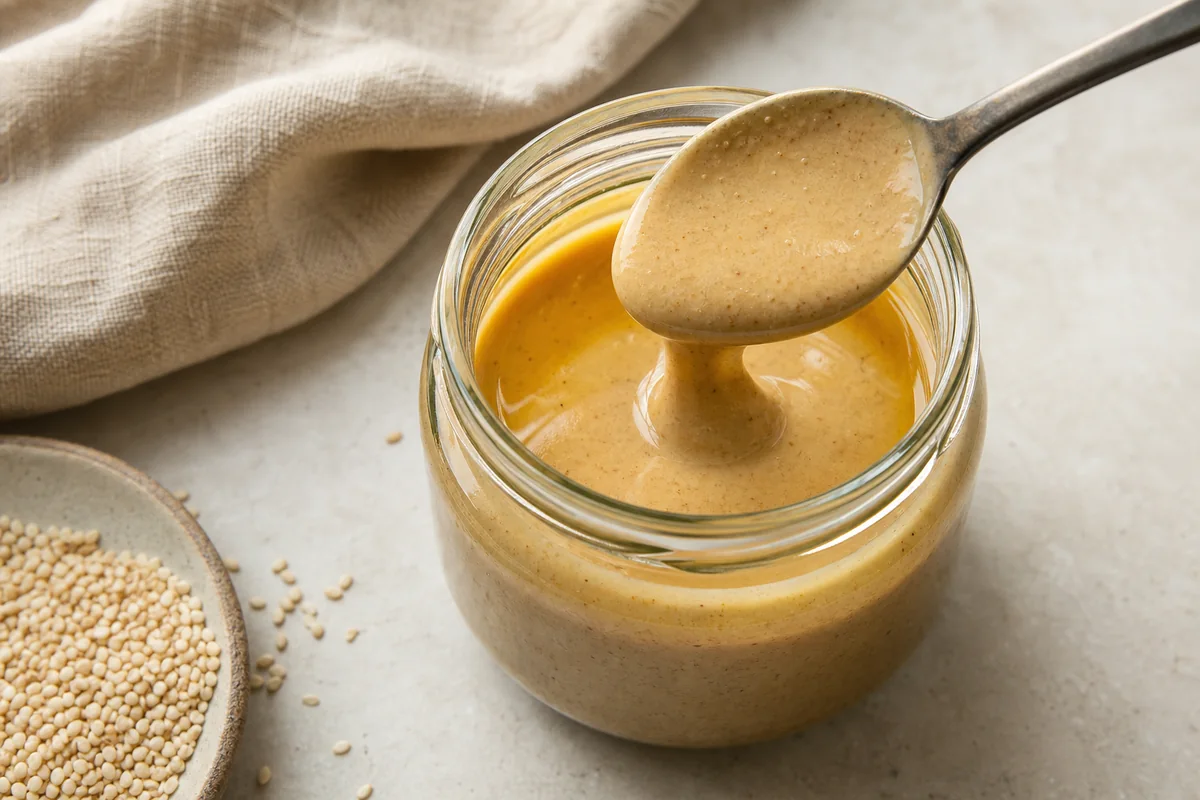
Chambord tastes like sweet black raspberry with blackberry and blackcurrant depth. Vanilla and honey round the middle, while citrus peel adds a small lift that keeps the dark berry flavor from feeling flat.
The liqueur is smooth, concentrated, and syrupy enough to change a drink with a small pour. It works best when a dry, tart, bitter, or creamy ingredient gives that sweetness somewhere to go.

Expect dark berry jam, vanilla, honey, and a clean citrus edge. Start with a small measured pour because Chambord adds sweetness, aroma, and deep ruby color at the same time.
Black Raspberry Leads While Citrus Keeps It Moving
Chambord smells like crushed dark berries before it smells alcoholic. The producer identifies black raspberry, blackberry, and blackcurrant in the fruit blend. Those berries create a darker profile than a simple red raspberry syrup.
The first taste is sweet and plush. Black raspberry leads, then blackcurrant adds a wine-like depth and faint tartness. Blackberry makes the center feel darker and less candy-like.
Vanilla appears after the fruit and makes the body seem creamier. Honey extends the sweetness, while Moroccan citrus peel brings a small bitter and aromatic edge. That edge matters because it stops the finish from reading as plain jam.
Spirit warmth arrives late and remains gentler than the berry aroma. A neat sip can feel syrupy, but the texture should stay smooth rather than sticky or gritty.
The finish lasts through vanilla and dark fruit. A stale bottle may lose fresh berry aroma first, leaving dull sweetness and alcohol without the same citrus lift.
The dark ruby color can make Chambord seem heavier before the first sip. Hold a small pour near light and the edge should look translucent rather than muddy. Color alone cannot prove quality, but an unexplained haze or floating material in a previously clear bottle deserves inspection.
Sip It Neat to Find the Real Finish
A small neat taste shows whether the bottle will support a drink or dessert. Use a cordial glass or a clean teaspoon rather than a large pour.
- Begin cool, not frozen. Deep chilling hides berry aroma and spirit warmth.
- Smell above the glass. Look for dark fruit, vanilla, and a clean citrus edge.
- Take a small sip. Notice sweetness first, then berry depth and coating body.
- Add a few drops of water. Mild dilution can reveal fruit beneath the sugar.
- Wait for the finish. Vanilla and gentle warmth should remain after the berry fades.
Room temperature exposes more aroma, though it also makes sweetness feel heavier. A cool serving around cellar temperature offers a useful middle point.
If you dislike sweet liqueurs, the neat taste may feel too dense. That does not predict how a measured amount will behave in dry sparkling wine or a sour cocktail.
How Chambord Differs From Raspberry Syrup and Crème de Cassis
| Product | Main character | Alcohol | Best use | Swap limit |
|---|---|---|---|---|
| Chambord | Black raspberry, mixed dark berries, vanilla | Yes | Cocktails, sauces, desserts | Adds both spirit and sugar |
| Raspberry syrup | Bright red raspberry and sugar | No | Alcohol-free drinks and soda | Often sweeter and simpler |
| Crème de cassis | Blackcurrant, tart dark fruit | Yes | Wine drinks and dark-fruit cocktails | More currant, less vanilla |
| Berry purée | Fresh fruit, seeds, natural acid | No | Sauces, frozen drinks, desserts | Changes texture and dilution |
Raspberry syrup can replace sweetness and berry aroma in an alcohol-free drink, but it lacks the dark currant layer and spirit warmth. Begin with less syrup because its sugar concentration may be higher.
Crème de cassis is closer in structure, though blackcurrant takes the lead. It can make a drink darker, tarter, and more wine-like. Vanilla and honey will be less obvious.
Fresh purée brings real acid and seeds. It works in a shaken drink or sauce, but it will not dissolve with the same smooth finish. Readers who need a closer bottle swap can compare the published Chambord substitutes.
Use a Small Pour and Taste Again
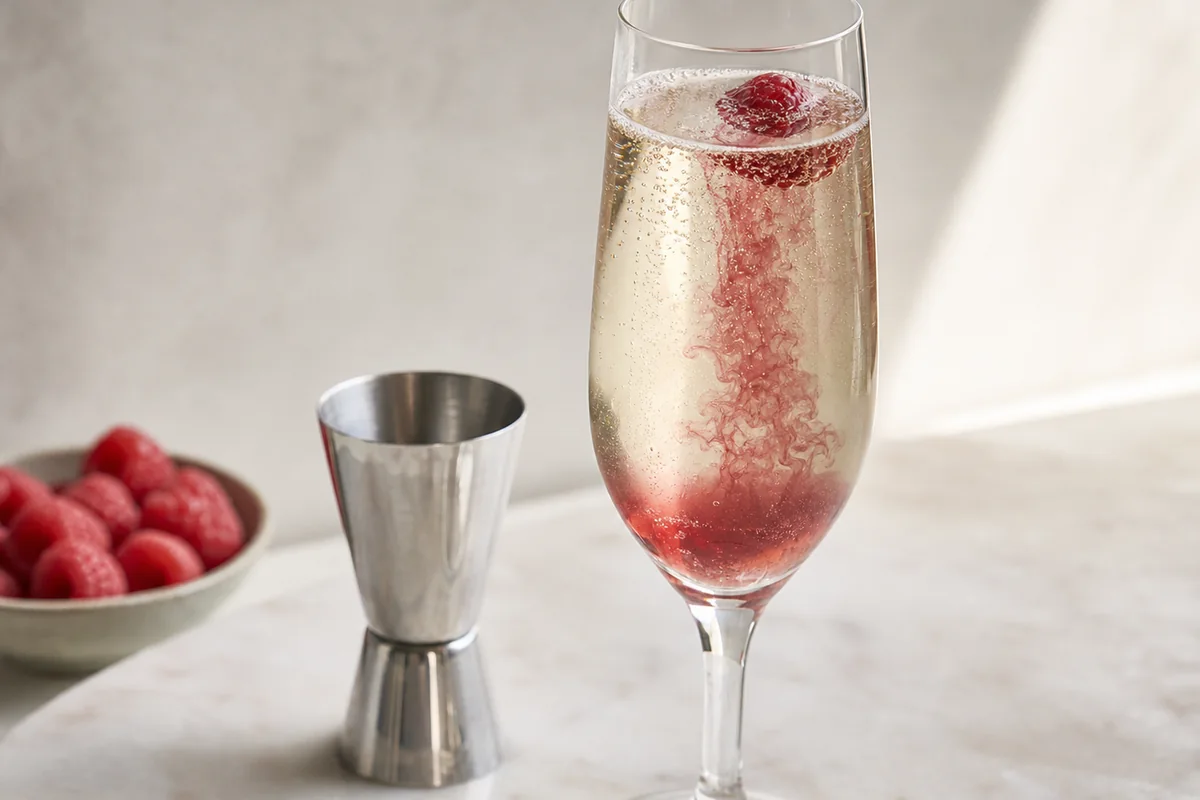
Measure Chambord before adding it. The color change is easy to see, but sweetness can move faster than expected.
Dry Sparkling Drinks
Start with about ¼ ounce per glass, then taste. Dry sparkling wine provides acid and bubbles that lighten the syrupy body. A sweeter sparkling base may need only a bar spoon.
Sours and Citrus Drinks
Berry and lemon work because acid sharpens the fruit. Add Chambord after the base spirit and citrus, then reduce simple syrup to account for the liqueur's sugar.
Spirit-Forward Drinks
Whiskey, brandy, and aged rum can carry dark berry and vanilla, but a heavy pour hides their oak and spice. Begin with a bar spoon and increase only when the base still remains clear.
If a drink becomes too sweet, add more unsweetened base, acid, or sparkling water in small stages. Extra ice chills and dilutes it, but it may leave the same poor sugar-to-acid balance.
Match the Berry Depth to the Dessert
Chambord works as a seasoning for dessert rather than a second sauce poured without limit.
Dark Chocolate
Cocoa bitterness absorbs sweetness and makes blackcurrant seem deeper. Use a thin drizzle or brush it into a cake layer.
Cream and Vanilla
Dairy carries berry aroma and echoes vanilla. Fold a small amount into whipped cream or spoon it over plain ice cream.
Lemon and Fresh Fruit
Lemon sharpens the berries, while fresh raspberries add acid and texture that the liqueur lacks.
For cake, brush a thin measured layer onto the cut surface. Too much liquid makes the crumb wet and can push berry flavor into every bite.
For sauce, thin Chambord with fresh fruit, citrus juice, or unsweetened cream rather than more syrup. The goal is to spread aroma while lowering the sugar concentration.
Cold desserts mute aroma, so a small amount added at serving can smell clearer than a larger amount frozen into the base. Warm sauces release more alcohol and berry scent. Simmering drives off some alcohol, but it also softens the fresh raspberry top note.
Store the bottle closed, upright, and away from heat and direct light. Discard it if contamination, unusual cloudiness, a damaged seal, or a sour rotten odor appears. A gradual loss of berry aroma is usually a quality decline rather than sudden spoilage.
Sources
Yes. It is a sweet liqueur with a syrupy body. Dry wine, citrus, bitter chocolate, or an unsweetened spirit keeps that sugar balanced.
Both taste of raspberry, but Chambord is darker and more layered. Blackcurrant, blackberry, vanilla, citrus peel, honey, and alcohol distinguish it from syrup.
Yes. Serve a small cool pour and sip slowly. Its sweetness and coating texture are more obvious neat than in a mixed drink.
Blackcurrant adds dark tart depth, but black raspberry remains the leading flavor. Crème de cassis places blackcurrant further forward.
Black raspberry or mixed-berry syrup is the simplest option. Add a little citrus and vanilla to mimic more of Chambord's flavor range.

Carrie is a food writer and editor with more than 15 years of experience. She has worked for some of the biggest names in the food industry, including Bon Appétit, Food & Wine, and Martha Stewart Living.
As the Editor in Chief of EpicureDelight, Carrie oversees all of the content on the site. She also manages the team of contributing writers and editors, who help to create delicious recipes, helpful tips, and informative articles that you’ll find on the site.
A native of the Chicago area, Carrie is passionate about all things food. She loves trying new restaurants and experimenting with new recipes in her kitchen. She’s also a graduate of the Culinary Institute of America, so she knows a thing or two about food!