
Clamato juice is a tomato-clam juice blend seasoned with salt, spices, and a briny depth that makes it hard to replace with just any tomato product. It shows up in Bloody Caesar cocktails, savory sauces, seafood soups, and baked casseroles where that umami-salt combination is doing real work.

Running out mid-recipe is frustrating, and the store is not always an option.
The good thing is that three well-tested substitutes can fill that gap without wrecking the flavor of your dish. Each one brings a tomato base plus either umami, acidity, or both to approximate what clamato contributes.
The challenge is picking the right one. A tomato-umami blend with fish sauce or clam stock is not the same as a vegetable juice with a squeeze of lemon, and using the wrong one in the wrong context can wash out your tomato notes or throw off your salt balance.
Knowing the ratios and the tradeoffs matters more than just grabbing whatever is in the pantry.
This guide covers all three substitutes with exact ratios, the dish types where each performs best, and a decision guide to help you choose fast.
If you regularly swap ingredients in savory recipes, this pairs well with practical resources like finding the right pancetta substitute for cured meat needs in the same dish.
The three best substitutes for Clamato juice are a tomato-umami blend, tomato juice with Worcestershire, and vegetable juice with salt and acid. Each works at a 1:1 ratio in most recipes. Choose based on whether your dish needs seafood depth, balanced acidity, or a fish-free option.
Clamato Juice Substitutes in Detail
Before getting into the details of each substitute, this quick table gives you the ratio, the best use case, and the main tradeoff side by side. If you are in a hurry, this is your starting point.
All three substitutes use a tomato base with umami or acidity layered on top to mimic clamato's saltiness and depth. The differences come down to ingredient access, dietary needs, and how seafood-forward you need the final flavor to be.
| # | Substitute | Ratio | Best For | Taste Match |
|---|---|---|---|---|
| 1 | Tomato + Clam Stock or Fish Sauce | 1:1 | Baking, stews, soups, savory sauces | Close |
| 2 | Tomato Juice + Worcestershire + Lemon | 1:1 | Sauces, casseroles, gravies | Mild |
| 3 | V8 or Vegetable Juice + Salt + Acid | 1:1 | Baking, non-alcoholic drinks, family meals | Different |
Save This for Later
Pin this savory tweaks: 3 best clamato juice substitutes guide so you always have it when you need it.
Pin This Guide1. Tomato-Umami Blend (Best for Baking and Savory Cooking)
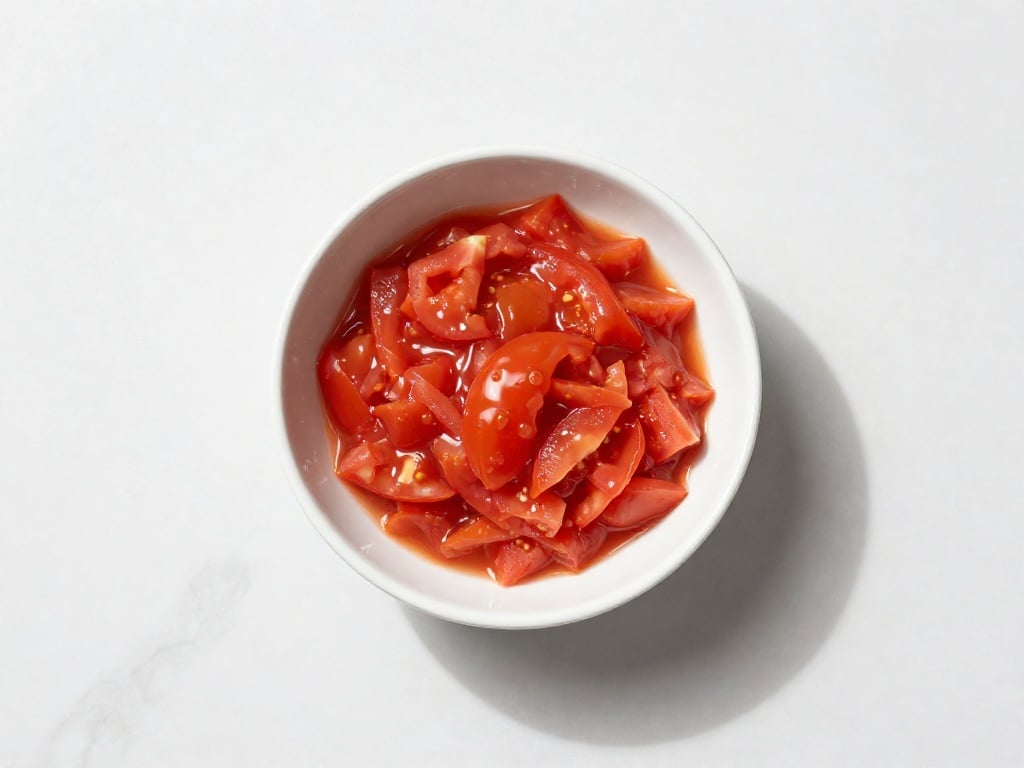
This substitute combines plain tomato juice with a small amount of clam stock or fish sauce to recreate the briny, savory depth that defines clamato.
Use it at a 1:1 ratio to replace clamato in most recipes, then adjust salt after tasting since both clam stock and fish sauce carry significant sodium.
For every cup of clamato you need, use roughly ⅞ cup of tomato juice plus 1 to 2 tablespoons of clam stock, or 3 to 4 drops of fish sauce in place of the stock if that is what you have. Clam stock keeps the seafood note clean and subtle.
Fish sauce is more concentrated and earthy, so less is more.
This blend works especially well in hearty bean-based soups and stews where the tomato base needs to carry both acidity and umami without overwhelming other ingredients.
The tomato holds moisture well in baked casseroles, and the umami addition fills the gap left by clamato's clam component.
The tradeoff is that plain tomato juice is slightly sweeter than clamato, which is formulated to taste savory-first. If your dish is salt-sensitive, add the umami component in stages and taste as you go rather than adding it all at once.
- Clam stock option: Adds genuine seafood flavor without the intensity of fish sauce. Best for soups and braised dishes where liquid volume matters.
- Fish sauce option: More accessible and shelf-stable. Use sparingly; 3-4 drops per cup is enough to add depth without tasting "fishy."
- Anchovy paste option: A small dab dissolved into warm tomato juice gives a rounder, less sharp umami note. Useful in baked pasta sauces.
- Salt adjustment: Taste before adding any extra salt. Clam stock and fish sauce are both high in sodium, and clamato itself is already salted.
The tomato-umami blend excels in baked dishes and savory sauces where tomato presence is the backbone. It is the closest match to clamato's original flavor profile.
2. Tomato Juice + Worcestershire (Best for Sauces and Casseroles)
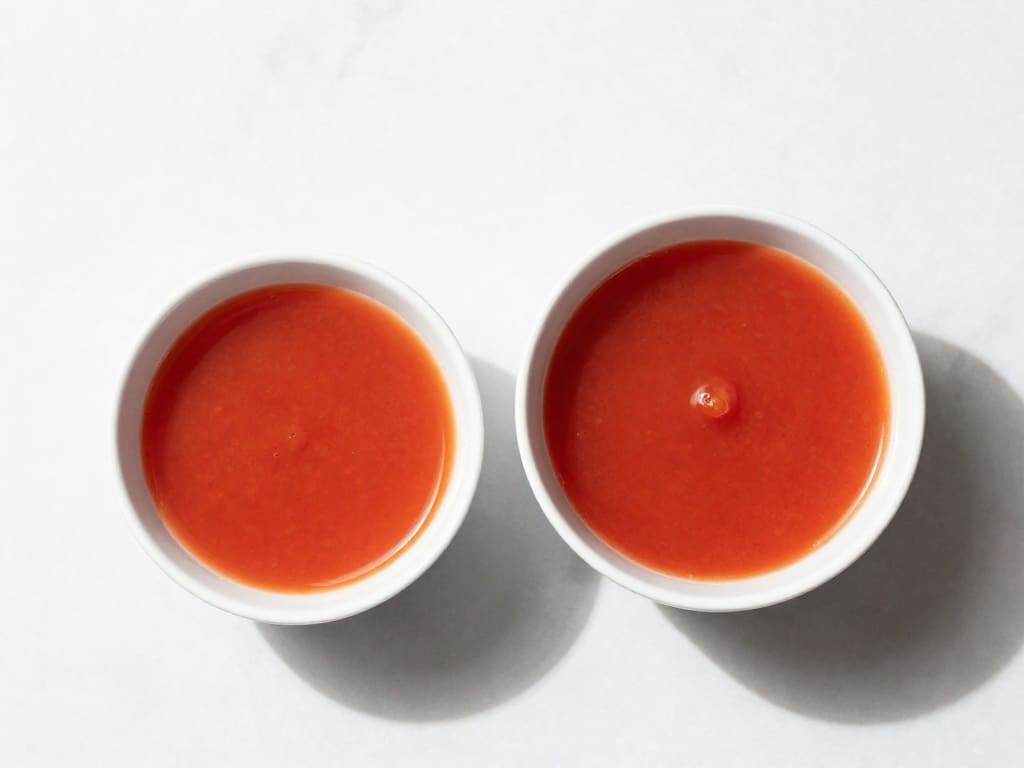
This substitute skips any seafood ingredient entirely and builds umami through Worcestershire sauce instead. The ratio is 1 part tomato juice to 1 part water, plus ½ teaspoon of Worcestershire per cup of the final mixture.
That dilution keeps it from being too thick or too intensely tomato-forward, which matters in sauces and casseroles where balance is everything.
Worcestershire brings fermented depth, a hint of tamarind sweetness, and a mild vinegar tang that partially compensates for clamato's acidity. It does not replicate seafood flavor, so if your dish depends on that briny note, this substitute will taste noticeably different.
In gravies, slow-cooked sauces, and baked casseroles, however, the difference is much less obvious because other ingredients carry the dish.
This option is particularly useful when you are cooking for guests who avoid shellfish or fish products.
Many commercially available vegetable-forward side dishes pair well with a sauce built on this substitute because neither the sauce nor the sides carry seafood notes, keeping the meal coherent.
Adjust acidity after mixing. Worcestershire is tangy, not sour.
If your original recipe uses clamato partly for its tomato acidity, add a small squeeze of fresh lemon juice (about 1 teaspoon per cup) to sharpen the flavor. This matters most in lighter sauces where acidity is visible rather than buried by other spices.
- Worcestershire brand matters: Lea & Perrins is the most common and has a clean, balanced flavor. Generic versions can taste flatter or more vinegary.
- Fish-free Worcestershire: Available at most health food stores. Made with soy or tamarind instead of anchovies. Swap in the same amount.
- Tomato concentrate shortcut: If you only have tomato paste, dilute 1 tablespoon into 1 cup of water, then add Worcestershire. The flavor is richer and slightly less acidic.
- Casserole tip: Add this substitute during the mixing stage, not after baking. It absorbs better and distributes more evenly through the dish.
Maintain acidity with a splash of lemon juice if your dish needs brightness. Worcestershire alone does not fully replace clamato's tomato-acid sharpness.
3. Vegetable Juice Blend (Best for Baking and Non-Alcoholic Mixes)
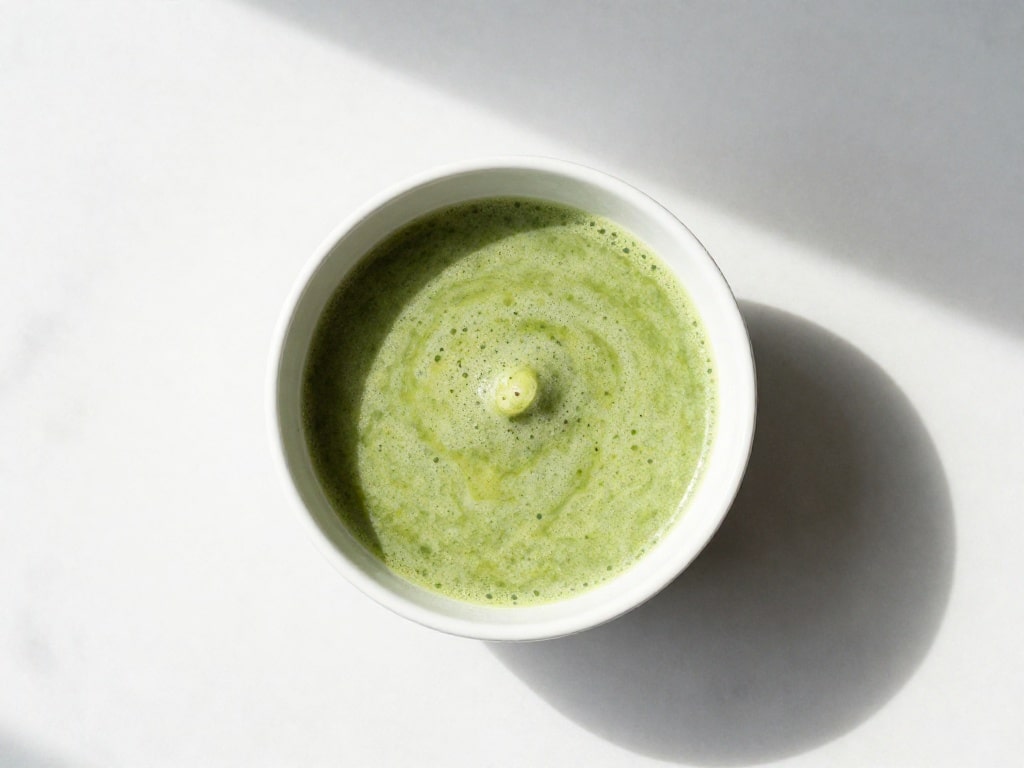
V8 and similar multi-vegetable juices are the most accessible substitute and work at a 1:1 ratio with clamato volume. Add a pinch of salt and a small dash of acid (lemon or lime juice) to push it closer to clamato's savory-tangy profile.
On its own, V8 tastes more vegetable-forward and less briny, so those two additions do meaningful work.
This is the best choice for kid-friendly meals, non-alcoholic mixed drinks, and any situation where you need a fish-free and shellfish-free result.
It also holds up well in baking because vegetable juice has a stable water content that does not separate or turn grainy under heat the way some thinned-out concentrates can.
For non-alcoholic cocktails, combine pantry-stable ingredient swaps strategically; using V8 with a squeeze of lime, a pinch of celery salt, and a few drops of hot sauce gets you close to a non-alcoholic Caesar without any seafood component.
The result tastes bright and vegetable-forward rather than briny, which suits the format.
The tradeoff is flavor drift. V8 contains carrot, celery, beet, and other vegetables alongside tomato, so the overall flavor profile is broader and less focused than clamato.
In a lightly seasoned soup or a delicate sauce, that drift will be noticeable. In a spiced or robust dish, it disappears quickly.
- Salt pinch matters: Add ¼ teaspoon of salt per cup of V8 to approximate clamato's baseline saltiness. Taste before adding more.
- Acid balance: One teaspoon of fresh lemon or lime juice per cup sharpens the profile and mimics clamato's tomato acidity without muddying the flavor.
- Spicy dishes: V8 works well in spiced recipes because the vegetable base does not compete with chili, cumin, or paprika. Add cayenne or hot sauce if the original recipe used spiced clamato.
- Low-sodium option: V8 low-sodium is available and useful when clamato's salt level was already pushing a dish's sodium ceiling.
Vegetable juice is the most flexible option for baking and family-friendly dishes. It requires the least specialty shopping and adapts well to both spiced and mild recipes.
Flexibility in Substitution
Choosing the right substitute is mostly about matching the dish's dominant need. Savory depth in a seafood stew calls for a different substitute than mild acidity in a baked casserole or brightness in a non-alcoholic drink.
A quick check of three factors handles most decisions: dish type, dietary restrictions, and how much the seafood note actually matters to the finished result.
If your recipe relies on a seafood note (a fish stew, a shellfish bake, a clam chowder variation), the tomato-umami blend with clam stock or a careful use of fish sauce is the only substitute that gets close. For everything else, the Worcestershire or vegetable juice option will do the job cleanly.
Recipes like bold-flavored meat dishes that use clamato as a braising liquid fall into the Worcestershire substitute category naturally, because the meat's own flavor dominates.
Flavor drift is the main risk when substituting. The further you get from the original ingredient, the more you need to compensate through seasoning.
Taste at every stage rather than adding all your seasoning at the start.
Choose by dish goal: depth (Tomato-Umami Blend), balance (Worcestershire mix), or accessibility (Vegetable Juice Blend). Adjust salt and acid after mixing, not before.
Deciding Guide: Which Substitute to Pick and Why
Most substitution decisions come down to two variables: the target flavor note and the dish format. Tomato-forward dishes with mild seasoning benefit from the umami blend.
Sauces and casseroles with complex spicing handle the Worcestershire mix well. Baked goods, non-alcoholic drinks, and family meals almost always work with vegetable juice.
Dietary restrictions are the other key filter. Fish sauce, clam stock, and Worcestershire (unless fish-free) all contain seafood or animal-derived ingredients.
If you need a fully plant-based result, ingredient swapping for dietary goals in savory contexts usually means reaching for V8 and adjusting salt and acid manually.
In baking specifically, the tomato-umami blend tends to hold moisture and savory notes well through heat. The vegetable juice blend is the second-best option for baked applications.
The Worcestershire mix is best kept for stovetop and oven sauces rather than baked batters or doughs where the diluted water content can affect texture.
- Need seafood depth: Use tomato-umami blend with clam stock or fish sauce at 1:1.
- Fish-free and bold: Use tomato juice with Worcestershire at 1:1, add lemon.
- Plant-based or mild: Use V8 at 1:1, add salt pinch and lemon or lime.
- Non-alcoholic cocktails: Use V8 with celery salt, lime, and hot sauce.




