
Cream sherry has a flavor that's genuinely hard to pin down until it's missing. It's sweet but not cloying, nutty in a way that oak-aged wine gets, and it carries a gentle body that holds up in sauces without turning thin or sharp.
Understanding what makes it distinct helps you choose a replacement that doesn't just add liquid, but actually fills in the same flavor role.
The right cream sherry substitute isn't just the nearest bottle of fortified wine. Each option below matches a different piece of what cream sherry does: its sweetness, its weight, or its nuttiness.
Dry sherry + sugar is the closest swap for most cooked dishes. Oloroso sherry adds body and nuttiness. Marsala works well in braises. Ruby port (diluted) handles rich sauces. Apple cider + vinegar is the best non-wine backup.
5 Best Cream Sherry Substitutes Ranked by Flavor Match
Each option below is chosen by how well it replicates cream sherry's sweetness, nutty fortified depth, and body in real cooking situations.
| # | Substitute | Best For | Ratio | Key Note |
|---|---|---|---|---|
| 1 | Dry Sherry + Sugar | Both | 1:1 | Add sugar gradually, taste |
| 2 | Oloroso Sherry | Both | 1:1 | Nuttier, may need sweetness |
| 3 | Marsala (dry) | Both | 1:1 | Pinch sugar if too sharp |
| 4 | Ruby Port (diluted) | Sauces | ¾:1 | Dilute to cut fruit weight |
| 5 | Apple Cider + Vinegar | Glazes | ¾:1 | Vinegar prevents flatness |
1. Dry Sherry + Sugar
Dry sherry is the same base wine, just without the sweetness that defines the cream style. Adding sugar is the one correction that brings it close enough to fool most sauces.
Start with 1 teaspoon of sugar per ¼ cup of dry sherry, then simmer and taste before adding more. Small increments matter because the sweetness concentrates as the liquid reduces.
Dry Sherry + Sugar
Works for: pan sauces, cream sauces, braises, and any dish where sherry flavor is central
Skip if: your recipe wants a lighter, less-fortified taste-use diluted port or Marsala instead
- Ratio: Use 1:1 with cream sherry called for in the recipe
- Sweetness start: Add 1 teaspoon sugar per ¼ cup, then taste after a 2-minute simmer
- Best use: Any sauce or braise where sherry is a named flavor, not background liquid
- Choosing sherry: If you're picking between dry sherry options, a fino or manzanilla works cleanly here
2. Oloroso Sherry
Oloroso is technically a sherry, but it skips the lighter floral notes and goes straight for deep nuttiness. It is darker than cream sherry and drier, so it often needs a sweetness nudge.
Use it at a 1:1 ratio. After a brief simmer, if the sauce tastes slightly sharp or too bitter, stir in a small pinch of sugar and simmer for one more minute.
- Sauces: Works well in mushroom or onion-based pan sauces where a darker note fits
- Braises: Excellent for beef or pork braises; the nuttiness deepens with long cooking
- Baking: Use only in recipes that call for sherry as a background note, not as a primary flavor
- Sweetness fix: Add sugar ½ teaspoon at a time, tasting after each addition
Skip if: the dish is a light cream sauce meant to stay pale and mildly flavored.
3. Marsala (Dry or Medium-Dry)
Marsala is a fortified wine with similar body to cream sherry, and it's a natural stand-in for braises and pan sauces. It tastes slightly caramel-forward, which actually works in its favor for savory dishes.
If your Marsala is on the drier side, add a small pinch of sugar before the final simmer rather than after. That gives the sweetness time to meld rather than sitting on top of the sauce.
When swapping out Marsala entirely isn't an option, this is also where a medium-dry bottle earns its keep.
- Ratio: 1:1 with cream sherry
- Best for: Chicken pan sauces, mushroom dishes, and slow braises
- Sugar timing: Add before simmering so it integrates into the sauce
- Avoid: Very delicate or pale sauces where the caramel note would read as out of place
Skip if: the recipe needs a mildly sweet, light finish rather than the caramel-nut depth Marsala brings.
4. Ruby Port (Diluted)
Port is sweeter and more fruit-forward than cream sherry. Straight port in a savory sauce can tip the balance toward dessert.
Diluting it pulls the intensity back to a workable level.
Use 3 parts ruby port to 1 part water, then use that blend at a ¾:1 ratio versus the cream sherry called for. If the sauce still tastes jammy after simmering, add a few drops more water and stir before reducing further.
For a broader look at port wine swaps in savory cooking, those options follow a similar dilution logic.
Ruby Port (Diluted)
Works for: rich braises, beef or lamb sauces, and any recipe that tolerates dark fruit notes
Skip if: your dish depends on a light, nutty sherry finish-the dark berry flavor won't mimic that
- Dilution ratio: 3 parts port + 1 part water, then use at ¾ cup per 1 cup cream sherry
- Taste check: Simmer 2-3 minutes, then assess; add a drop of water if still too sweet
- Best recipes: Braised short ribs, beef stew, lamb shoulder
- Avoid: Cream sauces, pale poultry dishes, and any recipe where you need a nutty note
5. Apple Cider + Vinegar Splash
When there's no fortified wine in the house, apple cider or unsweetened apple juice fills in the sweetness and a faint cooked-fruit note that cream sherry also carries. On its own, though, it reads flat.
A small vinegar splash fixes that.
Add 1 teaspoon of apple cider vinegar per ¾ cup of apple juice or cider. That ratio gives just enough acidity to prevent the sauce or glaze from tasting one-dimensional without making it sour.
- Ratio: ¾ cup apple cider + 1 teaspoon apple cider vinegar per 1 cup cream sherry
- Glazes: Ideal for pork or chicken glazes where a fruit-sweet note is welcome
- Braises: Works in shorter braises where the liquid volume matters more than wine depth
- Avoid using in: Any recipe where the nutty fortified note of sherry is the central flavor point
Skip if: the dish needs sherry's nuttiness or a fortified wine aroma-use sweetened Marsala or dry sherry instead.
Making Cream Sherry Substitutes Taste Right
The substitutes above all work, but each one needs a small adjustment to land correctly in a finished dish. The key habit is tasting during the simmer, not after plating.
Sweetness, body, and sharpness all shift as the liquid reduces, so a sauce that tastes slightly off at five minutes may correct itself by ten.
- Match by sweetness first: Choose a substitute that is close in sweetness to cream sherry, then adjust nuttiness with a longer reduction or a drop of Worcestershire if the dish is savory
- Simmer checkpoint: Taste 2-3 minutes into the simmer; add sugar in ½ teaspoon increments if it's sharp, or a few drops of vinegar or lemon if it's too sweet or flat
- Dish-specific adjustments: Sauces need the sweetness correction up front; braises can handle a late correction since long cooking blends flavors; baked dishes need everything dialed in before it goes into the oven
Frequently Asked Questions
You can, but the dish will taste noticeably drier and less rounded. Cream sherry's sweetness is part of its flavor role, so skipping the sugar usually shows in the finished sauce.
Dry sherry plus a small amount of sugar is the closest match. It keeps the sherry flavor intact and lets you control sweetness precisely.
It works in baked dishes that tolerate caramel or almond-like notes. It's less ideal for delicate cakes or custards where the flavor would read too strong.
Too sweet: add a few drops of lemon juice or apple cider vinegar and simmer briefly. Too sharp: stir in sugar in ½ teaspoon increments until balanced.
Apple cider or apple juice with a small splash of cider vinegar is the most practical non-alcohol option. Use ¾ cup per cup of cream sherry called for.
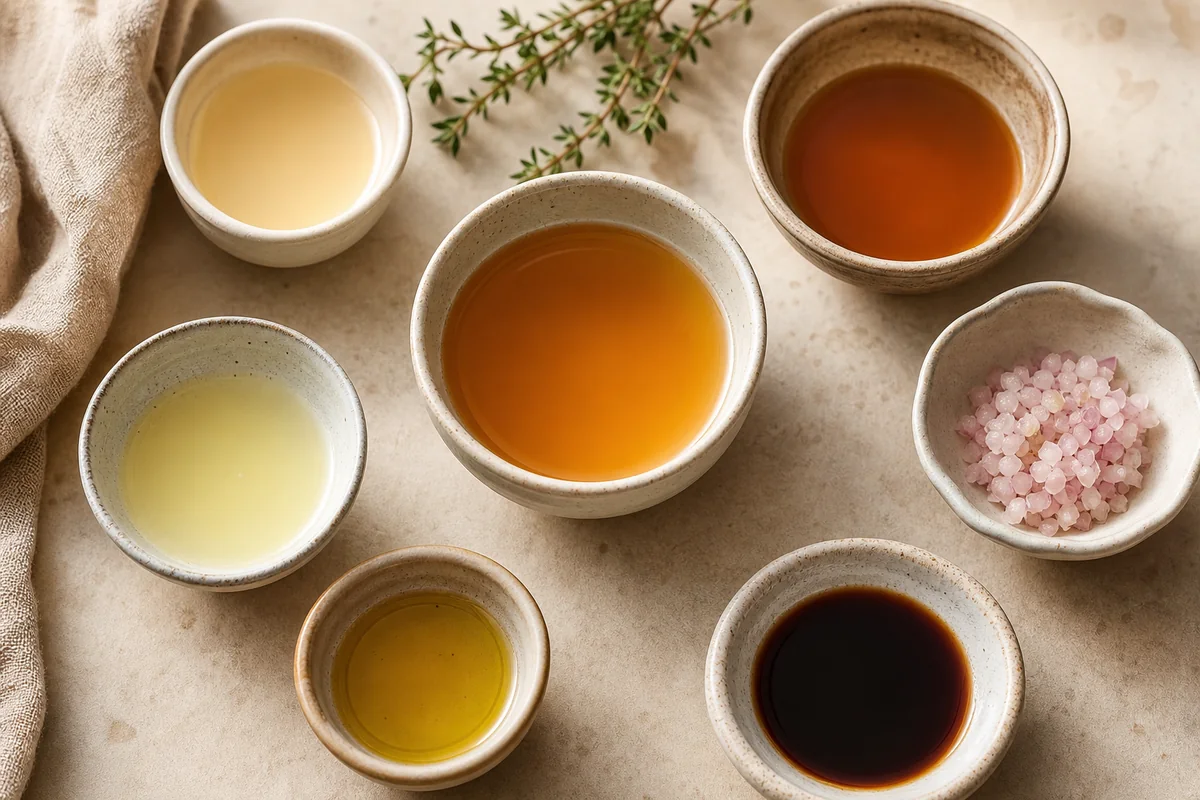
5 Best Cream Sherry Substitutes That Taste Right
Ingredients
Equipment
Method
- Identify your recipe use: pan sauce, braise, baking, or glaze—cream sherry is often used for sweetness + fortified depth.
- Choose the closest substitute from the list by flavor: nuttiness + light sweetness first, then acidity support.
- Use the stated ratio. If your substitute is less sweet (dry sherry), add sweetness gradually; if it’s sweeter (port), dilute slightly.
- Simmer (sauce/braise) or bake briefly (if applicable) for 1–3 minutes so the flavors meld and you can correct seasoning.
- Taste and adjust: add a pinch of sugar for lift, or a few drops of vinegar/lemon if it tastes too heavy or one-note.
Notes
- If your recipe has butter/cream, slightly less-sweet substitutes usually work better.
- For dry substitutes, corrections after simmering are faster and more accurate than guessing up front.
Tried this recipe?
Let us know how it was!
Carrie is a food writer and editor with more than 15 years of experience. She has worked for some of the biggest names in the food industry, including Bon Appétit, Food & Wine, and Martha Stewart Living.
As the Editor in Chief of EpicureDelight, Carrie oversees all of the content on the site. She also manages the team of contributing writers and editors, who help to create delicious recipes, helpful tips, and informative articles that you’ll find on the site.
A native of the Chicago area, Carrie is passionate about all things food. She loves trying new restaurants and experimenting with new recipes in her kitchen. She’s also a graduate of the Culinary Institute of America, so she knows a thing or two about food!



