
That sweet, nutty depth marsala brings to chicken and tiramisu? It's harder to fake than you'd think.
Most wines are either too sharp or too thin, and plain grape juice gets nowhere close. The good news is that a few bottles already in your pantry can do real work here, once you know which one fits your dish.
The best marsala wine substitute depends on two things: sweetness level and whether your recipe reduces the wine into a sauce. Fortified options like sherry and Madeira hold up in heat and concentration.
Lighter swaps work fine in baking, where reduction isn't the point.
This guide covers 5 reliable replacements, ranked by how closely they match this fortified wine's character in both savory and sweet recipes.
Sweet sherry is the closest marsala wine substitute for most recipes. Dry sherry works when you need savory depth without sweetness. Madeira brings nutty, fortified body. Port adds richness but needs careful measuring. Apple juice + cider vinegar is a reliable non-alcoholic backup for baking.
Marsala Wine Substitutes (Best Picks)
Not every swap fits every dish. The table below sorts these five options by sweetness level and best cooking role, so you can choose fast.
If your recipe reduces the wine into a glaze or pan sauce, stick to the fortified options at the top. For baking, anything in the table can work.
Before you open a new bottle, it's also worth knowing how storing opened marsala affects its cooking flavor, since a stale bottle may already be the problem.
| # | Substitute | Best For | Ratio | Key Note |
|---|---|---|---|---|
| 1 | Sweet Sherry | Both | 1:1 | Closest caramel warmth |
| 2 | Dry Sherry | Savory | 1:1 | Less sweet, clean finish |
| 3 | Madeira Wine | Both | 1:1 | Nutty, fortified body |
| 4 | Port Wine | Sweet | ¾:1 | Richer, use less |
| 5 | Apple Juice + ACV | Baking | 1:1 | Non-alcoholic backup |
5 Best Marsala Wine Swaps, Ranked by Flavor Match
1. Sweet Sherry
Sweet sherry is the first bottle we'd reach for. Both marsala and sweet sherry are fortified, and both lean toward caramel and raisin warmth, so swapping one for the other is nearly seamless in pan sauces and braises.
Use it at a 1:1 ratio and watch the reduction closely. Sweetness concentrates fast, so taste the sauce about 2 minutes before you'd normally pull it.
- Chicken marsala: Drop in at the same stage, same amount. No adjustment needed in most cases.
- Glazes and pan sauces: Reduce by about 1 tablespoon less than you normally would and taste before finishing.
- Baking: Use 1:1 with no other changes; the caramel notes bake in cleanly.
Skip if: your sauce is meant to stay savory and dry, like a browned mushroom pan sauce with no sweet finish.
2. Dry Sherry
Dry sherry handles savory marsala recipes well. It's fortified like marsala, so sauces behave the same way during reduction, but the flavor is leaner and less sweet.
It may need a slightly longer simmer, around 2 extra minutes, to match the body marsala leaves behind. For sherry-based swaps in savory cooking, this is generally the more useful bottle to keep open.
- Chicken or veal dishes: Works 1:1; the lighter sweetness lets the meat and herbs lead.
- Mushroom sauces: Simmer 2 minutes longer than the recipe calls for to develop body.
- Pasta with cream: Solid choice; the wine won't push the sauce toward dessert territory.
Skip if: your recipe specifically calls for sweet marsala, like a dessert sauce or a tiramisu base. Dry sherry will fall flat there.
3. Madeira Wine
Madeira is the substitute that feels closest to marsala in character. It's fortified, often slightly nutty, and holds up to heat without losing its backbone.
If you're making a sauce that reduces for a few minutes, Madeira is your most confident swap.
This toasted, amber wine ranges from dry to medium-sweet, so pick a medium or medium-dry label to stay closest to classic marsala range.
Madeira vs. Marsala
Works for: pan sauces, glazes, braises, baking recipes that call for nutty fortified wine depth
Skip if: your recipe needs a very light, neutral wine base-Madeira's toasted notes may dominate delicate batters
Use it 1:1. If you want a slightly richer finish in a sauce, reduce it for an extra 90 seconds beyond what the recipe says.
- Chicken or turkey braises: Excellent. The nutty notes round out the braising liquid.
- Mushroom cream sauce: Adds more complexity than sherry in most cases.
- Storage note: Once open, keeping Madeira properly sealed extends its usefulness well beyond a few days.
4. Port Wine
Port is fortified and sweet, which makes it tempting as a marsala stand-in. But it's noticeably more fruit-forward than marsala, and in savory dishes that sweetness can tip the balance quickly.
We recommend using ¾ of the amount called for, especially in reduction sauces. Port concentrates fast, and a full-measure swap often leaves the dish tasting closer to a dessert than a dinner.
Port works best in richer, sweeter applications: red wine reductions, chocolate-based baking, or braised meats with fruit accompaniments. If you're considering it for a broader range of dishes, it helps to understand where choosing port alternatives makes more sense than using port itself.
Skip if: your dish needs an earthy, not-fruity finish. Port won't deliver that, and there's no easy fix once the sauce is sweet.
5. Apple Juice + Apple Cider Vinegar
This is the emergency swap for when wine isn't an option. Combine ¾ cup apple juice with 1 tablespoon apple cider vinegar to approximate 1 cup of marsala.
The juice gives fruit-sweet depth, and the vinegar adds the tang that a fortified wine base normally provides.
For baking, this blend works well at the same stage you'd add marsala. In sauces, you'll need to compare fortified flavors to understand what you're missing, mainly body and alcohol-driven concentration.
- Baking (cakes, tiramisu base): Add the blend as-is, same volume, same stage.
- Light pan sauces: Reduce 3-4 minutes longer to develop some body. Taste before finishing.
- Flavor check: If the sauce tastes too sharp, add ½ teaspoon sugar. If it tastes flat, add ½ teaspoon more vinegar.
Skip if: your recipe is a true wine reduction. Without alcohol, the sauce won't behave the same way and no amount of extra simmering will replicate that concentrated fortified finish.
Making Marsala Substitutes Work
Getting the swap right is mostly about tasting as you go. Start at a 1:1 ratio for sherry or Madeira, and at ¾:1 for port.
These fortified wines behave similarly to marsala in heat, but sweetness levels vary enough that a quick mid-cook taste can save the dish. For the apple juice blend in baking, add it at the same point in the recipe that marsala would go in, and rely on taste rather than smell to judge balance.
- Too sweet: Add a small pinch of salt first. If still too sweet, add ½ teaspoon lemon juice or white wine vinegar and stir well before tasting again.
- Too thin or flat: Simmer the sauce for 2-3 extra minutes uncovered. Fortified substitutes need a bit more heat time to match marsala's concentrated body.
- Baking adjustments: Taste the batter or filling before it bakes. Vinegar-based blends can tip tangy fast, so add the swap in two halves and taste between additions.
Frequently Asked Questions
Sweet sherry is slightly closer in sweetness, but Madeira matches the nutty, fortified depth better. Either works at 1:1; pick sweet sherry for caramel-leaning sauces and Madeira for savory reductions.
You can, but the result will be noticeably less sweet. Add 1-2 teaspoon of sugar per cup of dry sherry to compensate when the recipe relies on marsala's sweetness.
Add a pinch of salt first, then a few drops of lemon juice or white wine vinegar. Taste after each addition and stop once the balance feels right.
Not ideally. Port is sweeter and more fruit-forward, so use ¾ of the amount called for and reduce carefully to avoid an overly sweet sauce.
Combine ¾ cup apple juice with 1 tablespoon apple cider vinegar per cup of marsala. It won't replicate the alcohol body, but the flavor balance is close enough for most baked recipes.
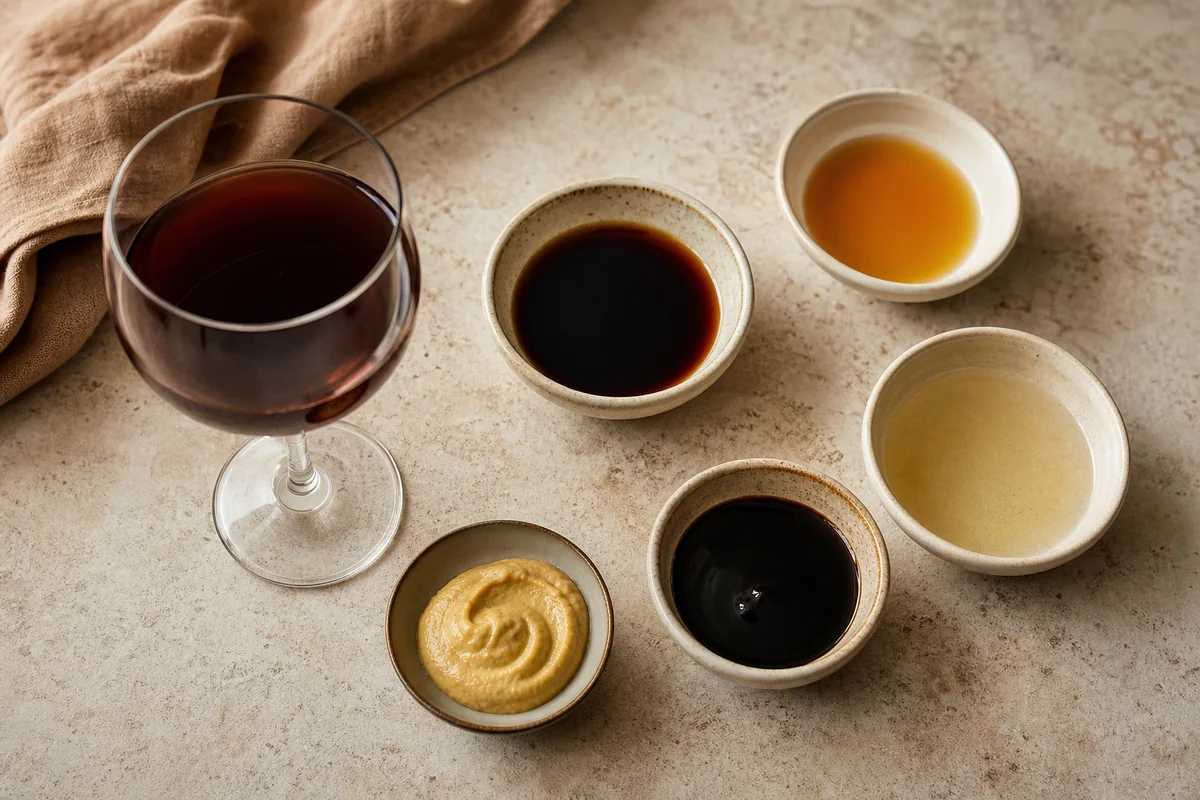
5 Best Marsala Wine Substitutes You Can Trust
Ingredients
Equipment
Method
- Check whether your recipe needs marsala for sweet depth (desserts/sauces) or savory complexity (scallop/chicken dishes).
- Start with the closest match from the list using the listed ratio (typically 1:1, or ¾:1 for sweeter, richer options).
- Simmer or bake as your recipe directs; if the swap tastes too sweet, add a tiny pinch of salt or a few drops of vinegar/lemon juice.
- If the swap tastes flat, increase intensity by reducing it 1–3 minutes longer (only for stovetop reductions).
- Taste at the end and adjust: add sugar sparingly for dryness, or more acid for muddiness.
Notes
- Marsala is fortified; most swaps should be fortified-style too for similar body.
- Use reduction to harmonize flavor in sauces.
Tried this recipe?
Let us know how it was!
Carrie is a food writer and editor with more than 15 years of experience. She has worked for some of the biggest names in the food industry, including Bon Appétit, Food & Wine, and Martha Stewart Living.
As the Editor in Chief of EpicureDelight, Carrie oversees all of the content on the site. She also manages the team of contributing writers and editors, who help to create delicious recipes, helpful tips, and informative articles that you’ll find on the site.
A native of the Chicago area, Carrie is passionate about all things food. She loves trying new restaurants and experimenting with new recipes in her kitchen. She’s also a graduate of the Culinary Institute of America, so she knows a thing or two about food!



