
That crisp crack when you press a Cuban sandwich is mostly the bread's job. Cuban bread has a thin, shattery crust and a soft, pull-apart crumb that compresses without turning gummy. Find a loaf that matches both, and your sandwich tastes right.
Miss on one, and the whole thing collapses.
The cuban bread substitute you pick should depend on what you need most. Pressed sandwiches need crust structure and a crumb that holds moisture without sogging out.
Baking applications care more about chew and density. The five swaps below cover both angles, ranked by how closely they mimic the original's texture.
Cuban bread has a thin crust and a chewy, tender crumb that holds up under pressing. For pressed sandwiches, French baguette or Italian bread loaf are the closest matches. Hoagie rolls and bolillo work well for individual portions. Sourdough boule adds tang. White loaf and ciabatta are emergency options that need extra prep.
5 Best Cuban Bread Substitutes Ranked by Texture
Each swap below is matched to a specific use case. The stale-quickly nature of Cuban bread means freshness matters for any substitute too.
Use the table to scan, then read the section for the prep details.
| # | Substitute | Best For | Ratio | Key Note |
|---|---|---|---|---|
| 1 | French Baguette | Both | 1:1 | Closest crust match |
| 2 | Italian Bread Loaf | Both | 1:1 | Slice thicker to stay moist |
| 3 | Hoagie/Sub Rolls | Sandwiches | 1:1 | Choose firm crust rolls |
| 4 | Bolillo | Both | 1:1 | Crackly crust, chewy crumb |
| 5 | Sourdough Boule | Both | 1:1 | Adds tang; use plain only |
1. French Baguette
French baguette is the closest single-loaf match for Cuban bread. It has the same thin, crackly crust and a chewy interior that compresses cleanly under a press without turning mushy.
The crumb is denser than ciabatta but still has enough air to soften with fillings. For crust and crumb comparisons, baguette consistently lands nearest to Cuban bread's texture profile.
- Slice length: Cut into 6-8 inch portions to match a standard Cuban sandwich size.
- Slice direction: Cut horizontally but leave a hinge; don't fully separate the halves.
- Before pressing: Toast cut sides in a dry skillet for 90 seconds to build crust on the interior.
- After pressing: Rest 3 minutes before cutting so the crumb firms up and doesn't pull apart messily.
Skip if: your baguette is an egg-enriched or very soft style. Those won't form the right crust under heat.
2. Italian Bread Loaf
Italian bread loaf is our top pick for pressed Cuban-style sandwiches. It balances a firm outer crust with an airy, tender interior that compresses and holds moisture without collapsing.
The flavor is neutral enough to not fight the ham and mustard. It's also easier to find pre-sliced at uniform thickness, which matters for even pressing.
- Slice thickness: Aim for ¾ inch; thinner and it dries, thicker and it won't press flat.
- Crust prep: Brush cut sides lightly with butter, then toast in a skillet before loading fillings.
- Pressing time: 3-4 minutes per side under medium weight keeps crust crisp without drying the crumb.
- Storage: If buying a day ahead, wrap in paper, not plastic, to preserve the crust.
Skip if: slices crumble when you apply light pressure before pressing.
3. Hoagie/Sub Rolls
Hoagie rolls are the most convenient swap because they come pre-portioned. No slicing a long loaf, no guessing at portion size.
The tradeoff is that many store-bought rolls are softer than Cuban bread, so they need extra crisping.
Firm-crust hoagie rolls
Works for: any pressed sandwich; holds structure well with fillings; crust survives grilling
Skip if: roll exterior is already very dark and brittle before pressing
Soft diner-style rolls
Works for: untoasted sandwiches where texture matters less; quick assembly
Skip if: you're pressing the sandwich; soft rolls turn gummy and flat under heat
- Roll selection: Look for rolls with a visible crust and a springy, not pillowy, interior.
- Pre-crisp step: Open the roll and press it flat in a dry pan for 2 minutes before adding fillings.
- Avoid: Pre-sauced or sweet rolls; they turn gummy when grilled and overpower the fillings.
4. Bolillo
Bolillo is a Mexican roll with a thin, crackly crust and a chewy interior that closely mirrors Cuban bread at the individual-portion scale. It's smaller than a baguette section, so it suits single-sandwich builds without trimming.
The bolillo vs. birote distinction matters here. Birote has a tougher crust and more sour flavor. For Cuban sandwich use, bolillo is the better pick.
- Crisping: Toast cut sides in a lightly oiled pan for 2 minutes before assembly.
- Keep covered: After toasting, tent with foil for 3 minutes so steam softens the interior while the crust stays intact.
- Pressing: Press firmly but briefly, 2 minutes per side, since the crust is already quite firm.
- Portion sizing: One bolillo equals roughly one 6-inch Cuban sandwich portion.
Skip if: your bolillo is stale and hard all the way through. It won't soften under the press and will taste dry.
5. Sourdough Boule
Sourdough boule gives you a chewy crumb and a structured crust that presses well. The main difference from Cuban bread is tang.
That tang works well with bold fillings like roast pork and pickles, but it can overpower milder sandwich builds.
The fermented, chewy character of sourdough is actually a natural match for pressed applications where you want the bread to hold its shape. Stick to plain sourdough with no added sweeteners or flavors.
| Use | Ratio | Notes |
|---|---|---|
| Pressed Cuban sandwich | 1:1 | Slice ¾ inch thick; toast cut sides first |
| Open-face sandwich | 1:1 | Broil cut sides 90 sec before topping |
| Baked loaf substitute | 1:1 | Use plain boule; add steam in oven for crust |
- Tang management: Use bold fillings like ham, roast pork, or sharp Swiss to match the sourness.
- Crust softness: If the crust is too hard, cover with a damp towel for 5 minutes before slicing.
- Slice thickness: Cut ¾ inch slices; thinner slices lose structure quickly under heat.
Skip if: your recipe needs a very neutral bread flavor. Sourdough's tang will dominate lighter fillings.
Making Cuban Bread Substitutes Work
The two variables that determine success are crust crispness and moisture management. A substitute with a strong crust can survive juicy fillings; a soft loaf needs toasting help before it even goes near the press.
For softer options like choosing ciabatta wisely, pre-toasting is the single step that separates a good result from a soggy one. Pick your bread, then apply these three steps before assembling.
- Toast the cut sides first: Regardless of which substitute you use, place cut sides down in a dry or lightly buttered skillet for 90 seconds before loading any filling.
- Don't over-sauce the interior: Limit wet condiments to a thin, even layer; too much mustard or mayo creates steam pockets that soften the crumb during pressing.
- Press with weight, not just heat: A heavy skillet on top of the sandwich for 2-3 minutes per side builds crust and sets the structure better than heat alone.
Frequently Asked Questions
French baguette is the closest match for pressed Cuban sandwiches. It has a thin, crackly crust and a chewy crumb that compresses without turning gummy under a hot press.
Yes, but only with day-old ciabatta that you pre-toast before assembly. Fresh ciabatta holds too much moisture and turns gummy under pressing heat.
Always toast the cut sides for 90 seconds in a dry skillet before adding fillings. This creates a moisture barrier that keeps the crumb from sogging out during pressing.
Use a plain sourdough boule or Italian bread loaf at a 1:1 ratio. Add steam in the oven during the first 10 minutes of baking to replicate Cuban bread's thin, crackly crust.
Avoid soft white sandwich bread and very fresh ciabatta. Both lack the crust structure needed for a pressed sandwich and require significant extra prep to get close.
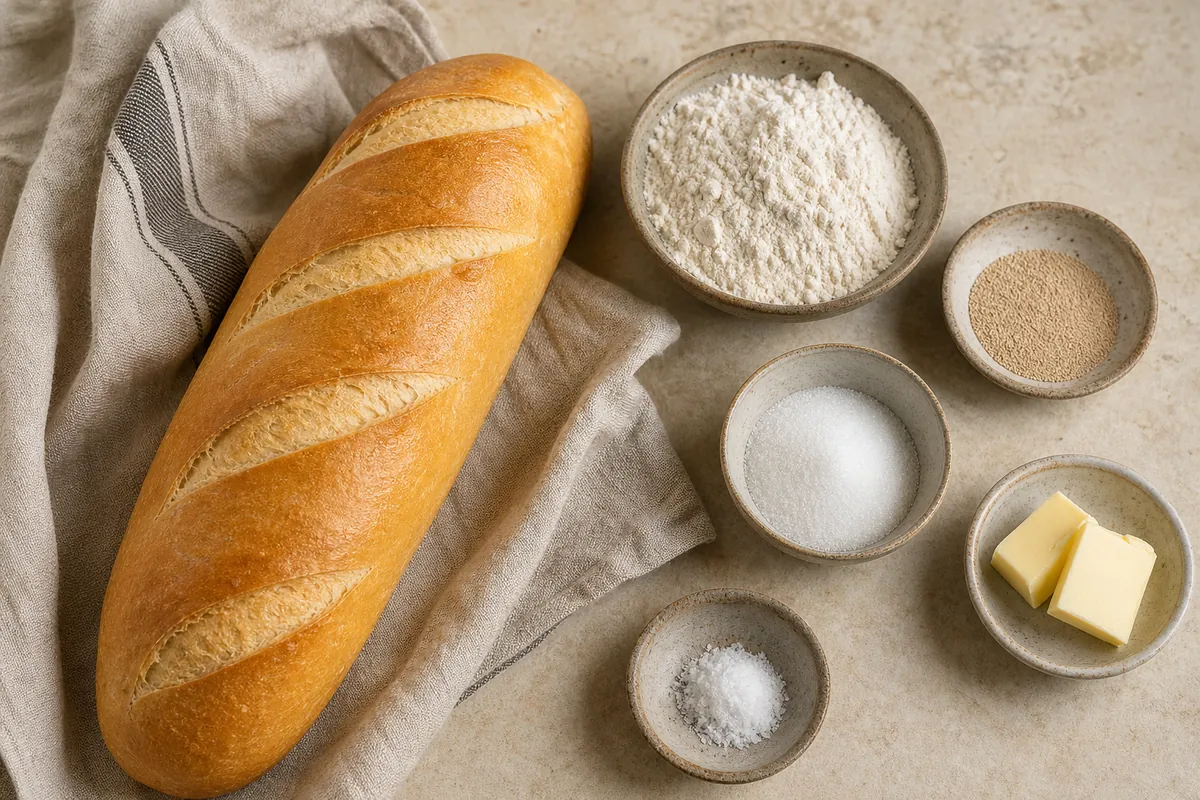
5 Best Cuban Bread Substitutes (Pantry Swaps)
Ingredients
Method
- Identify whether you need Cuban bread for a pressed sandwich or for baking (loaf/roll texture matters).
- Choose the substitute that matches your goal: crisp crust (baguette/Italian loaf/bolillo) or convenience (hoagie rolls).
- Slice in the same thickness as Cuban bread; for crusty swaps, toast cut sides briefly to prevent sogginess.
- For softer bread swaps, add crispness by pressing in a hot skillet for 1–2 minutes per side or using a quick broil.
- Let the assembled sandwich rest 2–3 minutes before biting so the crumb firms up and flavors redistribute.
Notes
- For best results, aim for: thin-to-medium crust, chewy crumb, and slices that stay tender after toasting.
Tried this recipe?
Let us know how it was!
Carrie is a food writer and editor with more than 15 years of experience. She has worked for some of the biggest names in the food industry, including Bon Appétit, Food & Wine, and Martha Stewart Living.
As the Editor in Chief of EpicureDelight, Carrie oversees all of the content on the site. She also manages the team of contributing writers and editors, who help to create delicious recipes, helpful tips, and informative articles that you’ll find on the site.
A native of the Chicago area, Carrie is passionate about all things food. She loves trying new restaurants and experimenting with new recipes in her kitchen. She’s also a graduate of the Culinary Institute of America, so she knows a thing or two about food!



