
That thick, earthy paste sitting in your fridge does a lot of quiet work. Doenjang brings fermented soybean depth, sharp saltiness, and a mild funk that builds the base of so many Korean dishes.
Finding a solid doenjang substitute is more about matching that fermented-savory profile than chasing an exact flavor twin. The closest swaps are other bean-based pastes, fermented or not, and you can usually dial them in with a small ratio adjustment.
Doenjang delivers fermented soybean depth, savory saltiness, and mild tang. The closest substitutes are ssamjang and yellow miso, both fermented soybean pastes. For emergencies, white miso with soy sauce or gochujang can fill the gap with small ratio tweaks.
5 Best Doenjang Substitutes Ranked by Flavor Closeness
These five options are ranked by how well they replicate doenjang's fermented soybean character. The table below gives you ratios and key notes at a glance, then each section digs into the details.
| # | Substitute | Best For | Ratio | Key Note |
|---|---|---|---|---|
| 1 | Ssamjang | Both | 1:1 | Adds heat and complexity |
| 2 | Yellow Miso | Both | 1:1 | Sweeter, still fermented |
| 3 | White Miso + Soy Sauce | Both | ¾:1 | Milder, needs salt boost |
| 4 | Gochujang | Both | ½-3/4:1 | Spicy, use less |
| 5 | Black Bean Paste | Both | ½-3/4:1 | Strong aroma, go slow |
1. Ssamjang
Ssamjang is a natural first call here because it is built on doenjang. The base is the same fermented soybean paste, blended with gochujang, sesame oil, and garlic.
When using ssamjang as a swap, you get the core savory depth you need, along with a layer of heat and a faint sesame note.
- Flavor: Earthy, salty, and mildly spicy-closer to doenjang than any other paste
- Ratio: Start at 1:1, then taste before adding more
- Heat level: Expect mild to moderate chili warmth from the gochujang component
- Best uses: Doenjang jjigae, dipping sauces, and marinades where a little heat is welcome
Skip if: the dish is a mild broth for kids or anyone who can't handle chili at all.
2. Yellow Miso
Yellow miso shares doenjang's fermented soybean DNA, which makes it the most versatile non-Korean swap on this list. Both pastes come from long-aged soybeans, so the umami backbone translates well into simmered dishes.
If you want lighter miso options, white miso is covered in the next section, but yellow is the stronger choice here.
- Flavor: Rounder and slightly sweeter than doenjang, with less sharp tang
- Ratio: 1:1 is a reliable starting point
- Cooking tip: Add it in the last 5-10 minutes of simmering to keep the flavor clean
- Best uses: Soups, stews, and braised vegetables where the tang matters less
Skip if: you need that specific funky Korean doenjang bite-yellow miso is smoother and less briny, so the result will taste more Japanese in style.
3. White Miso + Soy Sauce
White miso alone is too gentle for most doenjang applications. But when you pair it with soy sauce, the soy adds the salty-savory edge that white miso lacks on its own.
Start with ¾ the amount of white miso your recipe calls for, then stir in soy sauce a teaspoon at a time until the saltiness feels right. If you need more guidance on choosing a soy sauce swap, that matters when your pantry is running thin.
White Miso
Works for: delicate soups, light braises, any dish where you don't want a heavy fermented punch
Skip if: you want full doenjang saltiness-white miso alone won't get there
White Miso + Soy Sauce
Works for: stews, marinades, and dipping sauces where you need both body and salt
Skip if: your marinade is already heavy on soy sauce-adding more will oversalt quickly
- Ratio: Use ¾ white miso, then add soy sauce to taste (start with ½ teaspoon per tablespoon of paste)
- Too salty: Dilute with a splash of broth or water
- Too flat: Add a few drops of rice vinegar to mimic doenjang's mild tang
4. Gochujang
Gochujang is fermented and soybean-based, so it shares real common ground with doenjang. The difference is that gochujang leans on chili and carries a mild sweetness, while doenjang is purely savory and funky.
You can read more about what gochujang brings to dishes before deciding if the chili profile works for your recipe.
Gochujang as Doenjang Swap
Works for: hearty stews, braised meats, and spicy banchan where heat is expected
Skip if: you need zero chili or zero sweetness-gochujang delivers both
- Ratio: Start at ½ the amount called for, increase to ¾ only after tasting
- Cutting heat: Mix with a little sesame oil or extra broth to soften the spice
- Best uses: Bibimbap sauce, spicy stews, and robust marinades
5. Black Bean Paste
Fermented black bean paste comes from a similar process-aged beans, salt, and time-so it delivers real savory depth. The flavor profile reads slightly different, leaning more pungent and mineral than doenjang's soybean funk.
For context on fermented paste swaps, black bean paste fits best when you're cooking bold, high-heat dishes.
- Ratio: Begin at ½ the doenjang amount; increase to ¾ only if the dish tastes flat
- Best uses: Stir-fries, braises, and hearty sauces where bold fermented notes blend in
- Mitigating the difference: Add a pinch of sugar and a dash of soy sauce to round out the flavor
Skip if: you're making a subtle doenjang soup where the paste is the primary flavor-black bean paste will shift the dish noticeably toward a Chinese-style fermented profile.
Making Doenjang Substitutes Work
The timing and dilution matter as much as which paste you choose. Most fermented pastes get sharper under long heat, so stir them in during the last 5-10 minutes of cooking rather than at the start.
When you find the right swap for spicy paste dishes, apply the same late-addition rule there too.
- Balance salt first: Taste the dish before adding any extra soy sauce-most pastes already bring significant sodium
- Fix flat flavor: A few drops of rice vinegar or a pinch of sugar can restore the tangy-savory balance doenjang naturally has
- Fix too-thick texture: Thin the paste with a tablespoon of broth before stirring it in, especially for miso-based swaps
Frequently Asked Questions
Yellow miso is the best option for soups and stews. It shares fermented soybean depth and holds up well in simmered liquid without overpowering the broth.
Dilute with broth or water, one tablespoon at a time. You can also add a small diced potato to the soup and let it absorb excess salt while it simmers.
Yes, but use less-start at half the amount. Gochujang adds chili heat and mild sweetness that doenjang doesn't have, so it shifts the flavor noticeably.
Yes, yellow miso is slightly sweeter and less tangy. Add a few drops of rice vinegar and a pinch of salt to sharpen the flavor toward doenjang's profile.
Start with 1 tablespoon of ssamjang or yellow miso (1:1). For stronger pastes like gochujang or black bean paste, begin with ½ tablespoon and taste before adding more.
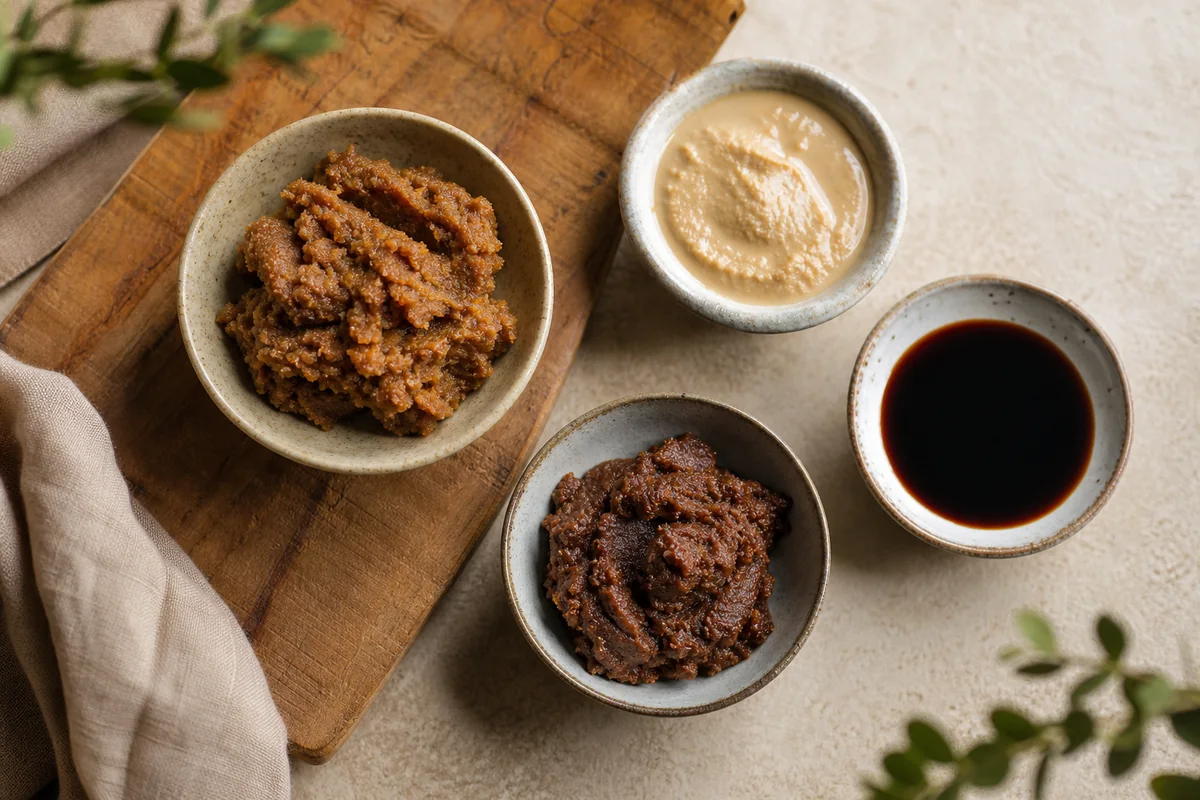
5 Best Doenjang Substitutes Worth Trying
Ingredients
Equipment
Method
- Choose your substitute: start with ssamjang or yellow miso for the closest fermented soybean flavor.
- Use the listed ratio (1:1 where given). If your dish needs more salt/umami, add a small splash of soy sauce.
- For soups and stews, stir the paste in near the end (last 5–10 minutes) to prevent harshness.
- Taste and balance: if it’s too salty, dilute with broth; if it’s too flat, add a pinch of sugar or a few drops of vinegar.
Notes
- Substitutes vary in saltiness; always taste after simmering 5–10 minutes.
- If using spicy pastes (like gochujang), reduce chili impact first, then adjust seasoning.
Tried this recipe?
Let us know how it was!
Carrie is a food writer and editor with more than 15 years of experience. She has worked for some of the biggest names in the food industry, including Bon Appétit, Food & Wine, and Martha Stewart Living.
As the Editor in Chief of EpicureDelight, Carrie oversees all of the content on the site. She also manages the team of contributing writers and editors, who help to create delicious recipes, helpful tips, and informative articles that you’ll find on the site.
A native of the Chicago area, Carrie is passionate about all things food. She loves trying new restaurants and experimenting with new recipes in her kitchen. She’s also a graduate of the Culinary Institute of America, so she knows a thing or two about food!



