
Fresno peppers bring a mild, fruity heat that sits somewhere between a bell pepper and a jalapeño. When your recipe calls for one and you don't have it, the right Fresno pepper substitute depends on two things: heat level and whether you need actual pepper pieces or just warmth.
Most swaps are already in your kitchen. The five options below cover fresh, roasted, and pantry-dried forms, so you can match your dish without a grocery run.
The best Fresno pepper substitute is a seeded jalapeño for quick recipes or a seeded Anaheim pepper when you want milder heat. Use roasted poblano for cooked sauces, banana pepper for gentle tang, or red pepper flakes when only heat matters.
5 Best Fresno Pepper Substitutes Ranked by Heat
| # | Substitute | Best For | Ratio | Key Note |
|---|---|---|---|---|
| 1 | Anaheim Pepper (seeded) | Both | 1:1 | Mild, green pepper flavor |
| 2 | Jalapeño (seeded) | Both | 1:1 | Brighter heat, seed to adjust |
| 3 | Poblano (roasted, diced) | Cooked | 1:1 | Smoky, earthy, softer bite |
| 4 | Banana Pepper (sliced) | Both | 1:1 | Mild tang, gentle heat |
| 5 | Red Pepper Flakes / Cayenne | Cooked | ¾:1 | Heat only, no pepper texture |
Skip this table if your recipe needs visible, crunchy pepper slices. In that case, go straight to Anaheim, jalapeño, or banana pepper below.
1. Anaheim Pepper
Anaheim is the smoothest drop-in for Fresno. It has a fresh green flavor and enough body to hold its shape when diced or sautéed.
If you're curious how mild green pepper notes behave in cooked dishes, seeded Anaheim lands very close to Fresno's comfort zone.
Seeding is the key step. Anaheim runs slightly milder than Fresno by default, so leaving some seeds in keeps the heat honest.
- Best use: Stir-fries, fajitas, and pepper-forward sauces where you want texture and moderate heat
- Prep tip: Remove the ribs and most seeds; leave a few seeds if your recipe expects a little kick
- Texture: Holds its shape well during cooking, similar to Fresno slices
- Flavor gap: Slightly less "hot bright" than Fresno; a small pinch of red pepper flakes can close the gap
Skip if: Your recipe wants Fresno's sharper heat punch. A seeded jalapeño is a better call in that case.
2. Jalapeño
Jalapeño is the easiest pantry-reach swap, and most cooks already have one. It brings a similar fresh, grassy bite with a notch more intensity than Fresno, which seeding corrects quickly.
For a broader look at jalapeño-style swaps, the heat range is wider than most people expect.
Use it wherever Fresno was going raw or cooked. The flavor is a touch greener and more assertive, but it blends seamlessly once other ingredients come into the pan.
- Seeding strategy: Remove all ribs and seeds for a Fresno-level finish; leave a thin strip of ribs if you want slightly more heat
- Works in: Salsas, stir-fries, cooked sauces, and fajita mixes
- Raw use: Dice fine; raw jalapeño seeds carry much more heat than raw Fresno, so seed thoroughly here
Skip if: Heat sensitivity is the concern. Banana pepper or Anaheim is a gentler choice.
3. Poblano
Roasted poblano is a different animal from Fresno, but it works well when your dish already has warmth and wants depth. This dark, thick-walled pepper turns mellow and slightly sweet after roasting, which pairs well in soups and slow-cooked sauces.
The preparation matters. Blistering the skin over a flame and then dicing the flesh gives you soft, meaty pepper pieces close in size to Fresno slices.
- Best for: Stuffed pepper dishes, slow-cooked chili, and pepper-forward soups
- Roast method: Char directly over flame or under the broiler, steam in a covered bowl for 10 minutes, then peel and dice
- Flavor note: Less bright heat than Fresno; more earthy, mellow, and slightly smoky
- Heat gap: Poblano is milder than Fresno, so adding a pinch of cayenne brings the warmth back up
Skip if: You need clean, crisp pepper flavor in a quick salsa or raw garnish. Choose jalapeño or Anaheim instead.
4. Banana Pepper
Banana pepper is the swap to reach for when your recipe uses Fresno for gentle warmth and pepper bulk, not spice. It's milder and a little tangy, which brightens cooked dishes rather than heating them.
Banana Pepper vs Fresno
Works for: sandwiches, warm grain bowls, sautéed toppings, and mild pepper sauces where a gentle tang is welcome
Skip if: your recipe expects Fresno's sharper forward heat; the tang can shift overall flavor in dishes built around heat balance
Cut banana pepper into chunky slices rather than thin strips. That gives each bite a better "pepper piece" mouthfeel similar to Fresno.
If you want other mild tang-forward options, several overlap well here.
- Ratio: 1:1 by volume; banana pepper is larger, so match by slice count, not weight
- Flavor boost: A very small pinch of cayenne alongside banana pepper brings the heat closer to Fresno level
- Texture: Holds shape in sandwiches and warm bowls; softens quickly in high-heat cooking
5. Smoked Jalapeño or Chipotle
When your dish is already heading somewhere smoky, a smoked jalapeño or a small amount of chipotle in adobo can carry the heat load Fresno would have handled. These are not the same flavor as Fresno, but they work in grilled dishes, braised meats, and hearty sauces where bright fruity pepper notes aren't the point anyway.
Start with less than you think you need. Chipotle in adobo especially is concentrated.
Use half a pepper, taste, then add more after 2-3 minutes of simmering. This swap brings smoky depth, not Fresno's fresh green heat, so the dish will read differently even if the warmth level matches.
Skip if: You need your substitute to stay fresh and clean in flavor. Anaheim or seeded jalapeño is the right call there.
Making Fresno Pepper Substitutes Work
Adjusting any swap comes down to seeding logic and timing. A decision between fresh pepper options is almost always about heat ceiling, and seeding is the fastest way to lower it without changing how the pepper performs in the pan.
For raw uses, stick to fresh pepper swaps; for cooked dishes, roasted and smoked options are more forgiving because heat and texture soften together.
- Seed control: Remove all ribs and seeds to land at or below Fresno heat; leave a small strip of ribs to nudge it upward
- Raw vs cooked: Raw applications need fresh pepper substitutes (Anaheim, jalapeño, banana); cooked applications tolerate roasted poblano and chipotle well
- Too mild: Add a pinch of red pepper flakes alongside your fresh pepper swap to recover heat without changing texture
Frequently Asked Questions
A seeded Anaheim pepper is the closest match for mild heat. It has a similar fresh green flavor and holds its shape when sliced or diced in cooked dishes.
Yes, but seed the jalapeño thoroughly first. Raw jalapeño seeds are noticeably hotter than Fresno, so removing them keeps the salsa at the right level.
Use chunky slices and add a very small pinch of cayenne alongside. The cayenne recovers the heat that banana pepper lacks without changing overall texture.
Use flakes when your recipe needs heat only, not pepper pieces. Pasta sauces, marinades, and chili are good examples where flakes distribute evenly.
Always seed your fresh pepper substitute first, then taste after cooking 2-3 minutes before adding more. You can add heat, but you cannot take it back out.
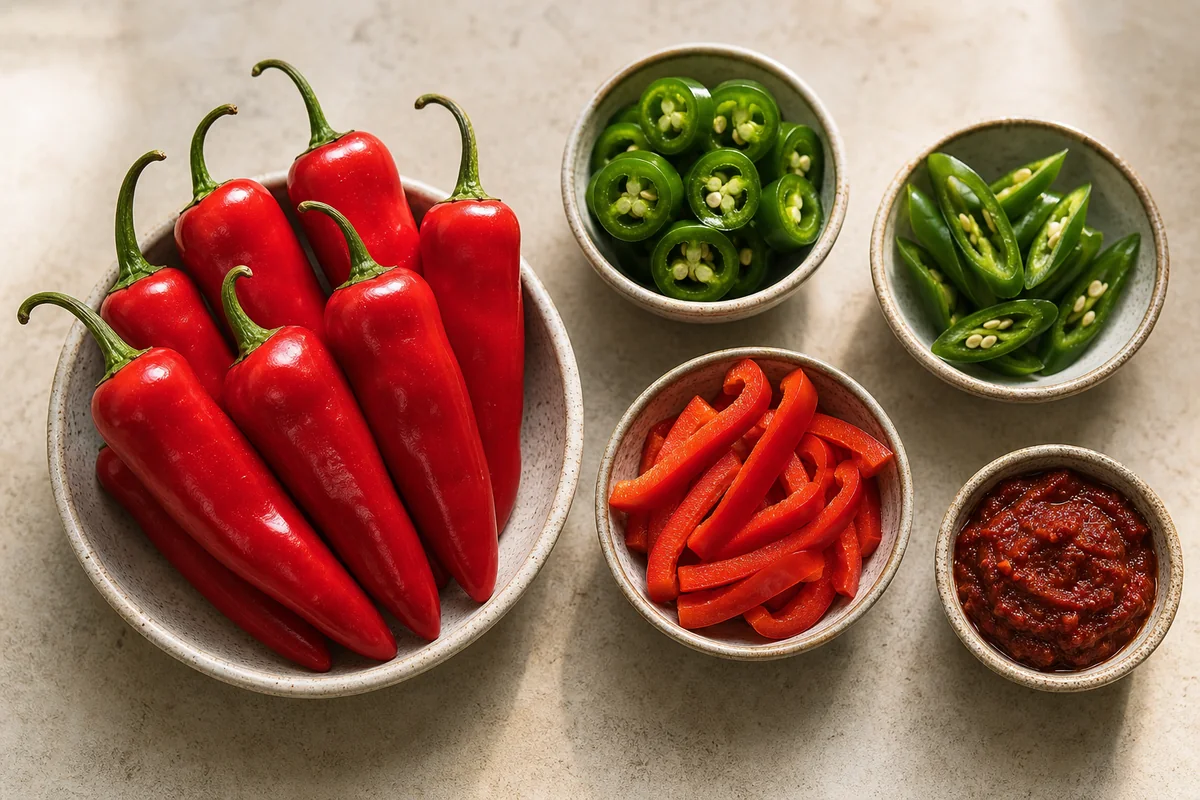
5 Best Fresno Pepper Substitutes (Pantry Swaps)
Ingredients
Equipment
Method
- Identify whether your dish needs Fresno for fresh pepper flavor (slices/dice) or mainly for heat.
- Start with the closest 1:1 fresh-pepper swap (Anaheim or jalapeño), then seed more if you’re sensitive to heat.
- If your recipe benefits from a softened, rounder profile, roast poblano first, then dice to mimic Fresno texture in cooked dishes.
- For banana pepper, keep slices chunky for better mouthfeel—Fresno is usually used as actual pepper pieces.
- For flakes/powder, add in small increments, then taste after cooking 2–3 minutes to avoid overspicing.
Notes
- Seed more for a closer Fresno heat level; leave seeds in only if your recipe can handle extra punch.
- When using flakes/powder, plan for taste adjustments—these don’t replicate Fresno’s pepper texture.
Tried this recipe?
Let us know how it was!
Carrie is a food writer and editor with more than 15 years of experience. She has worked for some of the biggest names in the food industry, including Bon Appétit, Food & Wine, and Martha Stewart Living.
As the Editor in Chief of EpicureDelight, Carrie oversees all of the content on the site. She also manages the team of contributing writers and editors, who help to create delicious recipes, helpful tips, and informative articles that you’ll find on the site.
A native of the Chicago area, Carrie is passionate about all things food. She loves trying new restaurants and experimenting with new recipes in her kitchen. She’s also a graduate of the Culinary Institute of America, so she knows a thing or two about food!



