
Garam masala has a flavor that's hard to fake: warm, toasted, slightly sweet-spicy, built on cinnamon, cardamom, cloves, and black pepper all working together. Most people reach for "an Indian spice" and hope for the best.
That rarely works.
The good news is that a solid garam masala substitute doesn't require a spice-shop run. You need something with the same toasted warmth and mild sweetness, not just heat or generic seasoning.
Garam masala brings warm, toasted aromatics with cinnamon, cardamom, and clove as its core notes. For savory cooking, curry powder is the closest 1:1 swap. For baking, pumpkin pie spice at a ¾ ratio works well. Smaller amounts of five-spice or ras el hanout fill in when those aren't available.
5 Garam Masala Substitutes Ranked by Flavor Match
Garam masala's toasted warm profile sits between a curry powder and a sweet baking spice. No single substitute nails every note, but each one below lands in the right zone for a specific cooking situation.
When you're deciding which way to go, think about whether your blend needs to be savory-only, sweet-warm, or complex with floral spice. If you're already weighing options like picking a similar blend or choosing a bolder swap, the table below gives you the ratios first.
| # | Substitute | Best For | Ratio | Key Note |
|---|---|---|---|---|
| 1 | Curry Powder | Both | 1:1 | Use mild, not extra-hot |
| 2 | Pumpkin Pie Spice | Baking | ¾:1 | Watch ginger intensity |
| 3 | Chinese Five-Spice | Savory | ½:1 | Anise-forward at full dose |
| 4 | Cinnamon + Cumin + Coriander | Both | 1:1 | Blend before adding |
| 5 | Ras el Hanout | Savory | ½:1 | Start low, taste early |
1. Curry Powder
Curry powder is the most reliable swap for garam masala in savory cooking. Both are blended spice mixes built on warm aromatics, and a good mild curry powder shares coriander, cumin, and sometimes cinnamon with garam masala's core.
- Best use: Finishing stews, curries, and roasted vegetables where you want warmth without excess sweetness
- Ratio: Use 1:1 as a starting point, then taste before adding more
- Cook-time tip: Bloom it in oil for 20 seconds before adding liquids to bring out its aromatic depth without losing it to steam
- Skip if: Your curry powder is labeled smoky or extra-hot-those notes will pull the dish away from garam masala's character
If you're also swapping out other spice blends in the same recipe, swapping Madras-style blends follows similar logic and is worth a quick read.
2. Pumpkin Pie Spice
Pumpkin pie spice sounds like a dessert move, but its cinnamon-clove-nutmeg base overlaps with garam masala more than most cooks expect. The warm cinnamon-forward character is close enough in baked goods and sweet-savory glazes that it works without calling attention to itself.
- Ratio: Start at ¾ of the amount called for, especially if the ginger in your brand is strong
- Baking use: Works well in spiced cookies, quick breads, and muffins where cinnamon-clove warmth fits the flavor base
- Sweetness note: It reads sweeter than garam masala, so reduce sugar in baking by 1 teaspoon per tablespoon of spice used
- Savory use: Fine for roasted squash or a sweet-savory glaze; less suited to a straight curry base
- Skip if: Your dish needs a fully savory profile-pumpkin pie spice can tip sweet unless you reduce the amount carefully
If you ever run out of the spice blend itself, warm spice blend swaps give you several alternatives to build it from scratch.
3. Chinese Five-Spice Powder
Five-spice carries cinnamon, clove, and star anise, which puts it in the same warm-aromatic neighborhood as garam masala. The difference is star anise: it adds a licorice note that garam masala doesn't have.
Use half the amount and it reads as "warm and aromatic" rather than "anise-forward."
When you're weighing the bolder vs. milder choice between five-spice and allspice, five-spice wins in complexity but needs more restraint.
- Ratio: Start at ½:1 and add in small pinches from there
- What to expect: Cinnamon and clove warmth with a faint anise background that stays subtle at low amounts
- Heat tip: Bloom in oil briefly to mellow the anise edge before it hits other ingredients
- Skip if: You're sensitive to licorice or anise flavors-even a half dose may feel noticeably different
4. DIY Mix: Cinnamon + Cumin + Coriander
This is the option that gives you the most control. Cinnamon contributes the sweet warmth, cumin adds the earthy savory note, and coriander bridges them with a mild citrus-floral edge.
Together, they cover three of garam masala's most recognizable qualities.
| Use | Ratio | Notes |
|---|---|---|
| Curry / Stew | 1 pt cinnamon + 2 pt cumin + 1 pt coriander | Bloom in oil 20 sec before adding liquid |
| Baking | 1 pt cinnamon + 1 pt coriander (skip cumin) | Cumin reads savory in sweet baked goods |
| Roasted Veg | Equal parts all three | Toss with oil before roasting at high heat |
- Blooming: Add the dry mix to hot oil for 15-20 seconds before any wet ingredient goes in
- Adjusting warmth: Add a small pinch of ground cardamom if you want a closer match to the floral top note
- Baking swap: Drop cumin entirely and lean on cinnamon and coriander for a cleaner sweet-spice result
- Skip if: You don't have both cumin and coriander on hand-the blend loses balance with just one
Garam masala's stored spice freshness matters here too: if your individual spices are old, the DIY blend will taste flat no matter the ratio.
5. Ras el Hanout
Ras el hanout is a North African blend that shares garam masala's love of warm, layered aromatics. It often contains cinnamon, cumin, coriander, cardamom, and turmeric.
The difference is that it can also include rose petals or hot pepper, which makes it more floral and sometimes hotter.
Ras el Hanout vs. Garam Masala
Works for: complex savory dishes, braised meats, lentil soups, roasted root vegetables where sweet-spice depth fits
Skip if: your blend is labeled spicy or includes a lot of rose-it will taste floral and may run hot compared to garam masala
- Start ratio: Use ½:1 and taste before adding more
- Watch for: Floral notes (rose) and added heat-both are common in ras el hanout but absent in garam masala
- When to add: Early in cooking for mellow integration, or at the end for a more present, complex finish
- Skip if: Your recipe's identity depends on garam masala's specific warm-sweet profile-ras el hanout works alongside it but doesn't disappear into it
Making Garam Masala Substitutes Taste Right
The substitute you choose matters less than how you use it. Most warm spice blends share the same weakness: they go flat if added too late, and turn bitter if they burn.
Getting the timing right closes most of the gap between a substitute and the real thing.
- Bloom early, finish with aromatics: For savory dishes, bloom the substitute in oil or butter for 15-30 seconds before adding onions or liquid. For a brighter top note, add a small pinch again at the end of cooking.
- Adjust sweetness and heat separately: If the substitute tastes too sweet (common with pumpkin pie spice), reduce added sugar by 1 tsp. If it tastes too hot (common with ras el hanout or madras-style curry powder), pull back by ¼ teaspoon and add a squeeze of citrus to balance.
- Baking conversions: In baked goods, use ¾ of the garam masala amount for any sweet-warm substitute, mix it dry with your flour first, and taste the batter before baking-the spice will intensify slightly in the oven.
Frequently Asked Questions
Yes, a mild or medium curry powder works at a 1:1 ratio as a starting point. Taste before adding more-curry powder can run saltier or hotter than garam masala depending on the brand.
Use the DIY blend of cinnamon and coriander (skip cumin) at a ¾ ratio. It reads warm without the overt sweetness of pumpkin pie spice.
Add a pinch of ground cinnamon and a squeeze of lemon juice to push the flavor toward warmth rather than licorice. Increasing coriander also helps balance the anise note.
Bloom it early in oil for depth, then add a small pinch at the end for brightness. Most substitutes lose their top aromatic notes if they only cook in liquid for a long time.
Most ground blends stay potent for 6-12 months in a sealed jar away from heat. Rub a pinch between your fingers before using-if the aroma is faint, the blend is too old to substitute effectively.
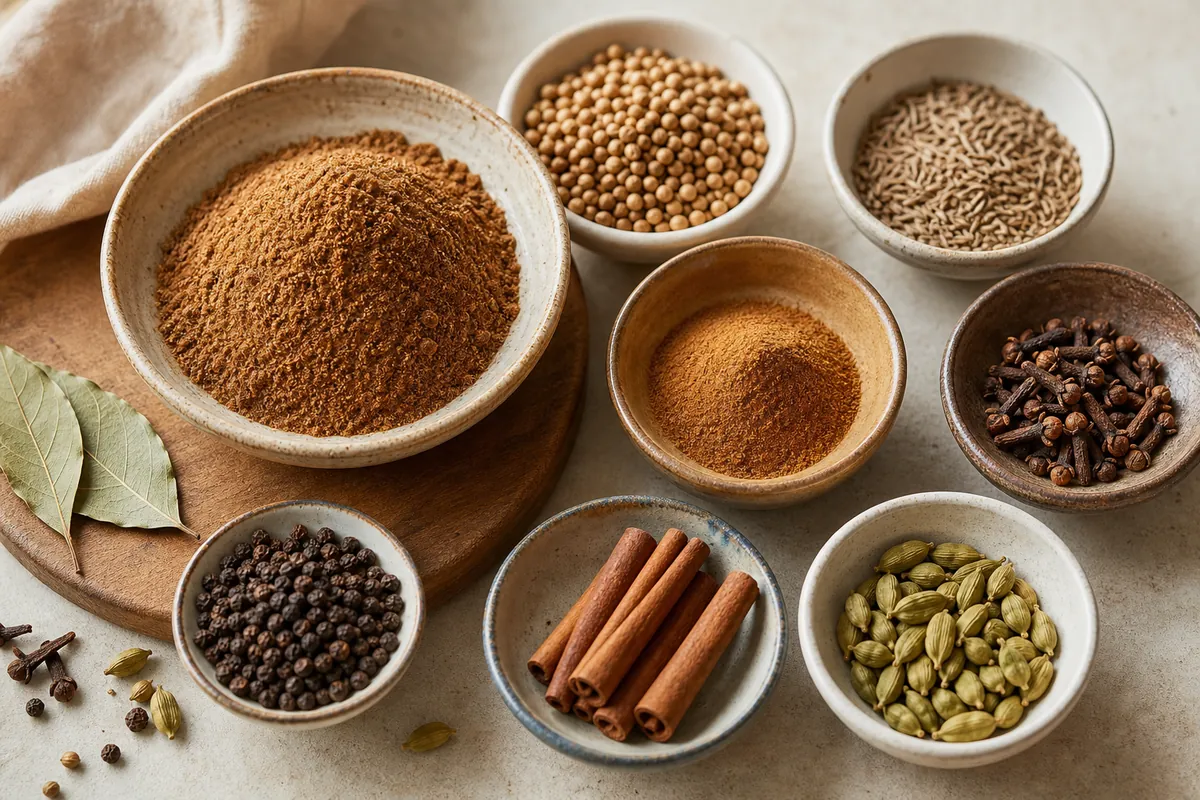
5 Best Garam Masala Substitutes That Taste Right
Ingredients
Equipment
Method
- Identify your use: savory curry finish vs. cooking-through spice vs. baking.
- Choose a substitute from the grouping table by flavor goal: warm/balanced (curry powder), sweet-warm (pumpkin pie spice), or aromatic-spicy (five-spice/ras el hanout).
- Start with the ratio in the table; for strong blends (five-spice, ras el hanout), use the lower ratio first.
- Bloom the spice when cooking: toast the powder in a teaspoon of oil for 15–30 seconds, or stir into batter at mixing time for baking.
- Taste and adjust in tiny increments: add a pinch more warmth (cinnamon-like) or reduce if the substitute tastes anise-forward or too hot.
Notes
- If your dish is meant to be garam-masala-heavy at the end, add the substitute during the final 2–5 minutes for better similarity.
- If the substitute is a multi-spice blend, reduce the ratio first and build up.
Tried this recipe?
Let us know how it was!
Carrie is a food writer and editor with more than 15 years of experience. She has worked for some of the biggest names in the food industry, including Bon Appétit, Food & Wine, and Martha Stewart Living.
As the Editor in Chief of EpicureDelight, Carrie oversees all of the content on the site. She also manages the team of contributing writers and editors, who help to create delicious recipes, helpful tips, and informative articles that you’ll find on the site.
A native of the Chicago area, Carrie is passionate about all things food. She loves trying new restaurants and experimenting with new recipes in her kitchen. She’s also a graduate of the Culinary Institute of America, so she knows a thing or two about food!



