
That deep red swirl in a Shirley Temple or a tequila sunrise comes from grenadine, a sweet-tart pomegranate syrup that also pops up in glazes and baked goods. Running out mid-recipe is annoying, but a good grenadine substitute is easy to find with ingredients most kitchens already have.
The key is knowing what grenadine actually does: it adds color, sweetness, and a mild fruit tartness. Swap by matching those three elements, not just the color.
Grenadine adds deep red color, fruit sweetness, and a gentle pomegranate tartness to drinks, glazes, and baked goods. Pomegranate juice concentrate is the closest match overall. Cherry syrup and cranberry juice concentrate are solid quick swaps. For baking, thinned jam works well when strained first.
5 Best Grenadine Substitutes in Every Recipe
Each option below is ranked by how closely it matches grenadine's color, sweetness, and tart-fruit flavor. Choose based on what you have and what your recipe needs most.
| # | Substitute | Best For | Ratio | Key Note |
|---|---|---|---|---|
| 1 | Pomegranate juice concentrate | Both | 1:1 | Closest tart-fruit flavor |
| 2 | Pomegranate molasses | Both | ¾:1 | Intense; use less |
| 3 | Cherry syrup or cherry juice | Both | 1:1 | Add lemon if flat |
| 4 | Cranberry juice concentrate | Both | 1:1 | Tart-sweet profile |
| 5 | Thinned jam, strained | Both | ¾:1 | Strain for cocktails |
1. Pomegranate Juice Concentrate
Pomegranate juice concentrate is the most accurate grenadine swap you can find. It shares the same tart stone-fruit base and delivers a deep ruby color without any artificial additions.
Use it at a 1:1 ratio in drinks. For baking, add 1 teaspoon of sugar per tablespoon of concentrate to match grenadine's sweeter profile.
- Drinks: Replace grenadine at 1:1; stir well before tasting
- Glazes: Reduce by simmering 2-3 minutes to thicken, then add sugar to taste
- Color: Matches grenadine's red tone closely; no extra coloring needed
- Sweetness fix: Add 1 teaspoon sugar per 1 tablespoon concentrate if the result tastes too sharp
Pomegranate Juice Concentrate
Works for: cocktails, Shirley Temples, fruit glazes, most baked goods needing color and tang
Skip if: your recipe needs a soft, uncomplicated sweetness - concentrate tastes noticeably tangy compared to grenadine
2. Pomegranate Molasses
Pomegranate molasses is thick, very tart, and intensely fruity. It works best when you want the strongest pomegranate flavor in a recipe and don't mind a slightly more complex finish.
Start at ¾ of the amount called for and taste before adding more. When swapping in molasses, diluting it with a small splash of water brings the texture closer to syrup.
- Ratio: Use ¾ tablespoon for every 1 tablespoon grenadine, then thin with water for drinks
- Baking: Works in dense glazes and marinades; balance with 1 teaspoon honey per tablespoon
- Color: Darker than grenadine - expect a deeper, more burgundy tone
Skip if: you're making a lightly flavored drink or a delicate frosting. The sharpness will overpower subtle recipes.
3. Cherry Syrup or Cherry Juice
Cherry syrup is the most available swap in most kitchens. It leans sweeter and less tangy than grenadine, but the red color holds up well in drinks and glazes.
For a closer match, add a few drops of lemon juice to the cherry syrup. That small hit of acid brings it closer to grenadine's characteristic tart-sweet balance.
Cherry Syrup vs Cherry Juice
Works for: Shirley Temples, mocktails, fruit glazes, cocktails where deep red color matters
Skip if: you need a pomegranate-forward flavor - cherry reads more "berry" than pomegranate, and the profiles diverge clearly
- Ratio: 1:1 for both syrup and juice
- Tang fix: Add ¼ teaspoon lemon juice per 1 tablespoon cherry syrup to sharpen the flavor
- Cherry juice: Thinner and less sweet than syrup; reduce slightly or add 1 teaspoon sugar per 2 tbsp
- Baking: Works well in cake batters and glazes; pairs naturally with chocolate
4. Cranberry Juice Concentrate
Sweetened cranberry juice concentrate gives you a sharp tart-sweet flavor and a bold red color. It is one of the easiest swaps because it is almost always in stock at grocery stores.
The flavor is a little more medicinal than grenadine if you use too much. Keep the ratio at 1:1 and dilute by 1 tablespoon of water per quarter cup when using it in lighter drinks.
Understanding the juice vs cocktail distinction matters here: cocktail-style cranberry is pre-sweetened and works better in most recipes than unsweetened juice.
- Ratio: 1:1; dilute slightly for very light cocktails
- Sweetness: Add 1 teaspoon sugar if the tartness reads too sharp after mixing
- Color: Strong deep red, very close to grenadine's signature hue
Skip if: the recipe involves whipped toppings or very light mousses. The sharp bite can dominate fragile textures.
5. Thinned Jam, Strained
Jam is an underrated grenadine stand-in when you have nothing else. Raspberry and cherry jams match the color and fruit sweetness, and thinning them with warm water gets the texture close to a pourable syrup.
The key step is straining. Jam solids will cloud a cocktail and create a gritty texture.
Pour the thinned jam through a fine-mesh sieve before using it in any drink. When deciding on your best jam choice, raspberry gives a brighter red while cherry leans slightly darker.
| Use | Ratio | Notes |
|---|---|---|
| Cocktails | ¾:1 | Thin with warm water, strain through fine-mesh sieve |
| Glazes | 1:1 | Thin slightly; no need to strain for baked goods |
| Baking | 1:1 | Fold in directly; add 1 teaspoon lemon juice for tang |
- Thinning ratio: Mix 1 tablespoon jam with 1.5 tablespoon warm water until fully dissolved
- Straining: Always strain for cocktails; skip for glazes and batter
- Sweetness: Most jams are sweeter than grenadine; reduce by ¼ teaspoon per tablespoon if needed
Skip if: you cannot strain the mixture. Jam solids will leave an uneven, pulpy finish in any drink.
Making Grenadine Substitutes Work (Sweetness + Color + Tang)
Getting any substitute to behave like grenadine comes down to three adjustments: sweetness, acid, and color depth. Most substitutes land in the right zone but need a small tweak in one of those areas to hit the mark.
- Sweeten up: Add 1 teaspoon granulated sugar per tablespoon of substitute if the drink or glaze tastes flat or too tart
- Add acid: A few drops of fresh lemon juice sharpens any overly sweet swap and gets it closer to grenadine's tart finish
- Deepen the color: If the red is too pale, stir in ¼ teaspoon of tart cherry concentrate to intensify the hue without changing much flavor
Frequently Asked Questions
Pomegranate juice concentrate is the closest swap at a 1:1 ratio. Cherry syrup and sweetened cranberry concentrate also work well and are easier to find.
Pomegranate concentrate, cranberry concentrate, and cherry syrup all deliver a strong red color. Avoid light-colored fruit juices, which will turn your drink pink or orange.
Yes, but use the concentrate form rather than plain juice. Plain juice is too thin and will add unwanted liquid to batters and glazes without enough flavor.
Use cherry syrup at a 1:1 ratio and add a few drops of lemon juice to sharpen the flavor. This brings it much closer to grenadine's tart-sweet balance.
Stir in 1 teaspoon of sugar per tablespoon of substitute until dissolved. For drinks, a small splash of simple syrup blends in faster than granulated sugar.
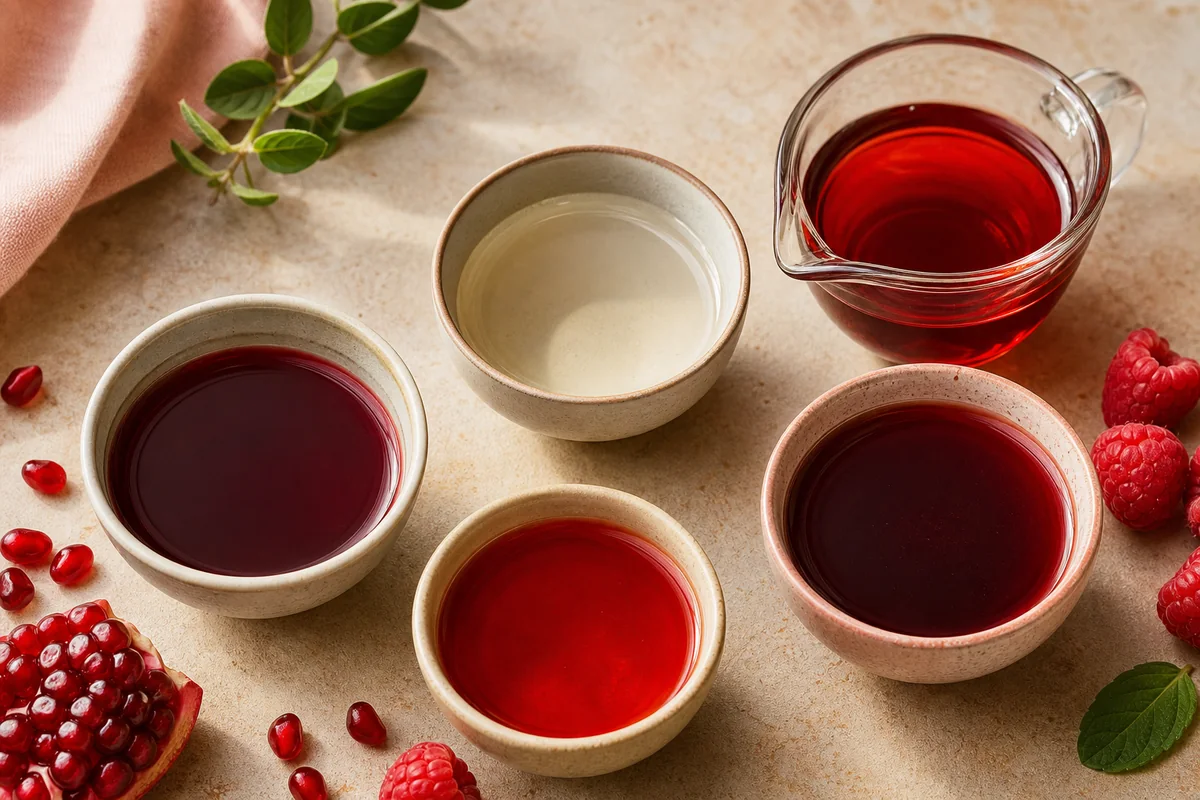
5 Best Grenadine Substitutes in Every Recipe
Ingredients
Equipment
Method
- Decide what you need grenadine to do: deep red color, tart fruit tang, or mainly sweetness (for baking).
- Start with the ratio for your chosen substitute (use 1:1 when switching to a syrup/concentrate; use ¾:1 for very intense options).
- For drinks, mix thoroughly and taste after 1 minute; for baking, fold/blend in, then check the batter/glaze once mixed.
- Adjust: add a small splash of lemon juice/vinegar for more tang, or add 1–2 teaspoons sugar per cup of mixture for more sweetness.
- If the substitute is gritty or chunky (jam), strain it before using in cocktails for a clean look and finish.
Notes
- Aim for grenadine-like balance: sweet up front with a tart finish.
- In cocktails, color + acidity matter more than viscosity; in baking, consistency matters more than exact flavor.
Tried this recipe?
Let us know how it was!
Carrie is a food writer and editor with more than 15 years of experience. She has worked for some of the biggest names in the food industry, including Bon Appétit, Food & Wine, and Martha Stewart Living.
As the Editor in Chief of EpicureDelight, Carrie oversees all of the content on the site. She also manages the team of contributing writers and editors, who help to create delicious recipes, helpful tips, and informative articles that you’ll find on the site.
A native of the Chicago area, Carrie is passionate about all things food. She loves trying new restaurants and experimenting with new recipes in her kitchen. She’s also a graduate of the Culinary Institute of America, so she knows a thing or two about food!



