Have you ever been curious what hibiscus tea tastes like, but were too afraid to take a sip?
There's no need to fear anymore - this comprehensive guide will reveal what lies beneath the crimson liquid.
From its unique flavor and health benefits, to how you can make it for yourself at home and even alternative uses for hibiscus tea,
What is Hibiscus Tea?
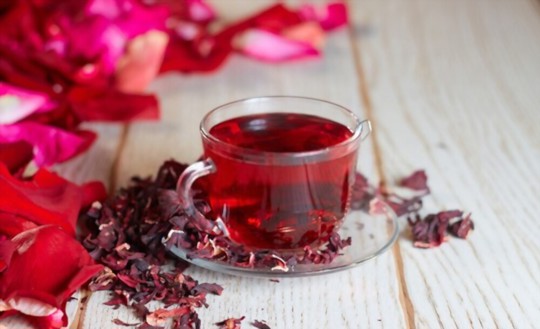
Hibiscus tea is a herbal tea made from the dried calyces of the Hibiscus sabdariffa flower.
It is a popular beverage across the world and is known for its tart, cranberry-like flavor and bright red color.
To make hibiscus tea, the dried calyces are steeped in hot water for several minutes, then sweetened to taste.
In addition to its delicious taste, hibiscus tea is also known for its potential health benefits, including lowering blood pressure and reducing inflammation.
Hibiscus tea can be enjoyed hot or cold, and with a variety of flavor additions, such as honey, ginger, or cinnamon.
So, next time you're looking for a refreshing and healthy beverage, give hibiscus tea a try.
What Does Hibiscus Tea Taste Like?
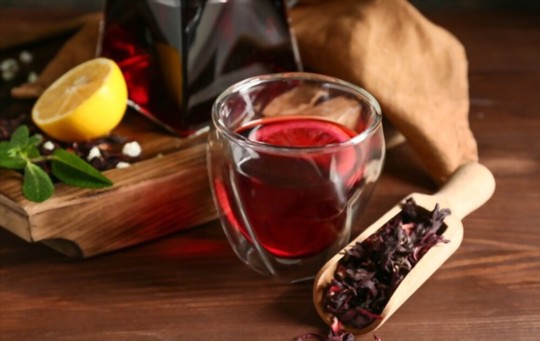
The flavor of hibiscus tea can be described as tangy, fruity, and slightly sour, with a taste profile similar to cranberry juice.
Some individuals may find hibiscus tea to be too tart or acidic, and may prefer to add a sweetener to balance the flavor.
Hibiscus tea can be consumed both hot or cold and is commonly used in various cultures as a natural remedy for lowering blood pressure, improving digestion, and boosting the immune system.
Pro tip: Add a dash of honey for a natural sweetener and an additional layer of flavor.
Factors that Affect the Taste of Hibiscus Tea
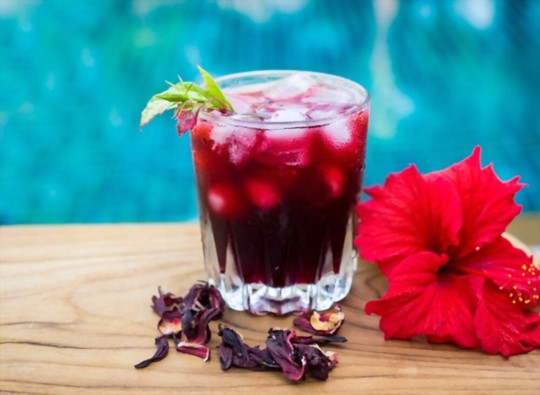
Hibiscus tea is made from dried hibiscus flowers steeped in hot water, it has a slightly tart and tangy taste with floral undertones.
However, several factors can affect its taste profile.
- Water temperature: If the water is too hot, the hibiscus tea can become too bitter, and if it's not hot enough, the tea won't extract enough flavor.
- Steeping time: Steeping the hibiscus tea for too long can cause it to become overly tart, while not steeping it long enough can result in a weak flavor.
- Quality of the flowers: The quality of the dried hibiscus flowers you use can greatly impact the taste profile of the tea. Opt for high-quality, organic flowers for the best flavor.
- Sweeteners: Adding sugar or honey to the tea can improve the flavor and balance out any tartness. Alternatively, you can blend your hibiscus tea with fruits like strawberries or raspberries.
- Storage: Properly storing your dried hibiscus flowers will help to retain their freshness and flavor for extended periods.
Pro tip: Serve hibiscus tea chilled with a dash of lime juice for a refreshing summer drink.
1 - Brewing Method
To brew a perfect cup of hibiscus tea, follow these steps:
- Boil water in a pot, kettle, or microwave.
- Add 1-2 teaspoons of dried hibiscus petals to a tea infuser or tea bag.
- Place the infuser or tea bag in a mug.
- Pour the hot water over the tea and let steep for 5-7 minutes.
- Remove the infuser or tea bag and sweeten to taste with honey, sugar, or other sweeteners.
Hibiscus tea has a tart and tangy taste with a fruity and floral aroma.
The taste of hibiscus tea can be compared to cranberry juice or lemonade.
2 - Type and Quality of Hibiscus Flowers
There are two main types of hibiscus flowers used for making tea - the Hibiscus Sabdariffa and the Hibiscus Rosa-Sinensis.
The Hibiscus Sabdariffa produces a tart and deep red infusion, while the Hibiscus Rosa-Sinensis produces a milder and less sour tea.
Hibiscus tea has a tangy, tart, and slightly fruity taste, often described as a combination of cranberries and sour cherries.
The taste varies depending on the strength of the tea and the addition of sweeteners or other flavors.
Hibiscus tea is also rich in antioxidants and has been found to have many health benefits, including reducing blood pressure and cholesterol levels, and aiding digestion.
To make the perfect cup of Hibiscus tea, steep the flowers in hot water for at least 5-10 minutes, adding honey or lemon to taste.
3 - Addition of Sweeteners or Other Ingredients
Hibiscus tea is a beverage made from the dried petals of the hibiscus flower, which is known for its tart and cranberry-like flavor.
While the tea can be enjoyed on its own, many people choose to add sweeteners or other ingredients to enhance its taste and health benefits.
Here are a few popular additions to hibiscus tea:
- Honey: Raw honey is a natural sweetener that balances the tartness of hibiscus tea and adds a warm flavor to the brew.
- Sugar: White sugar or raw sugar can be added to hibiscus tea to sweeten the flavor. However, it is important to use sugar in moderation to avoid overpowering the taste of the tea.
- Mint: Adding fresh mint leaves to hibiscus tea can provide a refreshing and cooling aspect to the beverage.
- Ginger: Ginger root adds a subtle spiciness and depth of flavor to hibiscus tea. It is especially useful in combating cold or flu symptoms.
- Lemon: Lemon juice can be added to hibiscus tea to boost its tartness and add a complementary citrus flavor.
Hibiscus tea is a versatile drink that can be enjoyed both hot and cold, with or without any additional ingredients.
How to Make Hibiscus Tea to Enhance its Flavor?
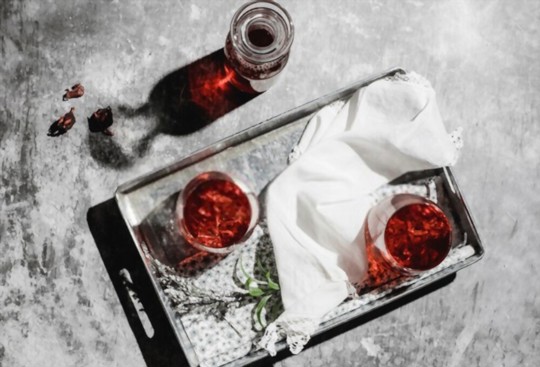
The tea has a tart and tangy flavor, similar to cranberry juice, and a bright red color when brewed.
If you want to improve the flavor of your hibiscus tea, here are a few tips:
- Use fresh hibiscus flowers or high-quality dried flowers for the best flavor.
- Add a squeeze of lime or lemon juice to brighten the tartness of the tea.
- Sweeten the tea with honey, sugar, or agave nectar to balance the acidity.
- Add spices like cinnamon, ginger, or cardamom for a warming and fragrant twist.
- Brew the tea in cold water overnight for a milder and smoother flavor.
Hibiscus tea can be enjoyed both hot and cold, making it a versatile and refreshing beverage to savor throughout the year.
Where to Buy Hibiscus Tea and How to Store It?
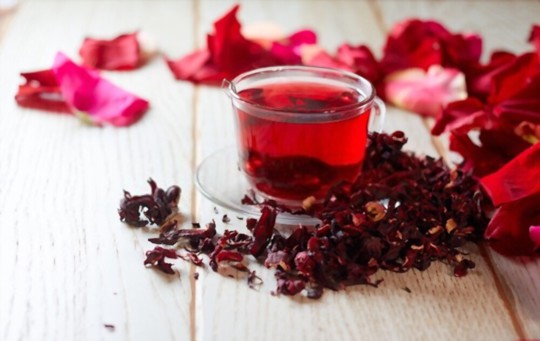
Here's where you can buy hibiscus tea and how to store it:
Where to buy: Hibiscus tea can be found at most health food stores, specialty tea shops, and online retailers.
Look for pure hibiscus tea that is free from additives and preservatives.
How to store: Store hibiscus tea in an airtight container away from direct sunlight, moisture, and heat.
This will help to preserve its flavor and nutrients.
If stored properly, hibiscus tea can last up to a year.
To make a delicious cup of hibiscus tea, steep 1-2 teaspoons of dried hibiscus flowers in hot water for 5-10 minutes.
Add honey or lemon for additional flavor.
Pro tip: Hibiscus tea is a flexible ingredient that can be used in cocktails, smoothies, and desserts.
Try adding it to your favorite recipes for a tangy twist.
Taste Characteristics of Hibiscus Tea
It has a tart and tangy taste, with notes of cranberry, raspberry, and citrus.
Hibiscus tea is a rich source of antioxidants and vitamin C, making it an ideal drink for boosting your immune system, reducing inflammation, and preventing chronic diseases.
This floral infusion can be enjoyed hot or iced and is a popular summer drink around the world.
Whether you're a tea lover or looking for a new healthy beverage option, hibiscus tea is definitely worth trying out.
More From EpicureDelight
The Complete Food Flavor Guide - your complete resource for this topic.
Read all flavor guides →Hibiscus Tea has a flavor that surprises many first-time tasters. It lands somewhere between [familiar comparisons], with a texture that plays a big role in the overall eating experience.
For some people, yes. The flavor is distinctive and can take a few tries to fully appreciate, especially if you're new to it. Starting with milder preparations often helps.
Texture plays a huge role in the eating experience. A [tender/crisp/creamy] texture reinforces the flavor perception - chewy textures can make flavors seem more intense, while tender preparations feel more subtle.
Most people try it for the first time in a [dish/preparation], where it's supported by familiar flavors. This is also the most forgiving way to experience it before enjoying it on its own.

Carrie is a food writer and editor with more than 15 years of experience. She has worked for some of the biggest names in the food industry, including Bon Appétit, Food & Wine, and Martha Stewart Living.
As the Editor in Chief of EpicureDelight, Carrie oversees all of the content on the site. She also manages the team of contributing writers and editors, who help to create delicious recipes, helpful tips, and informative articles that you’ll find on the site.
A native of the Chicago area, Carrie is passionate about all things food. She loves trying new restaurants and experimenting with new recipes in her kitchen. She’s also a graduate of the Culinary Institute of America, so she knows a thing or two about food!