Bergamot is a strange ingredient. It smells floral, tastes citrusy, and carries a soft bitterness that's nothing like lemon or orange.
Italicus liqueur bottles all of that into a single, balanced pour, which makes finding a replacement genuinely tricky.
The key isn't hunting down the closest "citrus liqueur." It's matching bergamot's specific aroma and the way Italicus balances bitterness against sweetness without going syrupy.
Get those two things right, and most cocktails won't notice the difference.
Italicus liqueur's defining trait is bergamot-forward bitterness softened by moderate sweetness. The best substitutes either carry bergamot directly (Earl Grey syrup, bergamot liqueur) or rebuild the bitter-citrus balance (dry sherry, Campari, vermouth + orange liqueur). Match sweetness level first, then adjust aroma.
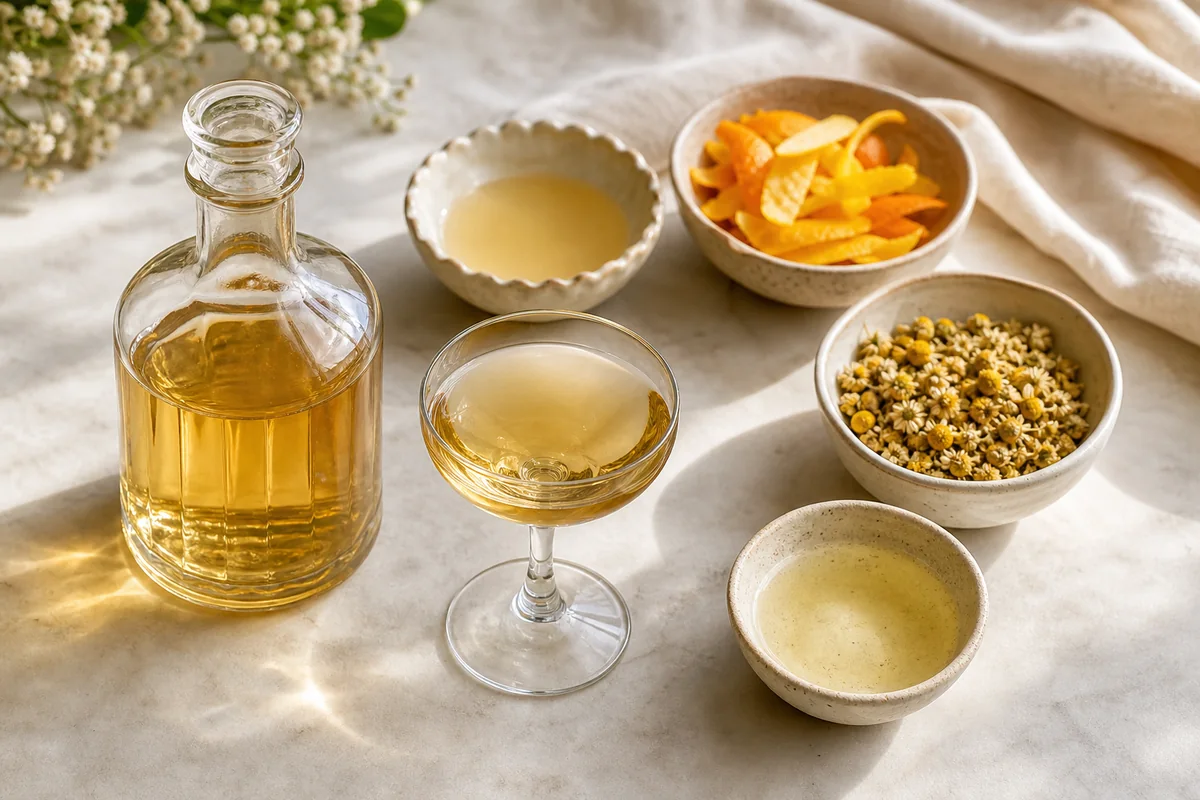
5 Best Italicus Liqueur Substitutes, Ranked by Flavor Match
| # | Substitute | Best For | Ratio | Key Note |
|---|---|---|---|---|
| 1 | Dry Sherry + bitters | Cocktails | 1:1 | Add bergamot/orange bitters |
| 2 | Earl Grey Tea Syrup | Both | ¾:1 | Best bergamot aroma match |
| 3 | Bergamot Liqueur | Both | 1:1 | Adjust if too sweet |
| 4 | Campari + orange zest | Cocktails | ¾:1 | More bitter, use carefully |
| 5 | Dry Vermouth + orange liqueur | Cocktails | 1:1 | Rebuild herbal + citrus balance |
1. Dry Sherry
Dry sherry has a nutty, lightly bitter edge that makes it a surprisingly capable base when you need Italicus's drier backbone. It won't deliver bergamot on its own, but two drops of orange-bergamot bitters close that gap fast.
If you're weighing your options, swapping away from sherry entirely is worth reading before committing to this route.
Dry Sherry + Orange Bitters
Works for: spritzes, martini-style builds, any cocktail where Italicus provides a dry, slightly bitter note rather than sweetness
Skip if: your recipe needs a noticeably sweet, syrupy body-sherry will read too lean and sharp
- Ratio: Use 1:1 in place of Italicus, then add 2 drops of bergamot or orange bitters per 30ml
- Balance fix: If it tastes too thin, stir in ¼ teaspoon of plain simple syrup to restore body
- Best cocktail fit: Works well in a spritz build or any recipe where Italicus is one of two liqueurs
2. Earl Grey Tea Syrup
Few non-alcoholic swaps come this close to Italicus's signature note. Bergamot is the flavoring in Earl Grey tea, so a properly made syrup carries that same floral-bitter character in a concentrated, pourable form. The trick is brewing strength: steep 2 bags in 200ml of boiling water for 5 minutes exactly, then dissolve in equal-weight sugar while still hot.
Understanding what this liqueur actually tastes like helps you calibrate how sweet to make the syrup.
- Ratio: Use ¾ the amount called for in the recipe-syrup is sweeter than Italicus
- Steep time: 5 minutes maximum; longer steeping turns bitter fast
- For desserts: Works in panna cotta, cake soaks, and glazes without any adjustment
- Skip if: You can't make or buy a syrup-loose-leaf tea brewed into a drink alone won't give the same body
3. Bergamot Liqueur
A bottled bergamot liqueur is the most direct swap available. Aroma, bitterness level, and citrus character all land close to Italicus without any rebuilding required. Look for Italian or Sicilian bergamot liqueurs specifically; generic "citrus liqueurs" often lean orange rather than bergamot.
- Ratio: Use 1:1; taste before adding more since some brands run sweeter than Italicus
- If too sweet: Stir in a small splash of this herbal fortified wine to pull the sweetness back
- If too floral: A single drop of Angostura bitters grounds the aroma without overpowering it
- Skip if: The liqueur you found tastes more floral than bitter-it may flatten your cocktail
4. Campari + Orange Zest
Campari's bitter herbal backbone is one of the few ready-poured spirits that shares Italicus's Italian-bitter DNA. It runs more bitter and less sweet, so fresh orange zest is non-negotiable here for citrus lift.
Consider softening the bitterness if your recipe is already bitter-leaning.
- Ratio: ¾:1, then add zest from ¼ of a fresh orange per 30ml Campari
- Sweetness fix: Add ½ teaspoon simple syrup to compensate for Italicus's missing sweetness
- Best use: Negroni-adjacent drinks, bitter spritzes, or recipes where Italicus anchors bitterness
- Skip if: Your drink is meant to be gentle and aromatic-Campari will dominate delicate flavors
5. Dry Vermouth + Orange Liqueur
This is a rebuild method, not a single-bottle swap. Dry vermouth carries the herbal, low-sweet backbone; orange liqueur adds the citrus sweetness that Italicus provides. Used together in equal parts, they cover most of what Italicus does structurally.
If your orange liqueur is already very sweet, knowing when scaling back citrus sweeteners helps keeps balance in check.
- Ratio: Combine 50% dry vermouth and 50% orange liqueur, then use the blend 1:1 for Italicus
- If too sweet: Shift to 60% vermouth, 40% orange liqueur and drop the total volume by 1 tsp
- For martini builds: This blend works especially well where Italicus adds soft citrus without going sweet
- Skip if: You don't want to combine two alcohol components-this method requires both to work
Making Italicus Liqueur Substitutes Taste Right
The most common mistake is treating any citrus liqueur as a drop-in replacement and calling it done. A small taste-correction step separates a flat result from one that actually works.
For reference, storing opened vermouth correctly matters if you're keeping a bottle for these kinds of builds, and understanding dried versus fresh zest options helps you decide which form of orange aroma to add last.
- Too sweet: Add a ¼ teaspoon squeeze of fresh lemon juice or a small splash of dry vermouth-both cut sweetness without flattening the citrus note
- Too bitter or harsh: Dissolve ¼ teaspoon of plain simple syrup into the mix; taste again before adding more
- Flat aroma: Rub a strip of fresh orange or grapefruit peel around the glass rim before pouring-it restores the top-note without changing the drink's body
Frequently Asked Questions
Triple sec works in a pinch but lacks bergamot entirely. It replaces sweetness and citrus body, not the bitter aromatic note that defines Italicus.
Dry sherry with two drops of bergamot bitters is the best spritz swap. It keeps the drink dry and aromatic without over-sweetening the bubbles.
Add a small splash of dry vermouth or a squeeze of fresh lemon juice. Reduce the substitute quantity by 1 teaspoon before adding more of anything else.
Yes, it works well in cake soaks, glazes, and panna cotta. Use ¾ the amount called for since the syrup is sweeter than Italicus.
Not effectively. Even a 5-minute rest is needed for Earl Grey concentrate to transfer its bergamot character into spirits. Skipping steeping leaves the vodka flat.
5 Best Italicus Liqueur Substitutes (Closest Match)
Ingredients
Equipment
Method
- Identify whether your recipe tastes too sweet or too flat first (sip the base mixer, if possible).
- Start with the listed ratio for your chosen substitute, then add it in the same point in the cocktail process (e.g., before ice or after mixing).
- If it tastes too sweet, reduce the substitute and top with a splash of dry vermouth or a citrus peel squeeze; if too bitter/harsh, add a small amount of simple syrup.
- For tea-based swaps, steep or rest 5 minutes (especially vodka + Earl Grey) so the bergamot transfers fully.
- Taste again and fine-tune with orange zest (aroma) or a tiny pinch of sugar (sweetness) without over-diluting.
Notes
- Most Italicus replacements need sweetness control: ratios above assume you’ll taste-correct rather than treat them as exact 1:1 in every cocktail.
- When substituting with tea syrup or infused syrup, strength varies—start slightly low if your drink is already sweet.
Tried this recipe?
Let us know how it was!
Carrie is a food writer and editor with more than 15 years of experience. She has worked for some of the biggest names in the food industry, including Bon Appétit, Food & Wine, and Martha Stewart Living.
As the Editor in Chief of EpicureDelight, Carrie oversees all of the content on the site. She also manages the team of contributing writers and editors, who help to create delicious recipes, helpful tips, and informative articles that you’ll find on the site.
A native of the Chicago area, Carrie is passionate about all things food. She loves trying new restaurants and experimenting with new recipes in her kitchen. She’s also a graduate of the Culinary Institute of America, so she knows a thing or two about food!