Jasmine milk tea tastes floral, creamy, lightly grassy, and sweet. The jasmine reaches your nose first, while the tea adds a fresh edge beneath the milk. A balanced cup smells like flowers without tasting like perfume or soap.
The exact result depends on the tea base, milk, sugar, ice, and toppings. A tea-forward order feels clean and aromatic. A heavily sweetened cup tastes more like a milk dessert with jasmine in the background.

Expect flowers first, cream second, and tea at the finish. Choose less sugar and a stronger tea base when you want the jasmine to stay clear. Add boba only if you also want a chewy brown-sugar note.
Taste the Tea Before the Milk
Jasmine aroma arrives before the drink touches your tongue. High-quality jasmine tea can smell floral, green, fruity, and gently herbal at the same time. Research on jasmine tea aroma identifies compounds linked with floral, fruity, green, and fresh impressions, which explains why the scent feels broader than one flower note.
The first sip usually begins sweet and creamy. Tea appears in the middle, then a light bitterness or dryness cleans the finish. That small dry edge matters because it keeps the milk and syrup from feeling heavy.
A good jasmine note resembles fresh blossoms, white grape, or a soft leafy scent. It should not feel sharp enough to remind you of air freshener. A soapy finish can come from too much fragrance, a weak tea base, or syrup that imitates jasmine instead of tea scented with flowers.
Green Tea Keeps the Cup Fresh
Jasmine green tea is the common base. It adds a pale color, leafy freshness, and a gentle bite. The floral aroma feels bright because the base is light enough to leave room for it.
Over-steeped green tea turns bitter and drying. Milk can soften that edge, but it cannot remove it. If the cup tastes rough at the back of your tongue, ask for a fresh batch or more milk rather than adding enough sugar to hide the fault.
Black Tea Makes It Deeper
A black tea base adds malt, caramel, and stronger tannin. It produces a darker, fuller drink that can hold more milk, though the jasmine may seem less delicate.
This version sits closer to black milk tea, but jasmine still changes the aroma. Choose it when you want a stronger tea finish rather than a pale floral cup.
Milk, Sugar, and Ice Move the Balance
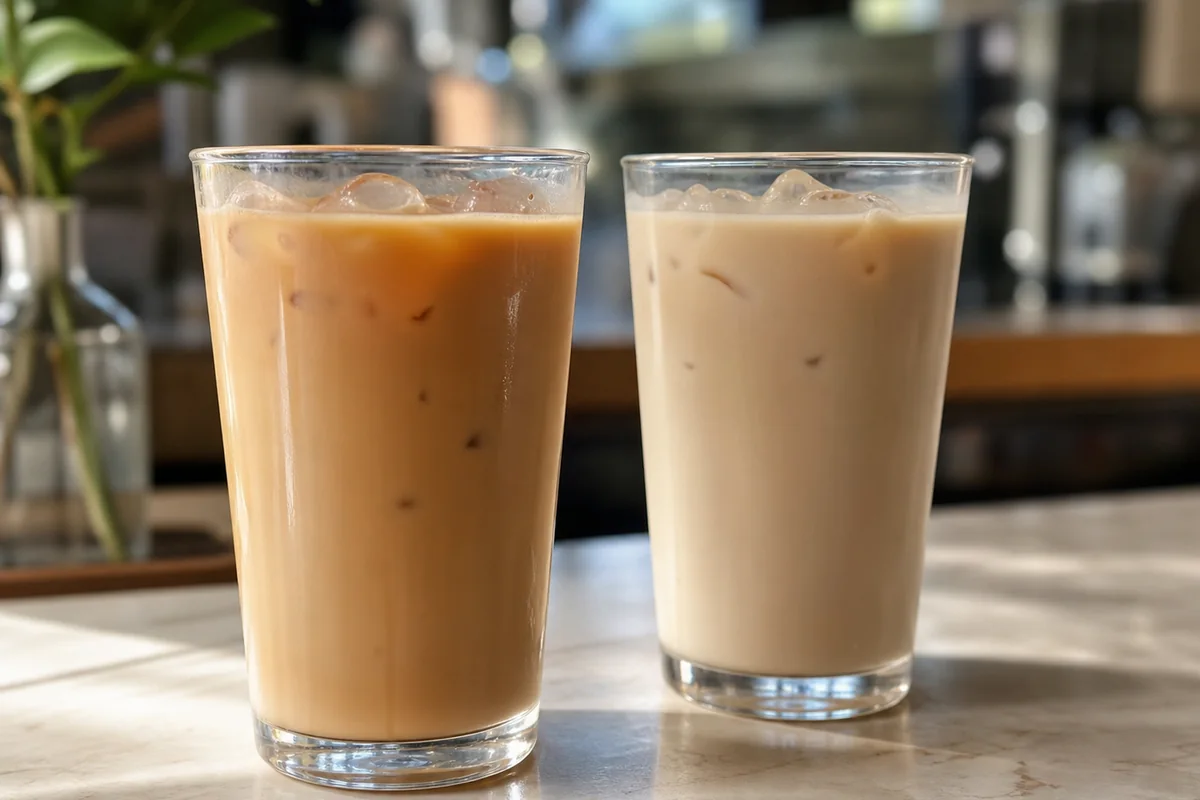
Milk changes aroma as well as texture. A modest amount rounds the bitter edge and adds body. A large amount coats the palate, so the jasmine seems softer even when the tea amount has not changed.
Fresh dairy milk tastes clean and slightly sweet. Evaporated milk adds a cooked dairy note. Nondairy creamer can feel thicker and may bring vanilla or coconut flavors that compete with the flowers.
Sugar changes the order of the sip. At a low level, it makes jasmine seem rounder and fruitier. At a high level, sweetness takes over the first and middle stages, leaving only a faint floral smell.
Ice reduces aroma because cold liquid releases fewer fragrant compounds. It also dilutes a drink that sits for a long time. Regular ice works when the shop brews strong tea. Less ice can help a mild cup, though it may arrive warmer and sweeter.
Hot jasmine milk tea smells more floral and tastes slightly more bitter. Iced tea feels smoother and more refreshing. Neither is automatically better. The right choice depends on whether aroma or easy drinking matters more.
Texture Comes From the Cup, Not the Flowers
Plain jasmine tea is thin, while milk turns it smooth and lightly coating. Shaking can add a temporary foam, but a thick, powdery body usually points to creamer or a powdered milk base.
Tapioca Pearls
Boba adds a springy chew and often brings brown-sugar syrup. That dark caramel note can overpower delicate jasmine.
Grass Jelly
Grass jelly feels soft and slippery with a mild herbal finish. It usually competes less with the floral tea.
Foam or Cream Cap
A cream cap adds salt, fat, and density. The contrast can work, but every sip becomes richer and less tea-forward.
Popping pearls release a burst of fruit syrup. They suit a dessert-style drink, though they make it harder to judge the jasmine itself. For a first taste, choose no topping or one mild texture.
Build an Order Around the Floral Note
Start with the part of the drink you most want to notice. Then adjust one control at a time.
| Preference | Tea and milk | Sweetness | Topping |
|---|---|---|---|
| Floral and fresh | Strong jasmine green tea, light milk | 25 to 50 percent | None or grass jelly |
| Creamy but balanced | Regular tea and milk | 50 percent | Small boba portion |
| Bold tea finish | Jasmine black tea, regular milk | 25 to 50 percent | None |
| Dessert-like | Regular tea, extra milk or creamer | 75 to 100 percent | Boba or cream cap |
Percentage labels vary by shop, so use them as a relative scale. Half sweet at one chain may taste like three-quarter sweet somewhere else. A first order at 50 percent gives you room to move up or down next time.
If the drink tastes soapy, increase the tea strength or reduce flavored syrup on the next order. If it tastes bitter, ask for a shorter brew or a little more milk. If it tastes flat, reduce sugar and ice before adding more jasmine flavor.
A shop that uses real brewed tea may have natural variation between batches. That is normal. A stale, dusty aroma or a strong artificial aftertaste is not part of jasmine tea's fresh profile.
Pair It With Food That Leaves Room for Jasmine
Delicate food lets the floral aroma remain clear. Rich or spicy food can still work when salt and texture reset the palate.
- Butter cookies or a plain croissant. Fat softens tea bitterness without adding another strong aroma.
- Sesame pastries. Toasted seeds add nuttiness that supports the green tea base.
- Fresh pear, peach, or berries. Light fruit echoes the floral and sweet notes.
- Steamed buns or mild sandwiches. Salt gives the next sweet sip a cleaner start.
- Lightly spicy snacks. Cold milk calms heat, though very hot chile can hide the jasmine.
Avoid pairing a subtle cup with rose-heavy cake, strong lavender, or a heavily frosted dessert. Competing perfume makes the tea seem artificial, while extra sugar shortens its fresh finish.
Sources
- Study of the aroma compounds and sensory qualities of jasmine tea
- Study of aroma and flavor changes during jasmine tea scenting
A balanced cup smells floral but tastes like tea, milk, and gentle sweetness. A sharp perfume or soap note suggests excess flavoring or a tea base too weak to support the scent.
The shop controls the sweetness. Many default recipes are dessert-like, so request 25 to 50 percent sugar when you want to taste more tea.
Yes. Jasmine milk tea usually starts with green or black tea, both of which contain caffeine. The amount changes with the leaf, brew strength, and serving size.
A green tea version is often pale cream or light tan. Black tea makes it darker. Bright white, purple, or neon color is not a natural sign of jasmine tea strength.
Yes. Leaving out boba gives you a clearer view of the floral aroma and saves the cup from extra brown-sugar sweetness.

Carrie is a food writer and editor with more than 15 years of experience. She has worked for some of the biggest names in the food industry, including Bon Appétit, Food & Wine, and Martha Stewart Living.
As the Editor in Chief of EpicureDelight, Carrie oversees all of the content on the site. She also manages the team of contributing writers and editors, who help to create delicious recipes, helpful tips, and informative articles that you’ll find on the site.
A native of the Chicago area, Carrie is passionate about all things food. She loves trying new restaurants and experimenting with new recipes in her kitchen. She’s also a graduate of the Culinary Institute of America, so she knows a thing or two about food!