
Korma sauce has a very specific personality: mild heat, a creamy coating, and that faint nuttiness that makes it feel almost luxurious. When your pantry is missing the paste, most Indian-spiced alternatives can step in, but they each need a little nudging to land in korma's softer register.
A korma curry paste substitute is rarely a straight swap-ratio adjustments and a splash of coconut milk or yogurt usually close the gap.
The ratios below are starting points, not fixed rules. Taste as you go and rebalance with creaminess first, salt second.
Korma curry paste's mild, creamy, nutty profile is the target. Yellow curry paste is the closest 1:1 swap. Tikka masala and butter chicken work with dairy or coconut added. Madras and Thai red pastes need reduced amounts and extra creaminess to tone down their heat.
5 Best Korma Curry Paste Substitutes Ranked by Ease
A quick scan before you commit to a swap.
| # | Substitute | Best For | Ratio | Key Note |
|---|---|---|---|---|
| 1 | Yellow curry paste | Both | 1:1 | Add coconut for creaminess |
| 2 | Tikka masala paste | Both | 1:1 | Stir in yogurt off-heat |
| 3 | Butter chicken sauce | Cooking | 1:1 | Thin with stock; reduce salt |
| 4 | Madras curry paste | Cooking | ¾:1 | Use less; mellow with cream |
| 5 | Thai red curry paste | Cooking | ½:1 | Half quantity plus coconut milk |
1. Yellow Curry Paste
Yellow curry paste is the closest all-around stand-in for korma. Its turmeric-forward, mild base shares korma's approachable spice level, and it takes on creaminess well once you add coconut milk.
- Ratio: 1:1 yellow curry paste for korma paste
- Flavor shift: Slightly more turmeric-forward and less nutty than korma; add almond butter (1 teaspoon per serving) if you want that nuttiness back
- Adjustment: Simmer with coconut milk or full-fat yogurt for 8-10 minutes; the sharper curry edges smooth out quickly
- Boost: A pinch of swapping garam masala in adds the warm spice depth korma usually has
Skip if: you need a strictly almond-based flavor profile and aren't adding nut butter or a garnish to compensate.
2. Tikka Masala Paste
Tikka masala paste has a bolder, tomato-forward structure, but its underlying spice blend is close enough to korma's that a little dairy does most of the bridging work. The key is balancing that tomato tang before it takes over.
Swap it 1:1, then use creamy dairy alternatives if you want a fully coconut-based korma sauce.
- Ratio: 1:1 tikka masala paste
- Flavor shift: Richer and tangier than korma; the tomato note is the main thing to dial back
- Adjustment: Simmer longer (10-12 minutes) with coconut milk, or whisk in full-fat yogurt off-heat for a smoother finish
- Sweetness fix: A tiny pinch of sugar rounds out any lingering tomato sharpness without changing the spice balance
Skip if: you're sensitive to tomato-forward flavors and don't have enough dairy to counterbalance.
3. Butter Chicken Sauce
Butter Chicken Sauce
Works for: creamy korma dishes where you want easy one-pan cooking and a naturally rich base
Skip if: the sauce is already extremely sweet or heavily salted and you can't adjust with extra savory liquid
Butter chicken sauce is thicker and sweeter than korma paste, so the swap works but needs thinning. Start at 1:1, then add stock or water by the tablespoon until the sauce coats a spoon without feeling dense.
Watch storing leftover butter chicken sauce-once opened, use it within 3 days for best results.
- Ratio: 1:1 butter chicken sauce, then thin with stock if needed
- Salt strategy: Reduce added salt by half; butter chicken sauces are usually pre-salted
- Creaminess: Add a small pour of coconut milk to shift the flavor toward korma's lighter profile
- Sweetness check: Taste at the 5-minute mark; if it's too sweet, a squeeze of lime and extra spice rebalances fast
4. Madras Curry Paste
Madras paste runs hotter and brighter than korma's gentle base. It works, but only if you start with less and layer creaminess in early.
Think of it as korma paste with the dial turned up-your job is to turn it back down. For dishes built around similar spice notes, powder-based Madras swaps follow a comparable adjustment logic.
- Ratio: Start at ¾:1 (use three-quarters the amount of korma paste your recipe calls for)
- Mellow strategy: Simmer with full-fat coconut milk from the beginning; add yogurt carefully off-heat to avoid splitting
- Taste-check moment: At the 8-minute mark, taste and decide-if still too sharp, stir in 2 tablespoon more coconut milk
- Heat trap: Don't be tempted to add more paste for "more flavor"; the heat compounds faster than the spice depth does
Skip if: you only have hot madras paste with a high chili rating and can't reduce the quantity further without making a thin, pale sauce.
5. Thai Red Curry Paste
Thai red curry paste shares coconut-based cooking logic with korma, which makes it adaptable-but its lemongrass and galangal notes push the dish toward Southeast Asian territory. That said, when you're out of everything else, checking what pastes you have open and reaching for Thai red with restraint is a real option.
- Ratio: Start at ½:1 (half the amount the recipe needs in korma paste)
- Balancing act: Simmer in a full can of coconut milk; the fat absorbs much of the chili heat
- Sugar trick: A pinch of sugar (just a pinch) rounds out the chili and herb sharpness without sweetening the dish
- Herb note: The lemongrass flavor won't disappear fully-lean into it or add a small spoon of almond butter to nudge it toward korma's nuttiness
Skip if: you're cooking for children or anyone avoiding chili heat. Even at half quantity, the herbal warmth stays noticeable.
Making Korma Curry Paste Substitutes Work
The process is the same for all five swaps: pick ratio, simmer to round, rebalance with dairy or coconut. Every substitute paste starts with some flavor overshoot-too tangy, too hot, too herbal-and simmering is what smooths that out.
If you're unsure whether your substitute and the fermented dairy base will combine without curdling, always add yogurt off-heat and temper it gently. For a broader look at how pastes compare to dry spice blends, the paste versus powder comparison is worth a read before you start building your sauce.
- Too spicy: Reduce paste quantity next batch and increase coconut milk or yogurt from the start-don't try to dilute an already-assembled sauce with water alone
- Too bland: Simmer uncovered for an extra 5 minutes to concentrate the spice; add a pinch of salt only after the sauce reduces
- Split sauce: If the yogurt breaks, whisk briskly off-heat and add a tablespoon of cold coconut milk; it usually pulls the sauce back together
Frequently Asked Questions
Yes, but blend it with almond butter and a spoon of yogurt or coconut milk first to form a paste-like base. Without that fat and moisture, curry powder alone will taste flat and dry in your sauce.
Yellow curry paste is the mildest and most direct swap. Add coconut milk during cooking and it gets very close to korma's creamy, gentle character.
Stir in more coconut milk or a spoon of full-fat yogurt off-heat, then simmer gently for 5 minutes. Avoid adding water-it thins the sauce without actually mellowing the heat.
It will work, but use only half the amount and simmer with a full can of coconut milk. The herbal and chili notes won't fully disappear, so it's best for adults comfortable with mild heat.
Yes, if you add it off-heat and temper it slowly. Pouring cold yogurt into a boiling sauce is what causes splitting-remove the pan from heat first, then stir in the yogurt.
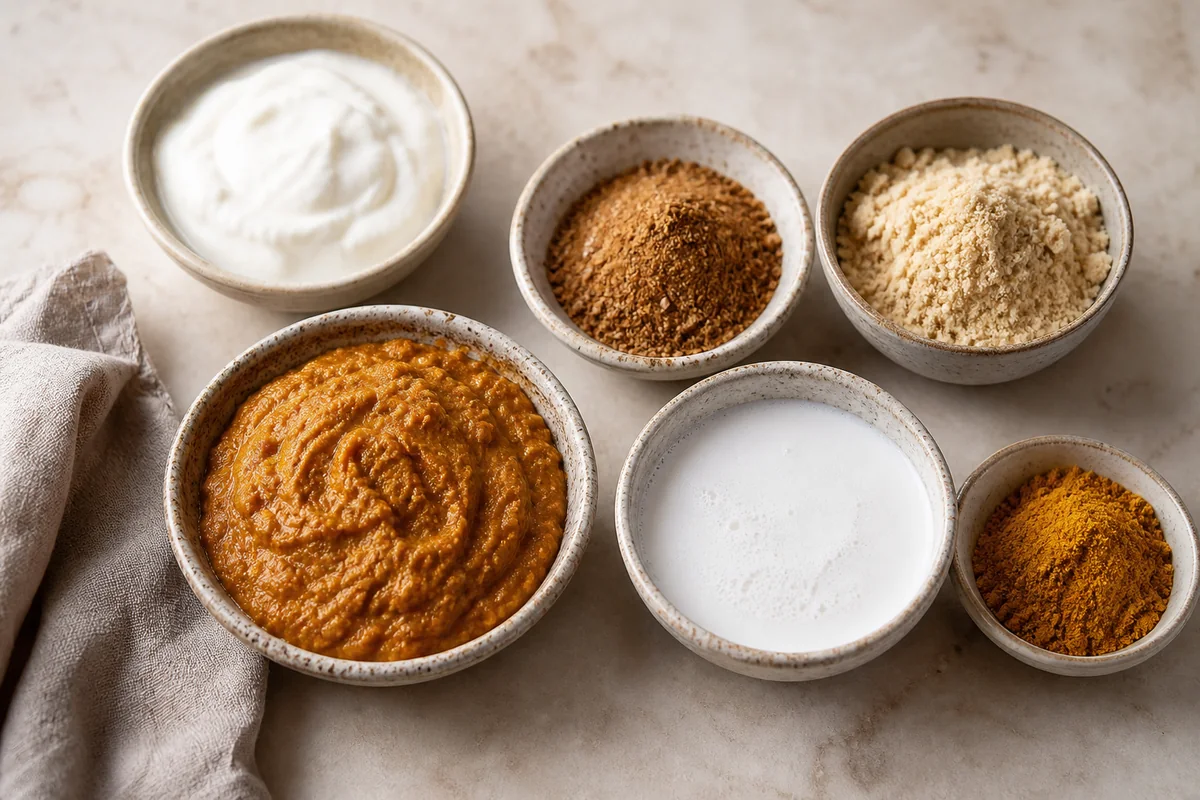
5 Best Korma Curry Paste Substitutes (Easy Swaps)
Ingredients
Equipment
Method
- Choose the closest curry-base substitute from the list, aiming for mildness and a creamy end result.
- Swap using the ratio target, then simmer with your korma liquid (coconut milk or yogurt-based sauce) to round out harsh edges.
- If the substitute is thicker, thin it with stock or water; if it’s spicier, reduce it and add creaminess (yogurt or coconut) to mellow.
- Taste at the halfway mark and rebalance: add salt for flat flavor, a pinch of sugar for tomato/red curry sharpness, or extra nutty richness if needed.
Notes
- Korma’s identity is mild + creamy + gently spiced; most swaps need dairy or coconut to land the right feel.
- Start slightly under the paste amount with hotter pastes, then adjust after simmering.
Tried this recipe?
Let us know how it was!
Carrie is a food writer and editor with more than 15 years of experience. She has worked for some of the biggest names in the food industry, including Bon Appétit, Food & Wine, and Martha Stewart Living.
As the Editor in Chief of EpicureDelight, Carrie oversees all of the content on the site. She also manages the team of contributing writers and editors, who help to create delicious recipes, helpful tips, and informative articles that you’ll find on the site.
A native of the Chicago area, Carrie is passionate about all things food. She loves trying new restaurants and experimenting with new recipes in her kitchen. She’s also a graduate of the Culinary Institute of America, so she knows a thing or two about food!



