
Laksa broth has a very specific smell when the paste hits hot oil. It's sharp and aromatic, with chili heat and something fermented underneath.
When the jar is empty and the recipe is waiting, the question is which swap can reproduce that smell and body without flattening the whole pot.
A good laksa paste substitute needs to cover three things: aromatics (lemongrass, galangal, or ginger), chili heat, and a savory fermented base. Miss any one of those and the broth will taste thin or generic.
The good news is that most Southeast Asian pantries already have something that can carry two of the three.
Most curry pastes run saltier than laksa paste, so start a little under the stated ratio. You can always add more after blooming, but you cannot take it back.
Thai red curry paste is the closest all-purpose swap, starting at ¾:1. For a brighter, lemongrass-forward broth, tom yum paste at ¾:1 is the better pick. When you only have dry spices, curry powder combined with shrimp paste builds solid depth. Always bloom your substitute in oil and balance with coconut milk and a late acid hit.
5 Best Laksa Paste Substitutes Ranked
| # | Substitute | Best For | Ratio | Key Note |
|---|---|---|---|---|
| 1 | Thai Red Curry Paste | Both | ¾:1 | Saltier; bloom 60-90 sec |
| 2 | Tom Yum Paste | Both | ¾:1 | Add acid last only |
| 3 | Curry Powder + Shrimp Paste | Cooking | 1:1 | DIY depth; bloom powder first |
| 4 | Massaman Curry Paste | Cooking | 1:1 | Warmer, nuttier; add lime |
| 5 | Bumbu Paste | Cooking | ¾:1 | Loosen thick paste with broth |
1. Thai Red Curry Paste
Thai red curry paste is the substitute most cooks reach for first, and it usually works. The chili base, galangal, and lemongrass in most Thai red pastes sit close to the fermented spice profile you're replacing.
Start at ¾ of what your recipe calls for in laksa paste. Many commercial Thai red pastes are noticeably saltier and carry more sweetness, so going in full-strength can tip the broth before you know it.
- Blooming: Cook the paste in a neutral oil for 60-90 seconds over medium heat before adding any liquid. This reduces the raw, sharp edge and deepens the color.
- Salt check: Taste after blooming. If it's already salty, hold back any fish sauce until the end.
- Color: Thai red paste often gives a redder broth than laksa. A tablespoon of coconut milk stirred in early softens that.
Thai Red Curry Paste
Works for: Creamy coconut laksa, noodle soups, and any laksa where chili body matters more than tangy lemongrass brightness
Skip if: Your recipe needs very forward lemongrass and sour citrus notes. Tom yum paste handles that better.
2. Tom Yum Paste
Tom yum paste brings something Thai red curry paste can miss: the bright, herbaceous punch of lemongrass and kaffir lime leaf. That aromatic sharpness is part of what makes laksa broth smell alive.
If you want that, tom yum paste is the better pick over Thai red.
Start at ¾:1 and let coconut milk mellow the tang before you judge the flavor. Tom yum pastes vary a lot by brand: some carry a sharp tamarind note, others lean more toward chili heat.
Check the broth style difference before committing to a brand.
- Acid timing: Add lime or vinegar only at the end, 1 teaspoon at a time. Tom yum paste already contains acid, and doubling up makes the broth taste sharp.
- Coconut milk: Use at least ½ cup per 2 cups of broth to bring the tang into balance.
- Heat level: Tom yum paste can run spicy. Add in small amounts if you're cooking for a mild crowd.
Skip if: Your laksa is meant to be mild and creamy with minimal sour notes. Thai red curry paste gives a softer, less tangy result.
3. Curry Powder + Shrimp Paste
When you don't have any curry paste in the house, this combination can still build a real base. Curry powder brings warm spice, color, and body. Shrimp paste contributes the savory, fermented backbone that laksa paste carries almost as a defining trait. Neither ingredient alone does much; together they get surprisingly close.
Use about 1 tablespoon of curry powder and ½ teaspoon of shrimp paste per tablespoon of laksa paste the recipe calls for. Bloom the curry powder in oil for 30-60 seconds first so it loses that dry, dusty quality.
Then add the shrimp paste and stir for another 20 seconds before any liquid goes in. If you're unsure about fermented paste options, miso works as a softer stand-in for the shrimp paste portion.
The result won't have the clean lemongrass note of laksa paste, but the depth and heat will be there. Add a bruised lemongrass stalk to the broth as it simmers to recover some of that herbal top note.
For the warm spice layer, using a sharper curry powder style boosts the heat and color without extra paste.
Skip if: You avoid fermented ingredients entirely. Swap the shrimp paste out for a tablespoon of white miso, which gives umami without the funk.
4. Massaman Curry Paste
Massaman paste is a warmer, slower-spiced option. It has cinnamon, cardamom, and a nutty quality from dried chili that laksa paste doesn't usually carry.
It won't give you a classic laksa broth, but it produces a deeply flavored, coconut-friendly base that works when the other options are unavailable.
Use a 1:1 ratio to start, then taste and adjust. Coconut milk amplifies the richness in Massaman paste quickly, so the broth can feel heavy if you're not watching.
A squeeze of lime at the end cuts through that. For more context on how this paste behaves in different dishes, the details on nutty paste flavor are useful.
- Flavor result: Warm, slightly nutty, and mildly sweet. Less chili-forward than laksa paste.
- How to adjust: Add ½ teaspoon chili flakes if you want more heat. Add 1 teaspoon lime juice to sharpen.
- Sweetness watch: Some Massaman brands run sweet. Taste before adding any sugar called for in the original recipe.
Skip if: You want that lemongrass-chili punch that defines a proper laksa. Massaman paste is too warm-spiced for that profile. Use tom yum paste or Thai red curry paste instead.
5. Balinese or Indonesian Bumbu Paste
Bumbu paste is a kitchen-ready spice base from Indonesian cooking, built on shallots, garlic, galangal, turmeric, and candlenut. The flavor is earthy, slightly floral, and savory in a way that plays well with coconut milk.
It won't hit the exact same notes as laksa paste, but the aromatic structure is closer than most people expect.
If the bumbu paste is very thick, loosen it with a splash of broth before adding it to the pot. This prevents it from scorching and helps it distribute evenly.
Always taste after blooming to gauge intensity before pouring in the rest of the liquid.
| Batch Size | Bumbu Paste Amount | Notes |
|---|---|---|
| 1 serving (1 bowl) | 1½ tsp | Loosen with 1 tablespoon broth first |
| 2-3 servings | 1 tbsp | Bloom in oil 45 sec, then taste |
| 4-6 servings (full pot) | 2-2½ tbsp | Add coconut milk early to balance |
- Texture: Bumbu paste is often denser than Thai curry pastes. Thin it before blooming for even distribution.
- Heat gap: Bumbu paste is usually mild. Add chili oil or sambal after blooming to build heat.
- Storage: Open bumbu paste keeps 5-7 days refrigerated. For longer holds, check how long opened paste lasts to avoid waste.
Skip if: Your bumbu paste has added palm sugar or sweeteners. That sweetness flattens the laksa broth and is hard to correct after the fact.
Making Your Laksa Paste Substitute Taste Right
Getting the substitute into the pot is only half the work. The blooming step matters more than most recipes suggest: 60-90 seconds in hot oil converts raw paste into something that smells like the beginning of a real laksa broth.
If you're working with a swap that feels unfamiliar, thinking through how to adjust liquid-based substitutes for balance gives a useful framework for the same kind of late-stage correction.
- Bloom first: Add paste to 1-2 tablespoons of oil over medium heat. Stir constantly for 60-90 seconds until the paste darkens slightly and smells cooked, not raw.
- Coconut milk balance: Add coconut milk before any water or stock. This lets the fat in the milk emulsify the paste and gives the broth a creamy body that thinner liquid can't achieve.
- Acid and heat last: Taste the broth before adding lime juice, vinegar, or chili oil. Add acid 1 teaspoon at a time and heat in small amounts. Both are easy to overdo and very difficult to reverse.
Frequently Asked Questions
Start at ¾:1, not 1:1. Thai red curry paste is usually saltier and slightly sweeter, so the full amount can overpower the broth before you've had a chance to balance it.
Always after. Bloom the paste in oil first, then add coconut milk. Adding it too early stops the paste from cooking properly and leaves a raw, sharp flavor.
Stir in more coconut milk, 2 tablespoons at a time, until the sour edge softens. A pinch of sugar can also help if the tang is from tamarind or lime already in the paste.
Use curry powder plus shrimp paste (or miso) and add dried chili flakes for heat. Bloom the powder in oil first so it doesn't taste dusty in the finished broth.
Missing aromatics smells flat and herbal-light. Missing depth tastes thin even when salty. Add a bruised lemongrass stalk for aroma and a small amount of shrimp paste or fish sauce for depth.
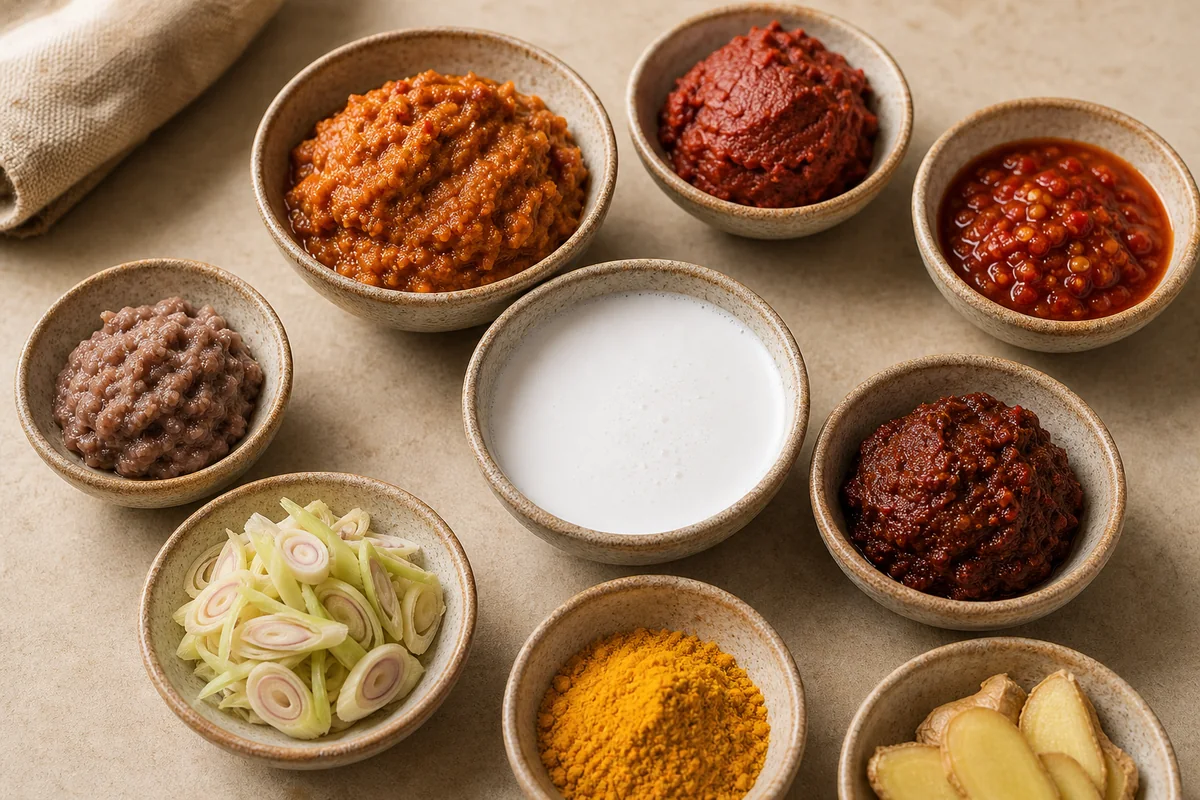
5 Best Laksa Paste Substitutes (Ranked)
Ingredients
Equipment
Method
- Choose the substitute that matches your goal: curry-paste swaps for aroma/body, and tom yum-style swaps for lemongrass tang.
- Use the listed ratio as your starting point, then reduce or add paste based on your broth taste after warming.
- If your substitute is watery, simmer it in a bit of oil for 1–2 minutes to thicken and bloom the aromatics.
- Adjust balance: add coconut milk for creaminess, and add lime/vinegar 1–2 teaspoons at a time for brightness.
- Taste again before serving; fine-tune heat with chili oil/chili flakes rather than adding more paste blindly.
Notes
- Start with less than you think for salty pastes (then add).
- Use coconut milk to round out sharper pastes and keep the laksa mouthfeel.
Tried this recipe?
Let us know how it was!
Carrie is a food writer and editor with more than 15 years of experience. She has worked for some of the biggest names in the food industry, including Bon Appétit, Food & Wine, and Martha Stewart Living.
As the Editor in Chief of EpicureDelight, Carrie oversees all of the content on the site. She also manages the team of contributing writers and editors, who help to create delicious recipes, helpful tips, and informative articles that you’ll find on the site.
A native of the Chicago area, Carrie is passionate about all things food. She loves trying new restaurants and experimenting with new recipes in her kitchen. She’s also a graduate of the Culinary Institute of America, so she knows a thing or two about food!



