Lemon garlic shrimp broccoli is a one-pot pasta dish built on a bright olive oil and lemon base, with shrimp and broccoli florets cooked directly alongside the linguine in seasoned broth. It belongs to the one-pot pasta collection as one of the lightest options - the sauce is oil-forward rather than cream-based, so the shrimp and broccoli flavors come through cleanly.
The timing sequence is the critical technique: pasta and broccoli go in together at the start, and shrimp goes in during the final 2-3 minutes so it finishes exactly when the noodles hit al dente.
Linguine works better than shorter pasta here because the thin noodles cook faster, reducing the window in which the shrimp could accidentally overcook if you misjudge the timing.
Lemon Garlic Shrimp Broccoli Pasta - linguine and broccoli florets simmered in lemon-garlic broth, finished with shrimp added in the final 2-3 minutes and a drizzle of olive oil for a clean, bright one-pot dinner.
Remember it later
Planning to try this recipe soon? Save it for a quick find later!
Why This Recipe Works
The oil-and-broth base in this recipe creates a light emulsified sauce rather than a thick coating. As the pasta cooks, released starch binds with the olive oil and lemon juice into a silky, clingy liquid that coats the noodles without any cream or roux.
- Broccoli added with the pasta: At 12-15 minutes of simmering, broccoli florets soften to tender-crisp without becoming mushy. Adding them at the pasta start means they finish simultaneously - a separate vegetable step is eliminated entirely.
- Shrimp timing discipline: Large shrimp (21/25 count) become opaque throughout in exactly 2-2½ minutes in simmering liquid. Every additional minute past that point squeezes moisture out and toughens the protein structure irreversibly.
- Lemon juice added at the end: Citric acid in lemon juice breaks down gluten strands when applied during a long simmer, which can make pasta mushy at the edges. Adding juice at the finish preserves brightness and pasta texture simultaneously.
- Olive oil drizzle to finish: A tablespoon of high-quality olive oil stirred in off heat emulsifies with the starchy pasta water remaining in the pan, creating a glossy sauce coat rather than oily residue pooling at the bottom.
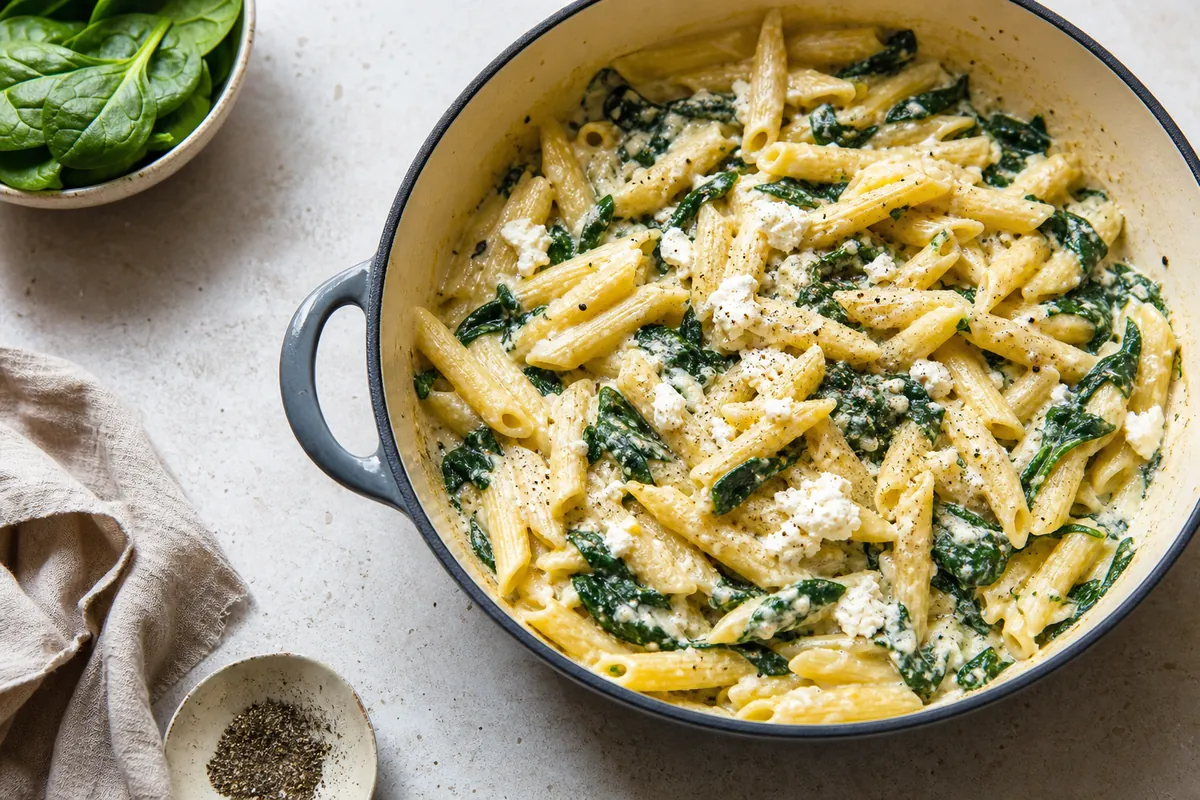
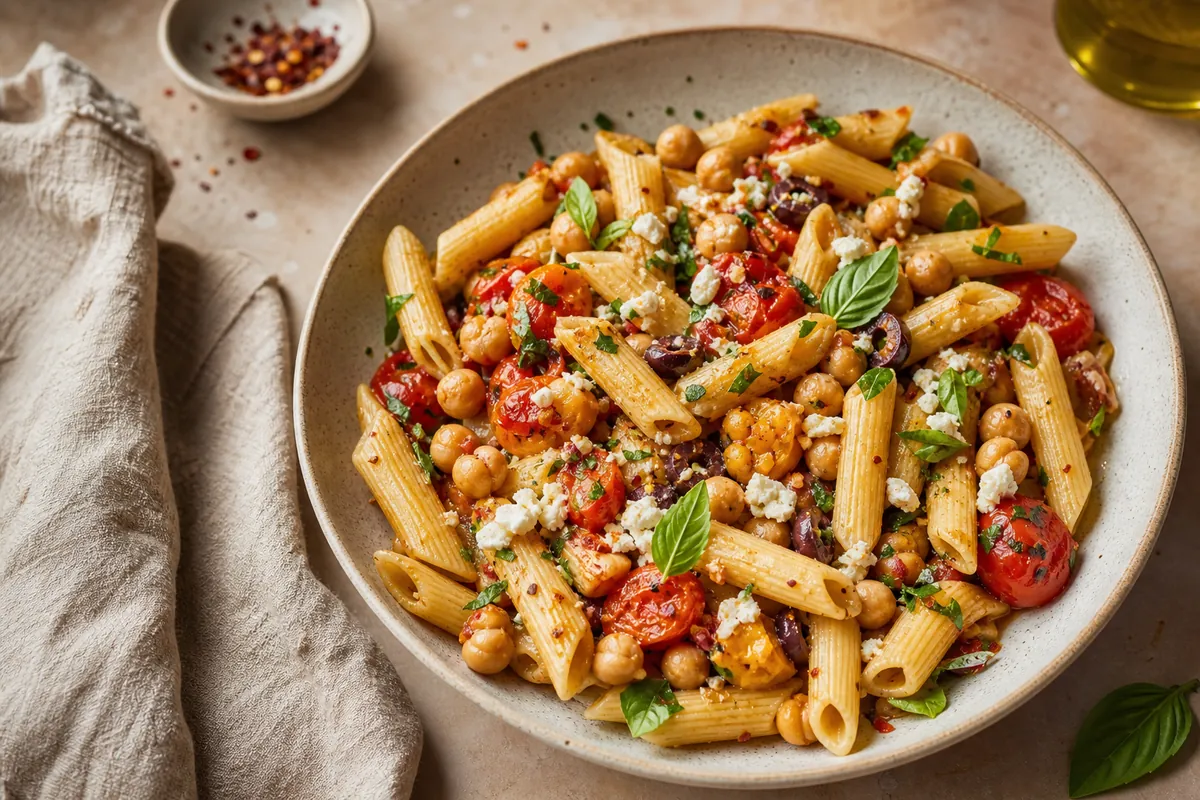
Timing aromatics before adding pasta is the core sequence behind Mediterranean chickpea pasta and spinach ricotta pasta as well.
What You Need
- 12 oz linguine (dry)
- 1 lb large shrimp (21/25 count), peeled and deveined
- 3 cups broccoli florets (about 1 medium head, cut small)
- 3 tablespoon olive oil, divided
- 2 tablespoon fresh lemon juice (about 1 large lemon)
- 1 teaspoon lemon zest
- ½ teaspoon kosher salt
- ¼ teaspoon black pepper
- ¼ teaspoon red pepper flakes
- 5 cloves garlic, minced
- 2 tablespoon fresh parsley, chopped (for garnish)
- 3½ cups low-sodium chicken or vegetable broth
- ¼ cup grated Parmesan (optional, for serving)
Ingredient Details
- Shrimp (21/25 count)The count refers to how many shrimp per pound - 21/25 means large shrimp. Smaller shrimp (31/40) cook in about 90 seconds and are harder to time correctly in a busy pan. Frozen shrimp work; thaw completely and pat dry to prevent steaming.
- LinguineBreak the linguine in half before adding to the pan - full-length strands are difficult to submerge in a single-layer simmer. Halved noodles distribute evenly and cook more uniformly in the broth.
- Broccoli floretsCut florets small - no larger than 1 inch across. Larger pieces stay raw in the center while the pasta finishes. The cut surfaces also absorb more of the garlicky broth.
- Lemon juiceUse fresh, not bottled. Bottled lemon juice is pasteurized and has a flat, slightly bitter flavor that is amplified in a light oil-based sauce. One large lemon yields about 2 tablespoons.
- GarlicFive cloves is the right amount for a pound of shrimp and 12 oz of pasta - it sounds like a lot but the broth dilutes the intensity. If your garlic is old or pre-minced from a jar, add a sixth clove to compensate for lost pungency.
Ingredient Swaps
The lemon-garlic oil base pairs well with most seafood and vegetables - swaps are straightforward and the cook time stays the same.
- Shrimp → sea scallops: Sear scallops separately for 2 minutes per side in a hot pan, then plate over the finished pasta - do not cook them in the broth or they will become rubbery.
- Linguine → spaghetti: Direct swap at the same quantity; the thinner diameter of spaghetti may reduce the cook time by 1-2 minutes so check earlier.
- Broccoli → broccolini: More tender stalks that cook slightly faster - add them 2 minutes after the pasta starts rather than at the same time.
- Chicken broth → clam juice diluted with water (50/50): Intensifies the seafood profile significantly; use if you want a more oceanic flavor throughout the broth.
- Parmesan → no cheese: The dish works entirely without cheese - the emulsified oil-starch sauce is complete on its own for a dairy-free version.
Large Shrimp vs Small Shrimp
Large (21/25): more forgiving timing - you have a wider window between underdone and overcooked
Skip large if: you only have small shrimp - just add them at the very last minute and watch closely
Broth-Cooked vs Sauce-Pan Method
Broth in one pot: pasta absorbs seasoning throughout, broccoli softens naturally, no draining required
Skip one-pot if: you want extra-crispy broccoli - roast it separately and add at the end instead
The same pot and timing work for roasted red pepper pasta and artichoke spinach pasta - only the seasoning and add-ins change.
Instructions
This cooks in a wide, deep skillet or sauté pan - enough surface area for the linguine to lay flat and the broccoli to distribute without mounding. The shrimp go in last, so have them peeled and ready on the counter before you start the pasta.
- Build the garlic base. Heat 2 tablespoon olive oil in a large skillet over medium heat. Add garlic and red pepper flakes and cook 90 seconds, stirring constantly, until fragrant but not browned. Browned garlic will taste bitter throughout the entire dish.
- Add broth and pasta. Pour in broth and bring to a boil over high heat. Add linguine (broken in half) and stir to keep strands from clumping. Reduce to a vigorous simmer.
- Add broccoli. Add broccoli florets to the pan, pressing them down into the liquid. Cover and cook 10-12 minutes, stirring every 3-4 minutes, until pasta is almost al dente and broccoli is tender-crisp.
- Add shrimp. Season shrimp with salt and pepper. Nestle them into the pasta and broccoli in a single layer. Cover and cook 2-3 minutes until shrimp are pink, opaque, and form a loose C shape.
- Finish the sauce. Remove from heat. Drizzle with remaining 1 tablespoon olive oil, lemon juice, and lemon zest. Toss gently to coat - the starchy broth will emulsify with the oil into a light sauce.
- Serve immediately. Divide into bowls and top with fresh parsley and Parmesan if using. The emulsified sauce breaks if left sitting - serve within 5 minutes of finishing.
What to Serve With It
| Side Dish | Prep | Why It Works | How to Serve |
|---|---|---|---|
| Crusty sourdough | Easy | Thick-crumbed bread is the best vehicle for the lemon-garlic broth left in the bowl | Slice and warm in a 350°F oven for 5 minutes, or toast directly on a grill pan |
| Simple green salad | Easy | A neutral vinaigrette salad resets the palate between bites of the intense garlic-lemon pasta | Dress mixed greens with olive oil, white wine vinegar, salt, and pepper |
| Roasted cherry tomatoes | Easy | Bursting tomatoes add acidity and sweetness that complements the briny shrimp | Roast halved cherry tomatoes at 400°F with olive oil for 15 minutes until slightly caramelized |
| Garlic bread | Easy | Doubles down on the garlic theme cohesively and handles the oil-based sauce in the bowl | Spread garlic butter on a halved baguette and broil 3 minutes until golden |
| Steamed asparagus | Easy | Asparagus and lemon-garlic are a natural pairing that mirrors the dish's flavor profile | Steam trimmed spears 4 minutes, finish with a squeeze of lemon and flaky salt |
Add zucchini noodle version and butternut squash pasta to your rotation - all three keep 3 days in the refrigerator and reheat with a splash of broth.
Store and Reheat
| Method | Time | Best For |
|---|---|---|
| Skillet over medium-low | 3-4 min | Best for pasta texture - add 2 tablespoon broth or water, cover to steam, and fold gently to avoid breaking shrimp |
| Microwave at 60% power | 90 sec | Quick option - cover tightly; shrimp texture degrades noticeably on the second heat but is acceptable |
| Cold, in a bowl | No reheating | The best next-day option - dress with extra lemon juice and olive oil and eat as a cold pasta salad |
- Refrigerate in an airtight container within 2 hours; keeps 2 days. Shrimp degrade faster than pasta - consume leftovers within 48 hours for best texture.
- Do not freeze - shrimp become watery and the pasta turns mushy after thawing.
- Store the lemon juice and zest garnish separately if making ahead; acids continue to break down pasta and shrimp protein in the refrigerator.
- Reheat gently on medium-low with added liquid - high heat toughens the shrimp beyond recovery.
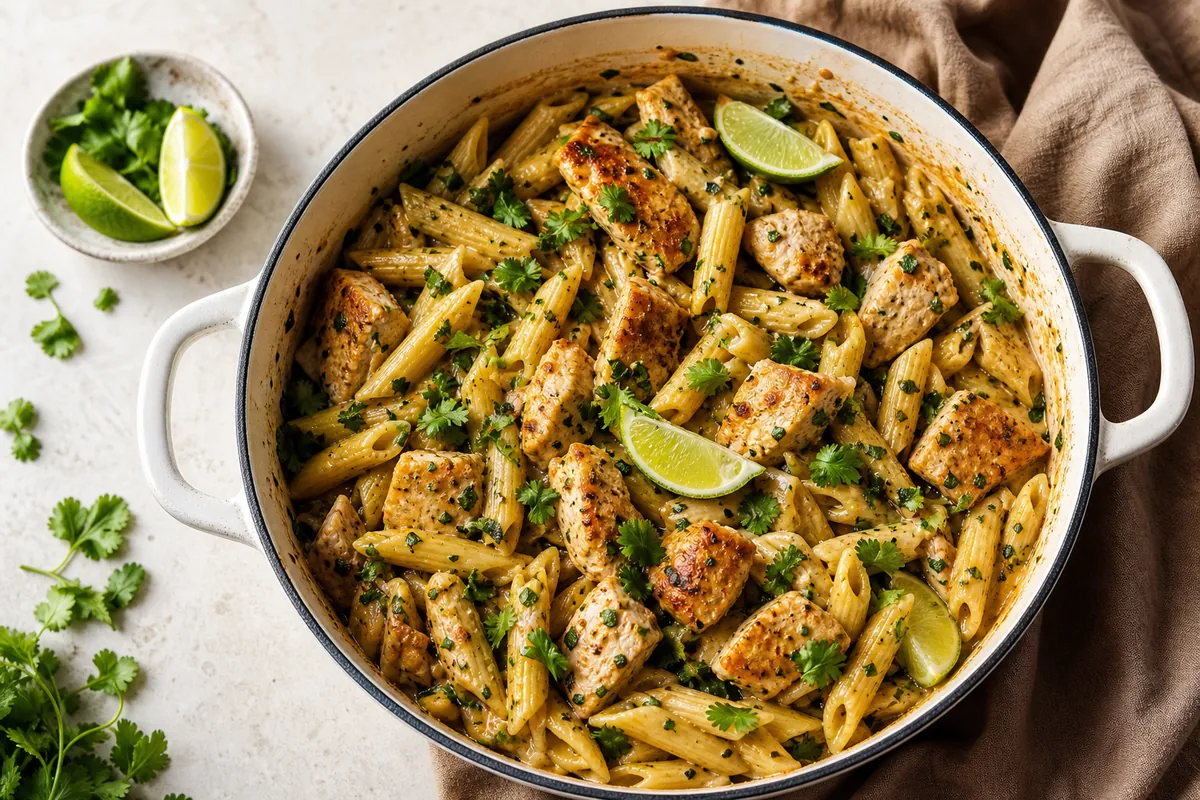
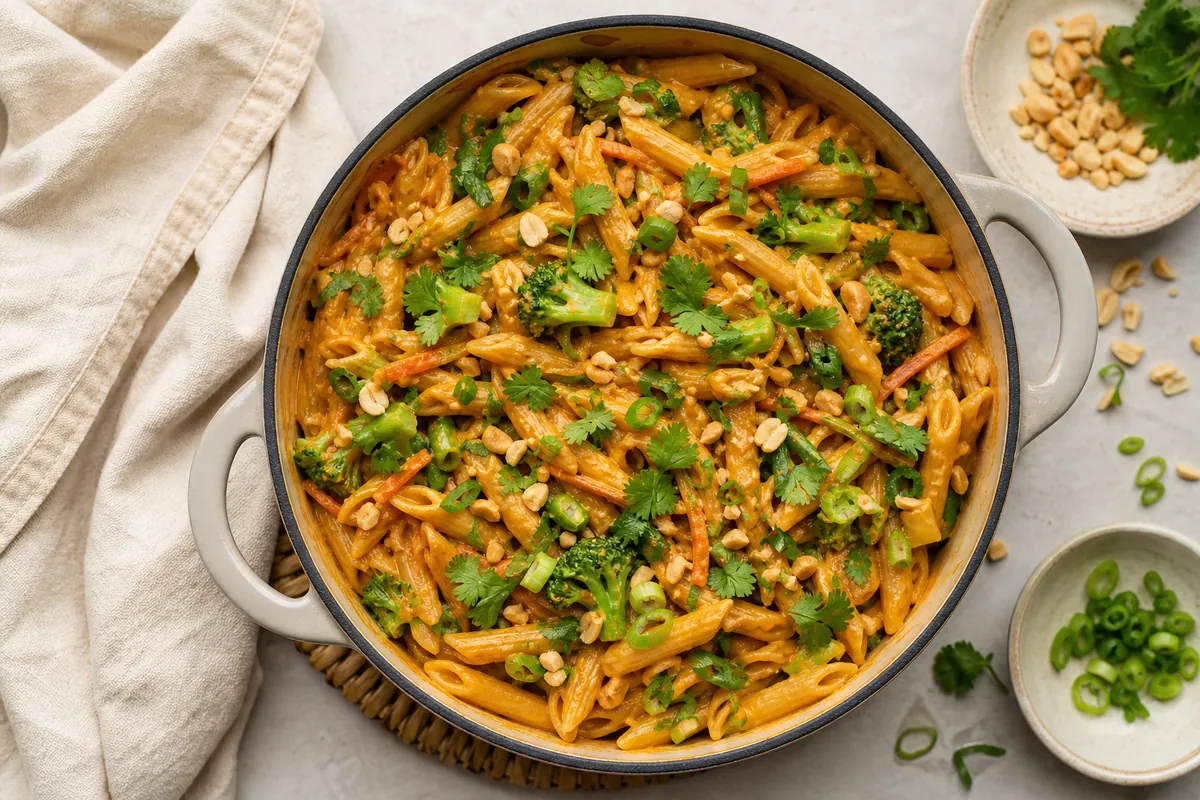
These reheating and storage answers transfer directly to Thai peanut version and Tuscan chicken pasta without any modification.
Frequently Asked Questions
How do I know when the shrimp are perfectly cooked?
Look at the shape: a loose C means done, a tight O means overcooked. As soon as the shrimp turn pink and opaque throughout with a gentle curve, pull them from the heat immediately.
If you are unsure, cut one shrimp in half - the interior should be white and opaque all the way through with no translucent gray center.
Can I use frozen shrimp without thawing?
Frozen shrimp added directly to the pan release excess water that dilutes the sauce and dramatically lowers the pan temperature. Thaw them overnight in the refrigerator or under cold running water for 5 minutes, then pat completely dry.
The sauce looks watery - how do I fix it?
Remove the shrimp and broccoli, then simmer the liquid uncovered for 2-3 minutes to reduce it. The starch from the pasta will concentrate and the sauce will tighten quickly.
This usually happens when frozen broccoli is used - it releases more water than fresh florets as it thaws in the pan.
Can I make this dish without pasta?
Yes - substitute cauliflower rice or zucchini noodles. Cook the shrimp and broccoli in the garlic-lemon broth for 5 minutes total, then toss in the zucchini noodles off heat (they need no cooking) or stir in 2 cups pre-cooked cauliflower rice.
What pasta shape besides linguine works best?
Spaghetti is the closest substitute and works equally well. Avoid thick shapes like rigatoni or penne - they take longer to cook and extend the window during which the shrimp might accidentally overcook.
Angel hair cooks in under 5 minutes in broth, which is actually too fast - the broccoli will still be raw when the pasta is done.
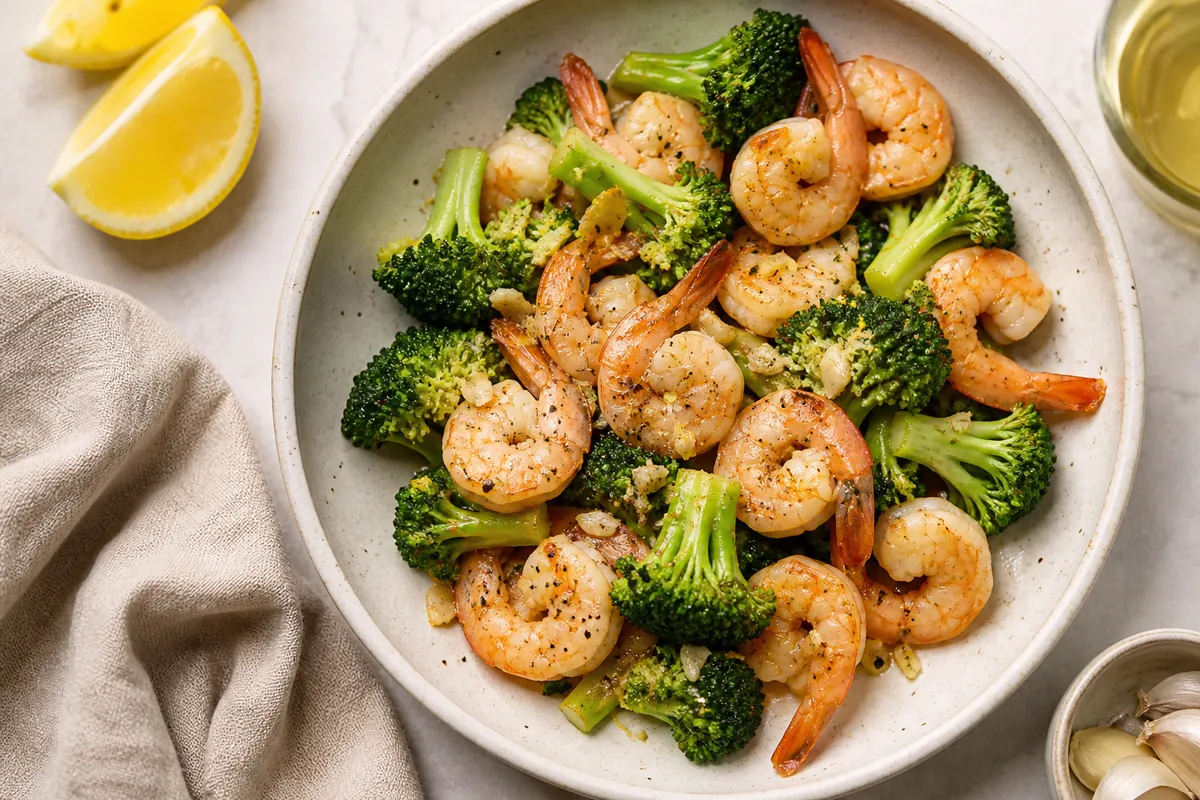
Lemon Garlic Shrimp Broccoli
Ingredients
Equipment
Method
- Heat 2 tablespoon olive oil in a large skillet over medium. Add garlic and red pepper flakes; cook 90 seconds until fragrant but not browned.
- Add broth and bring to a boil. Add halved linguine and stir to prevent clumping. Reduce to a vigorous simmer.
- Add broccoli florets, pressing into the liquid. Cover and cook 10–12 minutes, stirring every 3–4 minutes, until pasta is almost al dente.
- Season shrimp with salt and pepper. Nestle into the pasta. Cover and cook 2–3 minutes until pink, opaque, and loosely curled.
- Remove from heat. Drizzle with remaining 1 tablespoon olive oil, lemon juice, and lemon zest. Toss gently.
- Serve immediately topped with parsley and Parmesan.
Notes
- Pat shrimp completely dry before adding — moisture causes steaming and delays browning.
- Loose C shape = done; tight O = overcooked — act on the C.
- Break linguine in half for even distribution in the pan.
- Add lemon juice off heat to preserve brightness and protect pasta texture.
- Eat leftovers within 48 hours — shrimp degrade faster than pasta in the fridge.
Tried this recipe?
Let us know how it was!
Carrie is a food writer and editor with more than 15 years of experience. She has worked for some of the biggest names in the food industry, including Bon Appétit, Food & Wine, and Martha Stewart Living.
As the Editor in Chief of EpicureDelight, Carrie oversees all of the content on the site. She also manages the team of contributing writers and editors, who help to create delicious recipes, helpful tips, and informative articles that you’ll find on the site.
A native of the Chicago area, Carrie is passionate about all things food. She loves trying new restaurants and experimenting with new recipes in her kitchen. She’s also a graduate of the Culinary Institute of America, so she knows a thing or two about food!