Spinach and ricotta one-pot pasta builds a creamy, lighter-style sauce without any heavy cream - the ricotta is added cold at the end, where the residual heat softens it into thick, spoonable dollops across the pasta. This recipe fits into the one-pot pasta series as the lightest cream-adjacent option, using garlic, olive oil, and pasta water as the actual sauce base.
Penne rigate is the best shape here because its ridged surface holds the starchy pasta water sauce and gives the ricotta something to rest in rather than sliding off smooth noodles.
Baby spinach wilts in 60 seconds of residual heat - no blanching, no separate pan, no squeezing needed. Add it off the burner and let the pan temperature do the work.
Spinach and Ricotta One-Pot Pasta - penne rigate cooked in garlic-infused broth until the liquid reduces to a light pasta water sauce, finished with baby spinach and cold ricotta dolloped over the top for a creamy, vegetarian dinner.
Remember it later
Planning to try this recipe soon? Save it for a quick find later!
Why This Recipe Works
The sauce in this dish is pasta water - the starchy, salty liquid remaining in the pan after the broth reduces. When you toss the cooked penne in this concentrated starch water with olive oil, the starch acts as an emulsifier, coating each piece of pasta in a thin, glossy film. The ricotta then provides creamy pockets on top without needing to integrate into a unified cream sauce.
- Garlic-infused oil as the base: Cooking five cloves of garlic in olive oil for 2 minutes transfers the pungent allicin compounds into the fat. That flavored oil then disperses into every component of the dish as the broth and pasta are added.
- Penne rigate over smooth penne: The ridges on rigate penne create microscopic grooves that trap the thin pasta water sauce. Smooth penne allows the sauce to run off and pool at the bottom of the bowl rather than coating each piece.
- Baby spinach off heat: Fresh spinach wilts completely in the residual heat of the pan (around 180°F surface temperature) without releasing the excess water that cooking over a burner produces. This keeps the sauce from becoming watery and the spinach from turning khaki-colored.
- Ricotta dolloped on top: Cold ricotta placed on hot pasta softens from the outside in, creating a gradient of textures - slightly warm and fluid at the edges, cool and dense at the center. Stirring it in destroys this textural contrast and can cause the dairy proteins to seize into grainy curds.
The same one-pot approach - cook pasta directly in the sauce liquid - works identically for roasted red pepper pasta and artichoke spinach pasta.
What You Need
- 12 oz penne rigate (dry)
- 5 oz baby spinach (about 5 loosely packed cups - it reduces dramatically)
- ¾ cup whole-milk ricotta (cold from the refrigerator)
- ¼ cup grated Parmesan
- 3 tablespoon olive oil, divided
- ½ teaspoon kosher salt
- ¼ teaspoon black pepper
- ¼ teaspoon freshly grated nutmeg
- ¼ teaspoon red pepper flakes
- 5 cloves garlic, thinly sliced (not minced)
- 1 tablespoon fresh lemon zest
- 3½ cups low-sodium vegetable broth
Ingredient Details
- Penne rigateThe ridges are essential - smooth penne loses the pasta water sauce into the bowl. Standard 12 oz boxes cook correctly in 15-18 minutes in simmering broth. Whole-wheat penne takes 2-3 minutes longer.
- Whole-milk ricottaPart-skim ricotta has a grainier texture and less fat, which means it can break more easily when placed on very hot pasta. Whole-milk ricotta stays creamy and cohesive. Buy from the deli counter if possible - the freshness difference is significant.
- Baby spinachFive ounces looks like an enormous amount before it wilts but reduces to about 1 cup cooked. Do not substitute frozen spinach - it contains too much water and will dilute the pasta water sauce.
- Garlic (sliced, not minced)Slicing garlic instead of mincing it produces a milder, sweeter flavor when cooked in olive oil - minced garlic at this quantity in a slow oil infusion can become sharp. Slices also provide a pleasant textural element in the finished dish.
- NutmegA quarter teaspoon of freshly grated nutmeg is the traditional seasoning with ricotta and spinach in Italian cooking. Pre-ground nutmeg loses its aromatic punch within a few months of opening - freshly grated from a whole nutmeg makes a noticeable difference.
Ingredient Swaps
The ricotta-spinach combination is classic Italian and accommodates several protein add-ins without changing the method.
- Penne rigate → rigatoni: Larger tube shape with deeper ridges; increase cook time by 2-3 minutes and add an extra ¼ cup broth to compensate for the larger pasta volume.
- Baby spinach → frozen spinach (thawed and squeezed): If using frozen, squeeze out all liquid first - even a small amount of retained water will thin the pasta water sauce significantly.
- Ricotta → cottage cheese (small curd, strained): Strain cottage cheese through a fine mesh sieve for 30 minutes to remove excess liquid before using; the flavor and texture are similar when cold.
- Vegetable broth → pasta water from a separate pot: If you cook the pasta separately, reserve 1½ cups of the starchy cooking water to use as the sauce base instead.
- Parmesan → Pecorino Romano: Saltier and more pungent; use 3 tablespoon instead of ¼ cup to avoid over-salting.
Whole-Milk Ricotta vs Part-Skim Ricotta
Whole-milk: richer, creamier, stays cohesive on hot pasta without breaking into dry curds
Skip whole-milk if: you need a lower-fat version - part-skim works but stir it in gently and serve immediately before it firms up
Sliced Garlic vs Minced Garlic
Sliced: slower, sweeter infusion into the oil - produces a mellower garlic flavor throughout the dish
Skip sliced if: you prefer a bolder, sharper garlic hit - mince it instead and reduce the quantity to 4 cloves
For a different flavor profile using the same one-pot method, zucchini noodle version and butternut squash pasta both fit the same weeknight window.
Instructions
This dish requires the most attention to liquid level of any recipe in the batch - the goal is to finish cooking the penne with a small amount of concentrated starchy broth still in the pan. That residual liquid is the sauce.
- Infuse the garlic oil. Heat 2 tablespoon olive oil in a large deep skillet over medium-low heat. Add sliced garlic and cook 3 minutes, stirring occasionally, until the slices are soft and fragrant. Do not let them brown - golden garlic becomes bitter. Add red pepper flakes and cook 30 seconds more.
- Add broth and pasta. Pour in vegetable broth and bring to a boil over high heat. Add penne rigate and stir to distribute. Season with salt, pepper, and nutmeg.
- Cook the pasta. Reduce to a vigorous simmer. Cover and cook 14-16 minutes, stirring every 4 minutes and checking the liquid level. The broth should reduce gradually - at the 14-minute mark, aim for about ½ cup of liquid remaining in the pan.
- Finish the sauce. When penne is al dente, remove from heat. Drizzle in the remaining 1 tablespoon olive oil and stir vigorously for 30 seconds - the starch from the pasta and the oil will emulsify into a light, glossy sauce coating.
- Add spinach and lemon zest. Pile baby spinach over the pasta and cover the pan. Let sit off heat for 60-90 seconds until spinach is fully wilted. Toss gently to incorporate. Stir in grated Parmesan.
- Finish with ricotta. Divide the pasta into bowls and immediately dollop cold ricotta (about 3 tablespoon per bowl) over the top. Serve at once - do not stir the ricotta in.
What to Serve With It
| Side Dish | Prep | Why It Works | How to Serve |
|---|---|---|---|
| Crusty Italian bread | Easy | The garlic-infused pasta water sauce is worth soaking up — thick bread is the right vehicle | Slice ciabatta or a rustic boule and warm in a 350°F oven for 5 minutes |
| Simple arugula salad | Easy | Peppery arugula cuts through the rich ricotta and provides textural contrast to the soft pasta | Dress with lemon juice, olive oil, and shaved Parmesan |
| Roasted cherry tomatoes | Easy | Tomato acidity balances the creamy ricotta and mirrors the classic ricotta-tomato pairing | Halve 1 cup cherry tomatoes, toss with oil, roast at 400°F for 15 min until blistered |
| Sautéed mushrooms | Easy | Earthy mushrooms complement the nutmeg-spinach-ricotta thread and add umami without meat | Sauté 2 cups sliced cremini mushrooms in butter over high heat 5 minutes until browned |
| Caprese salad | Easy | Fresh mozzarella and basil echo the fresh dairy theme of the ricotta in the pasta | Alternate sliced tomato and fresh mozzarella, dress with olive oil, salt, and basil |
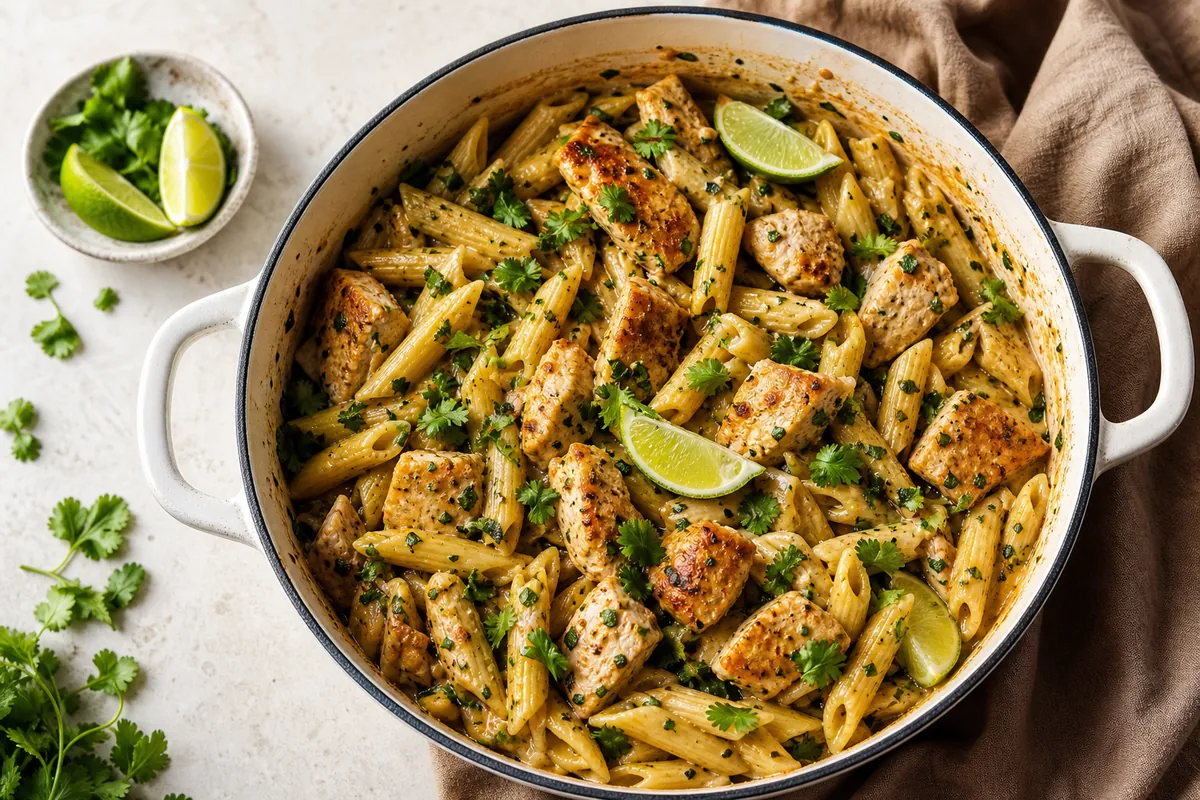
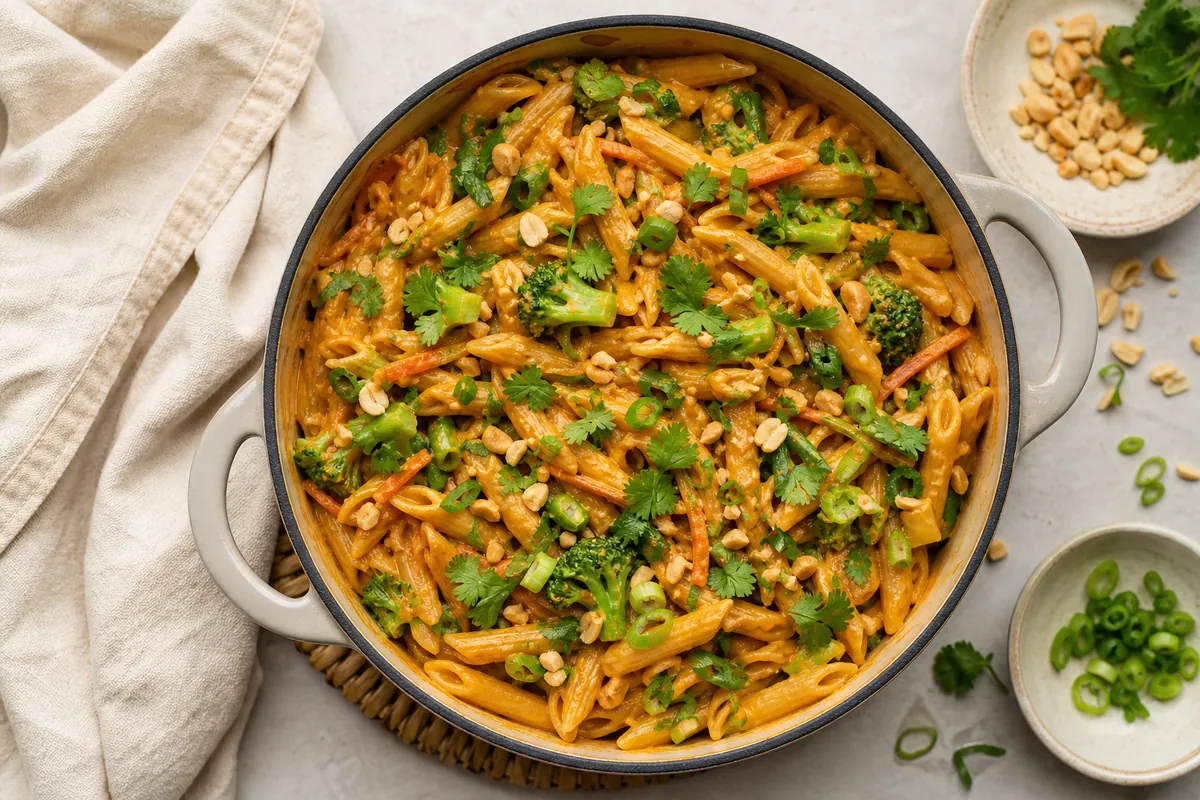
These storage times apply equally to Thai peanut version and Tuscan chicken pasta - pasta dishes with light sauces keep well for up to 3 days refrigerated.
Store and Reheat
| Method | Time | Best For |
|---|---|---|
| Skillet over medium-low | 4-5 min | Best option - add 3 tablespoon broth or water, fold gently to prevent breaking the penne, and add fresh ricotta when plating |
| Microwave at 60% power | 90 sec | Quick - add a splash of water, cover tightly, stir halfway; the ricotta will have blended in but the pasta still tastes good |
| Cold pasta bowl | No reheating | Room temperature or slightly chilled with extra olive oil and lemon juice - the ricotta firms up cold and slices cleanly |
- Refrigerate penne (without ricotta) in an airtight container within 2 hours; keeps 4 days.
- Store unused ricotta separately in its original container - do not mix it into the pasta before storing or it will dissolve into the reheated dish.
- Penne absorbs all remaining sauce in the refrigerator and needs 3-4 tablespoon broth or water added when reheating.
- Do not freeze - ricotta and spinach both lose their texture completely on thawing.
The FAQs for spicy shrimp pasta and caprese pasta cover the same sauce-consistency and pasta doneness questions if you run into similar issues.
Frequently Asked Questions
Why does ricotta turn grainy when I cook it?
Ricotta is a fresh cheese with a high moisture content. When exposed to sustained heat above 160°F, the whey proteins denature and contract, squeezing out liquid and forming dry, grainy curds. The fix is always to add it cold at the very end, off heat.
Can I add protein to this dish?
Yes - sear 1 lb of Italian sausage crumbles or thin-sliced chicken breast in the pan before the garlic, then drain excess fat before proceeding. The sausage fond adds excellent flavor to the pasta water sauce.
Alternatively, fold in 1 cup of cooked white beans with the spinach for a vegetarian protein boost that pairs naturally with the Italian flavor profile.
My pasta water sauce disappeared before the pasta was done. What do I do?
Add ¼ cup of hot water immediately, stir to incorporate, and cover the pan. The pasta starch already released into the liquid will reconstitute the sauce quickly.
Going forward, keep the heat at a vigorous simmer rather than a rolling boil - a full boil evaporates the broth too fast for the pasta to absorb it at the correct rate.
Can I use frozen spinach instead of fresh?
You can, but you must thaw it completely and squeeze out every bit of excess water first. Even a small amount of retained water will thin the pasta water sauce into a watery broth. Use about 4 oz (half a standard 10 oz block) after squeezing.
How do I make the garlic flavor stronger?
Use minced garlic instead of sliced, increase to 6 cloves, and cook for just 60 seconds over medium heat rather than the slower 3-minute infusion. Minced garlic releases more pungent compounds faster and delivers a sharper, more forward flavor.
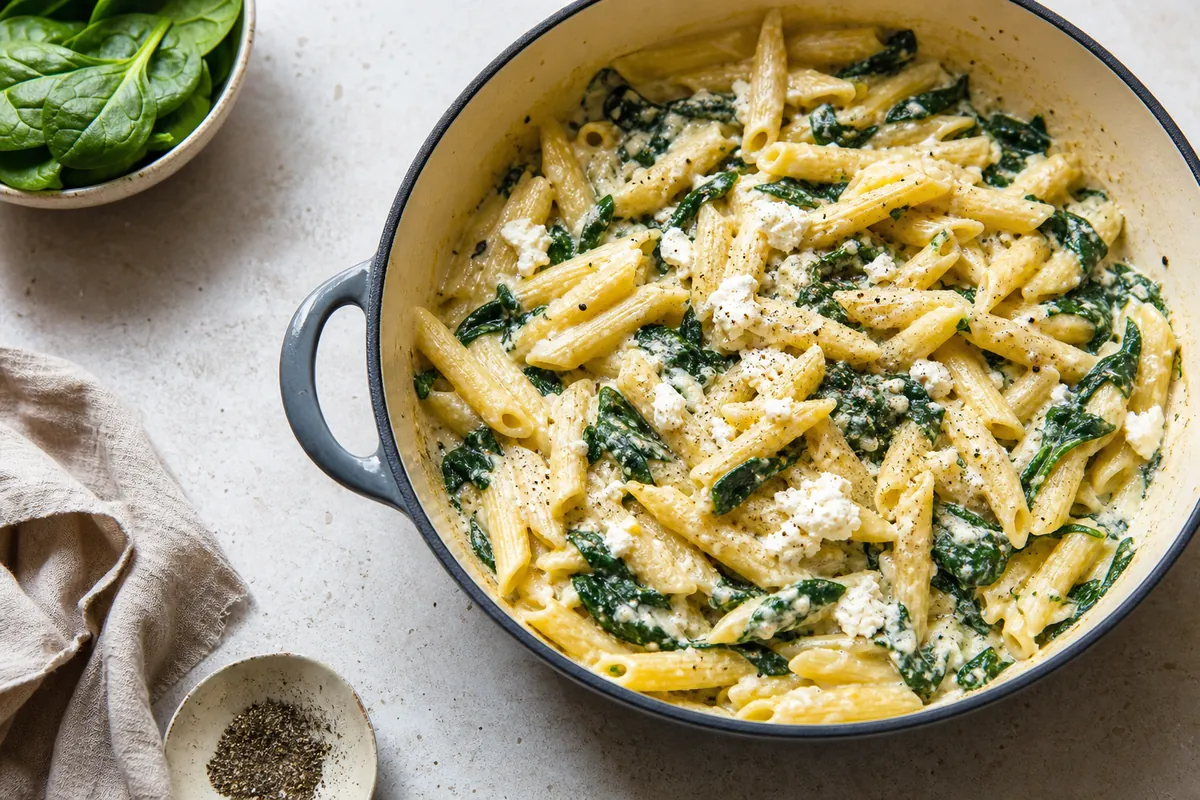
Spinach and Ricotta One-Pot Pasta
Ingredients
Equipment
Method
- Heat 2 tablespoon olive oil in a large skillet over medium-low. Add sliced garlic and cook 3 minutes until soft and fragrant but not browned. Add red pepper flakes; cook 30 seconds.
- Add vegetable broth and bring to a boil. Add penne rigate and stir. Season with salt, pepper, and nutmeg.
- Reduce to a vigorous simmer. Cover and cook 14–16 minutes, stirring every 4 minutes, until penne is al dente and about ½ cup liquid remains.
- Remove from heat. Drizzle in remaining 1 tablespoon olive oil and stir 30 seconds to emulsify the sauce. Stir in Parmesan.
- Pile spinach over the pasta, cover the pan, and let sit 60–90 seconds until wilted. Add lemon zest and toss gently.
- Divide into bowls. Dollop cold ricotta (about 3 tbsp) over each serving. Serve immediately without stirring in the ricotta.
Notes
- Dollop ricotta cold on top — stirring into hot pasta breaks it into grainy curds.
- Reserve ½ cup liquid at the 14-minute mark — this is the sauce base.
- Garlic slices stay sweeter and milder than minced; do not let them brown.
- Fresh spinach only — frozen releases water that thins the sauce.
- Penne absorbs all sauce overnight; add broth when reheating leftovers.
Tried this recipe?
Let us know how it was!
Carrie is a food writer and editor with more than 15 years of experience. She has worked for some of the biggest names in the food industry, including Bon Appétit, Food & Wine, and Martha Stewart Living.
As the Editor in Chief of EpicureDelight, Carrie oversees all of the content on the site. She also manages the team of contributing writers and editors, who help to create delicious recipes, helpful tips, and informative articles that you’ll find on the site.
A native of the Chicago area, Carrie is passionate about all things food. She loves trying new restaurants and experimenting with new recipes in her kitchen. She’s also a graduate of the Culinary Institute of America, so she knows a thing or two about food!