
When we think of a quick and hearty breakfast, scrambled eggs often come to mind, but why not make them a little more exciting? Mediterranean scrambled eggs take the classic dish to the next level by adding bright ingredients like tomatoes, olives, and feta.
With just a few extra touches, these eggs become something special-fluffy, creamy, and bursting with fresh flavors.

I first made Mediterranean scrambled eggs on a lazy Sunday morning when I wanted something filling but a bit different from my usual go-to. The combination of creamy feta, savory olives, and juicy tomatoes turned what could have been a basic breakfast into a Mediterranean-inspired dish.
Now, it's a meal I crave often-simple, satisfying, and packed with flavor.
Why You'll Keep Coming Back to This
This twist on scrambled eggs is quick, flavorful, and sure to brighten up your mornings.
- Packed with Mediterranean flavors-tomatoes, olives, and feta
- Ready in under 10 minutes
- Customizable with your favorite Mediterranean ingredients
- Light yet satisfying, perfect for breakfast or brunch
What You'll Need to Make Mediterranean Scrambled Eggs
You don't need a lot of ingredients to make this Mediterranean-inspired dish come together.
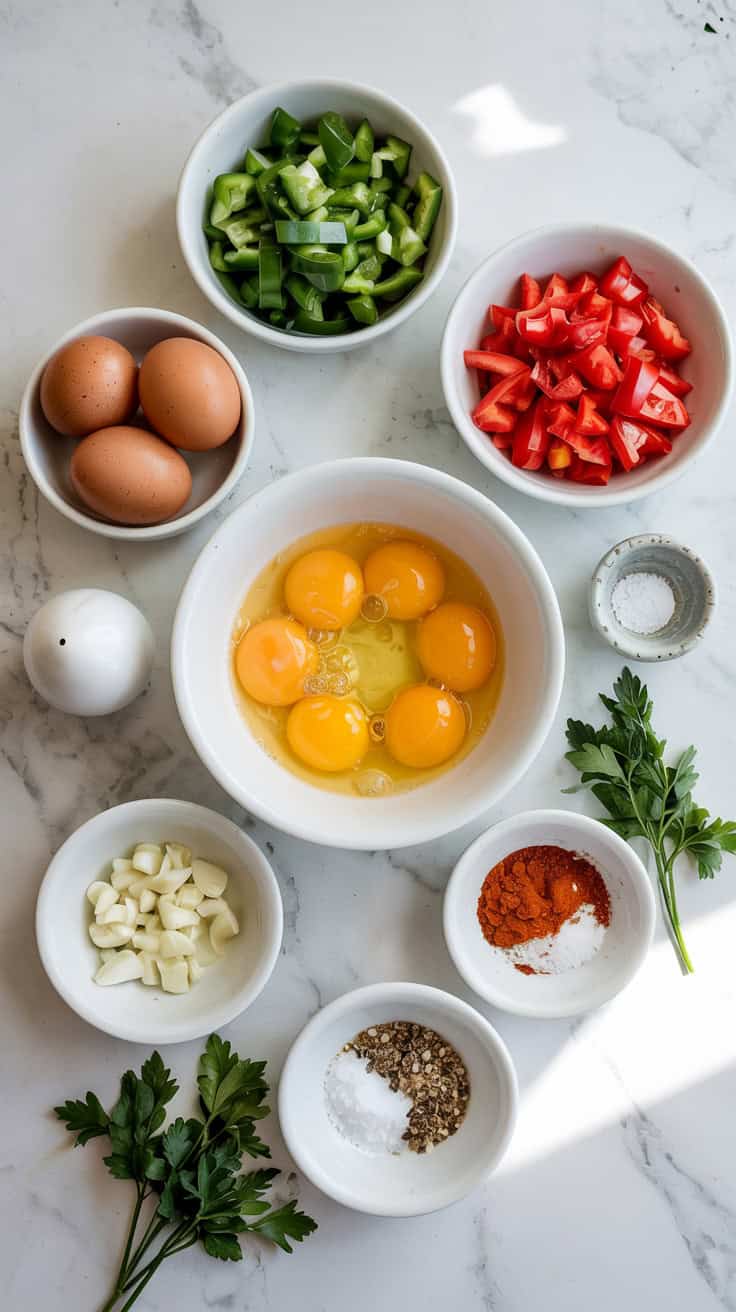
- Eggs - The base for the dish, making it creamy and rich
- Tomatoes - Fresh or sun-dried, for sweetness and juiciness
- Feta Cheese - Crumbled for that creamy, tangy kick
- Olives - Black or Kalamata, pitted and chopped for saltiness
- Olive Oil - For cooking the eggs and adding richness
- Garlic - Minced, for an aromatic touch
- Fresh Herbs - Parsley, basil, or oregano to bring freshness
- Salt and Pepper - For seasoning the eggs to perfection
With these simple ingredients, you can bring the Mediterranean right into your kitchen.
Step-by-Step Guide to Making Mediterranean Scrambled Eggs
These scrambled eggs come together in no time, with each step building flavor.
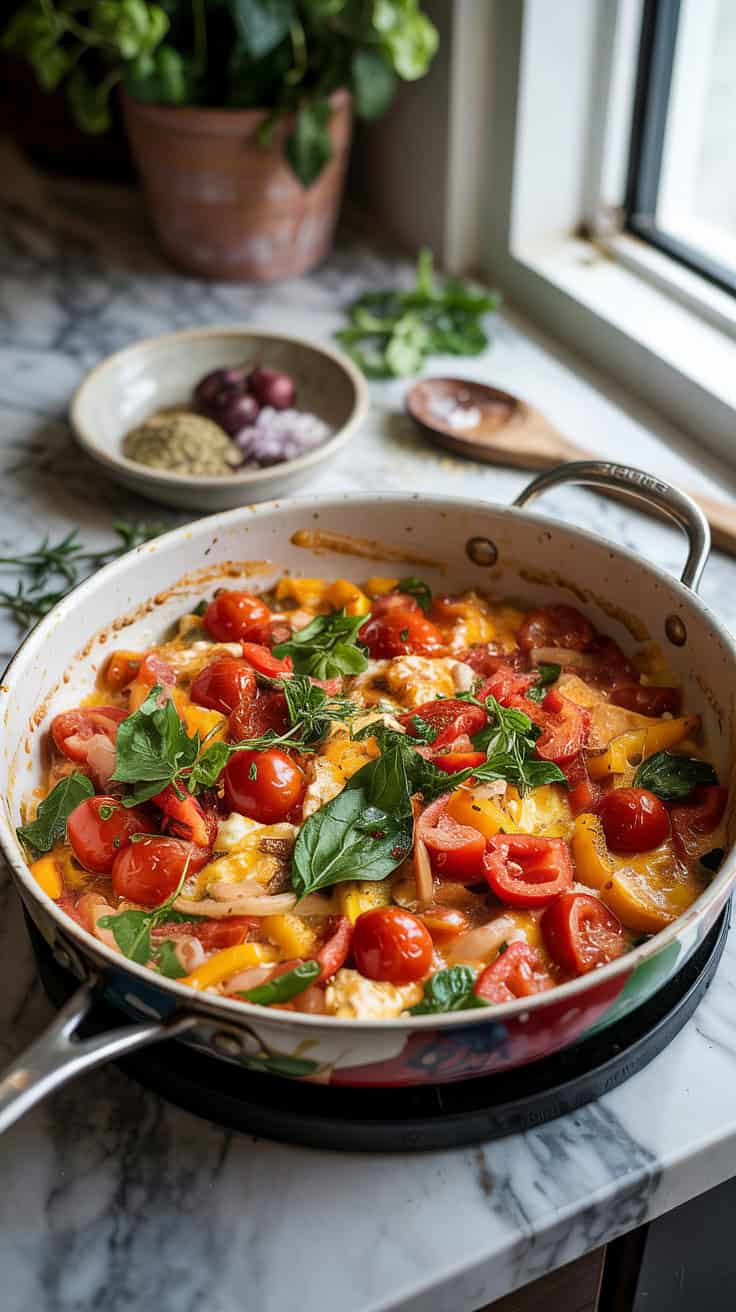
- Cook the Vegetables - Heat olive oil in a pan. Add minced garlic and sauté until fragrant, about 1 minute. Then add chopped tomatoes and cook for another 2-3 minutes until soft.
- Scramble the Eggs - Crack the eggs into a bowl, whisk them, and then pour them into the pan with the cooked tomatoes. Stir gently, allowing the eggs to cook softly and mix with the tomatoes.
- Add the Olives and Feta - Once the eggs are nearly done, stir in the chopped olives and crumbled feta cheese. Let the cheese melt slightly into the eggs.
- Season and Serve - Season the eggs with salt and pepper to taste, then garnish with fresh herbs. Serve immediately, with toasted bread or on its own.
These Mediterranean scrambled eggs are soft, creamy, and packed with flavor, offering a refreshing twist on a classic breakfast dish.
What to Serve Alongside
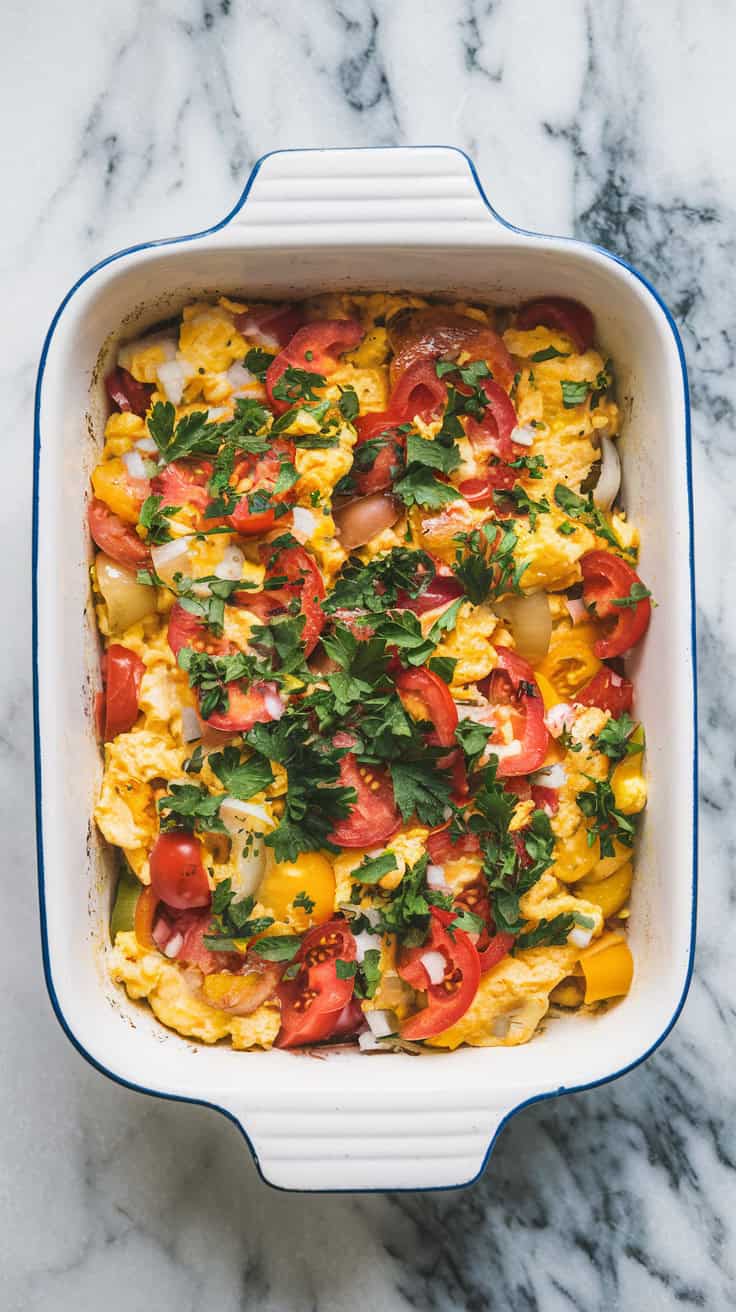
Pairing your scrambled eggs with a few simple sides can turn this into a full meal.
| Side Dish | Why It Works |
|---|---|
| Toasted Sourdough | The crispy bread goes with the creamy eggs |
| Greek Salad | Fresh veggies and feta balance the richness of the eggs |
| Hummus | Adds creaminess and a rich, nutty flavor |
| Roasted Potatoes | Crispy, savory potatoes are the perfect side to eggs |
| Pita Bread | Soft and pillowy, great for dipping into the eggs |
| Cucumber Slices | Light and refreshing, offering a crisp contrast |
| Olives | A handful of olives to improve the Mediterranean theme |
These sides complete the meal while keeping the flavors fresh and light.
How to Store and Reheat Mediterranean Scrambled Eggs
If you have leftovers, storing and reheating Mediterranean scrambled eggs is easy.
To store: Let the eggs cool before placing them in an airtight container. They will keep in the fridge for 1-2 days.
To reheat: Warm the eggs in a pan over low heat, stirring occasionally. You may need to add a little olive oil or butter to bring back the creaminess.
Alternatively, you can microwave them in short intervals, though they're best enjoyed fresh.
Frequently Asked Questions
1. Can I add other vegetables?
Yes! Feel free to add spinach, mushrooms, or bell peppers to the eggs for extra flavor and nutrition.
2. Can I use different cheese?
You can substitute feta with goat cheese or ricotta for a different texture and flavor.
3. Can I make this vegan?
Yes, you can use tofu or chickpea flour instead of eggs for a vegan version. Substitute the feta with vegan cheese.
4. Can I make these eggs ahead of time?
Scrambled eggs are best fresh, but you can prep the vegetables and cheese ahead of time and cook the eggs when you're ready to eat.
5. Can I use sun-dried tomatoes instead of fresh?
Yes, sun-dried tomatoes work well in this dish, providing a richer, tangier flavor.
These Mediterranean scrambled eggs are light, flavorful, and packed with goodness. With tomatoes, olives, and feta, they're a delicious twist on a classic breakfast.
Serve them on their own or with your favorite sides for a meal that's sure to satisfy.
Mediterranean Scrambled Eggs
Ingredients
Equipment
Method
- Heat olive oil in a pan. Add chopped onions, bell peppers, and garlic, sautéing until softened, about 2-3 minutes.
- Stir in chopped tomatoes and cook until they soften, about 3-4 minutes.
- Add paprika, salt, and pepper to the pan. Stir to combine and cook for another minute.
- Crack the eggs into the pan, gently stirring them into the vegetables. Cook for 2-3 minutes until the eggs are set but still soft.
- Serve the scrambled eggs immediately, garnished with fresh parsley.
Notes
- Add feta cheese or olives for extra Mediterranean flavor.
- Feel free to add other vegetables like spinach or zucchini.
- For extra heat, sprinkle some chili flakes on top.
Tried this recipe?
Let us know how it was!Mediterranean Scrambled Eggs is popular because it delivers bold, satisfying flavor with relatively simple ingredients and techniques. It travels well from kitchen to table and adapts easily to personal taste.
Yes - Mediterranean Scrambled Eggs adapts well to common dietary needs. Gluten-free, dairy-free, and lower-calorie versions are achievable with simple swaps noted in the recipe.
Yes - the recipe scales up easily. Double or triple the quantities without changing the method. Just use a larger pan and extend cooking time slightly if needed.
The most common mistakes are overcrowding the pan (which steams instead of sears), under-seasoning, and not letting proteins rest before serving. A few small adjustments make a big difference.

Carrie is a food writer and editor with more than 15 years of experience. She has worked for some of the biggest names in the food industry, including Bon Appétit, Food & Wine, and Martha Stewart Living.
As the Editor in Chief of EpicureDelight, Carrie oversees all of the content on the site. She also manages the team of contributing writers and editors, who help to create delicious recipes, helpful tips, and informative articles that you’ll find on the site.
A native of the Chicago area, Carrie is passionate about all things food. She loves trying new restaurants and experimenting with new recipes in her kitchen. She’s also a graduate of the Culinary Institute of America, so she knows a thing or two about food!


