
Meyer lemons taste like someone dialed down the aggression on a regular lemon and turned up the fragrance. They're juicier, softer in acidity, and carry a faintly floral sweetness that makes them hard to replicate with a straight one-to-one swap.
The best meyer lemon substitute has to cover two things at once: the acidity the lemon brings, and the rounder, sweeter note that keeps the flavor from tasting sharp. Miss one of those, and your dish will either taste flat or too tart.
Every swap below is tuned for that balance. The table gives you quick ratios.
The sections after it walk through exactly when and how to use each one, for juice, zest, baking, and drinks.
Meyer lemons are sweeter and more aromatic than standard lemons. The best swaps replace both acidity and aroma. For most uses, regular lemon juice plus orange zest is the closest match. Add a pinch of sugar or honey drop to soften sharpness. Use zest whenever possible-it carries more of Meyer lemon's signature fragrance than juice alone.
5 Best Meyer Lemon Substitutes (Flavor-Matched)
The table below maps each swap to the ratio and the main flavor impact. Scan it first, then read the relevant section for technique.
| # | Substitute | Best For | Ratio | Key Note |
|---|---|---|---|---|
| 1 | Regular lemon + orange zest | Both | 1:1 | Best all-around match |
| 2 | Regular lemon + pinch sugar | Both | 1:1 | Fast sharpness fix |
| 3 | Yuzu juice or zest | Both | 1:1 | Aroma-forward swap |
| 4 | Mandarin juice + lemon zest | Both | ¾:1 | Sweet-fruit profile |
| 5 | Lemon juice + honey or agave | Both | 1:1 | Emergency sweetener |
For recipes that depend only on zest, storing fresh zest well in advance is worth the extra step. If you're building a swap from orange juice as a base, citrus juice alternatives can give you more starting options.
1. Regular Lemon + Orange Zest
This is the pairing that gets closest to Meyer lemon's actual flavor logic. Regular lemon brings the acidity, and orange zest adds the gentle floral sweetness that Meyer lemons carry naturally.
The ratio is simple: use the same amount of lemon juice your recipe calls for, then add half a teaspoon of fresh orange zest per tablespoon of juice. When choosing between zest types, fresh orange zest carries more aroma than dried, so use it when you can.
- Baking: Combine orange zest and lemon zest together for the best aromatic lift; orange zest is the "roundness" and lemon zest keeps it recognizably citrus
- Drinks and glazes: Stir both components together before adding to the mix so the sweetness distributes evenly
- Ratio: 1 tablespoon lemon juice + ½ teaspoon orange zest per Meyer lemon called for
Skip if: your recipe calls for pure, sharp lemon flavor with no sweetness. This blend reads brighter and rounder than a standard lemon.
2. Regular Lemon + Pinch of Sugar
One small pinch of sugar changes the flavor register of lemon juice completely. The sharpness softens, and what's left tastes closer to the mellow finish Meyer lemons are known for.
This works especially well in dressings and glazes, where the sugar integrates quickly. For baking, knowing how lemon juice behaves at different concentrations helps you decide how much to adjust.
- Dressings: Start with ⅛ teaspoon sugar per 1 tablespoon lemon juice, whisk, then taste before adding more
- Glazes: Sugar integrates fast here-stir in the smallest amount and let the heat do the rest
- Baking: Add lemon zest alongside the sugar so the citrus aroma doesn't get lost
Skip if: your dessert recipe already has sugar dialed in precisely. Over-sweetening throws off texture in cakes and custards. Use a zest-based swap instead.
3. Yuzu
Yuzu has a citrus aroma that is more complex than a standard lemon, and closer to Meyer lemon's floral brightness than anything else you're likely to find. It's genuinely the best swap when aroma is the main thing the recipe depends on.
Bottled yuzu juice is more concentrated than fresh, so start with three-quarters of the amount called for and taste before adding more. The yuzu-versus-lemon comparison is worth reading if you haven't cooked with it before.
- Juice swap: Use ¾ of the Meyer lemon juice amount; bottled versions run more intense, so adjust by taste
- Zest swap: Yuzu zest is exceptional in baking-use it in equal amounts to Meyer lemon zest
- Bitterness check: Taste before adding to the full batch; yuzu can run slightly more floral than lemon and may need diluting in mild recipes
Skip if: you can't taste-test the dish before it's finalized. Yuzu reads uniquely enough that a blind swap may surprise you.
4. Mandarin Orange Juice + Lemon Zest
Mandarin juice mimics Meyer lemon's rounded sweetness well. Lemon zest is what anchors it back to a lemon identity.
Without the zest, this combination reads like a mild orange drink rather than a citrus stand-in.
Use the lemon zest generously. It does most of the flavor-identity work here, while the mandarin handles sweetness and body.
This swap works well for preserved-lemon-adjacent uses too, where you might also want to know about other preserved citrus options.
Sweetness-First Use
Works for: desserts, sweet glazes, fruit-forward dressings
Skip if: the dish needs sharp citrus character to cut through fat or richness
Lemon-Identity Use
Works for: savory sauces, marinades where zest leads
Skip if: the recipe calls for Meyer lemon's distinct lemon aroma-use lemon-based blends instead
- Desserts: Use ¾ cup mandarin juice per 1 cup Meyer lemon juice called for, plus 1 teaspoon lemon zest per cup
- Savory sauces: Add zest early so it blooms into the sauce; taste and add more juice if acidity feels low
5. Lemon + Honey Drop
Honey rounds off lemon's sharpness in a way that reads sweeter than a pinch of sugar, but with a slightly floral note that actually complements lemon well. The key word is "drop."
You're using honey to mellow acidity, not to flavor the dish.
Keep the amount small so the honey stays in the background. This swap suits quick preparations like freshly squeezed citrus uses where the honey won't have time to caramelize or dominate.
| Use | Ratio | Notes |
|---|---|---|
| Dressings | 1 teaspoon honey per ¼ cup lemon juice | Whisk before tasting; add zest for aroma |
| Quick glazes | ½ teaspoon honey per 2 tablespoon lemon juice | Apply over medium heat; watch for caramelizing |
| Drinks | ¼ teaspoon honey per 1 tablespoon juice | Stir until fully dissolved before pouring |
- Dressings and cold sauces: Honey integrates easily here and keeps the lemon forward
- Avoid in high-heat browning sauces: Honey caramelizes fast and can overpower the citrus note
- Agave option: If honey feels too forward, swap it for the same amount of agave for a more neutral sweetness
Skip if: you're baking a cake where sugar quantities are already exact. Prefer orange zest or a pinch of sugar so texture stays predictable.
Making a Meyer Lemon Substitute Taste Right
The biggest factor in getting any of these swaps to work is replacing both the acidity and the aroma at the same time. Juice alone handles the acid.
Zest handles the fragrance. Understanding the difference between zest and juice in a recipe tells you which one matters more for your specific dish.
Taste at the right moment. For cold dishes and dressings, taste after mixing but before adding to the full batch.
For baked goods, finalize your swap before it goes into the oven.
- Always replace the zest: If the original recipe uses Meyer lemon zest, find a zest equivalent-juice alone won't capture the aroma
- Adjust sweetness in small steps: Add sugar, honey, or mandarin juice incrementally, then taste; you can always add more, not less
- Taste at the right time: For cold dishes, taste after mixing; for cooked dishes, taste after a short simmer before final seasoning
Frequently Asked Questions
Use regular lemon juice with orange zest added. The orange zest brings the floral sweetness that separates Meyer lemons from sharp standard ones.
Replace both when the recipe uses both. Zest carries more aroma than juice, so skipping it leaves flavor noticeably flat.
Add a pinch of sugar or a small drop of honey to soften the edge. Go in tiny increments so citrus stays the dominant note.
No. Vinegar is too harsh for baking and won't mellow the way it does in cooked savory dishes. Use lemon juice with orange zest instead.
Yuzu juice works well for cocktails where aroma matters most. For dressings, lemon juice with a small pinch of sugar is the fastest reliable fix.
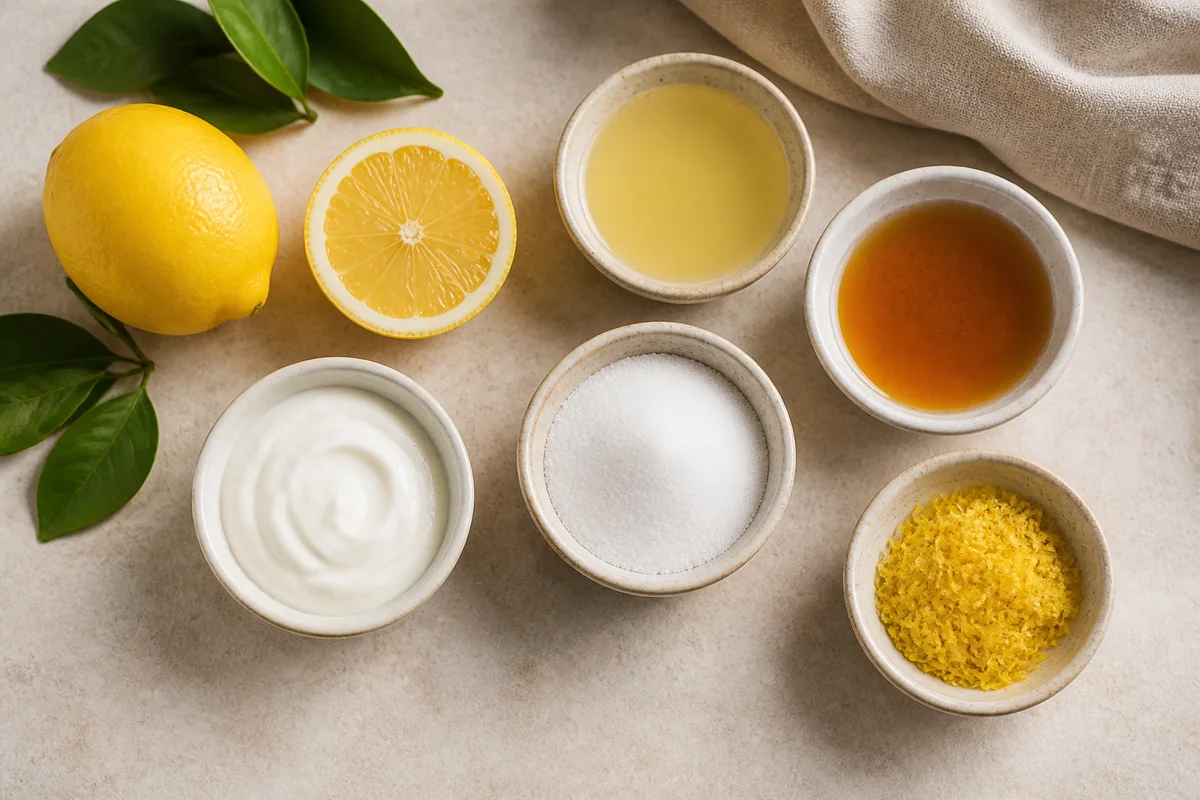
5 Best Meyer Lemon Substitutes (Flavor-Matched)
Ingredients
Equipment
Method
- Identify how the Meyer lemon is being used (juice, zest, or both) and whether the dish needs sweetness or just aroma.
- Choose the closest match from the table: balance-based swaps for baking/cooking, aroma-forward swaps for zest-heavy recipes.
- Apply the listed ratio; for lemon-based swaps, mix zest and juice thoroughly so sweetness reads evenly.
- Adjust in tiny steps: if it tastes too sharp, add a pinch of sugar; if it’s dull, add more zest rather than more juice.
- Taste after mixing (especially for dressings, glazes, and drinks) before adding to the full recipe.
Notes
- For Meyer lemon, zest is a key part of the flavor—when possible, replace both juice and zest.
- If your substitute doesn’t include sweetness, add it in very small amounts to mimic Meyer’s mellow finish.
Tried this recipe?
Let us know how it was!
Carrie is a food writer and editor with more than 15 years of experience. She has worked for some of the biggest names in the food industry, including Bon Appétit, Food & Wine, and Martha Stewart Living.
As the Editor in Chief of EpicureDelight, Carrie oversees all of the content on the site. She also manages the team of contributing writers and editors, who help to create delicious recipes, helpful tips, and informative articles that you’ll find on the site.
A native of the Chicago area, Carrie is passionate about all things food. She loves trying new restaurants and experimenting with new recipes in her kitchen. She’s also a graduate of the Culinary Institute of America, so she knows a thing or two about food!



