
Midori is a Japanese melon liqueur with a vivid green color, honeydew-forward sweetness, and roughly 20-21% ABV. It turns up in classic cocktails like the Japanese Slipper, Midori Sour, and Melon Ball, and its signature look is almost as important as its flavor.

When the bottle runs out mid-party, you need a substitute that holds the drink together without a long shopping trip.
The good news is that several off-the-shelf options replace Midori at a 1:1 ratio with minimal reworking. Others need a small acidity or sweetness adjustment, and one is a quick DIY fix when the liquor store is not an option.
Common substitutes fall into three groups: other melon-flavored liqueurs, fruit liqueurs that share Midori's sweetness profile, and non-alcoholic syrups paired with melon extract. Each brings its own tradeoffs in color, aroma, and sugar level.
Understanding those tradeoffs upfront saves you from a flat-tasting drink.
If you enjoy working with malt syrup substitutes for sweetness adjustments in beverages, the same logic applies here: matching body and sugar concentration matters as much as flavor.
This guide covers five practical Midori substitutes, ranked by how closely they replicate the original in cocktail contexts, with exact ratios and quick tips for each.
The closest Midori substitutes are other melon liqueurs (1:1 ratio), apple schnapps (1:1 with a lime squeeze), and a DIY cucumber-green tea syrup for non-alcoholic builds. Raspberry liqueur works in a pinch. For mocktails, simple syrup plus melon extract is the cleanest swap.
Midori Substitutes at a Glance
The table below gives you a fast comparison of all five substitutes, their flavor character, and where each one lands in cocktail builds.
| # | Substitute | Ratio | Best For | Taste Match |
|---|---|---|---|---|
| 1 | Apple Schnapps / Green Apple Liqueur | 1:1 (add a squeeze of lime) | Sours, tropical cocktails | Mild - apple instead of melon |
| 2 | Melon Liqueur (other brands) | 1:1 | Any Midori cocktail | Close - melon-to-melon |
| 3 | Cucumber-Green Tea Syrup + Neutral Spirit | 1:1 or 1:2 with lighter syrup | Fizzy or shaken cocktails | Different - subtle melon nuance |
| 4 | Raspberry Liqueur + Green Coloring | 1:1 (adjust acidity) | Visually vibrant drinks | Different - berry-forward |
| 5 | Simple Syrup + Melon Extract | 1:1 by volume | Mocktails, low-ABV builds | Mild - aroma-forward, sweet |
Save This for Later
Pin this 5 best midori liqueur substitutes in cocktails guide so you always have it when you need it.
Pin This GuideMidori Liqueur Substitutes in Detail
Each substitute below gets a full breakdown: flavor profile, ratio, best cocktail context, and the one tradeoff to watch for.
1. Apple Schnapps or Green Apple Liqueur
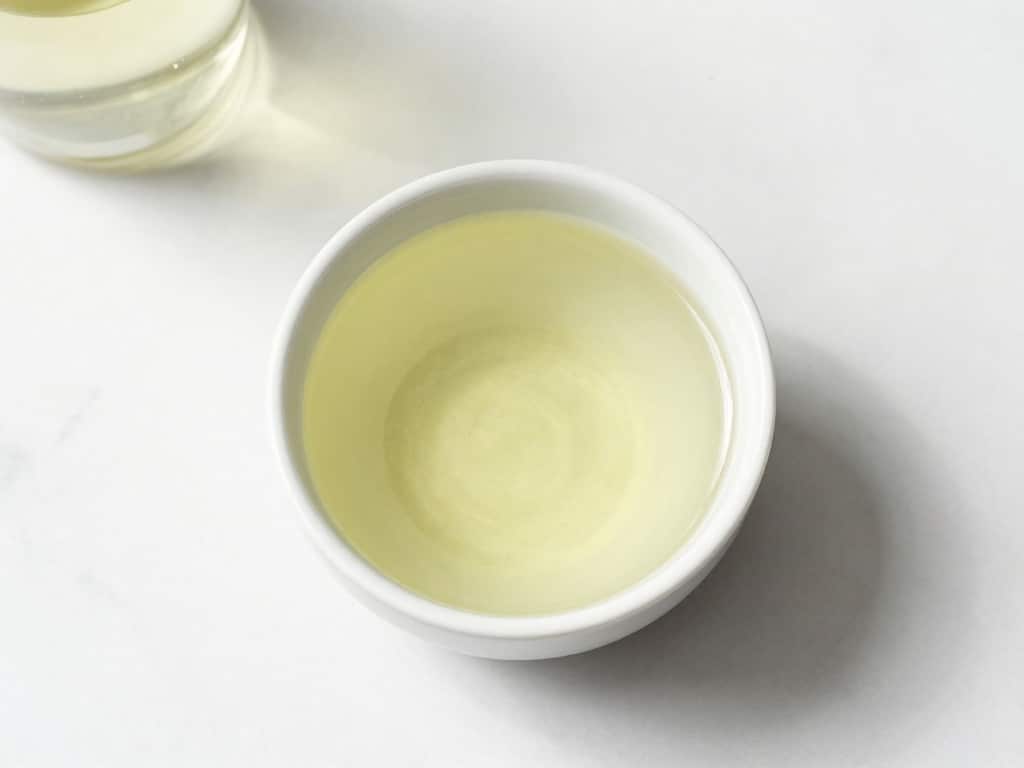
Apple schnapps can mimic Midori's melon sweetness with crisp, clean fruit notes that work well in shaken and soured cocktail builds. The flavor skews tart-apple rather than honeydew, so the drink tastes bright and fruity even if it does not read as melon-specific.
Use it at a 1:1 ratio, and add a small squeeze of fresh lime juice to sharpen the finish. Midori has a slightly syrupy body, so if your apple schnapps is thin, a barspoon of simple syrup rounds it out.
Color may shift toward pale green depending on the brand - some apple liqueurs are nearly clear, so the vivid green you expect from a Midori Sour will be muted.
- Best cocktail context: Tropical builds, sours, and any drink where melon flavor is secondary to sweetness and color.
- Ratio: 1:1, with a ¼ oz lime squeeze per 1 oz schnapps recommended.
- Color note: Pale green at best; add a drop of green food coloring if the visual matters.
- When to avoid: Skip it if the cocktail specifically depends on a honeydew-forward nose, like a Japanese Slipper.
Similar to how Braeburn apple substitutes shift a recipe's tartness balance, swapping apple schnapps for Midori changes the flavor axis from melon to orchard fruit. That is not a problem - it just makes a slightly different drink.
| # | Substitute | Ratio | Best For | Taste Match |
|---|---|---|---|---|
| 1 | Apple Schnapps / Green Apple Liqueur | 1:1 + lime squeeze | Sours, tropical cocktails | Mild - apple, not melon |
Apple schnapps is ideal for sweeter, balanced cocktails where melon color is not mandatory. Add lime juice to prevent the drink from tasting flat or overly sugary.
2. Melon Liqueur (Other Brands)
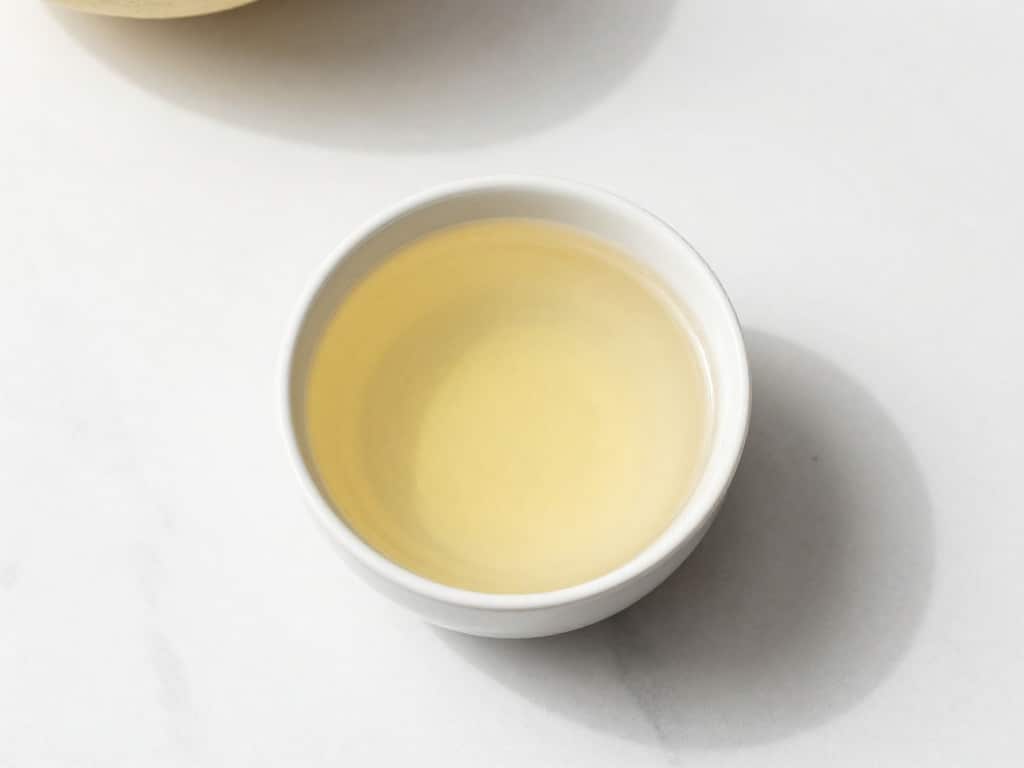
Any melon-flavored liqueur can replace Midori with minimal change in body, color, or sweetness. Brands like DeKuyper Melon or Archers Melon share Midori's general flavor profile, though individual sweetness levels and aroma intensity vary by brand.
This is the easiest swap for any classic Midori cocktail.
Use a strict 1:1 ratio. Check the ABV of your chosen brand and adjust dilution if needed - Midori sits at 20-21% ABV, so a higher-proof melon liqueur will tip your cocktail stronger than intended.
A small addition of water or extra mixer corrects this quickly. Sweetness can also differ; taste before serving and add a barspoon of simple syrup if the drink feels thin.
- Best cocktail context: Direct drop-in replacement for any Midori recipe.
- Ratio: 1:1, with ABV check recommended.
- Flavor fidelity: Close to identical - melon-to-melon with minor aromatic variation.
- Watch: Artificial melon brands can taste candied; opt for ones with a cleaner, less perfumed nose.
Just as Fuji apple substitutes stay within the same flavor family while offering slight variations in sweetness, melon liqueurs from different brands stay true to the profile while differing in intensity.
| # | Substitute | Ratio | Best For | Taste Match |
|---|---|---|---|---|
| 1 | Melon Liqueur (Other Brands) | 1:1 | Any Midori cocktail | Close - melon-to-melon |
Choose a melon liqueur with a similar ABV and maintain a 1:1 ratio. Taste first, adjust sweetness second, and the drink will hold together.
3. Cucumber-Green Tea Syrup + Neutral Spirit (DIY Melon Hint)
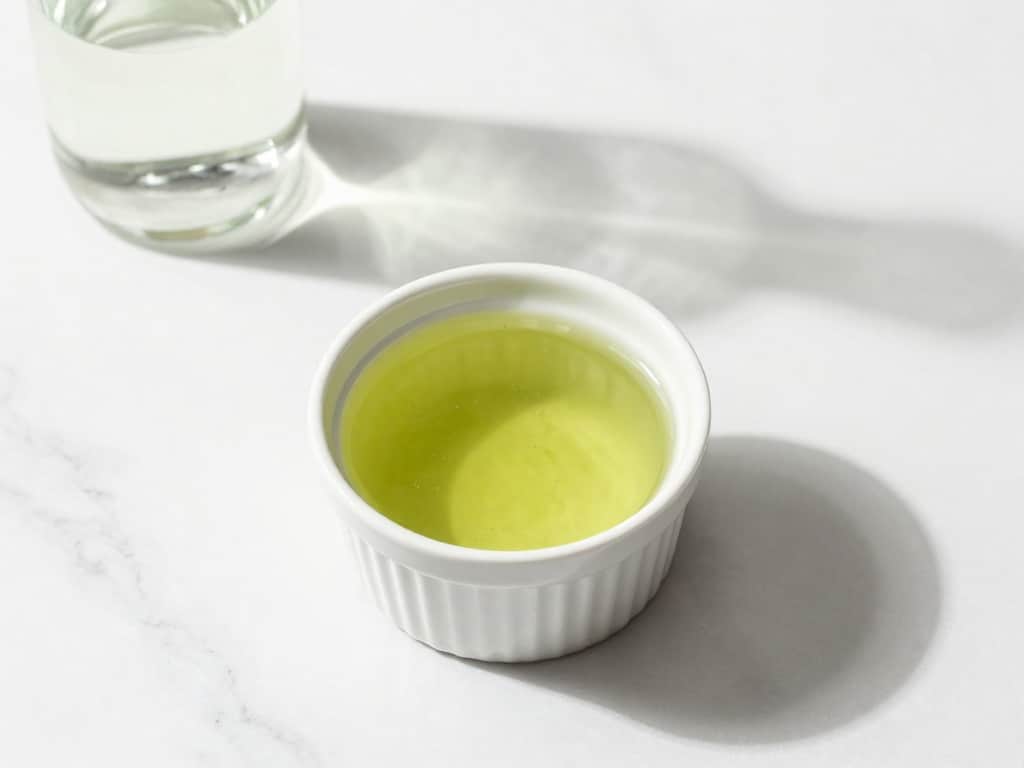
When store-bought liqueurs are not available, a homemade cucumber-green tea infusion combined with simple syrup produces a surprisingly convincing melon-adjacent sweetness.
The green tea adds subtle vegetal depth, the cucumber brings fresh, watery brightness, and together they get close to Midori's honeydew register without artificial flavoring.
To build it: steep one green tea bag in 4 oz of warm water for 3 minutes, add 2 oz of simple syrup, and muddle two thin cucumber slices into the mix. Strain and chill.
Combine 1 oz of this syrup with 1 oz of vodka or light rum to match Midori's approximate ABV contribution per serving. In a fizzy cocktail, use a 1:2 syrup-to-soda ratio to keep the sweetness in check.
Best used in shaken or fizzy cocktails where the liquid gets integrated rather than featured solo.
- Best cocktail context: Sparkling water builds, shaken sours, or any recipe with citrus.
- Ratio: 1:1 (syrup + spirit combined) or 1:2 with lighter syrup base.
- Color: Pale sage green - not as vivid as Midori, but natural-looking.
- Acidity balance: Add ¼ oz fresh lime juice to keep the finish clean.
This approach parallels the way date syrup substitutes work in drinks - combining a syrup base with another liquid to approximate a more complex ingredient's body and sweetness.
| # | Substitute | Ratio | Best For | Taste Match |
|---|---|---|---|---|
| 1 | Cucumber-Green Tea Syrup + Neutral Spirit | 1:1 or 1:2 (lighter syrup) | Fizzy or shaken cocktails | Different - mild melon nuance |
This DIY option is the strongest choice when store-bought liqueurs are unavailable and you want a natural, less-sweet melon nuance in your cocktail.
4. Raspberry Liqueur with Green Coloring
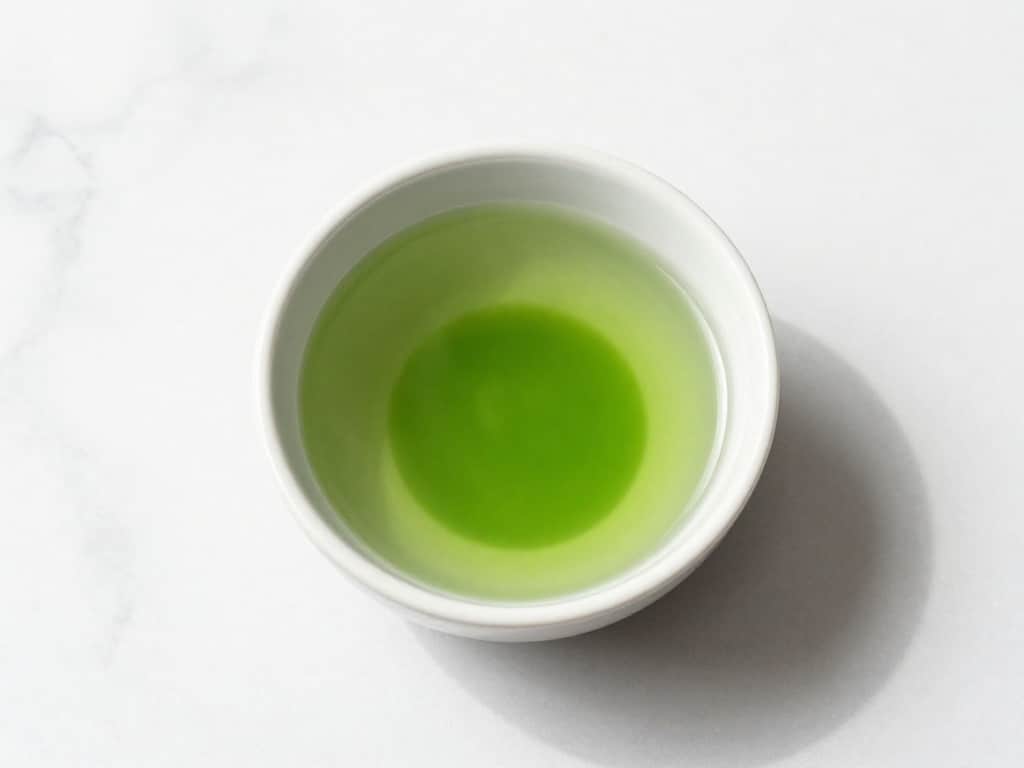
Raspberry liqueur - think Chambord or a cheaper raspberry schnapps - brings bright berry sweetness that holds up well in cocktails calling for Midori's sugary body.
The flavor drifts noticeably from melon into berry territory, but the mouthfeel and sweetness level are comparable, which means the cocktail structure stays intact.
Color can be adjusted with a small amount of edible green food dye or a tiny pinch of matcha powder whisked in before shaking. Use a 1:1 ratio and balance the berry-forward flavor by adding a half-ounce of fresh lime or lemon juice.
A cucumber slice or fresh mint garnish nudges the nose back toward something greener and more refreshing. Flavor shift can be noticeable in simpler two-ingredient drinks; this swap works better in cocktails with multiple components that can absorb the berry drift.
- Best cocktail context: Multi-ingredient cocktails, party punches, layered drinks where color matters.
- Ratio: 1:1, with citrus added to offset berry sweetness.
- Color fix: 1-2 drops of green food dye or a pinch of matcha per serving.
- When to avoid: Simple two-ingredient drinks where melon flavor is the star.
Much like how green peppercorn substitutes shift a dish's flavor axis while keeping the overall structure, raspberry liqueur keeps the cocktail's sweetness framework while moving the flavor in a new direction.
| # | Substitute | Ratio | Best For | Taste Match |
|---|---|---|---|---|
| 1 | Raspberry Liqueur + Green Coloring | 1:1 + citrus adjustment | Multi-ingredient cocktails, punches | Different - berry-forward |
The flavor shift from melon to berry can be significant in simple cocktails. Balance with fresh lime juice and a mint or cucumber garnish to keep the drink feeling light and clean.
5. Simple Syrup + Melon Extract (Non-Alcoholic Option)
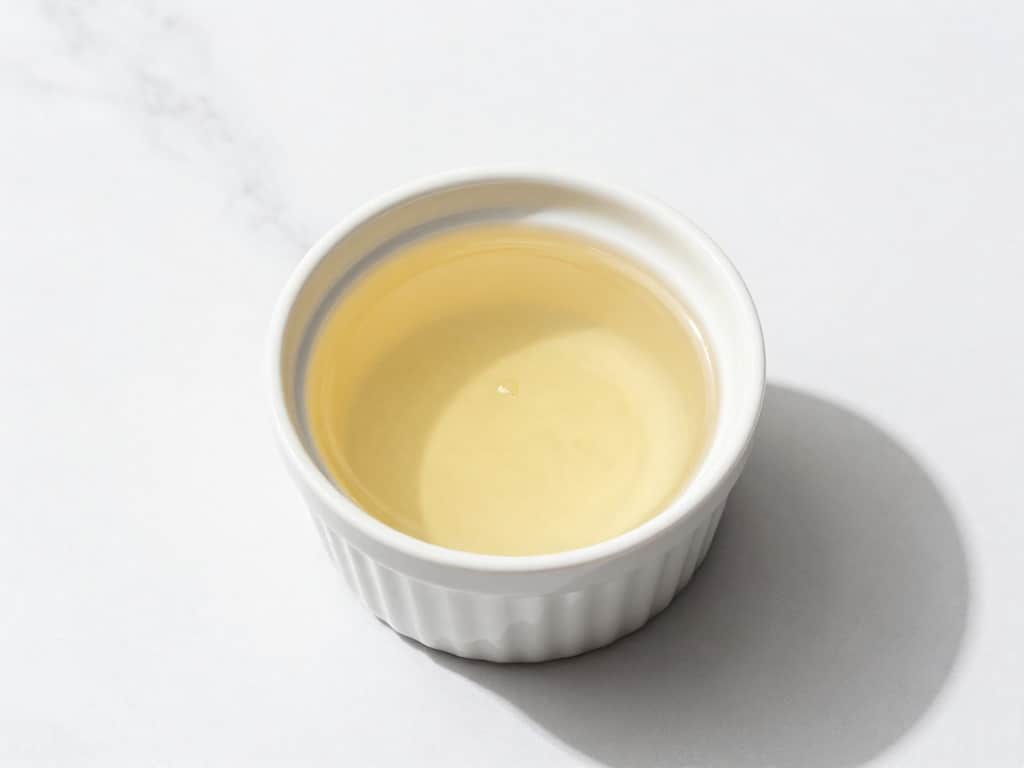
For mocktails or low-ABV builds, combining plain simple syrup with a small amount of melon extract is the cleanest non-alcoholic Midori substitute. The syrup contributes body and sweetness to match Midori's viscous texture, while the extract provides the honeydew aroma that makes the drink recognizable.
Use ⅛ to ¼ teaspoon of melon extract per ounce of simple syrup, depending on how strong your extract is - start small, taste, and add more if needed. At 1:1 by volume with whatever liquid it replaces, this mix keeps cocktail proportions intact.
The ABV contribution drops to near zero, so adjust the rest of your build accordingly if you want the drink to have any kick. A drop of green food coloring or a melon-flavored syrup (like those used in Italian soda bars) handles the color element in one step.
- Best cocktail context: Mocktails, designated-driver drinks, or recipes where alcohol content must be reduced.
- Ratio: 1:1 by volume; use ⅛-1/4 teaspoon extract per oz of syrup.
- Color: Add 1-2 drops of green dye or use a pre-colored melon syrup.
- Aroma note: Extract intensity fades quickly in shaken drinks; add it last or use a stronger syrup base.
The same precision thinking used for apple butter substitutes in terms of matching moisture and sweetness applies here - getting the ratio right between syrup body and extract intensity is everything.
| # | Substitute | Ratio | Best For | Taste Match |
|---|---|---|---|---|
| 1 | Simple Syrup + Melon Extract | 1:1 by volume | Mocktails, low-ABV builds | Mild - aroma-forward, sweet |
Combine a melon-flavored Italian soda syrup with a dash of green food coloring for instant color and flavor. It skips the extract measuring entirely.
Using Midori Substitutes in Baking
Most Midori substitutes translate poorly to baking without careful adjustment. Alcohol-based liqueurs add moisture and sugar to a recipe simultaneously, and swapping them with syrups or extracts shifts that balance.
Baking fidelity declines with substitutions; use syrups and extracts cautiously, and always recalculate sugar and liquid ratios before baking.
The most practical baking swap is melon extract plus a reduced-sugar simple syrup, used at roughly half the volume of what the original recipe calls for in Midori. This prevents the batter or glaze from going too wet or overly sweet.
If color matters in a dessert, a drop of green gel food coloring does more reliable work than a colored liqueur. Similar to how green bean substitutes require texture adjustments in cooked dishes, Midori substitutes in baking need sugar and moisture recalibration, not just a volume swap.
- Syrups: Use at 50% of original Midori volume to avoid over-sweetening.
- Melon extract: Start at ⅛ teaspoon per tablespoon of syrup; increase by small amounts.
- Color: Gel food coloring is more stable than liquid dye in baked goods.
- Liqueur alternatives: Apple schnapps or other melon liqueurs work in boozy desserts at 1:1, but expect a looser crumb if the original recipe was calibrated for Midori's specific sugar content.
Substitutions in baking require precise sugar and acid adjustments, not just a volume swap. When in doubt, test with a small batch before committing to a full recipe.
How to Choose the Right Substitute?
The right Midori substitute depends on three things: whether alcohol content matters, how closely the flavor needs to match melon, and how important the green color is to the final drink.
If all three factors matter equally, another melon liqueur at 1:1 is the only substitute that checks every box without adjustment.
- Prioritize flavor over color: Use apple schnapps or another melon liqueur. Skip the coloring step if the drink tastes right.
- Prioritize color over flavor: Raspberry liqueur with green dye or a green-tinted melon syrup handles this best.
- No alcohol needed: Simple syrup with melon extract is the cleanest route for mocktails and low-ABV builds.
- Nothing in the cupboard: The DIY cucumber-green tea syrup takes about 10 minutes and produces a credible substitute for shaken or fizzy cocktails.
- Adjusting sweetness: Always taste before serving. Add simple syrup if the drink tastes thin, or lime juice if it tastes flat. Midori is sweet but balanced by acidity in most classic recipes.
Much like choosing between collard green substitutes based on texture and cook time, the best Midori substitute is the one that fits the specific constraints of your cocktail, not just the one closest in flavor on paper.
Frequently Asked Questions
What makes a good substitute for Midori in cocktails?
A good substitute matches Midori's sweetness level, approximate body, and ideally its green color. Melon liqueurs at 1:1 are the closest; others need a lime or syrup adjustment to stay balanced.
Can I substitute Midori in baking recipes?
Yes, but with caution. Use melon extract plus syrup at roughly half the original Midori volume to prevent over-sweetening or excess moisture in the batter or glaze.
Are there alcohol-free Midori substitutes?
Simple syrup combined with ⅛ to ¼ teaspoon of melon extract per ounce is the best non-alcoholic option. It replicates Midori's sweetness and aroma without any ABV contribution.
Are these substitutes suitable for high-proof cocktails?
Midori sits at 20-21% ABV, so substitutes with higher ABV will strengthen the drink. Check proof before swapping and dilute with extra mixer or water if needed.
Will substitutions affect cocktail color and balance?
Yes. Only melon liqueurs and green-tinted syrups preserve Midori's vivid green. Apple schnapps and raspberry liqueur both shift color; a drop of green food dye corrects this quickly.
5 Best Midori Liqueur Substitutes in Cocktails
Ingredients
Method
- Choose your substitute based on the dish type and desired flavor match.
- Prepare the substitute as directed: adjust ratios and prep as noted for each option.
- Apply the substitution ratio carefully. Start with the stated amount and adjust to taste.
- Taste and adjust seasoning. Some substitutes shift flavor or texture slightly.
Notes
- Always taste the cocktail before serving and adjust sweetness with simple syrup or acidity with lime juice as needed.
- For non-alcoholic builds, start with ⅛ teaspoon melon extract per ounce of syrup and increase gradually to avoid an artificial aftertaste.
Tried this recipe?
Let us know how it was!
Carrie is a food writer and editor with more than 15 years of experience. She has worked for some of the biggest names in the food industry, including Bon Appétit, Food & Wine, and Martha Stewart Living.
As the Editor in Chief of EpicureDelight, Carrie oversees all of the content on the site. She also manages the team of contributing writers and editors, who help to create delicious recipes, helpful tips, and informative articles that you’ll find on the site.
A native of the Chicago area, Carrie is passionate about all things food. She loves trying new restaurants and experimenting with new recipes in her kitchen. She’s also a graduate of the Culinary Institute of America, so she knows a thing or two about food!



