
A pastry brush seems like a small thing until you need one and cannot find it. Whether you are glazing pie crust, buttering dinner rolls, or applying an egg wash to puff pastry, the right tool makes a real difference in how evenly your coating lands.

A standard pastry brush holds about 1-2 tablespoons of glaze per load, which gives you controlled, even coverage without flooding the dough.
The good news is that several everyday items can step in without ruining your bake. The tricky part is matching the right substitute to your specific glaze, your oven temperature, and how much precision your recipe actually requires.
Four factors drive the decision: glaze type (thin liquid, thick syrup, or oil-based), heat tolerance of the tool, cleanup ease, and the risk of fiber or flavor transfer. Natural bristle brushes, for instance, can shed bristles and require more cleaning care than their silicone counterparts.
Finding the right kitchen stand-in often comes down to understanding what your original tool actually does, then matching that function as closely as possible.
Silicone brushes withstand temperatures up to 450°F (230°C), which makes them the gold standard for high-heat applications. However, you may not always have one on hand, and that is exactly why this guide exists.
Each substitute below includes an exact ratio, a best-for context, and a clear tradeoff so you can make a decision in under 60 seconds.
The five best pastry brush substitutes are a silicone pastry brush, a natural bristle basting brush, a food-safe nylon paintbrush, a folded paper towel or clean cloth, and a flat-edge silicone spatula. All work at a 1:1 ratio for most liquid glazes, with slight adjustments needed for thick sauces or high-heat applications.
Substitutes at a Glance
Before picking a substitute, it helps to see all five options side by side. A 1:1 ratio works for most liquid glazes, while a 2:1 ratio may be needed for thicker sauces where you want to apply less product with more control.
Cleanability varies by material, so factor in your post-bake cleanup time as well.
This table gives you a fast reference point. The sections below go deeper on each option, including specific techniques and common mistakes to avoid.
| # | Substitute | Ratio | Best For | Taste Match |
|---|---|---|---|---|
| 1 | Silicone Pastry Brush | 1:1 | High-heat glazes, sticky coatings, egg wash | Close |
| 2 | Natural Bristle Basting Brush | 1:1 | Butter-based and oil-based glazes | Close |
| 3 | Food-Safe Nylon Paintbrush | 1:1 | Light egg wash, simple thin glazes | Mild |
| 4 | Paper Towel or Clean Cloth | 2:1 | Coarse coatings, thick glazes, low-precision work | Mild |
| 5 | Silicone Spatula (Flat Edge) | 1:1 | Flat surfaces, even coverage, quick coatings | Close |
Save This for Later
Pin this 5 best pastry brush substitutes to consider guide so you always have it when you need it.
Pin This GuidePastry Brush Substitutes in Detail
1. Silicone Pastry Brush
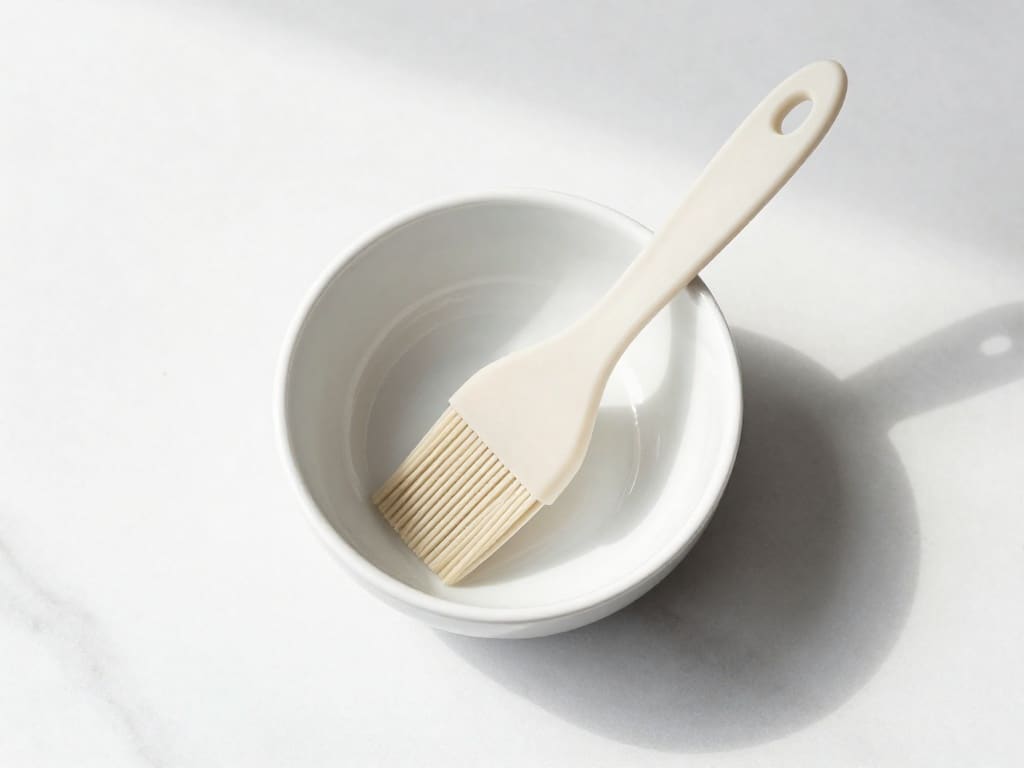
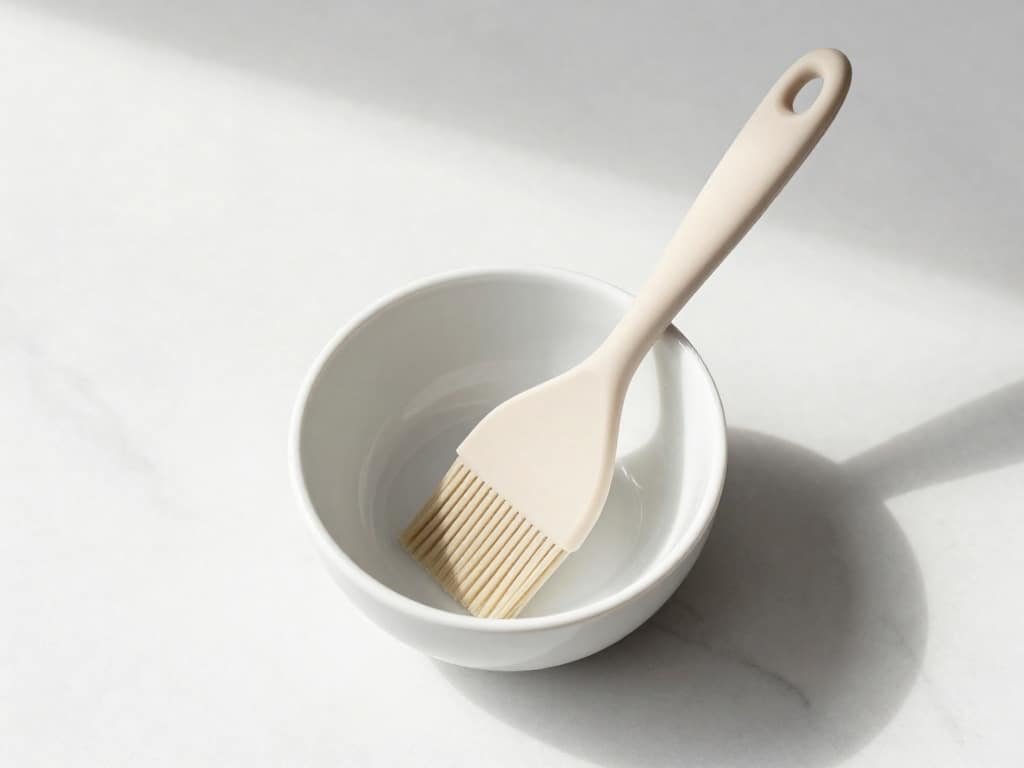
If you have a silicone pastry brush somewhere in a drawer, this is your closest 1:1 replacement. Silicone bristles are non-porous, which means they do not absorb glaze the way natural bristles do, and they release liquid more evenly across the surface.
That even release is exactly what keeps your pie crust from having streaky patches after baking.
The heat tolerance here is a genuine advantage. Silicone handles up to 450°F (230°C), so you can brush a hot glaze onto a freshly pulled tart without worrying about the tool warping or melting.
Shedding is minimal compared to natural bristles, and cleanup is straightforward since most silicone brushes are dishwasher-safe on the top rack. For high-sugar glazes, where stickiness is a concern, silicone releases cleanly under warm running water in seconds.
If you regularly work with brown sugar alternatives in glazes, the non-stick surface of silicone is especially useful.
Use a light dipping technique: load the brush with about one tablespoon of glaze, let the excess drip off, then apply with short, even strokes from the center outward. Pressing too hard compresses the bristles and pushes glaze into crevices rather than over the surface.
Silicone brush is a 1:1 substitute for most glazes. It is the top choice for high-heat bakes above 375°F and for sticky coatings like honey or caramel.
2. Basting Brush (Natural Bristles)
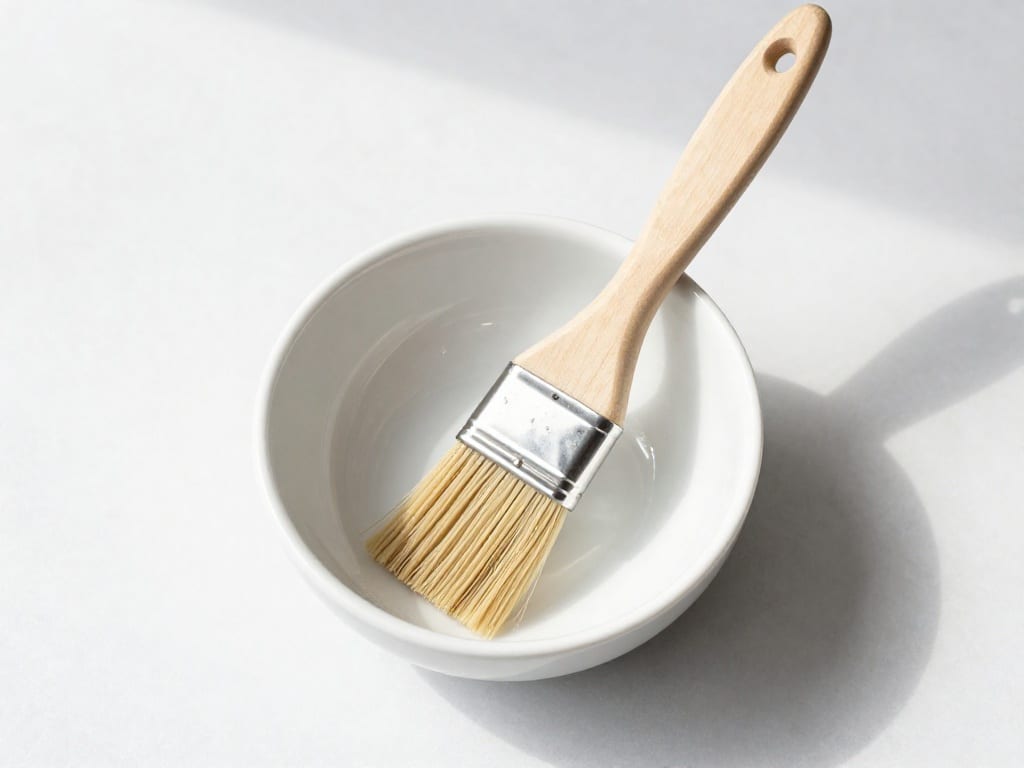
A natural bristle basting brush works well for butter-based or oil-based glazes, where the bristles can hold and release liquid smoothly. Natural fibers have a slight absorbency that actually helps with thin coatings: they soak up just enough glaze to deposit a controlled layer without flooding delicate dough.
For recipes using dairy-based finishing coats, a natural bristle brush gives a soft, even touch that works well on tender surfaces.
The main tradeoff is bristle shedding. Natural bristle brushes can deposit loose fibers into your glaze if the brush is old or worn, which is a real problem on a finished pastry surface.
Use gentle, sweeping strokes rather than scrubbing or pressing. Check the brush before use by running your fingers through the bristles to dislodge any loose ones.
After use, wash immediately in warm soapy water, rinse thoroughly, and let the brush air dry bristle-side down to preserve the shape. Do not soak natural brushes, as prolonged water exposure weakens the bristle binding.
For thin coatings like melted butter on croissants or olive oil on flatbread, the 1:1 ratio holds perfectly. For thicker glazes like a reduced fruit syrup, load the brush lightly and work in multiple thin passes rather than one heavy coat.
This prevents pooling at the edges, which can burn during baking.
Use natural bristle brushes only for gentle, oil-based glazes at a 1:1 ratio for thin coatings. Check for loose bristles before every use to avoid fiber transfer onto your baked goods.
3. Nylon Paintbrush (Food-Safe)
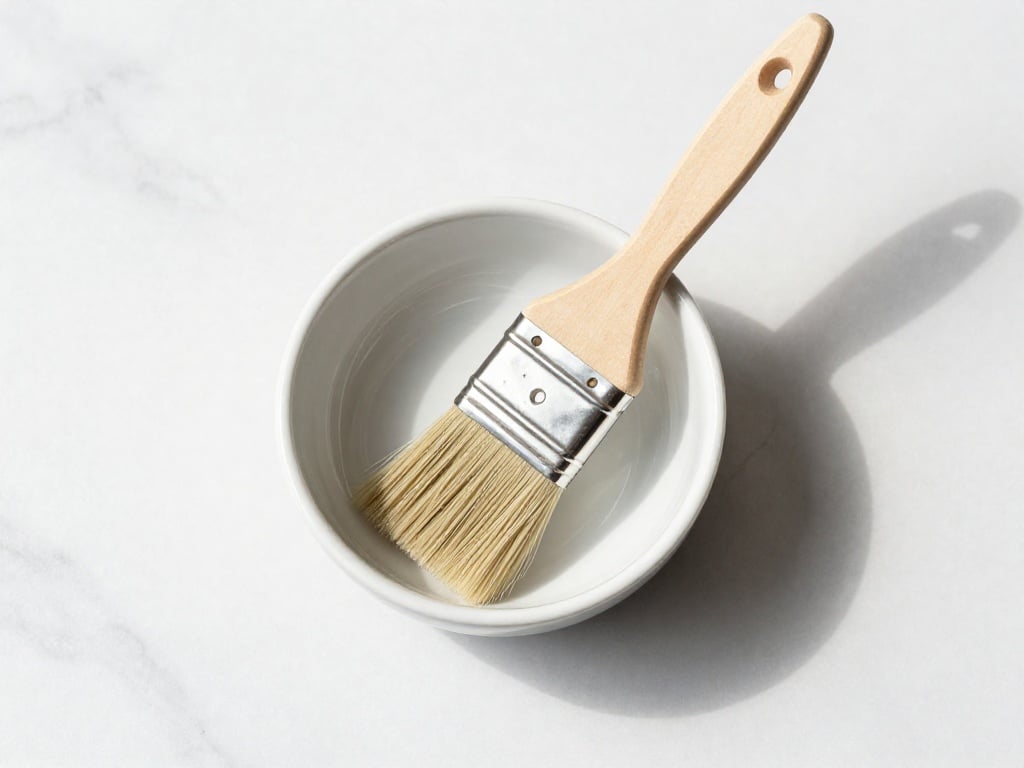
A small, food-safe nylon paintbrush is a surprisingly capable stand-in for light glazing tasks. The key phrase here is food-safe: the brush must be clearly labeled as non-toxic, BPA-free, and unused for any non-food purpose.
Many craft stores carry these, and they are inexpensive enough to keep a dedicated one in your baking supplies. For thin egg washes or simple sugar glazes on cookies and scones, a nylon brush at a 1:1 ratio delivers decent, even coverage.
The limitations are real, though. Nylon bristles are not designed for hot sugar syrups or very thick glazes, which can cause the bristles to clump or pull apart during application.
High heat can also soften the nylon over time, so avoid using this tool directly on items that come out of a 400°F oven. For delicate pastries like mille-feuille or croissant dough, where surface precision matters, the nylon brush can leave slight texture marks if pressed too firmly.
Similar to how substitute ingredients require careful application technique, a nylon brush rewards a light hand.
Apply glaze with gentle, unidirectional strokes to avoid disturbing the dough surface. If you notice the bristles dragging rather than gliding, thin your glaze slightly with a few drops of water.
Wash the brush immediately after use with warm, soapy water, and store it dry to prevent mold between uses.
Use a food-safe nylon paintbrush at a 1:1 ratio for light glazes. Apply with gentle, single-direction strokes to avoid texture transfer on delicate dough surfaces.
4. Paper Towel or Clean Cloth Method
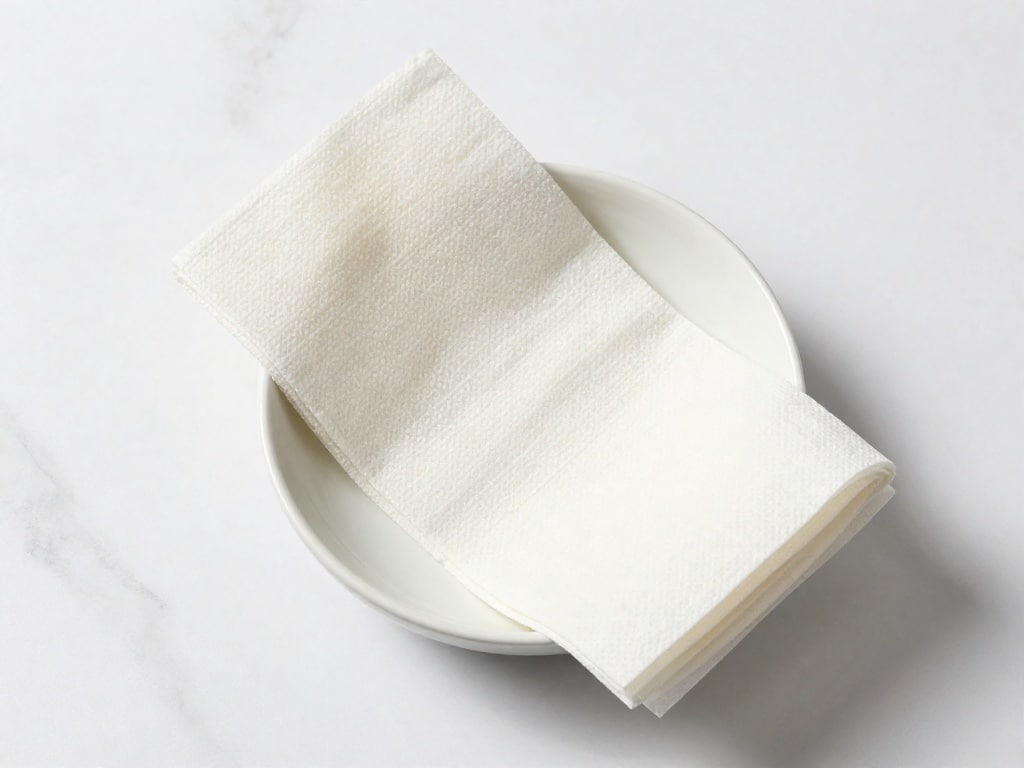
Folded paper towels and clean cloths are the most accessible substitutes on this list, requiring zero extra tools. They work best for coarse coatings or thick glazes when precision is not critical, such as buttering a baking dish, coating the top of a rustic loaf, or applying a heavy honey glaze to a skillet cornbread.
Think of them as a dabbing tool rather than a brushing tool.
The main concern is fiber transfer. Paper towels can leave small fibers in glaze if you rub aggressively rather than dabbing or patting.
Fold the towel into a tight square of at least four layers to minimize fiber shedding and give yourself more control. A clean cotton cloth, like a thin dish towel or a piece of cheesecloth, sheds less than paper and gives a smoother application.
For recipes with naturally thick, sticky sweeteners, a cloth works better than paper because it does not tear under the weight of a dense glaze.
Use a 2:1 approach with these tools: apply twice as much surface contact with less product per pass, since cloth and paper absorb more glaze than a brush bristle does. For a clean cloth that you plan to reuse across multiple batches, rinse it between uses with hot water and mild soap, then wring it out thoroughly before continuing.
Do not use scented cloths or paper towels with lotion additives, as these can transfer flavor to your baked goods.
Use paper towels and cloth with caution on delicate pastries. Aggressive rubbing can deposit fibers in the glaze or disturb the surface of laminated doughs like puff pastry or croissant.
5. Silicone Spatula (Flat Edge) as Brush
A flat-edge silicone spatula is a strong substitute when you need even, wall-to-wall coverage on a flat surface. The technique is different from brushing: you deposit a small amount of glaze onto the center of the surface, then use the spatula edge to spread it outward in smooth, even passes.
This works particularly well for tart tops, flat cookie sheets, and the tops of sheet cakes where a uniform coat is more important than artistic precision.
The limitation is geometry. A spatula is not ideal for curly dough edges or lattice work, where you need a narrow, flexible tool to get into tight spaces.
On a standard round pie or a straight-edged galette, the spatula covers ground faster than a brush. It also carries more glaze per pass, so start with less product than you think you need and add more if the coverage looks thin.
For high-sugar glazes, the silicone surface releases cleanly with a quick rinse, similar to the easy cleanup you get from other silicone tools. If you work with rich, dairy-forward toppings spread onto flat surfaces, the spatula technique translates directly.
Use a 1:1 ratio for even coverage. Warm your glaze slightly if it is thicker than heavy cream, as a loose glaze spreads more smoothly under a spatula edge without dragging.
Hold the spatula at a 30-degree angle to the surface, applying light, even pressure across the full width in a single pass.
A flat-edge silicone spatula is a 1:1 substitute for even coverage on flat baking surfaces. Skip it for intricate edges, lattice tops, or any curved dough that needs precision access.
Quick Decision Guide
Choosing among five substitutes should not take longer than it takes to preheat your oven. The fastest path is to match your glaze type to the tool's strengths, then factor in your heat situation and how much cleanup you want afterward.
High-sugar or high-water content glazes may cling differently to each substitute, so the glaze itself is usually the deciding variable.
Here is a one-sentence verdict for each situation:
- Hot glaze or sticky coating: Use the silicone brush - it handles heat and releases sticky glazes cleanly.
- Butter or oil glaze, gentle surface: Natural bristle basting brush at 1:1 works well, provided you check for loose bristles first.
- Light egg wash, no high heat: A food-safe nylon brush at 1:1 is a quick, low-cost option for simple applications.
- Rustic bake, thick glaze, low precision: Folded paper towel or clean cloth at 2:1, using a dabbing motion rather than rubbing.
- Flat surface, fast coverage: Silicone spatula at 1:1, with glaze warmed slightly for smooth spreading.
Cost is also worth a mention. Silicone brushes run about $$ for a quality option, while natural bristle and nylon brushes land at $ or less.
Paper towels and cloth cost minimal, making them the zero-barrier option when speed matters more than precision. For anyone stocking a baking pantry on a budget, keeping a food-safe nylon brush and a roll of quality paper towels covers most situations without spending much.
The same logic applies to finding affordable ingredient swaps that perform reliably across multiple recipes.
If your glaze is hot or sticky, reach for the silicone brush first. If you need a delicate, controlled finish on fragile pastry, a folded paper towel or cloth gives you the most tactile control.
How to Choose the Right Substitute?
Matching glaze type, heat tolerance, cleanup priority, and cost lands you on the right tool every time. Silicone wins on heat and cleanup.
Natural bristle wins on tradition and butter glazes. Nylon wins on cost and light applications.
Paper towel and cloth win on accessibility. Spatula wins on flat-surface speed.
For most home bakers, owning a silicone brush and a nylon backup covers the full range of glazing tasks without duplicating tools. If you enjoy exploring practical ingredient and tool alternatives, the same framework - match function, check tradeoff, assess cleanup - applies across your entire recipe toolkit.
Frequently Asked Questions
Which substitute is easiest to clean?
Silicone brushes and silicone spatulas are the easiest to clean. Both are dishwasher-safe on the top rack and release sticky glazes under warm running water in under 30 seconds.
Can I use multiple substitutes in one bake?
Yes. You can use a silicone spatula for broad flat coverage and then switch to a nylon brush for edges and detail work on the same bake.
Are substitutes safe for dairy-based glazes?
All five substitutes work with dairy-based glazes like cream or milk wash. Rinse and wash any tool immediately after use to prevent dairy residue from drying into bristles or fibers.
What is the best substitute for egg wash?
A silicone brush is the best tool substitute for applying egg wash. For a true egg wash alternative ingredient, a mix of milk and a pinch of sugar mimics the browning effect closely.
Do substitutes affect crust shine or texture?
Yes, slightly. Silicone and nylon brushes produce the most even shine. Paper towels and cloth tend to give a matte, dabbed finish rather than a smooth, glossy coat.
5 Best Pastry Brush Substitutes to Consider
Ingredients
Equipment
Method
- Choose your substitute based on the dish type and desired flavor match.
- Prepare the substitute as directed: adjust ratios and prep as noted for each option.
- Apply the substitution ratio carefully. Start with the stated amount and adjust to taste.
- Taste and adjust seasoning. Some substitutes shift flavor or texture slightly.
Notes
- Silicone brushes are dishwasher-safe on the top rack and handle heat up to 450°F, making them the most versatile substitute.
- For delicate pastries, always check natural bristle brushes for loose fibers before use and apply with gentle, sweeping strokes.
Tried this recipe?
Let us know how it was!
Carrie is a food writer and editor with more than 15 years of experience. She has worked for some of the biggest names in the food industry, including Bon Appétit, Food & Wine, and Martha Stewart Living.
As the Editor in Chief of EpicureDelight, Carrie oversees all of the content on the site. She also manages the team of contributing writers and editors, who help to create delicious recipes, helpful tips, and informative articles that you’ll find on the site.
A native of the Chicago area, Carrie is passionate about all things food. She loves trying new restaurants and experimenting with new recipes in her kitchen. She’s also a graduate of the Culinary Institute of America, so she knows a thing or two about food!



