
That anise-herbal punch in a good bouillabaisse or classic Pernod sauce doesn't come from magic. It comes from one specific bottle.
When that bottle is empty, knowing your pernod substitute options is the difference between a finished dish and a delayed one.
Pernod gets its character from anise and licorice notes layered over a dry, herbal base. A good swap needs to match that direction, not just add "something anise-y."
Sweetness levels and alcohol strength vary a lot across the options below, so the ratio matters as much as the ingredient choice.
Understanding the gap between anise and star anise flavor is also useful here, especially if you're considering a non-alcohol route.
Pastis is the closest pernod substitute for most recipes. Dry vermouth with an anise boost works best in savory sauces. Anisette and absinthe are usable with ratio adjustments. For alcohol-free cooking, star anise syrup keeps the licorice aroma without the boozy base.
5 Pernod Substitutes That Taste Right (Plus How to Swap Them)
Every substitute below targets the same two things: anise-licorice aroma and herbal balance. The table compares taste direction and swap ratio so you can match the right option to your recipe before reading the details.
Most swaps work best when you start at the listed ratio, then taste after a short simmer rather than adjusting cold.
If your recipe calls for Pernod in a sauce or braise, adding a small squeeze of fresh-pressed citrus alongside your substitute helps cut any residual sweetness and tightens the flavor.
| # | Substitute | Best For | Ratio | Key Note |
|---|---|---|---|---|
| 1 | Pastis | Both | 1:1 | Closest anise match |
| 2 | Dry Vermouth + Anise | Savory | ¾:1 | Add tiny anise boost |
| 3 | Anisette Liqueur | Sweet | ¾:1 | Reduce for sweet dishes |
| 4 | Absinthe | Savory | ¾:1 | Very strong, use less |
| 5 | Star Anise Syrup | Both | ½:1 | Alcohol-free option |
1. Pastis
Pastis is the most natural stand-in for Pernod. Both are anise liqueurs in the same flavor family, and both carry that dry, herbal backbone that makes the swap feel seamless in most recipes.
The main variable is sweetness: some Pastis brands lean sweeter than Pernod, so tasting before you pour the full amount is worth the extra 30 seconds.
- What it matches: Anise aroma, herbal lift, and dry finish
- Swap ratio: 1:1 in most recipes; no adjustment needed to start
- When it shines: Seafood dishes, pan sauces, and cocktail pours where Pernod's full character is expected
- Adjustment tip: If your Pastis tastes noticeably sweeter than Pernod, reduce by 1 tablespoon per 4 tablespoon called for and add a pinch of salt to compensate
Understanding this anise-forward spirit in more depth helps you pick the right brand for your recipe.
Skip if: your dish can't handle anise-forward liqueur flavor at full strength. In that case, dry vermouth with a small anise boost is a gentler path.
2. Dry Vermouth + Anise Boost
This combination is the savory cook's best tool when Pernod is unavailable. Vermouth brings this herbaceous, dry spirit's natural acidity and herbal notes, while a tiny anise addition restores the licorice edge that Pernod contributes.
The result isn't identical, but it keeps savory sauces from tasting flat or one-dimensional.
- Ratio: Use ¾ of the Pernod amount in dry vermouth, then add a small anise boost: ¼ teaspoon anise extract or a single crushed star anise steeped for 5 minutes
- Best uses: Pan sauces, braised seafood, cream reductions, and any savory base that needs herbal lift without sweetness
- Tuning: Add a pinch of salt and a few drops of lemon juice if the sauce tastes thin after simmering
- What changes: The boozy sweetness of Pernod won't be there, but the herbal-anise direction stays intact
Skip if: your recipe uses Pernod as a sweetened flavor base, like a glaze or a dessert sauce. Anisette or Pastis will serve that purpose better.
3. Anisette Liqueur
Anisette is sweeter than Pernod. That's the one fact to hold onto before you use it.
The anise aroma is strong and accurate, but the higher sugar content can push a savory dish toward "candied" if you're not careful with the amount.
Pernod vs. Anisette Liqueur
Works for: Glazes, dessert sauces, sweet-savory dishes, and recipes that can absorb extra sweetness without losing balance
Skip if: The recipe already uses sweet wine, sugar, or honey, since layering Anisette on top tips the dish too far toward candy-like
- Swap ratio: Start at 1:1, then reduce by about 25% if your recipe has other sweeteners
- Where it works best: Fruit glazes, pastry creams, anise-flavored desserts, and light pan sauces with cream
- Balance tip: A squeeze of lemon or a pinch of salt after adding Anisette helps keep the flavor from reading as purely sweet
Skip if: you're already working with a sweet wine base. Pull back to ¾ the called-for amount and taste as you go.
4. Absinthe
Absinthe punches hard. It has the anise-licorice character you want, but at a much higher intensity than Pernod, and starting at the same volume is a reliable way to overpower the dish.
One short paragraph is enough guidance here: go low and taste early.
- Swap ratio: Start at ¾ of the Pernod amount; increase only if the anise is too faint after simmering
- Best uses: Small-pour sauce finishes, classic cocktail recipes, and braised dishes where the liquid cooks down significantly
- When to add: Add after the first simmer, not at the start of cooking; early addition can make the anise taste sharp and medicinal
If you're regularly cooking with absinthe and want a broader view of choosing a milder spirit instead, that resource covers the tradeoffs in detail.
Skip if: you need a mild anise note in the final dish. Pastis or anise syrup will give you the aroma without the firepower.
5. Star Anise Syrup
Star anise syrup is the right answer when alcohol is off the table entirely. It delivers genuine licorice aroma without any boozy base, though it won't replicate the herbal complexity that comes from Pernod's spirit foundation.
The key is using less and giving it time to bloom.
| Use | Ratio | Notes |
|---|---|---|
| Savory sauces | ½:1 | Add early; simmer 2 min to disperse aroma |
| Desserts / glazes | ½:1 | Pairs well with vanilla or citrus to round the woody note |
| Soups / braises | ⅓:1 | Long cook times amplify the flavor; start lower |
- What it matches: Licorice aroma and mild herbal sweetness; missing the boozy lift
- Blooming tip: Add syrup to the warm pan and simmer for 1 to 2 minutes before adding other liquids; this reduces woody sharpness
- Compensate for missing alcohol: Add a small pinch of salt and a splash of acid like a properly stored dry white wine to approximate the herbal complexity
- Expected difference: The dish will taste anise-forward but not as layered as Pernod; a touch of vanilla or thyme helps close the gap
Skip if: alcohol is acceptable in your recipe. Any of the liqueur-based substitutes will give you a more complete flavor match.
Making a Pernod Substitute Taste Right
Getting the swap right is mostly about timing and tasting. Add your substitute at the right stage of cooking, taste once it has had a minute to warm and integrate, then adjust.
Anise flavors shift noticeably between cold and hot, so a cold taste right from the bottle tells you almost nothing useful about how it will read in the finished dish. If you're working with vermouth, the sharp botanical character of high-proof spirits gives you a useful reference point for how much heat tames strong anise notes.
- Start with the ratio, taste after simmering: Use the table ratio as your opening amount, then let the sauce simmer for 60 to 90 seconds before tasting. Anise intensifies with heat and concentration, so tasting cold leads to over-pouring.
- Balance sweetness and strength: If the substitute reads too sweet, add a pinch of salt and reduce the pan by 1 to 2 tbsp. If it reads too intense, a small splash of water or unsalted stock pulls the anise back without diluting the sauce overall.
- Add at the right moment: For most sauces, add your substitute after the aromatics are cooked but before the main liquid. This gives the anise time to bloom without the harsh edge that comes from cooking it too long at high heat.
Frequently Asked Questions
Pernod is a type of anise liqueur, but it is drier and less sweet than most others in the category. Anisette and some Pastis brands are noticeably sweeter by comparison.
Dry vermouth with a small anise boost is the best pernod alternative for savory sauces. It brings herbal acidity without added sweetness, keeping the sauce balanced.
Reduce the substitute amount by about 25% and add a pinch of salt or a small squeeze of lemon. Both adjustments cut perceived sweetness without changing the anise direction.
Yes. Use star anise syrup or steeped star anise at half the Pernod amount. Simmer briefly after adding so the aroma disperses and the woody edge softens.
Add it after the aromatics are softened but before the main liquid goes in. This gives the anise time to bloom without overcooking into a sharp or medicinal note.
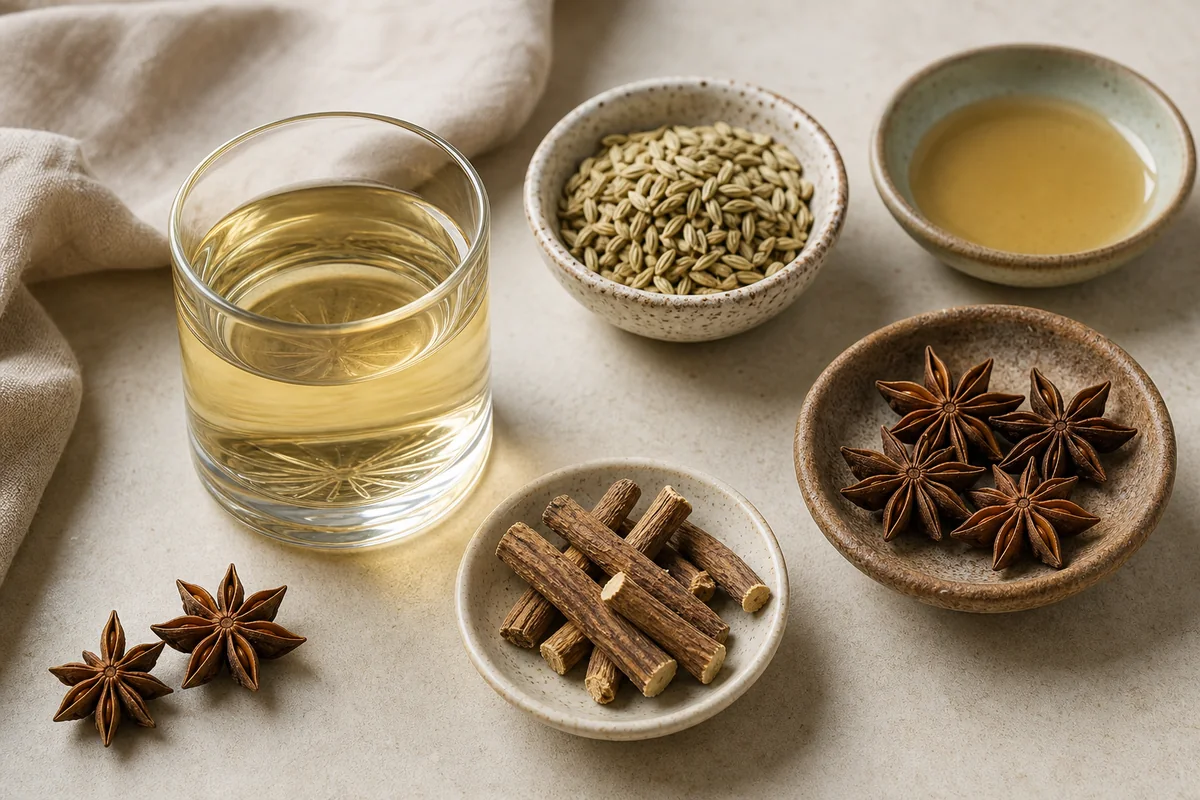
5 Best Pernod Substitutes That Taste Right
Ingredients
Equipment
Method
- Match your recipe type: for sauces/cocktail-style pours, favor Pastis or Anisette; for savory braises, favor dry vermouth with a small anise boost.
- Use the listed ratio as a starting point, then adjust once the sauce simmers or the batter rests (flavor intensifies quickly with liqueurs).
- If your substitute is sweeter than Pernod (notably Anisette), reduce the swap amount by about 25% or balance with a squeeze of lemon/extra salt.
- If the substitute is stronger (like absinthe), start lower (75%) and add only after tasting the warmed sauce.
- For non-alcohol swaps (star anise syrup), simmer for 1–2 minutes after adding so the aroma blooms and the flavor integrates.
Notes
- Pernod reads as anise-licorice with herbal depth; the best substitutes replicate both aroma and how the liquid behaves when heated.
- Alcohol substitutes can taste harsher at first—simmering for 30–60 seconds usually smooths the edge.
Tried this recipe?
Let us know how it was!
Carrie is a food writer and editor with more than 15 years of experience. She has worked for some of the biggest names in the food industry, including Bon Appétit, Food & Wine, and Martha Stewart Living.
As the Editor in Chief of EpicureDelight, Carrie oversees all of the content on the site. She also manages the team of contributing writers and editors, who help to create delicious recipes, helpful tips, and informative articles that you’ll find on the site.
A native of the Chicago area, Carrie is passionate about all things food. She loves trying new restaurants and experimenting with new recipes in her kitchen. She’s also a graduate of the Culinary Institute of America, so she knows a thing or two about food!



