
Sake does quiet work in a recipe. It softens marinades, lifts a pan sauce, and adds a clean fermented note that's easy to overlook until it's missing.
The good news: sake substitutes fall into two camps. Alcohol-based swaps like dry sherry handle deglazing and depth.
Acid-based swaps like diluted rice vinegar handle brightness and marinade lift. Pick by function, not just proximity.
One rule applies across all of them. A 1:1 ratio is your starting point for alcohol swaps.
Vinegar-based swaps need to come in lighter, around ¾ of the called amount, with a small sugar pinch to round the sharpness.
The best sake substitute depends on what sake is doing in your dish. For deglazing and savory sauces, use dry sherry at 1:1. For sweetness and body, dilute mirin before adding. For acid and brightness, reach for rice vinegar at ¾ ratio with a sugar pinch.
5 Best Sake Substitutes Ranked by Function
Each substitute below matches a specific role sake plays: alcohol depth, soft sweetness, or mild acid lift. The table gives you ratios at a glance before you read further.
| # | Substitute | Best For | Ratio | Key Note |
|---|---|---|---|---|
| 1 | Dry Sherry | Both | 1:1 | Reduce 1-2 min |
| 2 | Mirin (diluted) | Both | 1:1 diluted | Cut sweetness with water |
| 3 | Rice Vinegar + Sugar | Savory | ¾:1 | Add late, not for deglazing |
| 4 | Apple Cider Vinegar + Water | Savory | ½:1 | Dilute to reduce sharpness |
| 5 | White Wine Vinegar | Savory | ¾:1 | Gentler than cider vinegar |
1. Dry Sherry
Dry sherry is the first thing we reach for when a recipe needs sake for deglazing or a cooked sauce. It has a similar savory edge and a gentle fermented note without the sweetness of sweeter wines.
Use it at 1:1 and add it early. Let it simmer 1-2 minutes so the alcohol integrates and the sharpness smooths out.
If you ever need to swap the sherry itself, choosing another sherry alternative follows the same logic as sake swaps.
Dry Sherry
Works for: pan sauces, marinades, deglazing, braised dishes
Skip if: your recipe calls for sake's mild sweetness (use diluted mirin instead)
- Add timing: Pour in early during cooking so alcohol cooks off fully.
- Amount: Use exactly 1:1 with no other adjustment needed for savory dishes.
- Watch sweetness: Buy dry sherry, not cream sherry, which is far too sweet.
2. Mirin (Diluted)
Mirin is sweeter than sake, and that extra sugar will make your sauce tacky and cloying if you don't cut it first. Mix 1 part mirin with 1 part water before measuring.
That diluted blend swaps at 1:1 for sake.
The mirin vs. vinegar comparison is useful when you're deciding between these two options for a marinade.
- Dilution ratio: Mix 1 tablespoon mirin with 1 tablespoon water to make 2 tablespoon of the swap.
- Best use: Teriyaki-style sauces, glazes, and noodle broths where a hint of sweetness is fine.
- Skip if: Your recipe already includes honey, sugar, or another sweetener and extra sweetness would tip the balance.
3. Rice Vinegar + Sugar
Rice vinegar handles sake's brightness well. It won't add any alcohol aroma, but when sake is used late in cooking for a lift, this swap holds its own.
Use ¾ teaspoon rice vinegar per 1 teaspoon sake, and stir in a small pinch of sugar to soften the edge. The sugar isn't just for sweetness; it rounds out the vinegar's sharp finish and gets you closer to sake's mild body.
- Best timing: Add this swap toward the end of cooking, not during high-heat deglazing.
- Sugar amount: About ¼ teaspoon sugar per 1 tablespoon of vinegar is enough. Don't overdo it.
- Best use cases: Dipping sauces, light marinades, and dressings where acid provides lift.
- Skip if: Your dish needs the cooked-off alcohol aroma that sake leaves behind in a simmered sauce.
4. Apple Cider Vinegar + Water
Apple cider vinegar works when you have nothing else. It's sharp, so cutting it with water is not optional.
Mix 1 part apple cider vinegar with 1 part water and use that blend at half the volume of the sake called for.
After adding it, taste the dish. If it still bites, stir in a small pinch of sugar or a drop of honey to soften the acidity.
- Dilution: Always mix 50/50 with water before adding to the dish.
- Adjust after: Taste and add sugar in ¼ teaspoon increments until the harshness fades.
- Skip if: The dish is a delicate soup or light noodle broth where sharp vinegar notes will stand out against mild ingredients.
5. White Wine Vinegar
White wine vinegar is gentler than apple cider vinegar, and that difference matters in delicate dishes. It still reads as acidic, but without the fruity sharpness that cider vinegar can leave behind.
Use it when sake is meant to brighten with a clean, pale acid and you need something that won't compete with the main flavor.
- Ratio: Use ¾ of the amount of sake called for.
- Sugar balance: Add a small pinch of sugar per tablespoon if the dish tastes too sharp.
- Skip if: You need any savory alcohol depth; this swap is acid-only and won't replicate cooking-wine character.
| Use | Ratio | Notes |
|---|---|---|
| Light marinades | ¾:1 | White wine vinegar + pinch of sugar |
| Dipping sauces | ¾:1 | White wine vinegar works cleanly here |
| Soup or broth | ½:1 | Use sparingly; taste as you go |
| Pan sauces | Skip | Use dry sherry or mirin instead |
Making Sake Substitutes Taste Right (Fast Fixes)
After swapping, the dish may need a small adjustment. Alcohol-based swaps need time to cook off, so simmer them 1-2 minutes longer if the raw edge is still detectable.
For vinegar-based swaps, the fix usually involves balancing with sweetness or a pinch of salt. If you also rely on Chinese cooking wine alternatives in your pantry rotation, the same simmering logic applies there too.
- Too sharp: Add a small pinch of sugar or a drop of honey and stir well before tasting again.
- Too sweet: Add a small splash of your vinegar substitute, about ½ teaspoon at a time, until balanced.
- Too thin: Simmer the sauce uncovered for 1-3 minutes to reduce and concentrate the flavor.
Frequently Asked Questions
Dry sherry is the closest 1:1 swap for savory cooking. It has a similar fermented depth and handles deglazing without adding unwanted sweetness.
Yes, but dilute it first. Mix equal parts mirin and water before measuring so the sweetness level stays close to sake's milder body.
It works well when sake is added for brightness. Use ¾ of the called amount and add a small pinch of sugar to replicate sake's soft edge.
Add a small pinch of sugar and stir it in before tasting again. If it's still sharp, simmer the sauce for 1-2 extra minutes to mellow the edge.
In delicate broths, yes. Use the gentlest acid substitute (white wine vinegar at ½ ratio) and avoid apple cider vinegar, which reads as fruity in light soups.
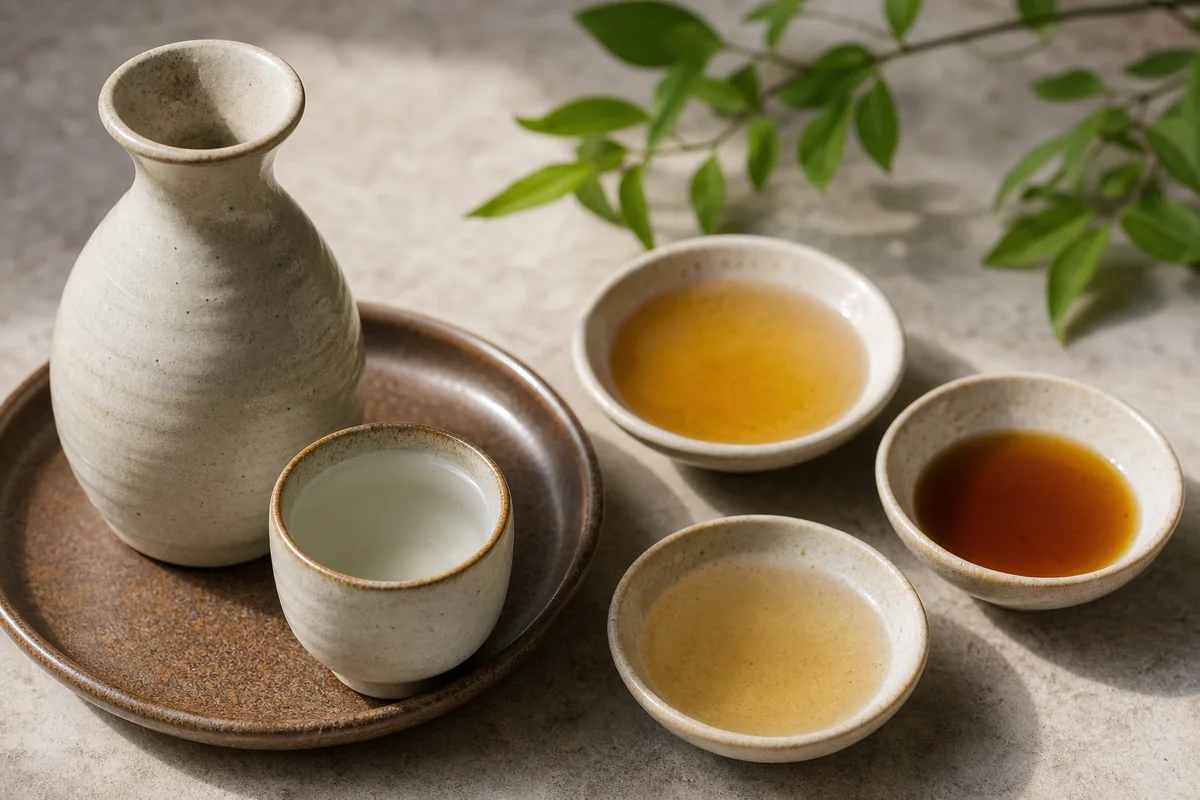
5 Best Sake Substitutes (Tested)
Ingredients
Equipment
Method
- Identify what sake does in your recipe: deglazing sauce flavor, marinade alcohol, or mild sweetness/brightness.
- Start with the ratio in the table; if your substitute is sweeter (mirin), dilute it before adding.
- Add early for cooking sauces so the alcohol note cooks off; add late for brightness only (vinegar-based).
- Taste and adjust: if flat, add a small splash of acid; if too sharp, balance with a tiny pinch of sugar.
- For alcohol substitutes, simmer 1–2 minutes longer if you still detect raw harshness.
Notes
- Use non-sweet versions of wine/spirits when possible to avoid a sweeter, thicker end flavor.
- Vinegar-based swaps mimic acidity/brightness, not the exact alcohol aroma.
Tried this recipe?
Let us know how it was!
Carrie is a food writer and editor with more than 15 years of experience. She has worked for some of the biggest names in the food industry, including Bon Appétit, Food & Wine, and Martha Stewart Living.
As the Editor in Chief of EpicureDelight, Carrie oversees all of the content on the site. She also manages the team of contributing writers and editors, who help to create delicious recipes, helpful tips, and informative articles that you’ll find on the site.
A native of the Chicago area, Carrie is passionate about all things food. She loves trying new restaurants and experimenting with new recipes in her kitchen. She’s also a graduate of the Culinary Institute of America, so she knows a thing or two about food!



