
Scotch bonnet peppers bring something specific to a dish: a fruity, tropical heat that sits high on the Scoville scale but doesn't taste one-dimensional. Losing that in a recipe matters.
The best scotch bonnet pepper substitute depends on whether your dish needs that characteristic fruity brightness or just the raw heat level matched.
Not every swap works the same way. A fresh chili like habanero gets you closest.
A pantry fix like cayenne plus acid gets you there differently. Knowing which swap fits your recipe saves the dish.
Habanero pepper is the closest overall swap for scotch bonnet, matching heat and tropical fruitiness at a 1:1 ratio. For pantry-only fixes, cayenne plus lime replicates the tangy bite. Always start with less than you think you need, then taste.
5 Best Scotch Bonnet Pepper Swaps Ranked by Heat and Flavor
| # | Substitute | Best For | Ratio | Key Note |
|---|---|---|---|---|
| 1 | Habanero Pepper | Both | 1:1 | Fruity heat, closest match |
| 2 | Piri Piri Pepper | Both | 1:1 | Sharp, punchy; add acid |
| 3 | Thai Chili (Bird's Eye) | Both | ¾:1 | Hotter, less fruity |
| 4 | Serrano Pepper | Both | 1:1 | Vegetal; remove seeds |
| 5 | Jalapeño + Cayenne Pinch | Both | 2:1 + pinch | Mild base, boosted heat |
For fresh-pepper swaps, reach for habanero or piri piri when the dish needs fruity brightness. Thai chili and serrano work when you want clean sharp heat.
Jalapeño with cayenne is the builder's option: you control the intensity step by step.
1. Habanero Pepper
Habanero is the go-to swap, and for good reason. It sits in the same heat range as scotch bonnet (100,000-350,000 Scoville) and carries a similar tropical note, though it leans slightly more floral.
Use it at a 1:1 ratio and keep tasting as you go. If you find storing fresh habaneros tricky, buy a small batch and use within a week.
- Chop finely: Remove seeds for less heat; leave one or two in if you want the full punch.
- Add early: Sauté habanero with your aromatics so the heat distributes through the oil.
- Taste midway: Habanero can linger longer than scotch bonnet, so check before adding more.
Skip if: your dish is meant for mild-heat eaters. Habanero can land hotter than expected in a slow-cooked stew.
2. Piri Piri Pepper
Piri piri (African bird chili style) is sharp and immediate. It works especially well in marinades where scotch bonnet's brightness is the point.
The main difference: piri piri has less fruity sweetness, so you may want to add a small squeeze of lime to round it out. When used in tropical-flavored pepper preparations, this swap holds up well with a touch of acid added early.
- Best for: Peri-peri sauces, marinades, and jerk-style rubs.
- Chop fine: A coarse chop can leave uneven hot spots in the finished dish.
- Add acid early: A splash of lime or white vinegar at the start softens piri piri's sharper edge.
Skip if: your recipe is fruity and tropical by design. Piri piri won't replicate that mellow sweetness on its own.
3. Thai Chili (Bird's Eye)
Thai bird's eye chilies are hot, sometimes hotter than scotch bonnet, and they skip the fruity middle note entirely. They work when you need heat volume without the Caribbean flavor character.
Use ¾ of what the recipe calls for in scotch bonnet, and taste before you add more. For other options in this category, the page on sharp chili swaps covers similar ground.
- Slice thin or mince: Whole bird's eye chilies release heat unevenly; a fine mince distributes better.
- Start low: Add half your measured amount first, cook for 2 minutes, then taste.
- Avoid seeds for broth dishes: Seeds can make a light broth bitter over long cook times.
Skip if: you want that fruity, slightly mellow quality of scotch bonnet. Bird's eye chilies are straightforward heat with no sweetness.
4. Serrano Pepper
Serrano works when you want fresh chili heat without hunting down specialty peppers. It is milder than scotch bonnet (around 10,000-23,000 Scoville), so you will need more of it and you should leave the seeds in to build heat.
It is a solid choice for stews, salsas, and rice dishes where the chili is more background than the star. The mildly grassy note from this crisp green chili family is worth knowing before you commit.
For flavor balance, remove seeds if you are using a large number of serranos to control the overall heat. If the dish feels flat after swapping, add a small pinch of sugar and a squeeze of lime.
Both will bring back some of the brightness scotch bonnet carries naturally.
Skip if: the recipe is jerk-style or any dish where scotch bonnet's fruit-forward profile is the centerpiece. Serrano reads more vegetal and the difference will be noticeable.
5. Jalapeño Pepper + Cayenne Pinch
Jalapeño alone is too mild to stand in for scotch bonnet. But pair it with cayenne and you get a functional swap that you can calibrate by the pinch.
Best for Mild Dishes
Works for: dishes where you want to control heat precisely, or when cooking for a crowd with mixed spice tolerance.
Skip if: you want true scotch bonnet fruity brightness - this combo reads more neutral and dry.
Use 2 jalapeños for every 1 scotch bonnet the recipe calls for, then add cayenne to taste. To understand the cayenne side of this pairing, the guide on choosing a cayenne alternative is worth a look.
The jalapeño gives body and a mild pepper flavor; the cayenne builds the heat.
- Mince the jalapeño: Remove seeds for mild batches; keep them for a stronger result.
- Add cayenne at the end: Stir in a small pinch, cook 1 minute, taste, then repeat if needed.
- Balance with acid: A squeeze of lime at the finish lifts the whole blend and hides any flatness.
Making Scotch Bonnet Substitutes Work (Heat + Flavor Fixes)
Getting the swap right is partly about the pepper and partly about the order you fix things. Fresh peppers, like dry heat spices, behave differently across long and short cook times, and the order of your adjustments matters as much as the swap itself.
- Add fresh chilies early: Sautéing with aromatics distributes heat through the oil and mellows any raw sharpness. Powders and flakes go in near the finish so you can control the final level.
- Fix acid before heat: If the dish tastes flat, add lime juice or a splash of vinegar first. Acid reveals flavor that was already there. Only boost the chili after acid and salt are right.
- Taste in rounds: Add a small amount of your substitute, cook for 2 minutes, then taste. Chili heat builds, especially in oil-based dishes. Overshooting is much harder to fix than undershooting.
Frequently Asked Questions
Yes, habanero works at a 1:1 ratio. It is slightly more floral and can linger longer, so taste midway through cooking and hold back a little if you're heat-sensitive.
Habanero is your best option for fruity heat. Piri piri is second, but add a squeeze of lime to recover the tropical brightness scotch bonnet carries naturally.
Use about ¼ teaspoon of cayenne per scotch bonnet, then add a splash of lime juice to mimic the tangy lift. Taste and adjust before adding more powder.
Yes, removing seeds lowers the heat noticeably in any fresh chili. Start seedless, taste the dish, then add seeds back one at a time if you need more intensity.
Sharpness usually means the dish needs acid. Flatness means it needs salt first, then acid. Fix both before you add any more chili or the heat will mask the problem instead of solving it.
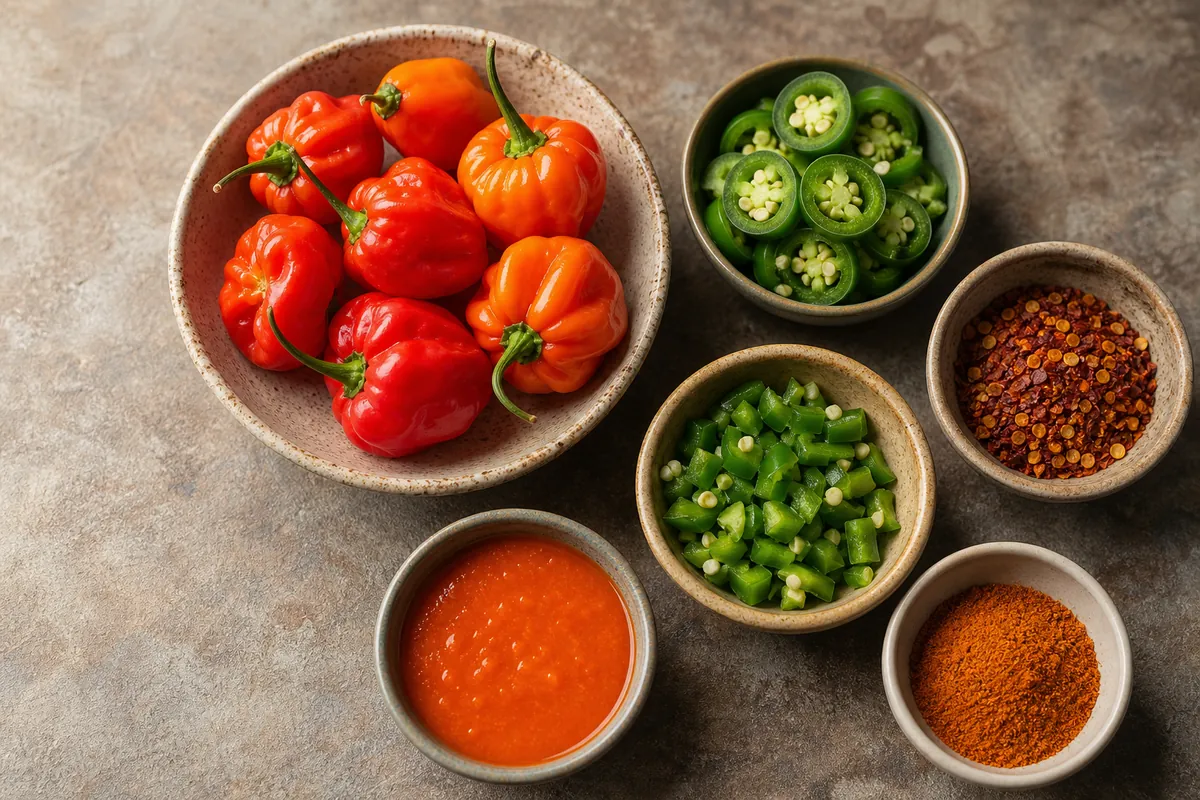
5 Best Scotch Bonnet Pepper Substitutes for Better Results
Ingredients
Equipment
Method
- Identify what your recipe needs: fruity Caribbean heat (use habanero/piri piri) or straightforward chili heat (use Thai chili/serrano).
- Use the listed ratio as your starting point, then adjust in small increments (especially if using powder or flakes).
- Chop fresh peppers finely and add early if you want the heat to distribute; sprinkle powdered/flaked options near the end for control.
- If your swap tastes “flat,” add acid (lime/vinegar) to bring back scotch bonnet’s bright bite.
- Taste and correct: add more heat only after acid and salt are right, so you don’t over-spice.
Notes
- If you’re swapping a whole pepper for another whole pepper, follow the ratio and adjust by taste.
- When using powdered substitutes, start low—powders overshoot faster than whole peppers.
Tried this recipe?
Let us know how it was!
Carrie is a food writer and editor with more than 15 years of experience. She has worked for some of the biggest names in the food industry, including Bon Appétit, Food & Wine, and Martha Stewart Living.
As the Editor in Chief of EpicureDelight, Carrie oversees all of the content on the site. She also manages the team of contributing writers and editors, who help to create delicious recipes, helpful tips, and informative articles that you’ll find on the site.
A native of the Chicago area, Carrie is passionate about all things food. She loves trying new restaurants and experimenting with new recipes in her kitchen. She’s also a graduate of the Culinary Institute of America, so she knows a thing or two about food!



