
That drizzle of sesame oil at the end of a stir-fry is not decorative. It carries the whole dish's aroma.
When the bottle is empty, the right sesame oil substitute keeps that toasty note alive without starting from scratch.
Most recipes mean toasted sesame oil, the dark, fragrant kind sold in small bottles. Regular (untoasted) sesame oil is lighter and barely scented.
Know which one you need before you swap.
Toasted sesame oil is the strongest match and works 1:1. For dressings, thin tahini with water to a pourable consistency. For stir-fries, combine peanut oil with toasted sesame seeds. Walnut oil and olive oil both work as finishing-oil backups when paired with a sesame-seed sprinkle.
5 Best Sesame Oil Substitutes Home Cooks Actually Use
Not every substitute works in every dish. A marinade tolerates a heavier swap; a finishing drizzle needs something with real aroma.
The table below gives you the fast overview, and each section after it tells you exactly how to use each option.
| # | Substitute | Best For | Ratio | Key Note |
|---|---|---|---|---|
| 1 | Toasted Sesame Oil | Both | 1:1 | Add at the very end |
| 2 | Tahini + Water | Cold | ¾:1 | Thin until pourable first |
| 3 | Peanut Oil + Seeds | Hot | 1:1 | Toast seeds beforehand |
| 4 | Walnut Oil + Seeds | Both | 1:1 | Finishing oil only |
| 5 | Olive Oil + Seeds | Both | 1:1 | Emergency swap only |
1. Toasted Sesame Oil
If your recipe calls for plain sesame oil, toasted sesame oil is the easiest answer. It has a darker color and a much stronger roasted scent, so you may want to start with slightly less, around three-quarters of the called-for amount.
The nutty pressed oil is what most home cooks already keep in the pantry for Asian-style dishes.
Toasted Sesame Oil
Works for: stir-fry finishing, noodle dressings, marinades, dipping sauces
Skip if: your recipe requires the oil to cook over high heat for more than a few minutes-the aroma fades fast
- Ratio: Start at ¾ teaspoon per 1 teaspoon called for; adjust up by taste
- When to add: Stir in during the last 30 seconds of cooking or drizzle over the finished dish
- Storage tip: Keep it refrigerated; this amber finishing oil goes rancid faster than most pantry oils
2. Tahini Thinned with Water
Tahini is sesame paste, pressed from whole or hulled sesame seeds, and it carries the same core flavor as sesame oil. The problem is thickness. Straight from the jar, it is far too dense to behave like an oil.
Thin it with warm water, about 1 tablespoon of water per 2 tablespoons of tahini, until it pours smoothly. It works well in salad dressings, cold noodle sauces, and marinades.
The flavor is strong and slightly bitter, so use a bit less than the original recipe calls for.
- Thinning step: Whisk 1 tablespoon warm water into 2 tablespoon tahini; repeat until pourable
- Best dish types: Cold noodles, dressings, dipping sauces, veggie marinades
- Texture warning: Even thinned tahini adds body; cut back other thick ingredients in the recipe
- Skip if: You need a pure liquid oil for high-heat stir-frying; tahini scorches and breaks under direct heat
3. Peanut Oil Plus Toasted Sesame Seeds
Peanut oil is mild, slightly nutty, and handles high heat well. On its own it won't fool anyone into thinking they're tasting sesame oil.
But a small handful of freshly toasted sesame seeds stirred in right before serving closes that gap considerably.
- Seed toast timing: Toast seeds in a dry pan for 2-3 minutes until golden; let cool before adding
- When to add: Stir seeds into the dish in the last minute of cooking, not at the start
- Ratio: Use 1 teaspoon peanut oil per 1 teaspoon sesame oil, plus ¼ teaspoon toasted seeds per serving
- Avoid overdoing seeds: More than ½ teaspoon of seeds per serving can make the dish feel grainy
- Skip if: You need a strong toasted fragrance; even well-toasted seeds are subtler than real sesame oil
Keep an eye on how you store your oil. this high-heat pantry oil has a decent shelf life but loses flavor if kept too warm.
4. Walnut Oil with Sesame Seeds
Walnut oil has a naturally deep, earthy nuttiness that sits closer to sesame oil than most other alternatives. It is too delicate for high heat, but as a finishing oil it adds real complexity.
A light sprinkle of toasted sesame seeds on top fills in the sesame-specific aroma it lacks. If you're ever short on walnut oil itself, there are solid nut-based oil swaps worth keeping in mind.
| Use | Ratio | Notes |
|---|---|---|
| Finishing drizzle | 1:1 | Walnut oil + sesame seed sprinkle; add after plating |
| Cold dressing | ¾:1 | Reduce slightly; walnut oil is stronger than plain sesame |
| Warm sauce | 1:1 | Add off heat only; do not simmer |
- Heat sensitivity: Never use walnut oil for frying; it turns bitter above 320°F
- Bitterness risk: Old or improperly stored walnut oil tastes harsh; always smell it first
- Skip if: You're cooking at high heat for longer than 2 minutes; the oil breaks down and the flavor turns
5. Olive Oil Plus Sesame Seeds
This is the emergency swap. Olive oil is probably already on your counter, and this versatile pressed oil brings enough neutrality that it won't fight the other flavors in the dish.
The sesame aroma comes entirely from the seeds you add.
Olive Oil Base vs. Sesame-Seed Toasty Note
Works for: sauces, marinades, cold noodles, finishing drizzles over soups or salads
Skip if: you want a completely smooth, seed-free texture in the final dish
- Quick seed toast: Add seeds to a dry skillet over medium heat for 2 minutes; shake the pan constantly
- Ratio: 1 teaspoon olive oil + ¼ teaspoon toasted sesame seeds per 1 teaspoon sesame oil called for
- Best uses: Stir into sauces after cooking, drizzle over finished bowls, fold into cold dressings
- Seed texture note: If crunch is unwanted, blend the oil and seeds briefly before using
Making Your Sesame Oil Substitute Taste Right
The single biggest mistake with any sesame oil swap is adding it too early. Heat destroys tiny toasted seeds' aroma within a minute or two, and the same goes for most finishing oils.
When you're baking, fold the substitute in with the wet ingredients and consider adding an extra pinch of toasted seeds to the batter for aroma. Storing your seeds correctly matters too; keeping seeds fresh longer means the flavor is still sharp when you need it.
- Timing: Add oil-based substitutes in the last 30-60 seconds of cooking, or drizzle over the plated dish
- Bitterness fix: If your substitute tastes harsh, balance it with a small splash of rice vinegar or a drop of honey
- Baking adjustment: Swap 1:1 by volume, but add ¼ teaspoon toasted sesame seeds to the dry ingredients for extra aroma
Frequently Asked Questions
Peanut oil with toasted sesame seeds is the most practical stir-fry swap. Use a 1:1 ratio for the oil and stir in the seeds during the final minute of cooking.
No. Tahini is a paste, not a liquid, so use ¾ the amount and thin it with warm water first until it pours smoothly.
Add them at the end. Most substitutes lose their aroma under prolonged heat, so a finish drizzle or last-minute stir-in works best.
Swap 1:1 by volume using toasted sesame oil or a neutral oil, and add ¼ teaspoon of toasted sesame seeds to the dry ingredients for aroma.
Yes. Toast the seeds first and stir them in at the end. The olive oil carries the fat, and the seeds provide the sesame aroma the dish needs.
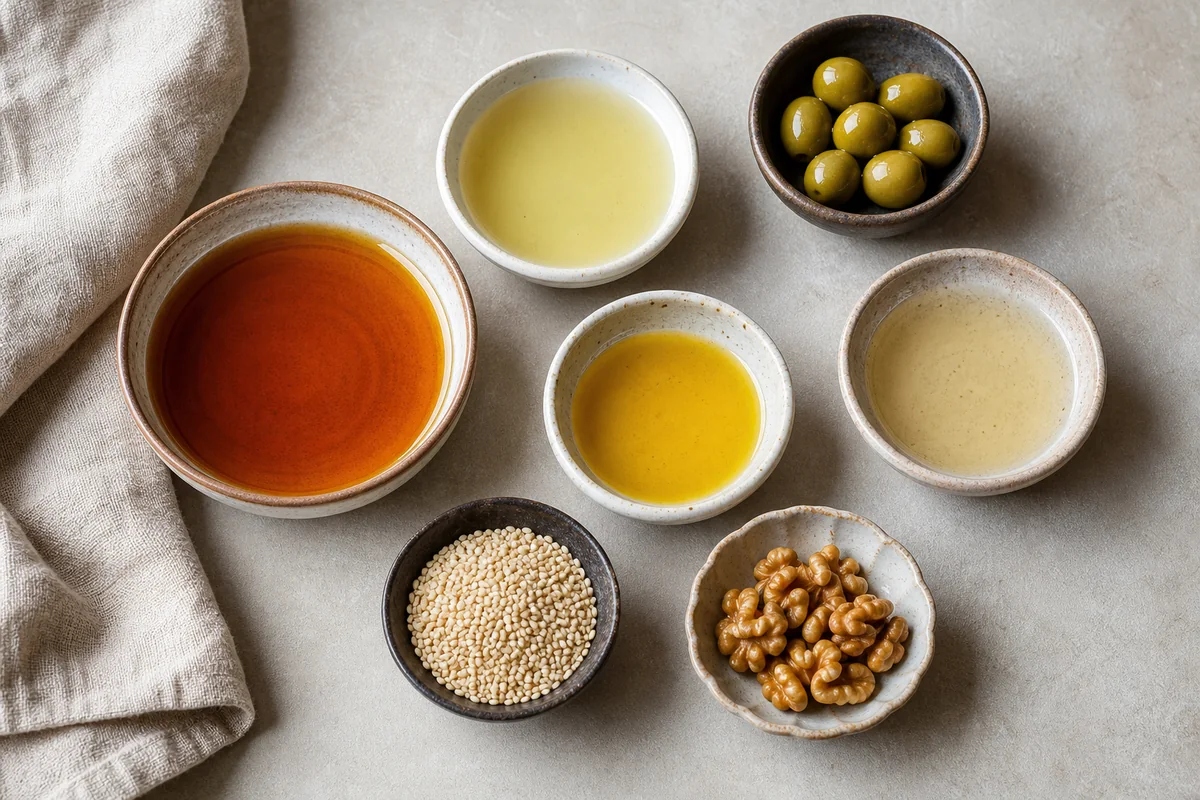
5 Best Sesame Oil Substitutes for Home Cooks
Ingredients
Equipment
Method
- Decide whether you need a strong toasted-sesame aroma (finishing oil) or a sesame-like nutty base (sauce/dressing).
- Pick the closest option from the list and swap using the ratio in the table (start slightly low for strong oils).
- If using tahini, thin with water to a pourable consistency before mixing into your sauce or dressing.
- For seed-based swaps (olive/peanut/walnut + sesame seeds), toast seeds briefly and stir in right before serving.
- Taste and adjust: add a few drops more for aroma, or add a splash of neutral liquid (water/vinegar) to balance richness.
Notes
- Sesame oil’s signature comes from its toast/aroma—finishing oils usually need less adjustment than baked goods.
- If your recipe is heat-sensitive (finishing drizzle), use oil substitutes as a final step to preserve flavor.
Tried this recipe?
Let us know how it was!
Carrie is a food writer and editor with more than 15 years of experience. She has worked for some of the biggest names in the food industry, including Bon Appétit, Food & Wine, and Martha Stewart Living.
As the Editor in Chief of EpicureDelight, Carrie oversees all of the content on the site. She also manages the team of contributing writers and editors, who help to create delicious recipes, helpful tips, and informative articles that you’ll find on the site.
A native of the Chicago area, Carrie is passionate about all things food. She loves trying new restaurants and experimenting with new recipes in her kitchen. She’s also a graduate of the Culinary Institute of America, so she knows a thing or two about food!



