
That electric, lip-buzzing tingle you get from a good Sichuan dish is almost impossible to forget. Finding a good sichuan peppercorn substitute matters because that sensation, called málà, comes from a compound called hydroxy-alpha-sanshool, not from ordinary heat.
Most swaps won't replicate that exactly, but they can cover either the numbing side or the citrusy aromatic lift, depending on which your dish needs most.
Sichuan peppercorn is not hot in the chili sense. It is floral, faintly citrusy, and leaves a buzzing warmth on the tongue.
If you need visible whole peppercorn texture for a garnish, none of the substitutes below will match visually. In that case, grind your chosen swap and use it as a seasoning instead.
Japanese sansho powder is the nearest match for the tingling effect, used at a 1:1 ratio. Roasted coriander seed covers the citrusy aromatic note at 1:1. For a fast pantry fix, black pepper plus lemon zest handles both roles in a pinch.
5 Best Sichuan Peppercorn Substitutes (with Ratios)
Matching Sichuan peppercorn comes down to two flavor goals: the numbing tingle or the citrusy top note. Use this table to lock in the right ratio before you reach for any of the five options below.
| # | Substitute | Best For | Ratio | Key Note |
|---|---|---|---|---|
| 1 | Japanese Sansho Powder | ★ Both | 1:1 | Bloom in hot oil |
| 2 | Roasted Ground Coriander | Aromatic | 1:1 | Toast before grinding |
| 3 | Black Pepper + Lemon Zest | ★ Both | 1:1 + zest | Add zest last |
| 4 | Aleppo Pepper + Coriander | Aromatic | ¾:1 | Mild heat, fruity note |
| 5 | Fennel Seed + Black Pepper | Aromatic | 1:1 | Toast fennel briefly |
1. Japanese Sansho Powder
Sansho comes from the same plant family as Sichuan peppercorn, so it carries genuine tingling alongside a clean, green citrus aroma. Start at a 1:1 ratio and taste after adding; the tingle can creep up once the dish settles.
Japanese Sansho Powder
Works for: stir-fries, noodle sauces, spice rubs, dipping salt blends where numbing tingle is the goal
Skip if: you need visible whole peppercorn texture for a garnish - sansho is sold ground and won't match visually
- Blooming: Warm sansho in hot oil for 20-30 seconds before adding other ingredients to amplify the tingle.
- Sauce base: Stir a teaspoon of sauce into the sansho first, then add the mixture back to the wok to avoid scorching.
- Finishing: A small dusting over a finished dish adds a bright aromatic punch without extra cooking time.
Taste after each addition. Sansho can tip toward bitter if you use more than 1.5x the original amount.
2. Roasted Ground Coriander Seed
Coriander seed has a citrusy brightness that covers Sichuan peppercorn's aromatic top note well, though it won't produce any numbing. Understanding coriander's flavor profile helps you judge how much to add before the dish tips from spiced to herbal.
Use a 1:1 ratio, but always toast the seed first. Dry coriander powder can taste flat and almost soapy; 30-60 seconds in a dry pan changes that completely.
- Toasting: Heat a dry skillet over medium, add whole coriander seeds, and shake for 30-60 seconds until fragrant. Grind immediately.
- Add early: Bloom ground coriander in your oil at the start of cooking to build base aroma throughout the dish.
- Add late: A second small pinch stirred in at the end keeps the citrus note sharp and distinct.
- Skip if: Your recipe needs visible peppercorn texture - this swap is a ground seasoning only.
3. Black Pepper + Lemon Zest
Black pepper handles the heat and bite, while lemon zest mimics Sichuan peppercorn's citrusy lift. These two together cover both flavor roles reasonably well when you have nothing else.
Getting the most from fresh zest matters here because dried lemon peel reads flat and slightly bitter rather than bright.
- Pepper timing: Add black pepper early in the cook so it blooms in the oil and softens its raw edge.
- Zest timing: Stir in zest off the heat or in the last 30 seconds - heat drives off the aromatic oils fast.
- Amount check: Start with ¼ teaspoon zest per teaspoon of black pepper; taste before adding more.
- Skip if: Your dish is already lemon-forward - doubling the citrus will push the flavor out of balance.
4. Aleppo Pepper + Pinch Coriander
Aleppo pepper is mild, slightly fruity, and adds a warm reddish color to a dish. It won't produce any numbing, but paired with a pinch of ground coriander, it can stand in when you mainly need gentle seasoning depth.
If you need to swap out swapping Aleppo itself elsewhere in the same recipe, keep the coriander constant so the aromatic top note stays in place.
Use ¾ teaspoon of Aleppo pepper for every 1 teaspoon of Sichuan peppercorn called for, then add a small pinch of ground coriander to restore the aromatic note Aleppo lacks.
- Color bonus: Aleppo adds a warm brick-red tint that Sichuan peppercorn doesn't, which can improve the look of finished noodles or braised dishes.
- Sweetness watch: Aleppo is fruitier than black pepper; add coriander to steer the profile back toward savory.
- Skip if: Your recipe depends on a strong numbing sensation - this swap is aromatic and mild, not tingly.
5. Fennel Seed + Black Pepper
Fennel seed brings a herbal, anise-adjacent aroma that can echo Sichuan peppercorn's floral lift, while black pepper adds the bite. The distinctive herbal quality of fennel is present even in small amounts, so keep the ratio balanced.
Use a 1:1 blend of freshly ground fennel seed and black pepper to replace Sichuan peppercorn at a 1:1 total ratio.
| Use | Ratio | Notes |
|---|---|---|
| Single serving (stir-fry) | ¼ teaspoon fennel + ¼ teaspoon black pepper | Grind fresh; add to oil at start |
| Family batch (4 servings) | 1 teaspoon fennel + 1 teaspoon black pepper | Toast fennel first, then combine and grind |
| Dry rub / spice blend | Equal parts by weight | Mix with salt; use within 2 weeks for best aroma |
- Toasting fennel: Dry-toast for under 1 minute on medium heat - over-toasting pushes the flavor toward strong licorice.
- Grinding: Grind the toasted fennel and black pepper together so the oils blend before hitting the dish.
- Taste check: If fennel is too forward, reduce it by ¼ and add a touch more black pepper.
- Skip if: You dislike anise or licorice flavors - fennel will be detectable even in a busy sauce.
Making Sichuan Peppercorn Substitutes Work
Getting the most from any of these swaps depends on when and how you add them. Blooming ground spices in hot oil early in the cook is the single biggest upgrade you can make; it pushes aroma into the fat, which carries flavor through the whole dish.
For a deeper look at pepper-based swaps, the same blooming logic applies across the board.
- Early bloom: Add ground spices to hot oil before the aromatics (garlic, ginger) go in; 20-30 seconds is enough to open the flavor without burning.
- Finishing citrus: Zest or a few drops of bright citrus juice added off the heat keeps the top note sharp - add too early and it cooks off entirely.
- Texture note: If the original recipe uses whole peppercorns as a textural element, grind your substitute fine and use it as a seasoning coating instead of a visible ingredient.
Frequently Asked Questions
Japanese sansho powder is the nearest match, used at a 1:1 ratio. Bloom it in hot oil before cooking to maximize the tingle.
You can use it at 1:1 for the heat component, but black pepper adds no numbing or citrus lift. Pair it with a small amount of lemon zest for a closer result.
Stir in fresh lemon zest or a few drops of lime juice off the heat at the end of cooking. Heat destroys the aromatic oils quickly, so timing matters.
Yes, toasting for 30-60 seconds in a dry pan before grinding makes a clear difference. Untoasted seeds taste flat and lack the aromatic brightness you need here.
Sourness usually means too much zest, vinegar, or lime was added too early. Pull back the acid and add a tiny amount only after the dish is off the heat.
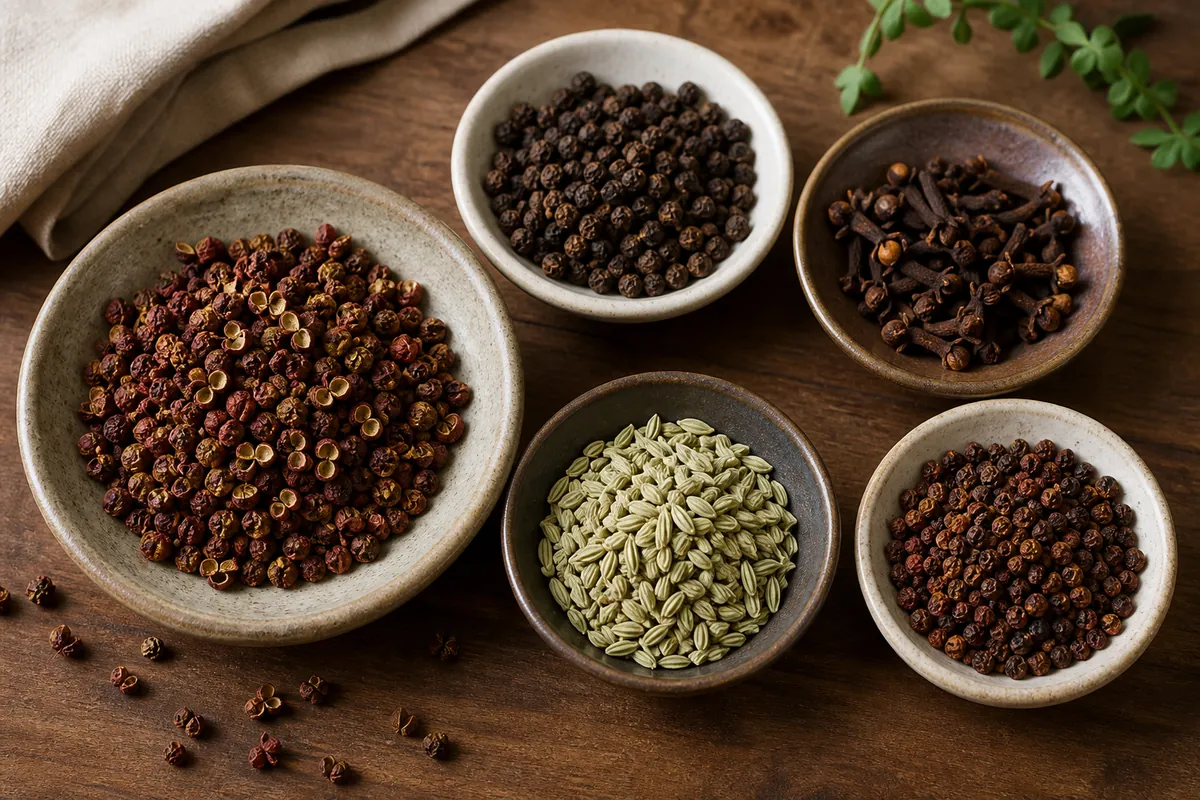
5 Best Sichuan Peppercorn Substitutes (with Ratios)
Ingredients
Equipment
Method
- Identify your dish goal: you want the tingling/numbing effect (málà) or mainly the citrusy aromatic top note.
- Pick the closest match from the table: Japanese sansho for the nearest experience, or roasted coriander for an aromatic backup.
- Use the listed ratio; for blends with citrus, start low on zest and scale up only after tasting.
- If using whole spices (seeds), dry-toast briefly (30–60 seconds), then grind so flavors bloom before mixing into the sauce or seasoning.
- Taste at the end: add a little more for brightness, but avoid overdoing zest or you’ll lose the peppercorn character.
Notes
- Sichuan peppercorn’s signature “tingle” is easiest to mimic with sansho; other swaps focus on aroma + gentle heat.
- If your substitute is seed-based, toast briefly for more punch before grinding.
Tried this recipe?
Let us know how it was!
Carrie is a food writer and editor with more than 15 years of experience. She has worked for some of the biggest names in the food industry, including Bon Appétit, Food & Wine, and Martha Stewart Living.
As the Editor in Chief of EpicureDelight, Carrie oversees all of the content on the site. She also manages the team of contributing writers and editors, who help to create delicious recipes, helpful tips, and informative articles that you’ll find on the site.
A native of the Chicago area, Carrie is passionate about all things food. She loves trying new restaurants and experimenting with new recipes in her kitchen. She’s also a graduate of the Culinary Institute of America, so she knows a thing or two about food!



