
Running out of sweet vermouth mid-recipe is genuinely frustrating, especially when a Manhattan or a slow-braised sauce is already halfway done.
Sweet vermouth is a fortified, herb-infused wine with a distinctive bittersweet profile that no single ingredient perfectly replicates.
The good news is that several pantry-friendly options get you close enough that your drink or dish will still shine. Understanding red wine flavor profiles helps you pick the right swap for your situation.
This guide covers seven substitutes, from fortified wines to vinegars, with specific ratios and notes on when each one works best.
The best substitutes for sweet vermouth are dry red wine, sweet red wine, sherry, port, red wine vinegar, balsamic vinegar, and apple cider vinegar. For cocktails, port or sherry are the closest matches. For cooking, dry red wine works in a 1:1 ratio with minor seasoning adjustments.
What's Sweet Vermouth?

Sweet vermouth is a fortified, aromatized wine that originated in Turin, Italy in the late 18th century.
It starts with a base of white or red wine, which is then steeped with a proprietary blend of botanicals including wormwood, herbs, and spices, and finally sweetened with caramel or sugar.
The result is a wine that sits at roughly 15-17% ABV, higher than table wine but lower than spirits.
That combination of added sugar and bitter botanicals gives sweet vermouth its signature bittersweet character, which is impossible to find in an unflavored wine.
Brands like Carpano Antica Formula and Cinzano Rosso are the most recognized Italian producers, and each uses a slightly different botanical mix.
Sweet vermouth is a load-bearing ingredient in classic cocktails like the Manhattan, the Negroni, and the Rob Roy, where its sweetness balances whiskey or gin.
In cooking, it works similarly to white wine in braises and pan sauces, adding acidity and a faint herbal note. Just as you might swap white wine in risotto, vermouth can step in for either style depending on the dish.
Its texture is noticeably thicker and more syrupy than table wine, which means substitutes sometimes need a small amount of added sugar to match the mouthfeel.
Key Flavor Differences in Sweet Vermouth Alternatives
1. Dry Red Wine

Dry red wine is the most accessible substitute and works particularly well in cooked applications like braises, pan sauces, and stews.
Its fruit-forward, tannic profile shares enough DNA with sweet vermouth to hold up in most savory recipes, though it lacks the herbal bitterness and sweetness.
Use a 1:1 ratio when swapping dry red wine for sweet vermouth in cooking. Add a small pinch of sugar or a splash of grape juice to compensate for the missing sweetness.
For cocktails, dry red wine is a weaker match because the body is thinner and the botanical notes are absent entirely. It can work in a pinch, however, if you add a few dashes of aromatic bitters to close the gap.
When using dry red wine in cocktails, add 2-3 dashes of Angostura bitters per ounce to approximate the herbal complexity of sweet vermouth.
2. Sweet Red Wine

Sweet red wine, such as a Lambrusco dolce or a demi-sec Zinfandel, comes closer to vermouth's sugar level than a standard dry red.
These wines are made from grapes harvested at peak ripeness, so the residual sugar stays high and the acidity drops, producing a rounder, jammier result.
The flavor profile is generally fruity and soft, which makes it a reasonable stand-in for sweet vermouth in cocktails where the sweetness is the main thing you need to preserve.
Use sweet red wine at a 1:1 ratio. Keep in mind it still lacks the bitter botanical notes, so the drink will taste fruitier and less complex than the original.
For a slightly richer option in this category, port and sherry both add more body and depth, which is why they appear separately further down this list.
3. Sherry

Sherry is a fortified wine from the Jerez region of Spain, made primarily from Palomino grapes and aged using the solera system, which layers younger and older wines together for complexity.
Its flavor is nutty, slightly oxidized, and ranges from bone-dry (Fino) to very sweet (Pedro Ximénez), so the variety you choose matters.
For a sweet vermouth substitute, reach for a cream sherry or an Oloroso, both of which carry enough sweetness and body to mimic vermouth's profile in cocktails and sauces.
Use a 3:1 ratio of sherry to dry vermouth if a recipe calls for a blend, or substitute sherry straight 1:1 when the recipe only calls for sweet vermouth alone.
Sherry also holds up well in cooking, particularly with chicken, mushroom-based dishes, and anywhere you might otherwise use dry sherry as a flavor base.
4. Port
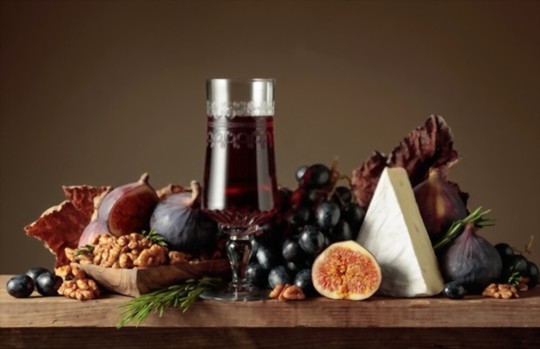
Port is a Portuguese fortified wine made from red grapes grown in the Douro Valley, with grape spirits added mid-fermentation to stop the process and preserve natural sugar.
The result is a wine that is noticeably sweeter and heavier-bodied than sweet vermouth, sitting at around 19-22% ABV.
Because port is sweeter, use about two-thirds the amount the recipe calls for in sweet vermouth and taste as you go. Adding it in full will make cocktails cloying and throw off the balance.
- Body: Port is heavier than sweet vermouth, so it will change the mouthfeel of your drink noticeably.
- Sweetness: Reduce the quantity by about one-third and cut any added sugar in the recipe to avoid an overly sweet result.
- Best use: Ruby port works best in spirit-forward cocktails; tawny port suits cooking applications where a richer, nuttier flavor is welcome.
Port is a strong choice for a Negroni riff or a braised beef dish where you want that thick, sweet, wine-forward backbone.
5. Red Wine Vinegar
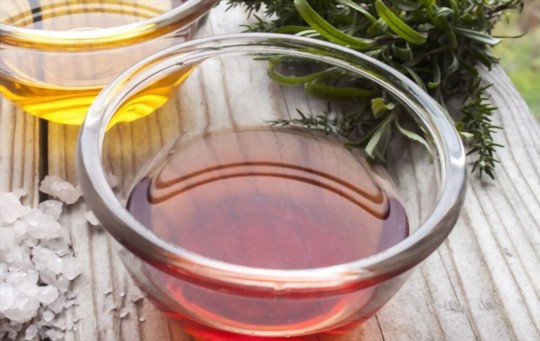
Red wine vinegar is produced by fermenting red wine until the alcohol converts fully to acetic acid, giving it a sharp, tangy character with underlying grape flavor.
It has zero sweetness and significantly more acidity than sweet vermouth, which means it needs adjustment before use as a substitute.
Mix red wine vinegar with a small amount of sugar or honey at roughly 3 parts vinegar to 1 part sweetener to approximate the sweet-tart balance of vermouth in cooking applications.
This substitute works best in marinades, pan sauces, and braises rather than cocktails, where the sharp acidity would be too jarring. The vinegar's bite softens considerably with heat, making it much more useful in a skillet than in a shaker.
It is especially useful when you need the acidic lift that vermouth provides in a recipe, similar to how you might compare thickening agents for flour based on function rather than flavor alone.
Do not use red wine vinegar in cocktails without heavy dilution and sweetening. Even a small amount used straight will make a drink taste sour and unbalanced.
6. Balsamic Vinegar
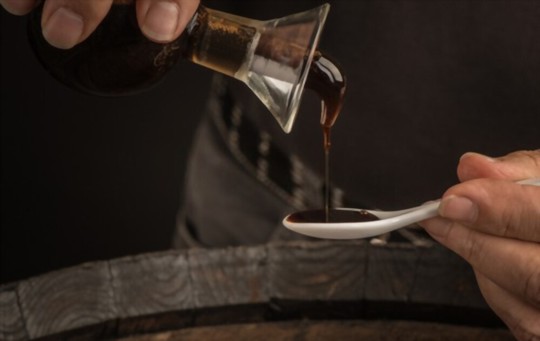
Balsamic vinegar is made from cooked grape must, aged in wooden barrels for anywhere from 3 to 25 years, producing a thick, sweet-tart syrup with notes of molasses and dried fruit.
Of all the vinegar-based substitutes, balsamic comes closest to sweet vermouth's flavor depth because it carries genuine sweetness alongside its acidity.
Use a 1:1 ratio of balsamic vinegar for sweet vermouth in cooking. The flavor will be slightly more concentrated and sweeter, so taste and adjust your other seasonings accordingly.
It pairs especially well in meat braises, mushroom sauces, and glazes where the sweet-savory combination is the goal. If you are working with strong, bold ingredients like braised short ribs or duck, balsamic vinegar can actually improve the complexity compared to vermouth.
For cocktail use, balsamic is best saved for very small quantities in non-alcoholic drinks, as its intensity can overwhelm a glass quickly. Think of it as a finishing accent rather than a full swap.
7. Apple Cider Vinegar
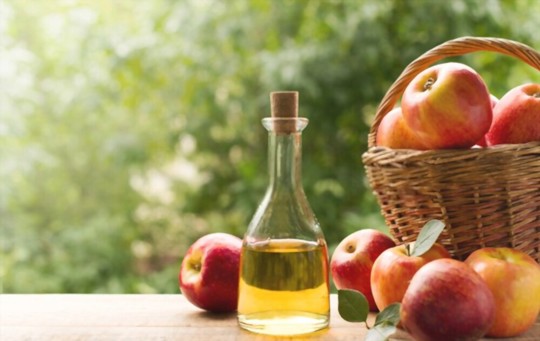
Apple cider vinegar is made by fermenting crushed apples, producing a vinegar with 5% acidity and a distinctly fruity, slightly funky flavor that sets it apart from grape-based vinegars.
It is sharper and more assertive than balsamic vinegar, with no natural sweetness, so it needs a sweetener added before it can reasonably stand in for vermouth.
Combine 1 part apple cider vinegar with 1 part apple juice or a teaspoon of honey per tablespoon of vermouth called for, then use that mixture at a 1:1 ratio in your recipe.
The fruity notes in apple cider vinegar make it a surprisingly effective non-alcoholic base in cocktails, where it adds brightness and a tart edge. Understanding how tartness works in mixed drinks is similar to learning what makes a whiskey sour taste balanced.
In cooking, this substitute works well in lighter preparations like chicken pan sauces, pork tenderloin glazes, and vinaigrettes where the apple flavor complements rather than competes with the main ingredient.
Choosing the Right Sweet Vermouth Substitute
The best substitute depends entirely on what you are making and whether alcohol is an option.
For cocktails, port or cream sherry are the two closest matches because they share sweet vermouth's fortified structure, sweetness, and body. Dry red wine or sweet red wine works in a pinch, especially with a few dashes of bitters added.
For cooking, dry red wine at a 1:1 ratio is the most practical choice in savory dishes. A small pinch of sugar brings it in line with vermouth's sweetness without making the dish taste like dessert.
This approach is as practical as knowing how to swap flank steak cuts based on what a recipe actually needs from that ingredient.
Non-alcoholic options like balsamic vinegar and apple cider vinegar work well in cooking when the vermouth is primarily providing acidity and depth rather than alcohol. Neither will work in a Negroni, however, the way a proper fortified wine would.
Vinegar-based substitutes need sweetener added before use, and port needs its quantity reduced. Keep those two adjustments in mind and any of these seven options will carry your recipe through cleanly.
For dishes that also need a fermented depth, consider how savory paste substitutes add umami similarly to the way botanicals work in vermouth.
Certain recipes hinge on vermouth's specific bitterness, particularly Negronis and Manhattans. In those cases, no substitute fully replaces the botanical complexity, and tracking down an actual bottle remains the best call.
For everything else, these swaps hold up well. If you are building a dish around layered flavors, it also helps to understand how vegetable substitutions affect texture and balance the same way a liquid swap affects depth.
More From EpicureDelight
The Complete Ingredient Substitutes Guide - your complete resource for this topic.
Frequently Asked Questions
What is the best substitute for sweet vermouth in a Negroni?
Port wine or cream sherry are the closest matches for a Negroni. Both are fortified, sweet, and full-bodied enough to balance gin and Campari at roughly a 2:3 ratio.
Can Lillet Blanc replace sweet vermouth in a Manhattan?
Lillet Blanc is drier and lighter than sweet vermouth, so it changes the Manhattan noticeably. Add a teaspoon of simple syrup per ounce to compensate for the missing sweetness.
Are there non-alcoholic sweet vermouth substitutes that actually work?
Balsamic vinegar mixed with a splash of grape juice is the strongest non-alcoholic option. Use it at a 1:1 ratio in cooking only, not in cocktails.
Is sweet vermouth interchangeable with red wine in cooking?
They are close but not identical. Sweet vermouth is sweeter and more herbal, so when swapping in dry red wine, add a pinch of sugar and a dash of bitters to compensate.
How long does an open bottle of sweet vermouth stay usable?
Sweet vermouth oxidizes after opening. Refrigerate it and use within 3 to 4 weeks for best flavor; beyond that, the botanicals fade and it tastes flat.
Save This for Later
Pin this savory tweaks: 7 best sweet vermouth substitutes guide so you always have it when you need it.

Carrie is a food writer and editor with more than 15 years of experience. She has worked for some of the biggest names in the food industry, including Bon Appétit, Food & Wine, and Martha Stewart Living.
As the Editor in Chief of EpicureDelight, Carrie oversees all of the content on the site. She also manages the team of contributing writers and editors, who help to create delicious recipes, helpful tips, and informative articles that you’ll find on the site.
A native of the Chicago area, Carrie is passionate about all things food. She loves trying new restaurants and experimenting with new recipes in her kitchen. She’s also a graduate of the Culinary Institute of America, so she knows a thing or two about food!



