
Flank steak is one of those cuts that shows up in everything from weeknight fajitas to Sunday grilled feasts.
It comes from the lower abdominal area of the cow, runs lean and fibrous, and delivers a bold, beefy flavor that holds up to strong marinades.
The problem is that it sells out fast at the butcher counter and can run short at peak grilling season.
The good news is that several cuts share enough of flank steak's character to step in without wrecking your recipe.
Skirt steak is the closest match in flavor and texture, using a straight 1:1 swap by weight. Hanger steak, flat iron, and top sirloin all work well depending on your cooking method.
If you need richer fat content for pan-searing, New York strip or ribeye fill that role.
Understanding how different steaks taste helps you pick the right substitute for each dish rather than defaulting to the nearest cut in the case. Below, we cover seven solid options with specific guidance on prep and cooking.
Skirt steak is the best 1:1 substitute for flank steak, matching its bold beefy flavor and quick-cook profile. Hanger steak and flat iron steak are close runners-up. All substitutes should be sliced against the grain and cooked hot and fast for best results.
What's Flank Steak?
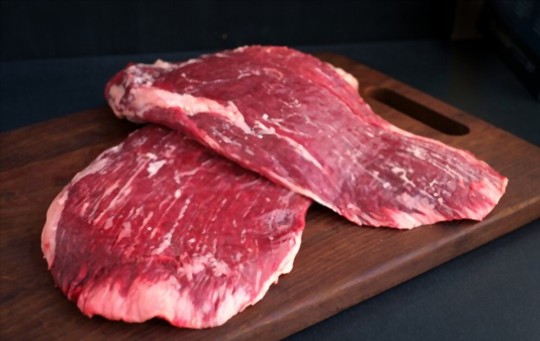
Flank steak comes from the lower abdominal muscle of the cow, a hardworking area that produces lean, coarse-grained meat with real depth of flavor.
The muscle fibers run long and tight, which is why the texture lands slightly chewy when compared to more marbled cuts like ribeye.
Grilling and stir-frying are the go-to methods because flank steak responds best to high heat and short cook times. Pull it off the heat at medium-rare, around 130°F internal, and it stays juicy.
Flank steak first appeared in English cookbooks in the 18th century, initially treated as a secondary cut not worth much attention.
Its reputation shifted once cooks discovered how well it absorbs marinades, particularly acid-based ones using citrus or vinegar that break down the tight muscle fibers.
For a detailed look at how flank steak compares to a similarly lean cut, the London broil vs. flank steak comparison breaks down the key differences in texture and cook time.
Knowing where flank steak sits in the beef lineup makes choosing a substitute much easier.
Always slice flank steak and its substitutes against the grain. The fibers in these lean cuts run long, and cutting across them shortens each bite so the meat feels tender instead of stringy.
7 Best Alternatives to Flank Steak
1. Skirt Steak
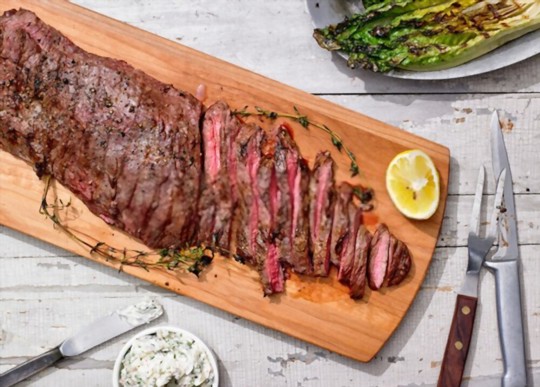
Skirt steak comes from the cow's diaphragm plate, just below the rib section, and it carries an intense, beefy flavor that is arguably stronger than flank steak's. The grain is looser and more open, which means it absorbs marinades even faster.
It is a naturally tough cut, so marinating for at least 30 minutes before cooking is not optional. An acid-based marinade with lime juice or red wine vinegar works well, and it does the tenderizing work you need before the steak hits the grill.
Use skirt steak at a 1:1 ratio by weight in any flank steak recipe. It grills in roughly the same time, around 3 to 4 minutes per side over high heat for medium-rare.
Recipes that use miso-based marinades pair particularly well with skirt steak's bold flavor profile.
Skirt steak cooks faster than you expect. Pull it off the heat at 130°F internal temperature and rest it for 5 minutes before slicing, or the juices run out and the texture turns tough.
2. Hanger Steak
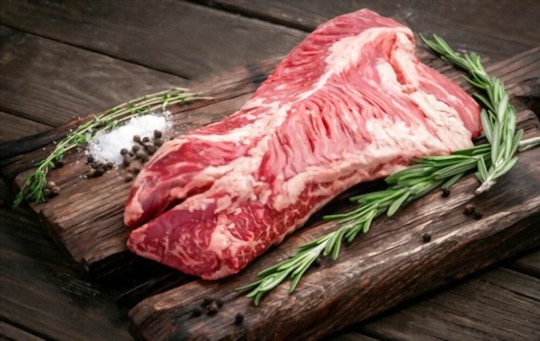
Hanger steak hangs between the rib and the loin, suspended from the diaphragm, which is where it gets its name. There is only one hanger steak per animal, making it less common at supermarkets but worth seeking out at a proper butcher.
The flavor is close to flank steak but noticeably richer, with a texture that is more tender because the muscle does very little work during the animal's life. It also costs less per pound than flank steak at most butcher counters.
Grill or pan-sear hanger steak over high heat and pull it at medium-rare, exactly as you would flank steak. Do not cook it past medium or the texture becomes grainy.
It works well in marinades, and if your recipe calls for alternative sweeteners in a marinade glaze, hanger steak handles sweet-savory combinations without losing its beef character.
3. Top Sirloin
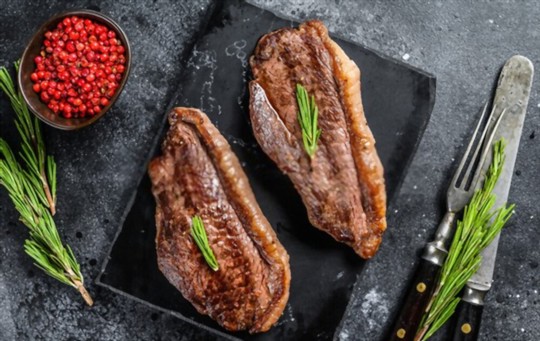
Top sirloin comes from the rear upper section of the loin and is leaner than ribeye but more marbled than flank steak. It has a mildly sweeter, cleaner beef flavor compared to the more assertive taste of skirt or hanger steak.
It holds its shape well under high heat, which makes it a reliable choice for grilling, broiling, and pan-frying.
Some cooks describe it as more forgiving than flank steak because the slightly higher fat content gives you a little more margin before the meat dries out.
Slice top sirloin thin and against the grain after cooking and it performs well in stir-fries, rice bowls, and sandwiches.
For dishes that also use cooked greens on the side, knowing what works as a collard greens swap rounds out the full plate without extra trips to multiple stores.
4. Flat Iron Steak
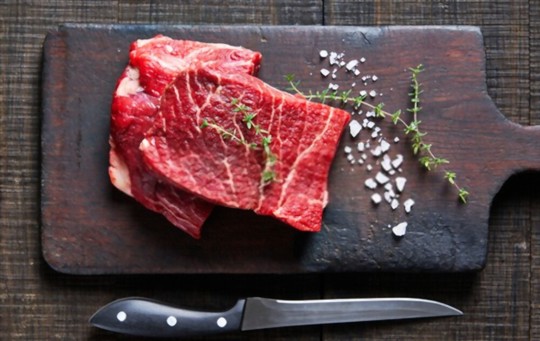
Flat iron steak comes from the chuck shoulder, specifically the top blade muscle, and it is the second most tender cut on the entire animal after the tenderloin. It has a consistent rectangular shape and good marbling throughout.
The flavor is rich and beefy, closer to chuck than to flank, which gives it more depth in dishes where the steak is the star.
It is also one of the more affordable cuts at the butcher counter, sitting well below New York strip or ribeye pricing.
Flat iron steak is slightly thicker than flank steak, so add an extra 2 to 3 minutes of cook time when grilling.
It does well with marinades, and recipes that use shredded cabbage as a topping work great with flat iron steak sliced into strips for tacos or grain bowls.
5. New York Strip Steak
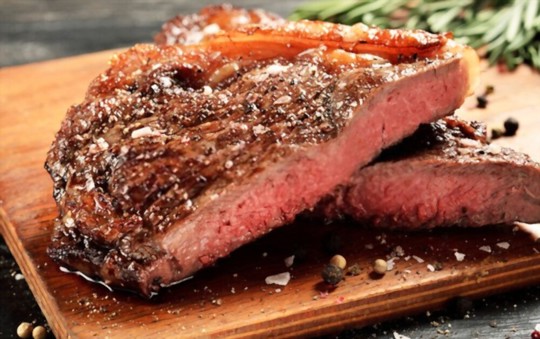
New York strip comes from the short loin, a less active muscle group than the flank or diaphragm area, which means the meat is noticeably more tender.
It carries a fat cap along one edge and visible marbling throughout the center, giving it a richer mouthfeel than flank steak.
The flavor is bold and beefy with a slightly buttery finish from the intramuscular fat. It lacks the intense chew of flank steak, which is actually a benefit in dishes where tenderness matters more than textural bite.
New York strip is best cooked over dry heat: grill it at high heat or sear it in a cast-iron skillet for 4 minutes per side for medium-rare at roughly 1-inch thickness.
It costs more than flank steak, so reserve it for occasions where the cut will be the centerpiece of the plate rather than a component in a stir-fry.
6. Filet Mignon
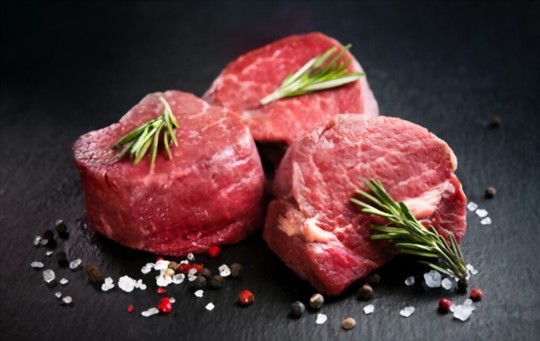
Filet mignon comes from the tenderloin, the least-used muscle on the cow, which is exactly why it is so tender. It contains very little connective tissue or fat, producing an almost buttery texture that is unlike any other cut on this list.
The flavor is mild compared to flank steak, lacking the bold beefy punch that makes flank and skirt steak ideal for heavily seasoned dishes. That mildness is a trade-off: you get remarkable tenderness in exchange for less assertive beef flavor.
Cook filet mignon to medium-rare, around 130°F, and let it rest for at least 5 minutes before cutting. It is the most expensive substitute on this list by a wide margin, so it fits best as a direct plated substitute rather than a component in fajitas or stir-fry.
Pair it with a classic side like a simple grain salad or roasted vegetables to let the meat stand on its own.
7. Ribeye Steak
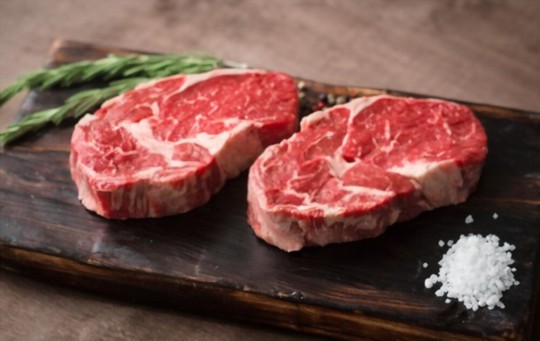
Ribeye comes from the rib section and carries the highest fat content of any cut on this list, with heavy marbling throughout the entire muscle. That fat melts during cooking and bastes the meat from the inside, delivering a rich, juicy, deeply savory result.
Flank steak runs lean; ribeye does not. That difference matters in stir-fries or fajitas where extra rendered fat can make the dish greasy.
Ribeye works better as a straight grilled substitute rather than a sliced component in saucy or vegetable-heavy recipes.
Here are some flank steak recipes where ribeye makes a practical and delicious substitute:
- Grilled Steak with Herb Butter: Sear ribeye over high heat for 4 to 5 minutes per side and finish with a cold pat of herb butter. The fat content carries the herb flavors well.
- Steak Fajitas: Slice ribeye thin against the grain after grilling and season with chili powder, cumin, and smoked paprika. Serve with warm tortillas and fresh salsa.
- Steak Salad: Grill ribeye to medium-rare and slice it thinly over mixed greens, charred onion, and cherry tomatoes. A simple flour-free dressing thickened with another starch keeps the salad light against the rich meat.
How to Substitute Flank Steak Effectively
Each cut on this list has a different fat level, grain structure, and cook time, so matching the right substitute to the right dish matters more than just swapping weight for weight.
For high-heat methods like grilling or stir-frying, skirt steak and hanger steak are the closest matches. For dishes that need tenderness without a strong beef punch, flat iron or top sirloin are reliable picks.
New York strip, filet mignon, and ribeye are premium upgrades that work best when the steak is the centerpiece of the meal rather than a component.
A few practical rules apply across all these substitutes. Always slice against the grain. Use a meat thermometer and pull the steak at 130°F for medium-rare.
Marinate tougher cuts like skirt steak or flat iron for at least 30 minutes before cooking. And if you are adapting a baked or braised recipe, using the right tool for prep work makes a real difference in how evenly the meat cooks through.
Budget also shapes the choice. Hanger steak and flat iron deliver the most flavor per dollar.
Ribeye and filet mignon deliver the most tenderness per dollar. Skirt steak sits in the middle and is almost always the most practical all-around swap.
More From EpicureDelight
The Complete Ingredient Substitutes Guide - your complete resource for this topic.
Frequently Asked Questions
What is the difference between flank steak and skirt steak?
Flank steak comes from the lower abdomen while skirt steak comes from the diaphragm plate. Skirt steak has a looser grain and stronger beef flavor, making it the closest swap at a 1:1 ratio.
Can I substitute flank steak in fajitas?
Yes. Skirt steak is the standard choice for fajitas and actually outperforms flank steak in that dish. Slice it thin against the grain after grilling for the best texture.
Is hanger steak a good substitute for flank steak in marinades?
Hanger steak absorbs marinades very well and is slightly more tender than flank steak. Marinate for 30 minutes minimum and cook to medium-rare at 130°F for best results.
Is flat iron steak a better substitute than tri-tip for stir-fries?
Flat iron steak slices more uniformly and cooks faster than tri-tip, making it the better stir-fry choice. Tri-tip has more fat and works better as a roasted or grilled whole cut.
How do you tenderize substitutes for flank steak recipes?
An acid-based marinade using citrus juice or vinegar for at least 30 minutes breaks down muscle fibers effectively. Slicing against the grain after cooking is equally important for perceived tenderness.
Save This for Later
Pin this savory tweaks: 7 best substitutes for flank steak guide so you always have it when you need it.

Carrie is a food writer and editor with more than 15 years of experience. She has worked for some of the biggest names in the food industry, including Bon Appétit, Food & Wine, and Martha Stewart Living.
As the Editor in Chief of EpicureDelight, Carrie oversees all of the content on the site. She also manages the team of contributing writers and editors, who help to create delicious recipes, helpful tips, and informative articles that you’ll find on the site.
A native of the Chicago area, Carrie is passionate about all things food. She loves trying new restaurants and experimenting with new recipes in her kitchen. She’s also a graduate of the Culinary Institute of America, so she knows a thing or two about food!



