Nothing defines true barbecue like Texas-Style Smoked Beef Brisket.
This legendary cut of meat is slow-smoked to perfection, developing a deep, smoky bark on the outside while staying tender and juicy inside.
Each bite is packed with bold flavors, balanced by the rich, beefy taste of the brisket and the simplicity of salt and black pepper.
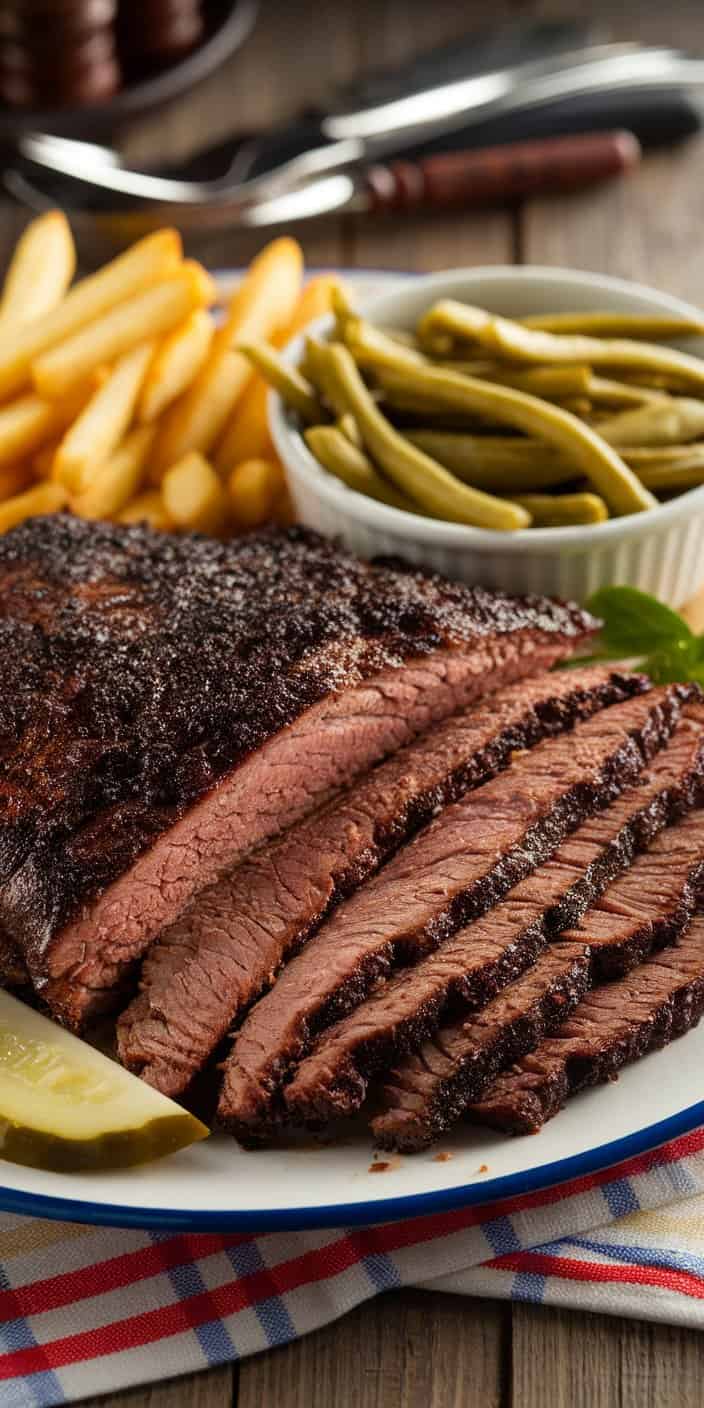
The secret to a perfect brisket isn't in complicated seasoning blends or fancy cooking techniques. It's in patience, quality meat, and smoke.
A low and slow cook over wood smoke allows the fat to render beautifully, making every slice melt in your mouth. The result?
A piece of barbecue that needs no sauce, just a sharp knife and an empty plate.
This brisket is a centerpiece at any cookout, family gathering, or weekend feast. Whether you enjoy it sliced thick with classic sides or chopped up in sandwiches, tacos, or nachos, it's a dish that delivers bold Texas flavor in every bite.
What You Need for This Recipe
Brisket doesn't need a long list of ingredients to be incredible. A few high-quality staples and the right technique will give you restaurant-worthy results.
- Beef Brisket - A whole-packer brisket (both the point and flat) is best. Look for one with good marbling to ensure it stays moist during the long smoke.
- Salt & Black Pepper - The classic Texas-style rub. The coarse grind helps form that signature bark while allowing the natural beef flavor to shine.
- Wood for Smoking - Post oak is the traditional choice in Texas, but hickory or pecan also work well. Avoid overly strong woods like mesquite, which can overpower the meat.
- Time & Temperature Control - Low and slow is key. A steady 225°F (107°C) smoke ensures the brisket becomes tender without drying out.
Preparing Texas-Style Smoked Brisket
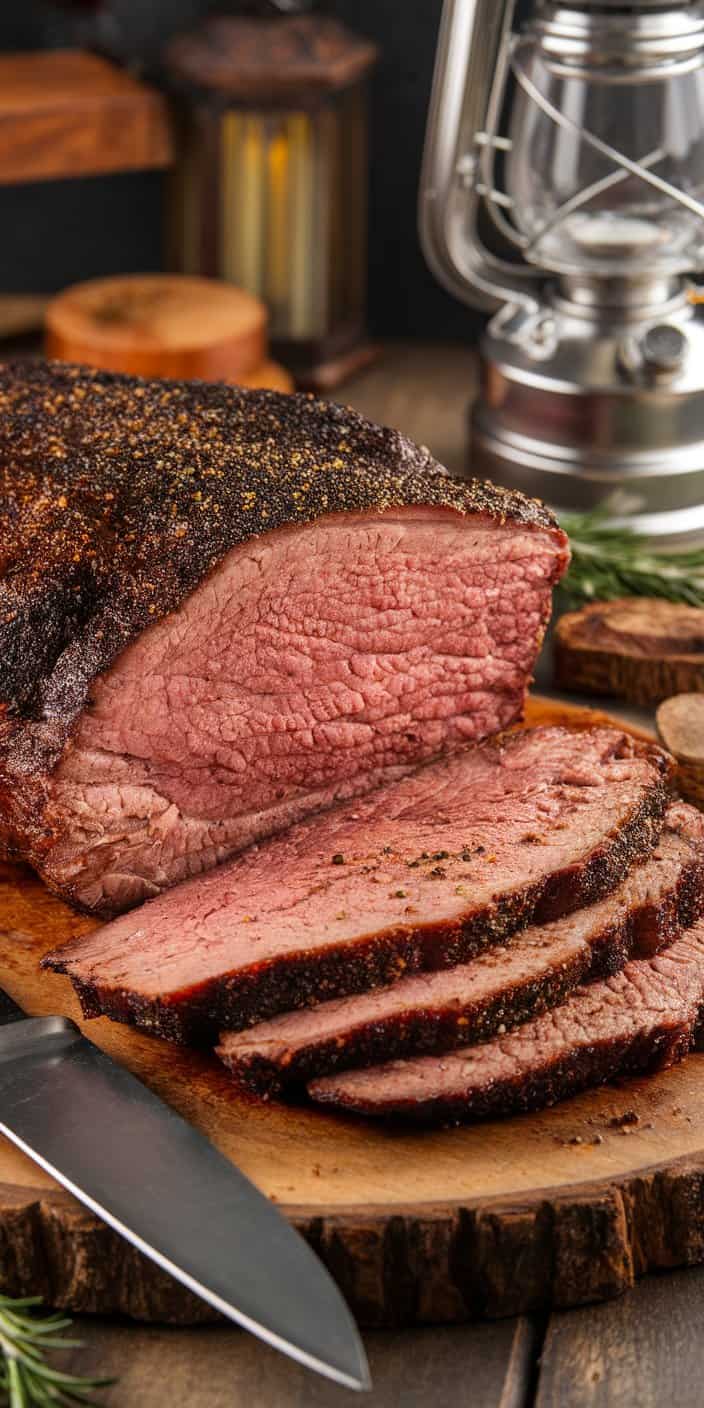
- Trim the Brisket - Remove excess fat, leaving about ¼ inch for flavor and moisture.
- Season Generously - Coat all sides evenly with salt and black pepper.
- Smoke Low & Slow - Place on a smoker at 225°F (107°C) and cook for several hours until it reaches an internal temperature of 165°F (74°C).
- Wrap & Continue Cooking - Wrap the brisket in butcher paper or foil and smoke until it reaches 203°F (95°C).
- Rest Before Slicing - Let the brisket rest for at least an hour before slicing against the grain.
Why This Recipe Works
Texas-style brisket has stood the test of time because it relies on technique rather than shortcuts.
- Simple Seasoning, Big Flavor - Salt and black pepper don't mask the natural taste of beef. Instead, they enhance it, allowing the smoke and meat to take center stage.
- Low & Slow for Perfection - Cooking at a low temperature for an extended period ensures the fat and collagen break down, turning even the toughest cut into a tender, juicy masterpiece.
- The Smoke Does the Work - Using the right wood infuses the brisket with deep, smoky notes that complement its rich flavor. No need for artificial flavors or marinades.
- Resting Seals in Juices - Resting the brisket allows the juices to redistribute, preventing dryness and making each bite incredibly moist and flavorful.
Ways to Customize This Brisket
While Texas-style brisket is all about tradition, there are still ways to tweak it to your liking.
- Try a Different Rub - Instead of classic salt and pepper, add garlic powder, onion powder, or smoked paprika for a subtle twist.
- Experiment with Wood - Post oak is standard, but pecan adds nuttiness, and cherrywood brings a touch of sweetness.
- Wrap or No Wrap? - Butcher paper helps preserve the bark while keeping it moist, while foil speeds up cooking and results in a juicier finish.
- Fat Cap Up or Down? - Some pitmasters cook fat-side-up for natural basting, while others do fat-side-down to protect the meat from direct heat. Try both and see which you prefer.
Best Side Dishes for Texas-Style Smoked Brisket
A great brisket deserves sides that complement its bold, smoky flavors.
- Jalapeño Cheddar Cornbread - The slight heat from the jalapeños and the richness of cheddar go well with smoky beef.
- Smoked Mac and Cheese - Creamy, cheesy, and just a little smoky-this side dish is always a hit.
- Classic Texas Pinto Beans - A slow-cooked, savory addition that balances the richness of brisket.
- Tangy Coleslaw - The crunch and acidity cut through the fattiness of the meat, making each bite feel fresh.
Texas-Style Smoked Beef Brisket
Ingredients
Equipment
Method
- Trim the brisket, leaving about ¼ inch of fat for moisture retention.
- Season liberally with coarse salt and black pepper, covering all sides evenly.
- Preheat the smoker to 225°F (107°C) using post oak wood for an authentic Texas flavor.
- Place the brisket on the smoker with the fat side up. Smoke for 6-8 hours until the internal temperature reaches 165°F (74°C).
- Wrap the brisket tightly in butcher paper or foil and continue smoking until the internal temperature reaches 203°F (95°C).
- Remove from heat and let rest for at least 1 hour before slicing against the grain.
Notes
- For a deeper bark, spritz the brisket with water or apple cider vinegar every 2 hours while smoking.
- Letting the brisket rest ensures juices redistribute, making it tender and flavorful.
- Store leftovers in an airtight container and reheat slowly to maintain moisture.
Tried this recipe?
Let us know how it was!More From EpicureDelight
The Complete Weeknight Dinner Guide - your complete resource for this topic.
Browse all dinner recipes →Texas-Style Smoked Beef Brisket is popular because it delivers bold, satisfying flavor with relatively simple ingredients and techniques. It travels well from kitchen to table and adapts easily to personal taste.
Yes - Texas-Style Smoked Beef Brisket adapts well to common dietary needs. Gluten-free, dairy-free, and lower-calorie versions are achievable with simple swaps noted in the recipe.
Yes - the recipe scales up easily. Double or triple the quantities without changing the method. Just use a larger pan and extend cooking time slightly if needed.
The most common mistakes are overcrowding the pan (which steams instead of sears), under-seasoning, and not letting proteins rest before serving. A few small adjustments make a big difference.

Carrie is a food writer and editor with more than 15 years of experience. She has worked for some of the biggest names in the food industry, including Bon Appétit, Food & Wine, and Martha Stewart Living.
As the Editor in Chief of EpicureDelight, Carrie oversees all of the content on the site. She also manages the team of contributing writers and editors, who help to create delicious recipes, helpful tips, and informative articles that you’ll find on the site.
A native of the Chicago area, Carrie is passionate about all things food. She loves trying new restaurants and experimenting with new recipes in her kitchen. She’s also a graduate of the Culinary Institute of America, so she knows a thing or two about food!