Have you ever heard of Turkish Coffee?
Do you want to experience the richness and complexity of this classic beverage?
With its long history, unique brewing techniques, and distinct flavor, Turkish Coffee provides an indulgent and unforgettable taste experience.
Whether you're curious about its origins or ready to brew your first cup of Turkish Coffee, this article will guide you through everything you need to know.
You won't regret it.
What is Turkish Coffee?

Turkish coffee is a traditional coffee preparation method that originated in the Ottoman Empire.
It has been around for over 500 years and is an essential part of Turkish culture.
This type of coffee is made by grinding roasted coffee beans into a fine powder, which is then brewed using a special pot called a cezve.
One of the defining characteristics of Turkish coffee is its unique brewing process.
Unlike other types of coffee, it is boiled rather than brewed.
The finely ground coffee powder and water are heated together until they come to a gentle boil.
The mixture is then left to simmer for a short period before being poured into small cups.
Overall, Turkish coffee is associated with tradition, hospitality, and socializing in Turkey and many other parts of the world where it's popular.
Its rich flavor and unique brewing process make it a treat that many enjoy experiencing at least once in their lifetime.
What Makes Turkish Coffee Different from Other Types of Coffee?

Turkish coffee is different from other types of coffee in several ways.
It is made using finely ground coffee beans that are boiled together with water and sugar in a special pot known as a cezve.
It is unfiltered, which means that the coffee grounds remain in the drink when it's served.
Finally, Turkish coffee has a distinct method of preparation and serving that distinguishes it from other types of coffee.
Turkish coffee's preparation process involves boiling fine-grind coffee beans in water over low heat for an extended period.
It requires careful monitoring to make sure the mixture doesn't boil over.
The result is an intensely flavored brew that is aromatic and thick due to its unfiltered nature.
Unlike other varieties of coffee, Turkish coffee comes in small cups that hold only a few sips at a time.
It is consumed slowly while allowing the sediment to settle at the bottom before drinking.
The ritualistic aspect of making and drinking Turkish coffee also sets it apart from other types of coffee.
Guests are typically offered sweet treats like lokum (Turkish delight) or pastries to go with the rich taste of the beverage.
What Does Turkish Coffee Taste Like?
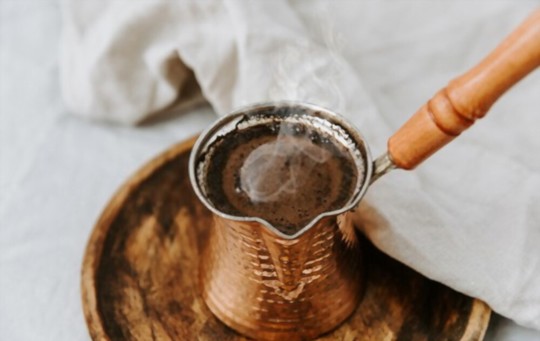
Turkish coffee, like many other types of coffee, has its unique taste profile that distinguishes it from the rest.
It has a strong and strong flavor with a slightly thicker consistency compared to other types of coffee.
Moreover, Turkish coffee is known for its rich and bold aroma that fills the room once brewed.
The taste of Turkish coffee can be best described as intense and flavorful.
It offers a complex blend of flavors that vary from nutty and floral to earthy and spicy notes depending on the beans used and type of roast.
The distinct bitterness, which is considered a desirable trait in Turkish coffee, lingers in your mouth long after the last sip.
In terms of texture, Turkish coffee has a thick foam layer on top, commonly called 'kaimaki,' which adds an extra creaminess to the overall texture.
A well-made cup of Turkish coffee should be silky smooth and velvety without any grainy or gritty residue.
The strength or potency of Turkish coffee can also vary as per personal preference since it's often served unfiltered resulting in residual fines left floating in the cup.
Thus, yielding a rich and potent brew; however, you can reduce its intensity by adding milk or sugar.
How is Turkish Coffee Prepared?
Turkish Coffee is a staple of Turkish culture and has been enjoyed for centuries.
The process of preparing Turkish Coffee is unique and revered in Turkey, often seen as a form of art.
First, Turkish Coffee is made by boiling finely ground coffee with water in a special pot known as a cezve.
Once boiled, the mixture is removed from the heat and allowed to settle for a few seconds.
This settling allows any grounds in the mixture to sink to the bottom.
The resulting layer of foam that forms on top of the liquid is then spooned into individual cups.
After this, any remaining liquid is carefully poured into each cup without disturbing this layer of foam on top.
Traditional Turkish Coffee is unfiltered, so it retains all its oils and caffeine content.
The preparation process of Turkish Coffee requires patience, attention to detail, and skill.
Even small variations in technique can have an impact on both flavor and texture.
Traditions and Customs Surrounding Turkish Coffee
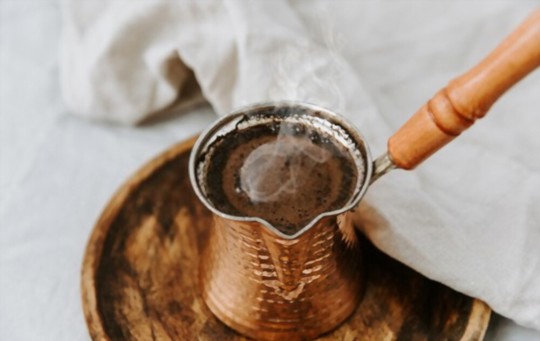
Turkish coffee is more than just a beverage, it's a tradition that has a unique set of customs and rituals associated with it.
The brewing process of Turkish coffee has been passed down from generation to generation and is considered an important social activity in many families.
- The preparation of Turkish coffee is done slowly and carefully over a low heat to extract every ounce of flavor from the beans. Each cup is usually served with water on the side, which is an important palate cleanser between each sip.
- The way Turkish coffee is poured holds symbolic value. According to tradition, the person being served should always receive the first cup, even if they are not present at the time of brewing. It's also customary to serve guests in order of age or importance.
- Drinking Turkish coffee is seen as more than just satisfying thirst; it's about connecting with others and building relationships. When making coffee for someone else, a lot of care goes into it - including using only quality beans and following the preparation steps precisely.
These customs surrounding Turkish coffee have helped shape its cultural significance in Turkey and beyond.
The drink represents hospitality, community, and warmth - all essential values rooted in Turkish culture.
Distinctive Taste of Turkish Coffee
Turkish coffee is a traditional way of preparing and drinking coffee that has been passed down through generations in Turkish culture.
It is a symbol of hospitality, friendship and community, and it consists of finely ground coffee beans boiled with water and served unfiltered in small cups.
However, it is an important part of Turkish culture that should be experienced at least once when visiting Turkey or any other country that serves this style of coffee.
More From EpicureDelight
The Complete Food Flavor Guide - your complete resource for this topic.
Read all flavor guides →The flavor of Turkish Coffee is often described as complex - there's usually a balance of [savory depth/natural sweetness/pleasant bitterness/umami] that makes it versatile in cooking.
Yes - the flavor changes considerably with cooking. Heat mellows sharpness and brings out natural sugars, while raw preparations retain more bite and brightness.
Some varieties do have a lingering aftertaste - often described as [earthy/mineral/slightly bitter]. This typically fades with cooking or when paired with contrasting flavors.
It leans [savory/sweet] in most preparations, though the balance shifts depending on how it's cooked. Roasting pushes it sweeter; raw or lightly seasoned preparations highlight the savory, [earthy/bright/tangy] side.

Carrie is a food writer and editor with more than 15 years of experience. She has worked for some of the biggest names in the food industry, including Bon Appétit, Food & Wine, and Martha Stewart Living.
As the Editor in Chief of EpicureDelight, Carrie oversees all of the content on the site. She also manages the team of contributing writers and editors, who help to create delicious recipes, helpful tips, and informative articles that you’ll find on the site.
A native of the Chicago area, Carrie is passionate about all things food. She loves trying new restaurants and experimenting with new recipes in her kitchen. She’s also a graduate of the Culinary Institute of America, so she knows a thing or two about food!