
Yellow cheddar is the closest white cheddar substitute at a one-to-one weight ratio. It comes from the same cheese family and usually differs most in color, so it preserves sharpness, melt, salt, and moisture better than a mixed-cheese workaround.
Use Monterey Jack with Parmesan for a pale smooth sauce, young Gouda for creamy melting, Gruyere for a nutty baked dish, or Colby for a mild soft result. Match the age of the replacement to the white cheddar whenever possible.

Swap yellow cheddar one for one when color does not matter. For a pale dish, use three parts Monterey Jack and one part Parmesan, or choose young Gouda for a one-cheese solution.
What Are the 5 Best White Cheddar Substitutes?
White cheddar is cheddar without the orange color many producers add with annatto. USDA cheddar standards allow colored or uncolored cheese, so color does not create a separate style of cheese by itself.
Age matters more. Mild cheddar is moist and flexible, while aged sharp cheddar is drier, more crumbly, saltier, and more intense.
Rank four traits before choosing: sharpness, melting behavior, moisture, and final color. A sandwich can accept a color change that a white queso or pale soup may not.
| # | Substitute | Starting ratio | Best use | Main failure |
|---|---|---|---|---|
| 1 | Yellow cheddar | 1:1 by weight | Nearly any savory dish | Changes a white dish to orange |
| 2 | Monterey Jack + Parmesan | 3 parts + 1 part, then 1:1 total | Sauce, soup, casserole | Less true cheddar tang |
| 3 | Young Gouda | 1:1 by weight | Grilled sandwich, sauce, bake | Sweeter and less sharp |
| 4 | Gruyere | 1:1 by weight | Gratin, quiche, baked pasta | Stronger nutty flavor |
| 5 | Colby | 1:1 by weight | Burger, sandwich, mild sauce | Softer and much milder |
Ratios use weight because cups change with shred size and packing. If a recipe gives cups, grate both cheeses on the same holes and fill the cup loosely before adjusting.
Use yellow cheddar one to one by weight. Choose the same age as the white cheddar, then accept the color change or use a pale option below.
The broader cheddar cheese substitutes guide helps when the recipe only says cheddar. This page stays focused on cases where white color or a pale cheddar profile matters.
1. Yellow Cheddar
Yellow cheddar is not a different melting family. In most recipes, the orange color comes from coloring rather than a flavor or texture change.
Replace white cheddar with the same weight of yellow cheddar. Match mild with mild, medium with medium, and sharp with sharp so moisture and salt stay close.
Yellow cheddar works in macaroni and cheese, burgers, grilled sandwiches, casseroles, eggs, biscuits, and savory sauces. It brings the familiar tang and firm body that another cheese family may miss.
A white cheese sauce, pale potato soup, or color-sensitive filling may turn yellow-orange. The flavor can still be right, but the appearance may no longer match the dish.
Sharp yellow cheddar can also overpower a recipe written for mild white cheddar. Start with three-quarters of the amount only when the replacement is much older and stronger, then add more after it melts.
2. Monterey Jack and Parmesan
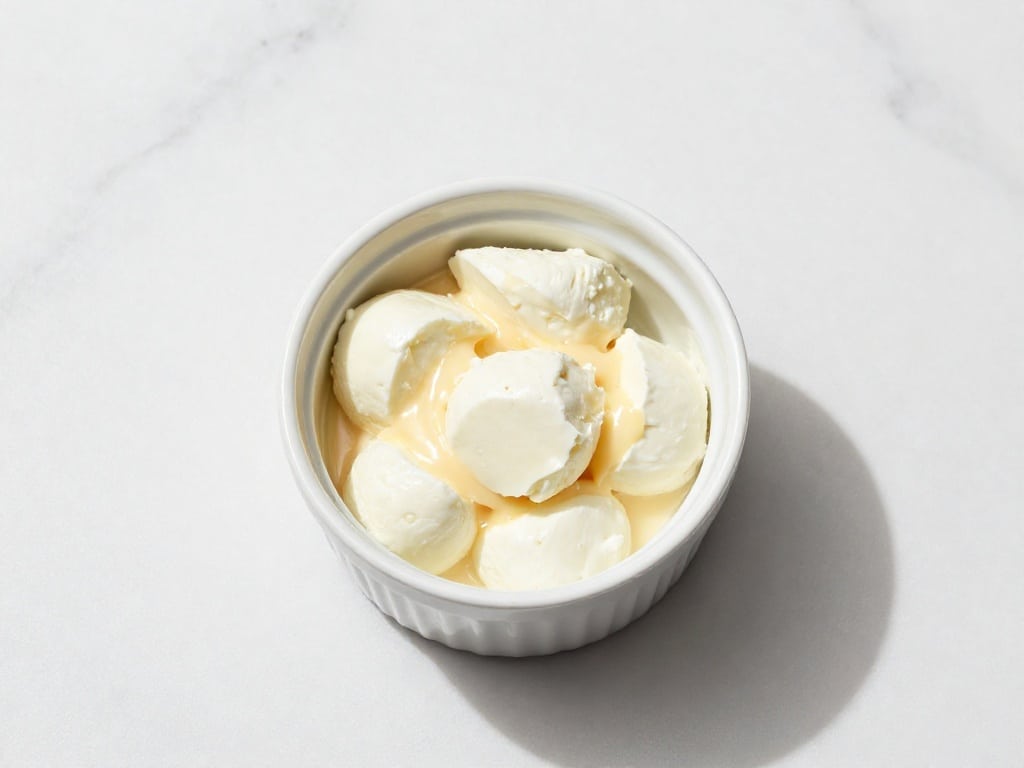
Monterey Jack melts smoothly and stays pale, but it is mild. Parmesan is dry, salty, and savory, so a small amount fills part of the flavor gap without taking over the texture.
Blend three parts Monterey Jack with one part finely grated Parmesan. Use the combined blend at the same total weight as the white cheddar.
For 4 ounces of white cheddar, start with 3 ounces of Jack and 1 ounce of Parmesan. For a cup-based recipe, mix three loose cups of Jack shreds with one loose cup of fine Parmesan, then measure what the recipe needs.
This blend works best in macaroni sauce, creamy soup, potatoes, eggs, and a casserole where smooth melt matters more than exact cheddar flavor. Add the cheese after lowering the heat so the proteins do not tighten and squeeze out oil.
Parmesan adds salt quickly. Reduce other salt, melt the blend fully, and taste before seasoning the dish again.
The failure point is tang. Parmesan adds aged savoriness, but it does not create cheddar's bright cultured bite.
Parmesan substitutes for Alfredo sauce solve a different sauce problem and may make this blend milder still.
3. Young Gouda
Young Gouda is smooth, creamy, and gently sweet with a mellow nut-like note. USDA cheese judging guidance describes Gouda as mellow and nutty, which places it near mild cheddar in weight but not in tang.
Use young Gouda one to one by weight. Choose a pale, flexible piece labeled young or mild rather than an aged wheel with a hard, dark interior.
- Use in grilled sandwiches for a smooth, stretchy melt and mild sweetness.
- Use in creamy sauces when pale color matters more than sharp tang.
- Use in baked pasta when a gentle nutty note suits the filling.
- Skip smoked Gouda unless smoke is already part of the dish.
- Skip very aged Gouda when the recipe needs moist, even melting.
Young Gouda may make a sauce taste sweeter and less acidic than white cheddar. Add a small squeeze of lemon or a little mustard only when those flavors already fit the recipe.
Do not add acid directly to a boiling cheese sauce. Stir it in after the sauce is smooth, then taste before making another adjustment.
If Gouda is also missing, Gouda cheese substitutes branches to other mellow melting cheeses, though each step moves farther from cheddar.
4. Gruyere
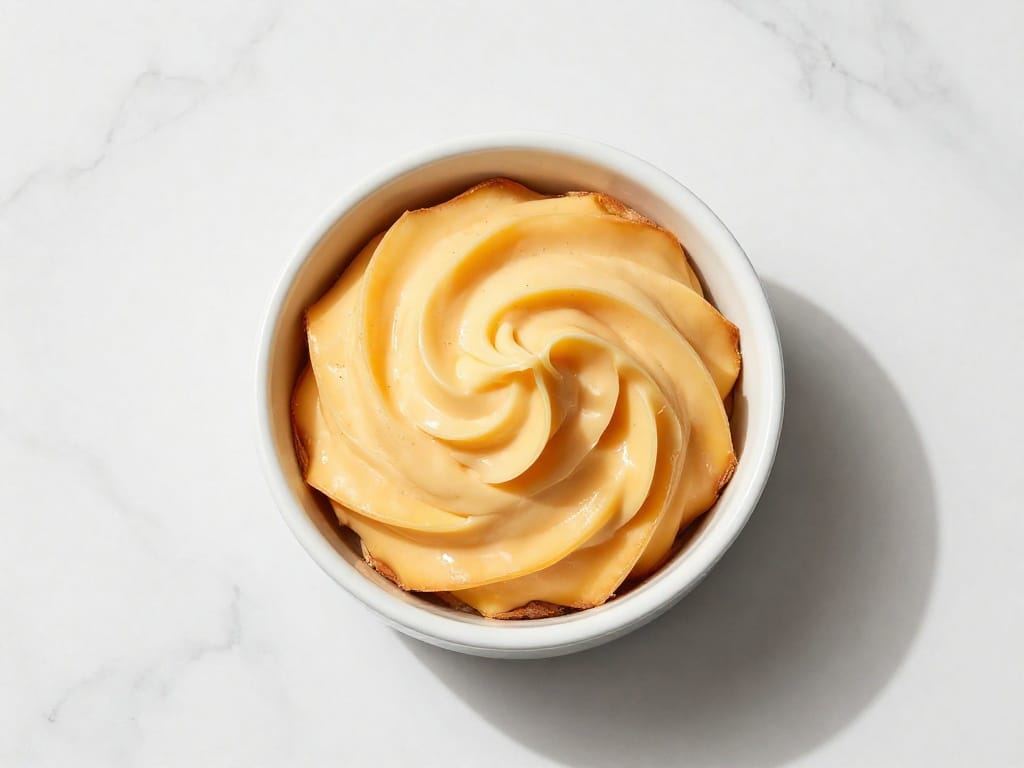
Gruyere is firm, pale, savory, and nutty. It melts into an elastic layer that suits gratins, quiche, baked pasta, onion dishes, and rich sandwiches.
Replace white cheddar one to one by weight. Remove a firm rind before weighing, then grate the cheese for even melting.
The result will not taste like cheddar. Gruyere brings a sweeter cooked-onion and nut impression, while cheddar brings more direct tang and a crumbly aged edge.
Use the full ratio in a bake where browned cheese is the goal. In a mild soup or delicate egg dish, start with three-quarters of the amount because Gruyere can become the main flavor.
Cut Gruyere to three-quarters when the original cheddar was mild. Add the final quarter only after the cheese melts and the nutty flavor still feels too quiet.
The Gruyere cheese substitutes guide covers Alpine-style fallbacks when this choice is unavailable, not when white cheddar itself is the target.
5. Colby
Colby is moist, soft, and mild. USDA guidance describes it as softer and more open than cheddar, which helps it melt but makes it a weak copy of sharp aged white cheddar.
Use Colby one to one by weight in burgers, sandwiches, eggs, casseroles, and mild sauces. Its orange color is a visual change, just as yellow cheddar is.
Flavor is the failure point. Add a small amount of mustard, Worcestershire sauce, or Parmesan only when the dish already welcomes that ingredient.
Colby Jack contains Monterey Jack swirled with Colby, so it is even milder and often paler in flavor. See Colby Jack cheese substitutes when that blend is missing.
How Do You Keep a White Cheddar Substitute Smooth?
A substitute can be correct while the sauce still fails. Heat, shred size, salt, and liquid balance often matter more than another handful of cheese.
High heat tightens milk proteins and can push fat out of the sauce. Older cheddar and Gruyere contain less moisture than young Jack or Colby, so they need gentler heat and may need a little more sauce base.
- Remove the pan from direct heat. Let the base stop bubbling before the first handful of finely grated cheese goes in.
- Add cheese gradually. Stir gently and wait for each handful to melt before adding the next. Residual heat often finishes the job.
- Correct the texture before the flavor. If oil appears, whisk in a spoonful of warm unsalted base. If the sauce is grainy, stop heating rather than adding more cheese.
- Season last. Parmesan and aged cheeses add salt quickly. Taste before adding salt, mustard, acid, or another sharp cheese.
A weak sauce may need a small Parmesan share with Jack or a little sharp yellow cheddar with Colby. Change one variable and taste.
If the dish is already too salty, dilute it with unsalted sauce base or more of the main ingredient instead of using sugar.
Sources
- USDA Agricultural Marketing Service, cheddar identity, color, moisture, and aging standards
- USDA Farmers' Bulletin 2259, sensory and texture traits of cheddar, Colby, Gouda, Monterey Jack, and related cheeses
- U.S. Food and Drug Administration, food color additive oversight and labeling context
They are the same cheese family, and coloring is often the main difference. Match the age and use yellow cheddar one to one when orange color is acceptable.
Mozzarella supplies a mild stretchy melt but little cheddar tang. Blend it with Parmesan or use Monterey Jack when you need a smoother pale sauce.
Use yellow cheddar one to one for the closest flavor. For a pale sauce, use three parts Monterey Jack and one part Parmesan at the same total weight.
Yes, at a one-to-one weight ratio in gratins, quiche, sandwiches, and baked pasta. Expect a nuttier, sweeter flavor and less cheddar tang.
Use young pale Gouda or a blend of Monterey Jack and Parmesan. Avoid orange cheddar and Colby when the final color matters.

Carrie is a food writer and editor with more than 15 years of experience. She has worked for some of the biggest names in the food industry, including Bon Appétit, Food & Wine, and Martha Stewart Living.
As the Editor in Chief of EpicureDelight, Carrie oversees all of the content on the site. She also manages the team of contributing writers and editors, who help to create delicious recipes, helpful tips, and informative articles that you’ll find on the site.
A native of the Chicago area, Carrie is passionate about all things food. She loves trying new restaurants and experimenting with new recipes in her kitchen. She’s also a graduate of the Culinary Institute of America, so she knows a thing or two about food!



