Go Back
+ servings
5 Best Amaranth Flour Substitutes (Easy Swaps) | EpicureDelight

5 Best Amaranth Flour Substitutes (Easy Swaps)

No ratings yet
Pick an amaranth-flour swap based on how you’re using it (baking vs. thickening).
Prep Time 5 minutes
Cook Time 0 minutes
Total Time 5 minutes
Servings: 1 batch
Course: Substitutes

Ingredients
  

Best Matches
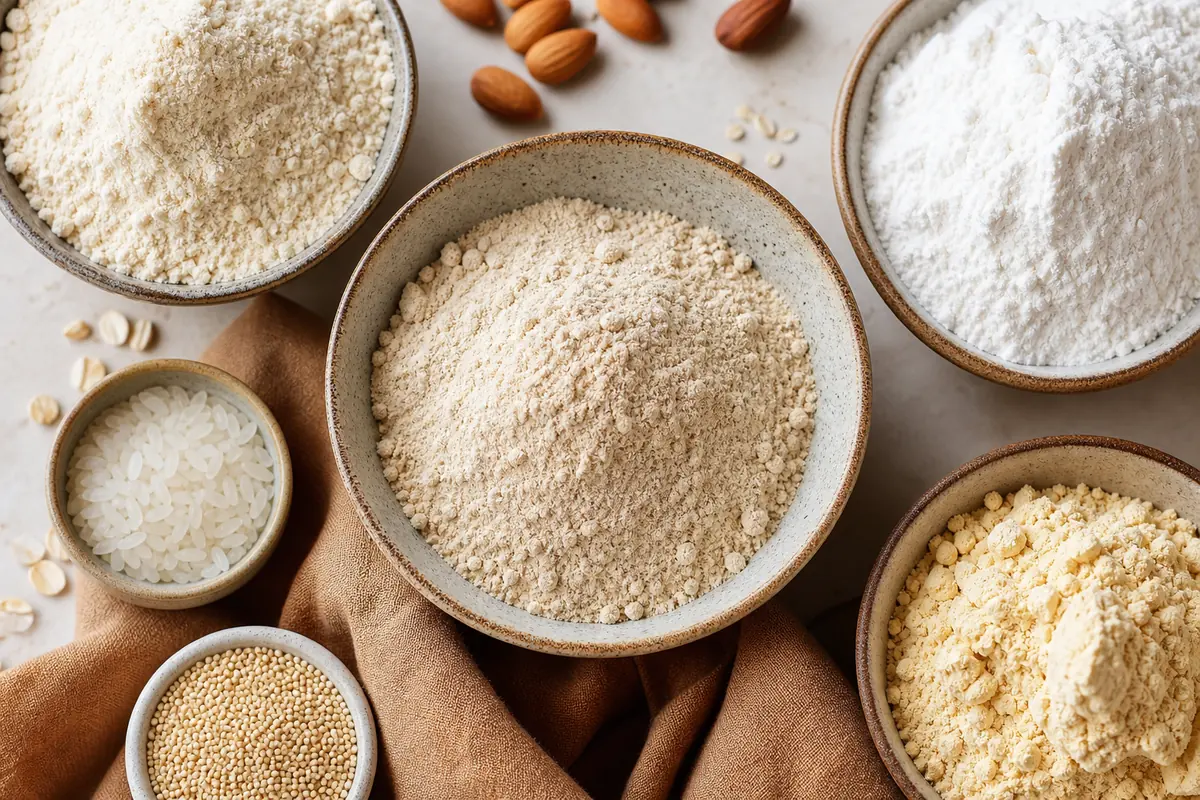
  • 1:1 buckwheat flour (lightly toasted, finely ground) Closest earthy flavor; slightly stronger taste—use the same ratio for quick breads and pancakes.
  • 1:1 quinoa flour (fine, sifted) Good protein-like structure; sift to reduce grittiness and improve batter flow.
Good Alternatives
  • 1:1 oat flour (certified gluten-free if needed) Milder flavor and good tenderness; if batter seems loose, add 1–2 teaspoon flour per cup.
  • ¾:1 rice flour (white rice, finely milled) More neutral; use a slightly lower ratio for crisp coatings and cookies.
Emergency Swaps
  • 1:1 whole wheat flour (or spelt flour) Works when you need binding; expect a higher gluten/chew and adjust hydration.
  • ½:1 cornstarch (for thickening only) For sauces and slurry-thickening—doesn’t replace amaranth’s baking structure.

Method
 

  1. Identify your use: baking (structure) vs. thickening/coating (body).
  2. Choose the closest match from the table: start with the listed swap ratio.
  3. Adjust hydration: if the batter looks too thick, add water 1 teaspoon at a time; if too loose, add flour by 1–2 teaspoon per cup.
  4. For grainy flours (quinoa or buckwheat), sift once before mixing to reduce texture surprises.
  5. Rest 5–10 minutes for best thickening and binding behavior, then bake or cook as usual.

Notes

  • Amaranth flour is nutty, high-fiber, and absorbs moisture; most swaps need small hydration tweaks.
  • Use cornstarch only for thickening—don’t rely on it to recreate baking structure.

Tried this recipe?

Let us know how it was!