
Amaranth flour has a quietly assertive personality: nutty, slightly earthy, and dense enough to give baked goods real body. When you run out mid-recipe, the amaranth flour replacement you reach for needs to match more than just volume.
The best swap depends on your goal. Baking structure calls for something with fiber and binding power.
Thickening a sauce is a different job entirely, and a lighter starch handles it cleanly.
The best amaranth flour substitute for baking is buckwheat or quinoa flour at a 1:1 ratio. For a milder result, try oat flour. For thickening only, use cornstarch at half the amount. Adjust hydration by 1-2 teaspoon as needed.
5 Best Amaranth Flour Substitutes, Ranked
| # | Substitute | Best For | Ratio | Key Note |
|---|---|---|---|---|
| 1 | Buckwheat Flour | Baking | 1:1 | Earthy, dense, good binding |
| 2 | Quinoa Flour | Baking | 1:1 | Sift to cut grittiness |
| 3 | Oat Flour | Baking | 1:1 | Mild, tender crumb result |
| 4 | Rice Flour | Coating / Baking | ¾:1 | Crisp, neutral, slightly dry |
| 5 | Whole Wheat Flour | Baking | 1:1 | Chewier crumb, needs gluten |
If you want to understand this grain's nutty depth before picking a swap, that context helps narrow your choice fast. And if you're working completely grain-free, picking the right amaranth swap covers broader ingredient options beyond flour.
1. Buckwheat Flour
Buckwheat flour is the closest flavor twin to amaranth. Both are earthy and slightly nutty, and both hold quick breads together without needing added binders.
Swap it 1:1 in muffins, pancakes, and quick breads. If your batter is already on the dry side, add 1 teaspoon water per cup, since buckwheat can tighten a thick batter slightly.
- Ratio: 1:1 for all standard batters and quick breads.
- Flavor note: Stronger earthiness than amaranth; pairs well with chocolate, banana, and spice.
- Binding: Holds together well in poured batters; may feel slightly dense in stiff doughs.
- Moisture tip: If batter looks dry, loosen with 1 teaspoon water at a time, not more.
When you need choosing a gluten-free base for your bake, buckwheat fits naturally into that shortlist.
Skip if your recipe needs a mild, neutral background flavor. Buckwheat will announce itself.
2. Quinoa Flour
Quinoa flour performs closer to amaranth than most alternatives. It has meaningful protein content, and that gives baked goods structure without extra eggs or binders.
The one issue is texture. Coarse quinoa flour can leave a gritty finish in cakes and muffins.
Sift it once before mixing and let your batter rest 5 minutes before baking.
- Ratio: 1:1 for cakes, pancakes, and muffins.
- Fix for grittiness: Sift before mixing, then rest batter 5 minutes for better cohesion.
- Hydration: Behaves close to amaranth; minimal moisture adjustment needed.
- Storage note: Check this fine-milled flour's freshness date; stale quinoa flour turns bitter fast.
Skip if you're using a coarse-ground quinoa flour and can't sift it. The grittiness will show up in every bite.
3. Oat Flour
Oat flour is the low-drama option. It swaps at 1:1, it's easy to find, and it doesn't pull the flavor in any unexpected direction.
- Ratio: 1:1 in most batters and quick breads.
- Texture: Adds tenderness; crumb is softer than amaranth's denser result.
- Moisture fix: If batter is too thick, add 1-2 teaspoon water per cup of flour.
- Gluten-free: Use certified gluten-free oat flour if cross-contamination is a concern.
For a broader look at going fully gluten-free, oat flour is often a starting point on that list.
Skip if you need the fibrous, hearty mouthfeel that amaranth delivers. Oat flour gives a softer result.
4. Rice Flour
White rice flour has almost no flavor of its own. That's useful when you want the other ingredients to carry the dish, but it means the texture shifts noticeably.
Rice Flour in Baking
Works for: cookies, light cakes, and crisp coatings where density isn't the goal.
Skip if: you want the same hearty, dense crumb that amaranth provides.
Rice Flour for Coating
Works for: frying or oven-crisping where a light, neutral crust is the target.
Skip if: you need body and fiber in the coating, not just crunch.
- Ratio: Use ¾ cup rice flour per 1 cup amaranth flour for baking.
- Moisture bump: Rice flour absorbs less; add 1-2 teaspoon liquid if batter feels stiff.
- Best use: Crisp coatings, shortbread-style cookies, and light fruit cakes.
For swapping rice flour itself in any of these applications, options vary widely by recipe type. And if the flavor feels too flat, this neutral grain flour's mild profile is precisely why it works best in coating and frying.
5. Whole Wheat Flour
Whole wheat flour is the pantry-staple answer. It binds strongly and gives baked goods real chew.
If gluten is not a concern, it's one of the most reliable swaps here.
| Use | Ratio | Notes |
|---|---|---|
| Quick breads / muffins | 1:1 | Works directly; expect denser, chewier crumb |
| Pancakes / waffles | 1:1 | Add 1 teaspoon extra liquid if batter thickens on rest |
| Flatbreads | 1:1 | Good structure; reduce kneading time slightly |
| Thick batter (too stiff) | 1:1 + liquid | Add 1-2 teaspoon water per cup until batter loosens |
For recipes where you're also considering replacing wheat flour itself, that decision branches into several directions depending on texture goals.
- Ratio: 1:1 when gluten is allowed.
- Crumb: Chewier and slightly heavier than amaranth's result.
- Hydration: If batter is stiff, add 1-2 teaspoon liquid; if too loose, add 1 tablespoon flour per cup.
Skip if you need gluten-free baking. Choose quinoa or oat flour instead.
Making Your Amaranth Flour Substitute Work
Most swaps fail not because of the ingredient itself but because of ignored hydration. Amaranth flour absorbs liquid at a specific rate, and nearly every substitute does it differently.
The fix is always the same: add liquid slowly, rest the batter, and check consistency before baking. For quinoa-based swaps, that rest step is especially important to let the batter come together fully.
- Sift grainy flours first. Quinoa and buckwheat flour both benefit from one pass through a fine sieve before mixing. This reduces grit and helps the batter stay uniform.
- Add liquid in small steps. Start with the listed ratio, then add water or milk 1 teaspoon at a time until the batter pours or spreads the way the original recipe describes.
- Rest the batter 5-10 minutes. Most alternative flours need time to hydrate fully. Skipping this step often leads to a crumbly or uneven bake.
Frequently Asked Questions
Buckwheat flour and quinoa flour are both solid 1:1 swaps. Buckwheat matches the earthy flavor more closely; quinoa offers slightly better structure for cakes and muffins.
Use ¾ cup rice flour per cup of amaranth, then add 1-2 teaspoon extra liquid to the dough. Rice flour absorbs less moisture and can make cookies dry if you use a full 1:1 swap.
No. Cornstarch works only for thickening sauces and gravies at half the amount. It has no fiber or binding ability and cannot replicate amaranth's baking structure.
White rice flour is the most neutral option. Oat flour is a close second, with a mild sweetness that rarely conflicts with other ingredients.
Start with the same amount of liquid your recipe calls for, then add water 1 teaspoon at a time if the batter looks too thick. Rest 5 minutes before checking consistency again.
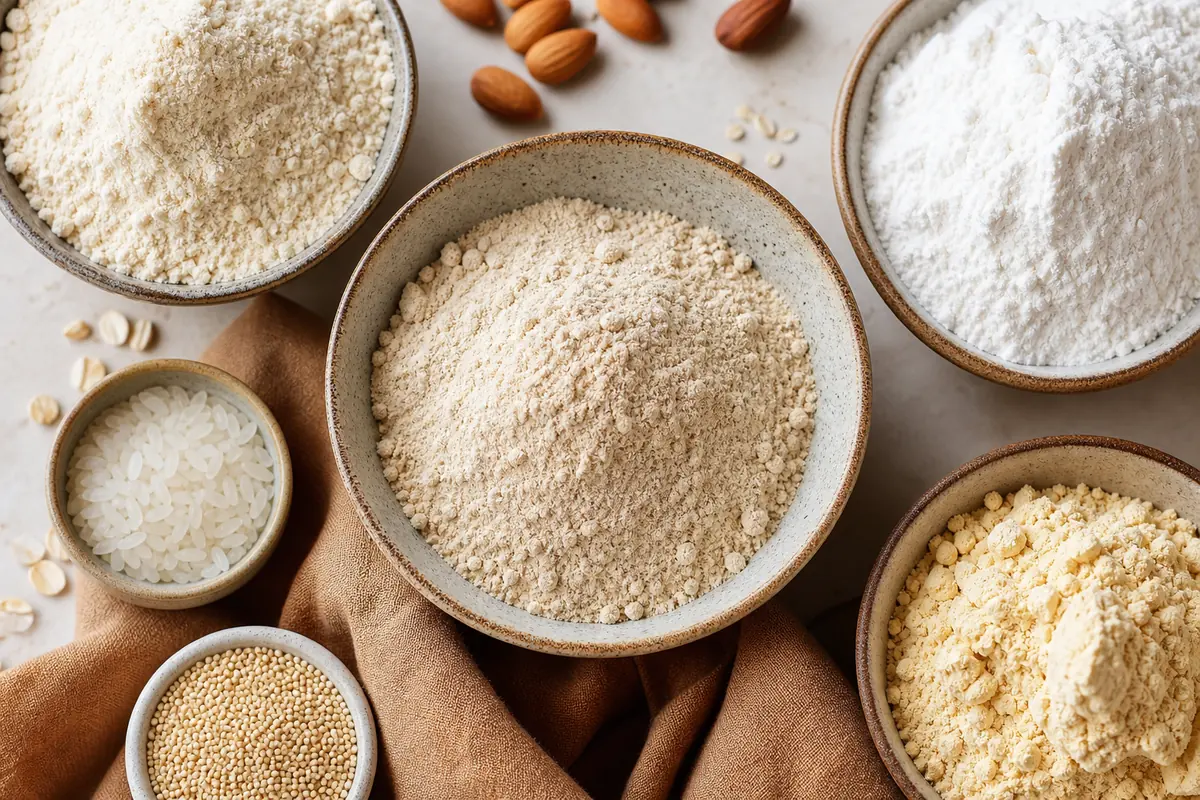
5 Best Amaranth Flour Substitutes (Easy Swaps)
Ingredients
Method
- Identify your use: baking (structure) vs. thickening/coating (body).
- Choose the closest match from the table: start with the listed swap ratio.
- Adjust hydration: if the batter looks too thick, add water 1 teaspoon at a time; if too loose, add flour by 1–2 teaspoon per cup.
- For grainy flours (quinoa or buckwheat), sift once before mixing to reduce texture surprises.
- Rest 5–10 minutes for best thickening and binding behavior, then bake or cook as usual.
Notes
- Amaranth flour is nutty, high-fiber, and absorbs moisture; most swaps need small hydration tweaks.
- Use cornstarch only for thickening—don’t rely on it to recreate baking structure.
Tried this recipe?
Let us know how it was!
Carrie is a food writer and editor with more than 15 years of experience. She has worked for some of the biggest names in the food industry, including Bon Appétit, Food & Wine, and Martha Stewart Living.
As the Editor in Chief of EpicureDelight, Carrie oversees all of the content on the site. She also manages the team of contributing writers and editors, who help to create delicious recipes, helpful tips, and informative articles that you’ll find on the site.
A native of the Chicago area, Carrie is passionate about all things food. She loves trying new restaurants and experimenting with new recipes in her kitchen. She’s also a graduate of the Culinary Institute of America, so she knows a thing or two about food!



