Go Back
+ servings
5 Best Burgundy Wine Substitutes (Flavor-Matched) | EpicureDelight

5 Best Burgundy Wine Substitutes (Flavor-Matched)

No ratings yet
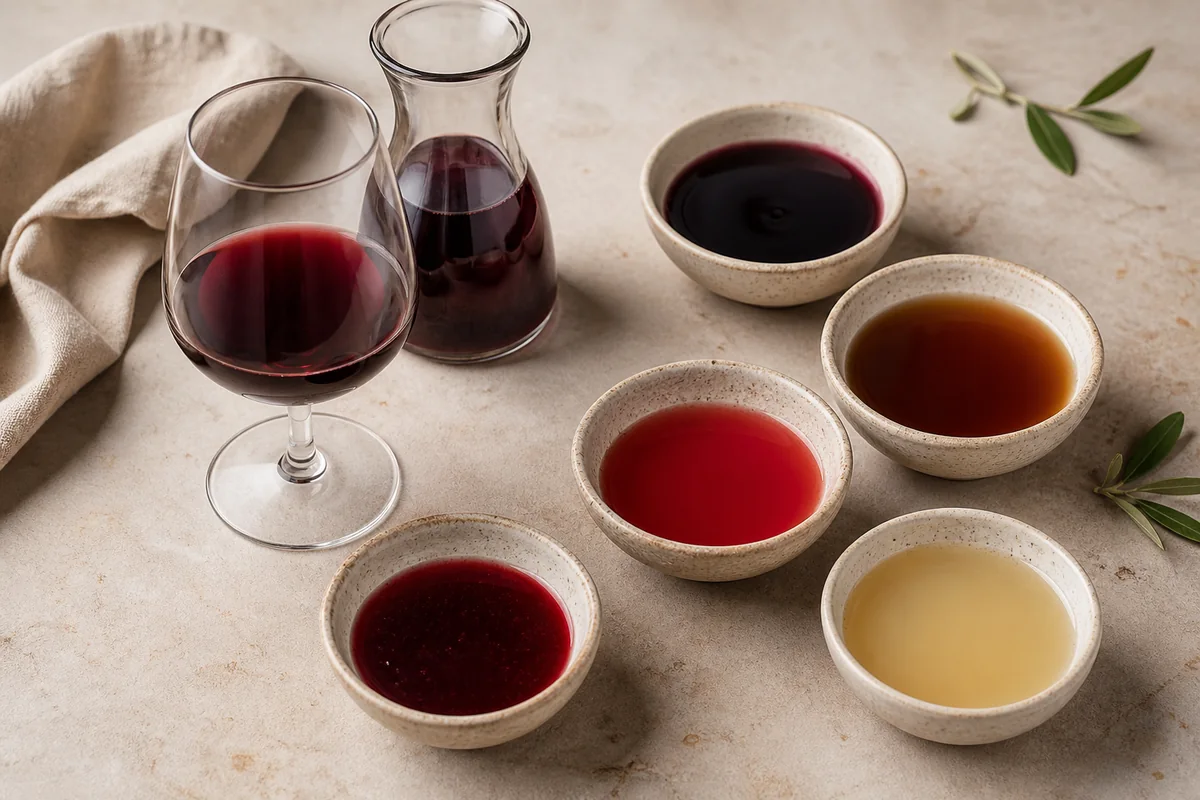
Use these Burgundy wine substitutes to match body, fruitiness, tannin, and acidity for sauces, braises, and deglazing.
Prep Time 5 minutes
Cook Time 0 minutes
Total Time 5 minutes
Servings: 1 batch
Course: Substitutes

Ingredients
  

Best Matches
  • 1:1 Pinot Noir (dry, light-bodied) Closest Burgundy-style profile; use dry pinot for restrained fruit and gentle tannin.
  • 1:1 Beaujolais / Gamay (dry) Bright red fruit with lighter tannin; great for pan sauces and reductions.
Good Alternatives
  • 1:1 Red wine (dry) + 1 teaspoon red wine vinegar per ½ cup Boost acidity if your base wine tastes flat; helps the sauce read like Burgundy.
  • 1:1 Dry red vermouth Adds herbal dryness; reduce a little longer to mellow any botanical notes.
Emergency Swaps
  • ¾:1 Pomegranate juice + red wine vinegar Non-alcohol swap: use pomegranate for depth, then add vinegar for Burgundy-like acidity.
  • ¾:1 Cranberry juice (unsweetened) + balsamic vinegar Non-alcohol option with tang; balsamic adds a dark, earthy note.

Method
 

  1. Identify your use: deglazing/braising (needs body) or baking (needs acidity and color).
  2. Start with the substitute ratio from the list (many swaps work 1:1; non-alcohol options start at ¾:1).
  3. If the substitute tastes too sweet, add a small splash of vinegar to sharpen the flavor; if too sharp, simmer longer to round it.
  4. For alcohol-free swaps, simmer 2–5 minutes before adding to the dish so harsh fruit notes blend in.
  5. Taste the sauce/batter at the end and adjust: tiny pinches of salt deepen, and a final vinegar touch restores “wine” brightness.
Notes

  • When a recipe says “Burgundy,” treat it as a dry, light-to-medium red wine with red-fruit and earthy depth.
  • For best results in sauces, reduce the substitute slightly so its flavor concentrates and tastes less “standalone.”

Tried this recipe?

Let us know how it was!