Go Back
–+ servings
5 Best Chinese Black Vinegar Substitutes (with Ratios) | EpicureDelight

5 Best Chinese Black Vinegar Substitutes (with Ratios)

No ratings yet
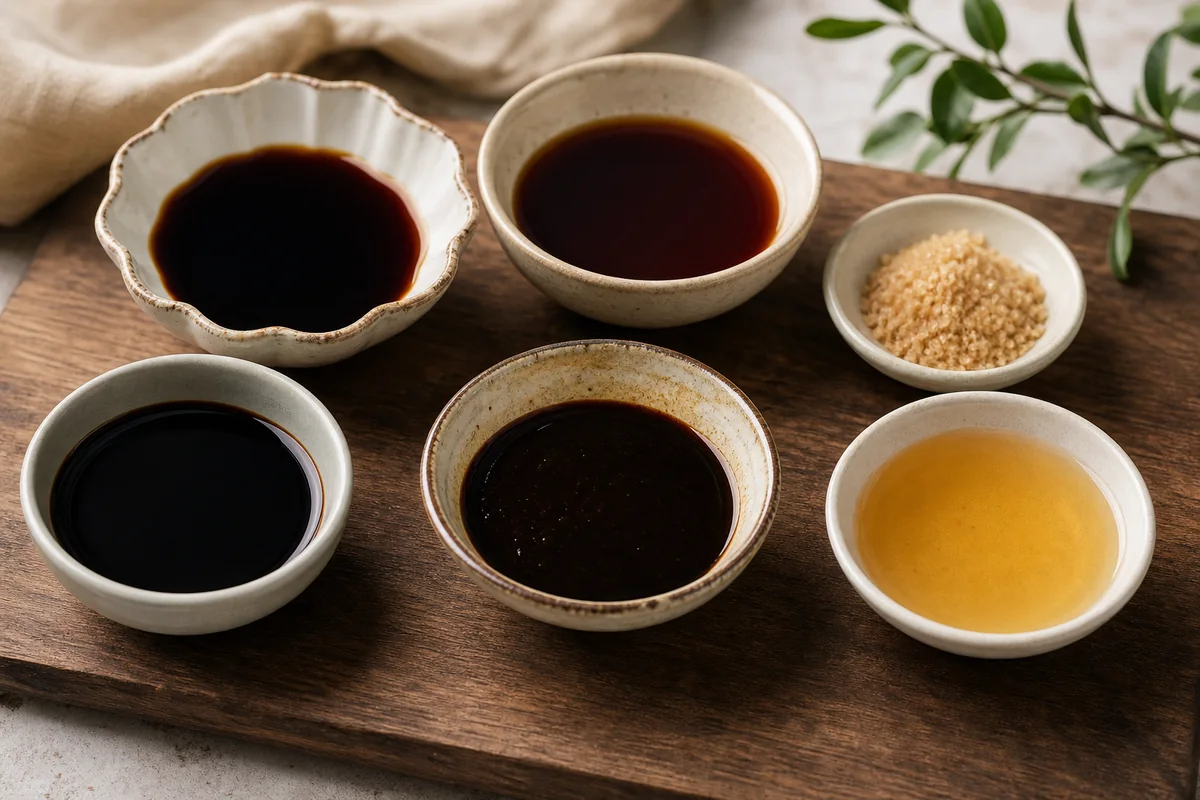
Use these Chinese black vinegar substitutions (with ratios) to match acidity, mild sweetness, and dark complexity.
Prep Time 5 minutes
Cook Time 0 minutes
Total Time 5 minutes
Servings: 1 batch
Course: Substitutes

Ingredients
  

Best Matches
  • 1:1 Balsamic vinegar closest tang + dark color; slightly sweeter—reduce to ¾ if the dish is already sweet
  • 1:1 Rice vinegar + a pinch of soy sauce (or salt) keeps the vinegar clean like Chinese cooking; soy adds savory depth without making it taste like soy
Good Alternatives
  • 1:1 Apple cider vinegar + sugar/honey (tiny amount) adds similar tang with a little sweetness to mimic the darker vinegar’s rounding
Emergency Swaps
  • ¾:1 Distilled white vinegar + sugar (tiny amount) use less because it’s sharper; sweeten slightly to reduce the harsh bite
  • 1:1 Red wine vinegar + a pinch of sugar more fruit-forward than black vinegar; sugar brings it closer to the cooked-dish flavor

Equipment

  • Small bowl or ramekin
  • Spoon
  • Measuring spoons (or kitchen scale if preferred)
  • Whisk (optional)

Method
 

  1. Pick the substitute that matches what you have: want the closest color and complexity? choose balsamic; want the cleanest savory tang? choose rice vinegar + soy.
  2. Use the listed ratio as your starting point, then adjust by taste for sweetness (add 1–2 pinches sugar) or depth (add a few drops soy/salt).
  3. If your substitute is sharper (white vinegar), start at ¾ of the amount and let the mixture sit 2–3 minutes to round the acidity.
  4. For sauces and dressings, stir well and taste once the liquid is combined; for marinades, mix with other ingredients before adding.
  5. When cooking, add the vinegar near the end so you preserve the tang that Chinese black vinegar is known for.
Notes

  • Goal flavor for swaps: tang + slight sweetness + dark depth (not just sourness).
  • Start with the ratio, then fine-tune with tiny additions of sugar (sweetness) or soy/salt (depth).

Tried this recipe?

Let us know how it was!