Go Back
–+ servings
5 Best Orange Bitters Substitutes for Better Results | EpicureDelight

5 Best Orange Bitters Substitutes for Better Results

No ratings yet
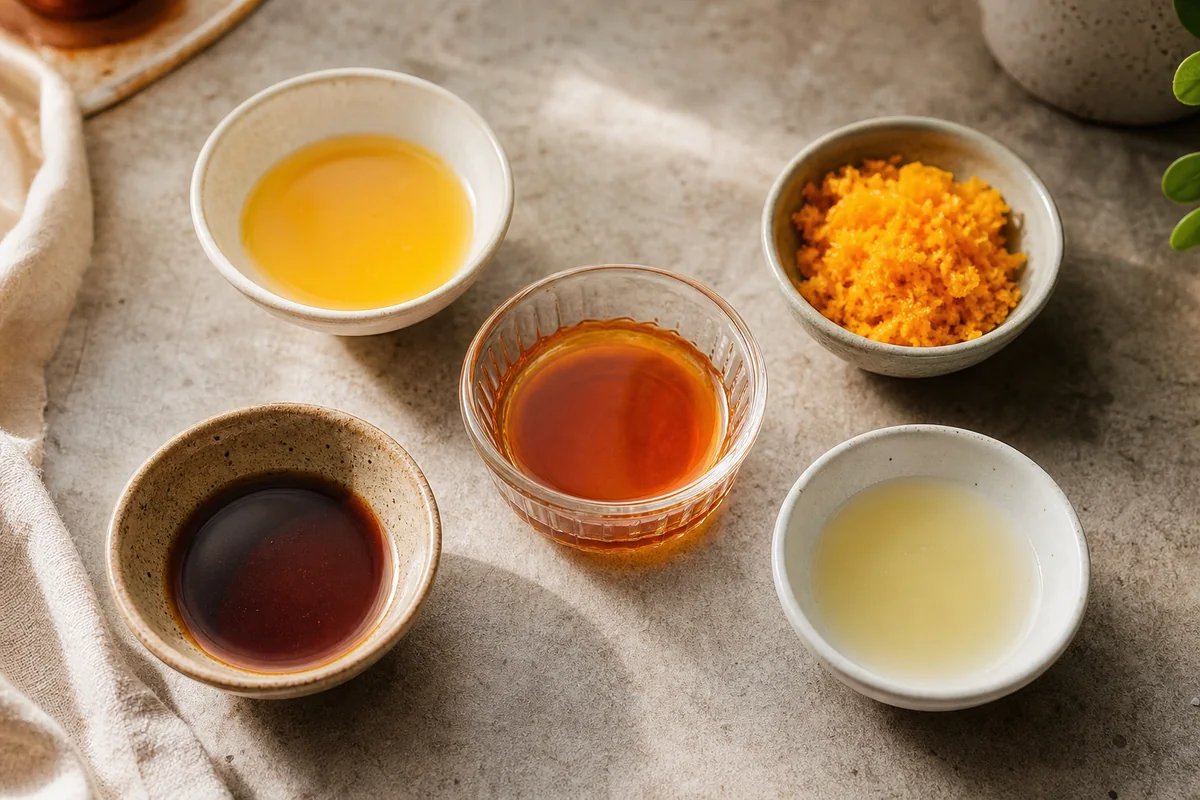
Use these orange bitters substitutes based on how your dish needs sweetness vs bitterness.
Prep Time 5 minutes
Cook Time 0 minutes
Total Time 5 minutes
Servings: 1 batch
Course: Substitutes

Ingredients
  

Best Matches
  • 1:1 Bitter orange liqueur (Curacao-style, not very sweet) Best for cocktail balance; choose a drier style to keep bitterness closer to bitters.
  • 2:1 Angostura bitters + orange extract (tiny pinch of extract) Bitterness backbone with added orange aroma; start with less extract to avoid a candy note.
Good Alternatives
  • ¾:1 Orange zest syrup (homemade or store-bought) Great when you want orange flavor more than sharp bitterness; reduce added sugar elsewhere.
  • ½:1 Orange marmalade (thinned, no chunky fruit) Works in stirred drinks or marinades; thin with water or citrus juice so it dissolves.
Emergency Swaps
  • ¾:1 Grand Marnier (or other orange cognac liqueur) Classic orange flavor but usually sweeter—use slightly less and compensate with a splash of extra bitters.
  • 1:1 Aperitif orange vermouth (dry vermouth style) Adds herbal bitterness and citrus notes; keep it dry to avoid turning the drink cloying.
  • 1:1 Orange-soaked tea concentrate (black tea + orange peel) No alcohol option; steep stronger for bitterness, but strain well to keep texture clean.

Equipment

  • Measuring spoons
  • Small bowl or cup
  • zester (if using zest-based swaps)
  • fine strainer (if using tea or zest syrups)
  • Tasting spoon

Method
 

  1. Identify what you’re making (cocktail, spritz, or a glaze/marinade) and whether the recipe depends on bitterness vs aroma.
  2. Start with the substitute ratio from the table above, then taste immediately and adjust: add a touch more if you need orange aroma, or add more bitterness with Angostura if you need sharper lift.
  3. If your substitute is sweet (marmalade, sweet liqueur), reduce added sugar/juice in the recipe and thin it with a splash of water so it disperses evenly.
  4. For non-alcohol swaps (tea concentrate), steep longer for bitterness and strain very fine before mixing.
  5. Re-taste after dilution (ice in cocktails or cooling in glazes), because sweetness and bitterness perception changes as it chills.
Notes

  • If the substitute is sweeter than orange bitters, use less and compensate with extra Angostura bitters to restore bitterness.
  • For best results in cocktails, mix the swap first, then top up with remaining ingredients so you can taste and correct quickly.

Tried this recipe?

Let us know how it was!