Go Back
–+ servings
5 Best Ouzo Substitutes (Tested) | EpicureDelight

5 Best Ouzo Substitutes (Tested)

No ratings yet
Ouzo substitute guide for cooking: choose an anise-forward liquor (or a non-alcoholic anise option) and adjust sweetness to match the dish.
Prep Time 5 minutes
Cook Time 0 minutes
Total Time 5 minutes
Servings: 1 batch
Course: Substitutes

Ingredients
  

Best Matches
  • 1:1 Sambuca (regular, not black-licorice strong) Closest anise intensity; slightly sweeter—use the same amount, then cut a touch with lemon/or water if needed.
  • 1:1 Pernod (anise liqueur / pastis-style) Dry-leaning anise profile; best when you want a similar “brighter” finish.
Good Alternatives
  • ⅛:1 Anise extract (alcohol-based) Very concentrated; start with ⅛ the ouzo amount and add more only after tasting.
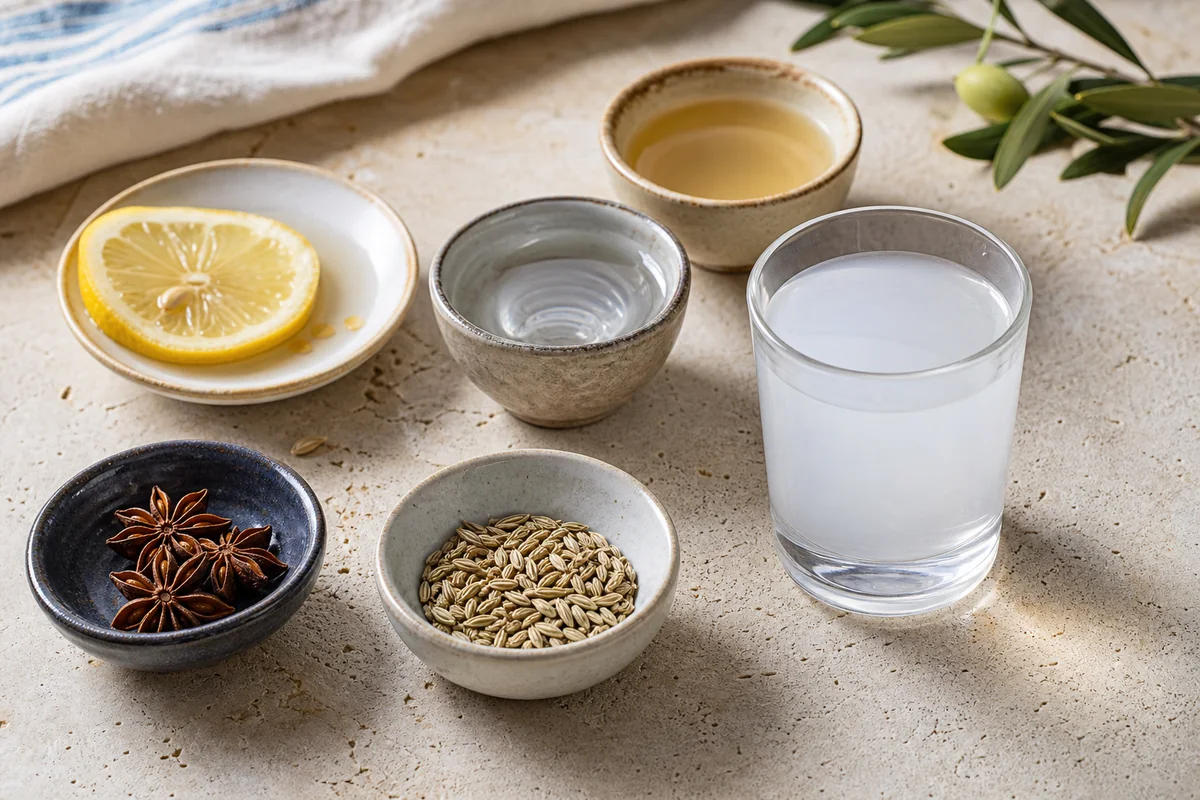
  • 1:1 Star anise (steeped tea infusion) Lacks exact liquor sweetness—steep to taste, then sweeten lightly if your dish needs the liqueur edge.
Emergency Swaps
  • ¾:1 Pasta alla anise-style liqueur flavor syrup (anise syrup) More syrupy than ouzo; start slightly under and balance with acidity (lemon/vinegar) if it tastes too sweet.
  • 1/16:1 Ouzo-free anise spice (ground anise or anise seed) Powdered anise is less aromatic in heat—bloom it briefly in a spoonful of fat or warm liquid.

Equipment

  • Small saucepan or mug (for steeping star anise infusion)
  • Measuring spoon
  • Fine mesh strainer (if using star anise steep)

Method
 

  1. Find your cooking goal: you need either (a) liquor-like anise depth, or (b) a non-alcoholic anise flavor boost.
  2. Choose the closest match from the table: use 1:1 for other anise liqueurs/pastis, or use the lower ratios for extract/spices.
  3. Add early if you’re simmering (so the anise disperses), or add near the end for a brighter top note.
  4. Taste after the first simmer/bloom; if it’s too sweet, cut with a splash of lemon juice or a little water/broth.
  5. If the aroma is too weak, add a small increment (not a full re-measure) and let it cook 2–3 minutes more before deciding.
Notes

  • For anise-forward flavor, sweetness matters: ouzo is typically more fragrant than harsh; sambuca can be noticeably sweeter.
  • Use lower ratios for extracts/spices—concentrations are dramatically higher than liquor.

Tried this recipe?

Let us know how it was!