Edible ants can taste sour, citrusy, vinegary, woody, nutty, or roasted. Species controls much of the flavor, while toasting, grinding, and the food beneath them change how sharp or crisp the final bite feels.
Some ants deliver a fast acidic spark from formic acid. Others lean toward toasted nuts or wood, so the word ant does not describe one fixed flavor.

Edible ant flavor depends on species and processing. Expect a quick sour or citrus note from some products and a woody, nutty, or roasted finish from others, with a tiny crisp texture in whole dried ants.
Why Do Edible Ant Species Taste Different?
Species matters because different ants produce different acids and aroma compounds. Colony conditions, harvest stage, roasting, and storage can shift the result again.
The flavor also differs from the grainy roast of edible crickets and the meatier novelty of scorpion. Insect is a food category, not a single taste.
Use the species name and product description as a starting point, not a promise. Two packages can share a common name while differing in origin and processing.
| Ant or product style | Likely first note | Finish | What changes it |
|---|---|---|---|
| Black ant products | Sharp sour or vinegary | Clean and brief | Formic acid level and drying |
| Weaver ant products | Tart and citrus-like | Light savory edge | Species, eggs, and seasoning |
| Leafcutter or chicatana products | Nutty or roasted | Woody and savory | Toasting and smoke |
| Mixed ant powder | Product dependent | Even but less crisp | Blend, grind, and added salt |
A roasted product may taste closer to toasted sesame seeds than to lemon. An acidic product can feel more like lime zest or mild vinegar before any roasted flavor appears.
Seasoning can erase the species signal. Chile, smoke, salt, and citrus on the ingredient list may explain more of the first bite than the ant itself.
Harvest stage and storage also affect aroma, so use the table as a range. A named species still needs a fresh, well-sealed product.
Why Do Edible Ants Taste Sour?
The aroma can arrive first
Formic acid is volatile, so a sharp smell may rise when the package opens. The nose can read that aroma as vinegar or citrus before the tongue registers sourness.
The tongue gets a short acidic hit
The sour note often appears quickly and fades faster than a large squeeze of lemon would. It sits on top of the ant's roasted or woody base rather than turning the whole bite into fruit.
This sensation is acid, not chile heat. It does not depend on capsaicin, and adding sugar will change the balance without removing the acid itself.
Heat changes the aroma balance
Toasting can lower part of the sharp volatile impression while building browned aromas. Hard roasting may also create bitterness, so darker does not always mean better.
Ant species with a different chemical profile may never show the same sour spark. Judge the product in front of you rather than expecting every edible insect to copy it.
How Do Whole, Toasted, and Ground Ants Taste Different?
Physical form decides whether you notice an insect as a separate piece. Whole dry ants give a tiny shell snap, while powder spreads flavor through the food.
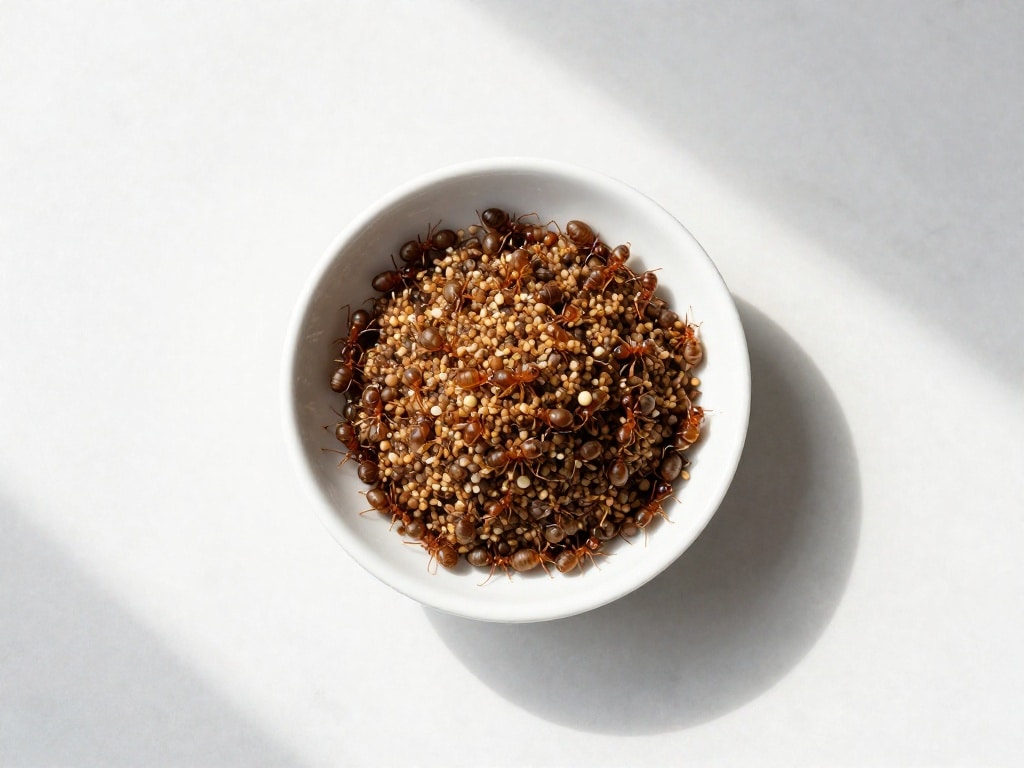
Whole dried ants stay distinct
The shell gives a light crisp texture that ends quickly because each ant is small. A moist sauce or soup softens that crunch soon after serving.
Toasted ants bring aroma forward
Dry heat makes nutty and woody notes easier to notice. Overtoasting can leave the product dry and bitter, which may be mistaken for the species' natural flavor.
Powder behaves like seasoning
Fine ant powder removes the obvious insect shape and most of the shell texture. It also distributes acid and roast more evenly, so a small amount can reach every bite.
A coarse grind sits between the two forms. It keeps small crisp flecks but spreads them widely enough that one piece does not control the whole mouthful.
Oil-roasted products feel heavier than dry-toasted ones and can turn rancid during poor storage. Smell the added fat as well as the insects before serving.
How Can You Tell Whether Ants Are Food-Grade?
Do not collect ants from a yard, wall, or trail for tasting. Their species, pesticide exposure, parasites, and contact history are unknown.
A commercial package should identify the food, producer, ingredients, and storage directions. Imported or prepared products may also carry allergen and heat-treatment information.
Check whether the package is sold for human consumption in your market. A clean photograph and sealed pouch do not replace an edible-food label.
- Use a food-grade source. Novelty or pet-feed insects do not meet the same use claim.
- Read the species and ingredient list. Salt, chile, citrus, smoke, or oil can supply much of the taste.
- Check the package seal. Holes and dampness can expose a dry product to pests or mold.
- Follow the storage label. Whole dried ants and moist prepared products need different handling.
- Discard an off batch. Musty odor, visible growth, wet clumps, or rancid oil is not a tasting challenge.
Keep the label until the food is finished. It provides the identity and allergy details that a loose bowl cannot show.
Serve from a clean dry spoon so crumbs and moisture do not enter the remaining package. This matters most when a small bag will be opened several times.
Can People with Shellfish Allergies Eat Ants?
Edible insects can share allergenic proteins with crustaceans. A person with shellfish allergy may cross-react, although risk and severity differ by person and product.
Cooking does not guarantee that those proteins disappear. Shared equipment can also bring other allergens into a seasoned or packaged ant product.
Skip the taste test if you have a known shellfish or insect allergy unless your allergy professional has given you specific guidance. A novelty bite is not a safe home challenge.
Stop eating and seek appropriate medical help if a reaction begins. Do not use the small serving size as proof that a reaction will stay small.
How Should You Taste Edible Ants for the First Time?
Start with a measured pinch from a food-grade package. Choose the base and physical form by whether you want to notice acidity, roast, or texture.
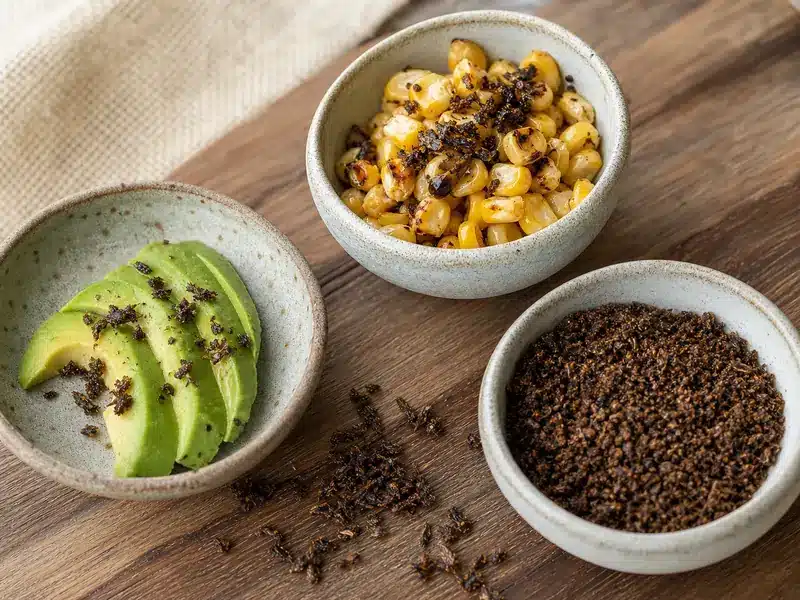
| Goal | Form | Mild base | What you will notice |
|---|---|---|---|
| Read the sour note | One or two whole ants | Plain rice | Acid before seasoning |
| Read the roasted note | Lightly toasted ants | Mild beans or a plain tortilla | Nutty aroma and brief crunch |
| Reduce visible texture | Fine powder | Yogurt or a soft dip | Even flavor without a clear shell |
| Create contrast | Coarse ground ants | Mild honey or fruit | Sweetness against acid and roast |
If you dislike sour food
Choose a toasted nutty product and keep lemon, lime, and tamarind puree away from the first bite. Added citrus can make a mild acidic ant feel much sharper.
If lemon is part of the planned dish, a milder option from the lemon juice alternatives can preserve acidity without doubling the sharpest ant note.
If texture is the concern
Use a fine powder stirred into a soft base. Do not hide the ingredient from another person because allergy and consent still matter.
If you want the clearest comparison
Taste the ant and base before adding soy sauce alternatives, mustard, or strong spice. Those ingredients can cover the species difference you are trying to understand.
Whole mustard seed replacements can add their own pop and heat, which makes them a poor baseline for judging ant shell crunch.
Pause after the first pinch and note which sensation arrived first. Acid, shell crunch, roast, and added seasoning fade at different speeds, which helps identify the part you liked or disliked.
Sources
These sources support the species-dependent aroma chemistry and edible-insect safety guidance.
- American Chemical Society report on ant flavors
- European Food Safety Authority edible-insect evaluation overview
- FAO edible insects report
Frequently Asked Questions
Some products develop a woody or bitter edge from species, age, oil quality, or heavy roasting. Bitterness with a rancid or musty smell is a discard cue.
Use insects sold and prepared as food. Live wild ants bring identity, contamination, pesticide, and allergy risks with no useful quality control.
No. Eggs and larvae can be softer and milder, and the product may contain different fat and moisture than dry adult ants.
Follow the package because processing and moisture vary. Reseal dry products tightly and keep them away from heat and humidity.
No. Ants are animals, so foods containing them do not meet a vegetarian or vegan diet.

Carrie is a food writer and editor with more than 15 years of experience. She has worked for some of the biggest names in the food industry, including Bon Appétit, Food & Wine, and Martha Stewart Living.
As the Editor in Chief of EpicureDelight, Carrie oversees all of the content on the site. She also manages the team of contributing writers and editors, who help to create delicious recipes, helpful tips, and informative articles that you’ll find on the site.
A native of the Chicago area, Carrie is passionate about all things food. She loves trying new restaurants and experimenting with new recipes in her kitchen. She’s also a graduate of the Culinary Institute of America, so she knows a thing or two about food!