Tapioca pearls taste subtly sweet and starchy, with more texture than flavor. They're chewy and bouncy, soaking up the taste of the drink or syrup around them, whether that's brown sugar, fruit tea, or creamy milk tea.
What are Tapioca Pearls?
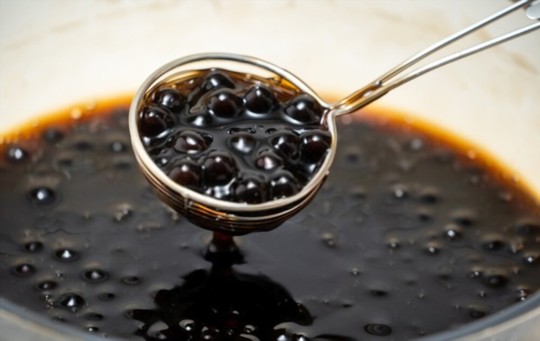
Tapioca pearls, also known as boba or bubble tea pearls, are small, round, translucent beads made from tapioca starch.
They are typically used in bubble tea, a Taiwanese beverage that has gained popularity worldwide.
The pearls themselves are tasteless and have a chewy, gummy texture that makes them popular as a topping or add-in for drinks and desserts.
Tapioca pearls come in two varieties - black and white, which vary in size and cooking time.
Black tapioca pearls are the most commonly used in bubble tea and are made by adding brown sugar to the tapioca starch mixture, resulting in a dark, caramel-like color and a sweeter flavor.
White tapioca pearls are less common and have a more neutral flavor.
They are often used in savory dishes like soups and stews.
While tapioca pearls do not have a distinct taste or flavor, they add a unique texture to the dishes they are added to.
They are chewy, gummy, and gelatinous, which can be an acquired taste for some, but are beloved by many.
If you're new to tapioca pearls, start with a small amount and gradually increase the quantity as you get accustomed to their texture.
What Do Tapioca Pearls Taste Like?
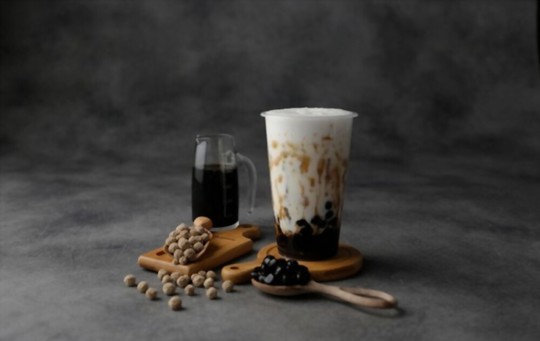
Tapioca pearls have a unique texture and subtle flavor that can be described as chewy and slightly sweet.
Here are a few things you need to know about the taste of tapioca pearls:
They are relatively flavorless, allowing them to take on the taste of the drink or dessert they are paired with.
Their texture is their most distinguishing characteristic, with a chewy, gummy-like consistency that some people find enjoyable while others do not.
Some flavors of tapioca pearls, such as brown sugar or honey, can improve the overall sweetness of the dish they are added to.
Tapioca pearls are commonly used in desserts and drinks, such as bubble tea and coconut milk pudding.
If you have never tried tapioca pearls before, be sure to give them a taste before adding them to your dish to see if you enjoy their unique texture.
Ingredients and Flavors that Affect the Taste of Tapioca Pearls
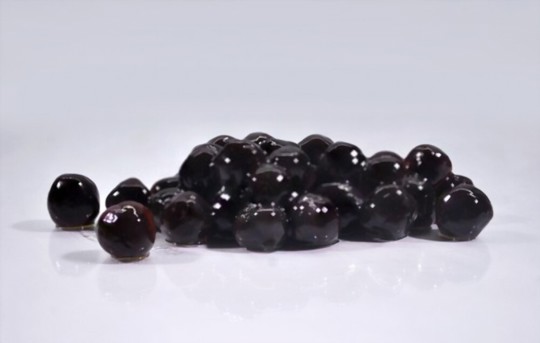
The taste of tapioca pearls can be affected by a variety of ingredients and flavors, leading to a diverse range of flavors in this popular dessert and beverage ingredient.
Here are some of the factors that can affect the taste of tapioca pearls:
- Sweetness: Depending on how much sugar is added to the cooking process, tapioca pearls can be quite sweet, with a flavor almost like caramel or toffee.
- Fruit flavors: Many recipes for tapioca pearls include the addition of fruit juice or fruit syrups, leading to fruity flavors like mango, peach, or grape.
- Coconut milk: Often used in recipes for bubble tea, coconut milk can lend a rich, creamy, and nutty flavor to tapioca pearls.
- Matcha: A popular ingredient in Japanese cuisine, matcha is a type of green tea powder that can be used to flavor tapioca pearls with a subtle, earthy taste.
- Vanilla extract: The addition of a small amount of vanilla extract to tapioca pearls can lend a comforting, familiar flavor similar to vanilla ice cream.
- Taro root: Often used as a natural food coloring in bubble tea, taro root can also add a mild, nutty, and almost earthy flavor to tapioca pearls.
Overall, the flavor of tapioca pearls can be quite diverse, depending on the ingredients and flavors used in the recipe.
1 - Sugar Syrup
Sugar syrup is an essential ingredient used in the making of Tapioca pearls for bubble tea.
It enhances the flavor of the pearls and imparts a sweet taste to the drink.
To make sugar syrup, combine equal parts of sugar and water in a saucepan and heat the mixture over medium heat.
Stir the mixture until the sugar dissolves completely.
Turn off the heat and let the syrup cool.
You can store the syrup in an airtight container in the refrigerator for up to a month.
Tapioca pearls are a popular ingredient used in bubble tea, smoothies, and desserts.
When cooked, they have a chewy, gummy texture with a mild, slightly sweet taste.
These pearls are often flavored with fruit, milk, or syrup to enhance their flavor.
The taste of Tapioca pearls can be compared to that of jelly candy, with a slight hint of sweetness.
Tapioca pearls come in a range of sizes and colors, with the most common being white or black pearls.
Factually, Tapioca pearls are made from tapioca starch, which is derived from the roots of a cassava plant.
This starch is processed to form small, translucent pearls that can be boiled, fried, or baked.
Pro Tip- Make sure to rinse the pearls before and after cooking to remove any excess starch and to achieve the desired texture.
2 - Fruit Flavoring
Tapioca pearls come in a variety of fruit flavors and have a distinct chewy texture.
The flavor and texture of tapioca pearls vary with different types of fruits.
Here are some popular fruit flavors of tapioca pearls and what they taste like:
- Mango: Mango-flavored tapioca pearls have a fruity and sweet taste, making them a popular choice for bubble tea and other fruit-based drinks.
- Strawberry: Strawberry-flavored tapioca pearls have a tangy and slightly sweet taste, mimicking the taste of ripe strawberries.
- Lychee: Lychee-flavored tapioca pearls have a floral and fruity taste, similar to the taste of lychee fruits.
- Passion Fruit: Passion fruit-flavored tapioca pearls have a tart and tangy taste, similar to the taste of the passion fruit.
- Grape: Grape-flavored tapioca pearls have a sweet and slightly sour taste, mimicking the taste of grape juice.
Tapioca pearls, when cooked, are chewy and soft with a mild sweetness to them.
Their unique texture and compatibility with different flavors make them an excellent choice for desserts, sweet dishes, and refreshing beverages.
Pro Tip: Experiment with different fruit flavorings to discover your favorite tapioca pearl taste.
3 - Milk or Cream
Milk or Cream is often added to tapioca pearls to create a creamy and delicious dessert.
When added to tapioca pearls, milk or cream enhances the overall taste and adds a smooth texture to the dish.
Milk or cream is also used to make popular tapioca desserts like bubble tea and pudding.
Tapioca pearls themselves have a mild, slightly sweet taste that can be easily transformed by adding sugar, fruit juices, syrups, or other flavorings.
The texture of tapioca pearls is slightly chewy and gelatinous, making them satisfying to eat.
In comparison to other types of desserts, tapioca pearls are a unique treat that can add a fun and playful element to any dish.
When cooked correctly, tapioca pearls become translucent and have a soft, yet firm texture.
They can be cooked in different ways, such as boiling or soaking in hot water, and each way can bring out a slightly different taste and texture.
Pro Tip: Try experimenting with different flavor combinations to create your own unique tapioca pearl dessert.
Mix and match different fruits, syrups, and flavorings to find your favorite combination.
How to Cook Tapioca Pearls and Serve Them?
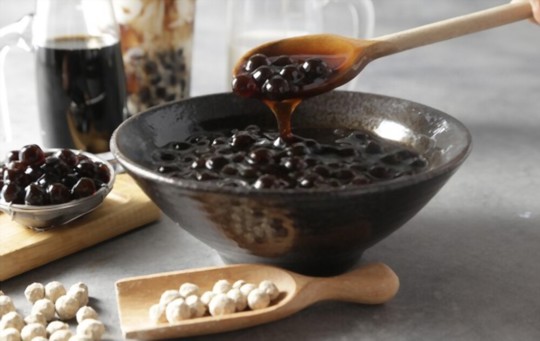
Tapioca pearls are tasteless, chewy balls that are commonly used in bubble tea, a Taiwanese tea-based drink.
They come in different sizes and colors and are made from cassava roots.
Here is a step-by-step guide on how to cook and serve tapioca pearls:
- Boil 6 cups of water per 1 cup of tapioca pearls in a pot.
- Once the water reaches a rolling boil, slowly add the tapioca pearls.
- Stir gently to prevent them from sticking together or clumping.
- Cook the tapioca pearls for 15-20 minutes or until they become translucent.
- Remove the pot from the heat and let the pearls sit for an additional 15-20 minutes.
- Strain the pearls using a fine-mesh strainer and rinse them with cold water to remove excess starch.
To add flavor to the tapioca pearls, you can soak them in sugar syrup or fruit juice.
You can also serve them with milk, coconut cream, or fresh fruit.
Tapioca pearls have a soft, chewy texture, and they add a unique texture to any drink or dessert.
Variations of Tapioca Pearls in Different Cuisines
Tapioca pearls are commonly used in a variety of cuisines worldwide, including Asian, South American, and Caribbean.
Each cuisine has its unique way of preparing tapioca pearls, resulting in different flavors and textures.
Here are a few variations of tapioca pearls in different cuisines and their taste profiles:
- Bubble Tea: Bubble tea is a popular Asian beverage that uses black or white tapioca pearls. These pearls are small, chewy, and gummy in texture, with a subtle sweetness that is infused with flavors like strawberry, mango, and honeydew.
- Sabudana Khichdi: Sabudana Khichdi is a popular Indian dish that uses opaque white tapioca pearls. The pearls are cooked with spices like cumin, ginger, and chili, resulting in a savory and spicy flavor.
- Sopaipillas: Sopaipillas are a South American snack that uses tapioca pearls in its dough. The pearls add a chewy texture to the fried dough, resulting in a crunchy exterior and a soft interior.
Caribbean Tapioca Pudding: Caribbean tapioca pudding uses tapioca pearls soaked in coconut milk and sweetened with sugar or condensed milk.
This dessert has a creamy, sweet, and nutty flavor.
Tapioca pearls, when cooked, have a mild and slightly sweet taste.
Their taste profile depends on the ingredients they are cooked with and the cuisine they are used in.
Where to Buy Tapioca Pearls?
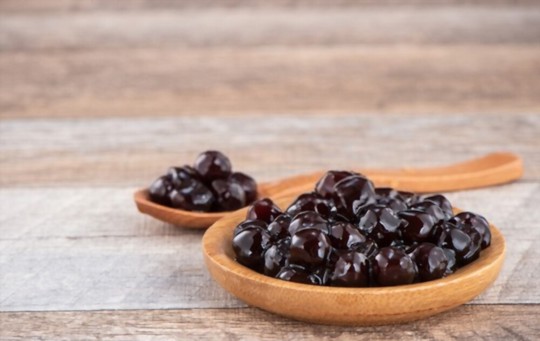
Tapioca pearls are widely available in grocery stores and online.
Here are the top places to buy tapioca pearls for all your bubble tea and dessert needs:
- Asian grocery stores - Look for stores that specialize in Asian grocery items, as they are likely to have a wide selection of tapioca pearls in different sizes and colors.
- Online retailers - Online marketplaces such as Amazon, Walmart, and Etsy offer many options for buying tapioca pearls.
- Health food stores - Some health food stores carry tapioca pearls made from organic, non-GMO ingredients.
Tapioca pearls have a chewy and slightly gummy texture, similar to gummy bears or jelly.
They are relatively flavorless and take on the taste of the beverage or dessert they are added to.
When cooked, tapioca pearls absorb the flavor of the liquid they are boiled in, making them a flexible ingredient in many dishes.
Tapioca Pearls Taste Details
They have a subtle sweetness that is adaptable to different flavors and can complement both sweet and savory dishes.
Tapioca Pearls are a staple of Bubble Tea, which is a popular beverage worldwide.
They are also used in desserts, such as puddings, and as a thickener in soups, sauces, and stews.
However, it is essential to note that the taste of tapioca pearls depends on the flavor and seasoning added to it.
The pearls themselves have a mild to nonexistent taste without any added flavors.
Therefore, the flavor and texture of tapioca pearls can vary according to the dish they are used in.
Hence, whether you are a fan of the chewy texture or not, the unique taste of tapioca pearls is undoubtedly worth trying at least once.
So go ahead and experiment with different flavors and dishes to experience the deliciousness of tapioca pearls yourself.
More From EpicureDelight
The Complete Food Flavor Guide - your complete resource for this topic.
Read all flavor guides →The taste of What Do Tapioca Pearls sits on a spectrum - [milder preparations] are approachable for most palates, while [stronger varieties or preparations] bring more intensity and character.
For a first taste, keep it simple - let the natural flavor come through before adding heavy sauces or spices. A light seasoning with salt, olive oil, and lemon is a great starting point.
Yes - milder preparations, lighter seasonings, and familiar cooking methods make it much more approachable. Mixing it into dishes rather than serving it alone is a great entry point.
It responds particularly well to [fat type - butter, olive oil, sesame] and [herb or spice]. The right fat carries its flavor beautifully and rounds out any sharpness.

Carrie is a food writer and editor with more than 15 years of experience. She has worked for some of the biggest names in the food industry, including Bon Appétit, Food & Wine, and Martha Stewart Living.
As the Editor in Chief of EpicureDelight, Carrie oversees all of the content on the site. She also manages the team of contributing writers and editors, who help to create delicious recipes, helpful tips, and informative articles that you’ll find on the site.
A native of the Chicago area, Carrie is passionate about all things food. She loves trying new restaurants and experimenting with new recipes in her kitchen. She’s also a graduate of the Culinary Institute of America, so she knows a thing or two about food!