Have you ever looked up at the night sky and contemplated about what elderberries taste like?
Maybe it's one of those questions that has been on your mind for years.
If so, then your question has finally been answered!
This comprehensive guide is here to give you a deep dive into the flavor of elderberries - whether eaten fresh or cooked - and what makes them such a prized ingredient among chefs across various cuisines.
From their unique flavor; to the wide range of dishes they can be used in; to understanding how best enjoy their many health benefits - this guide brings together all these elements in one easy place.
So get ready, because we're going on an insightful journey into elderberry-tasting mastery today!
What are Elderberries?
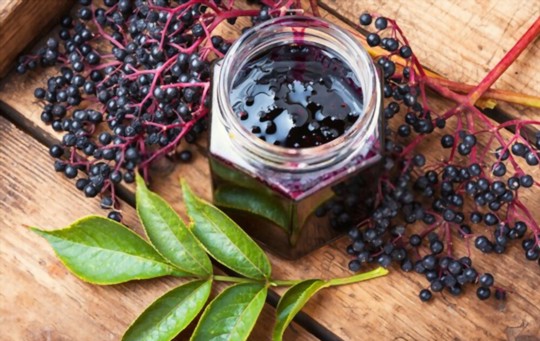
Elderberries are the dark purple berries of the Sambucus tree, commonly found in Europe and North America.
These small fruits are packed with antioxidants, vitamins, and immune-boosting compounds, making them popular in traditional medicine and modern health supplements.
Elderberries have a unique, tart flavor that can be described as slightly sweet with a mildly bitter aftertaste.
The taste of elderberries is often compared to that of blackberries or blueberries, but with a more complex flavor.
While eating raw elderberries is not recommended due to their potential toxicity, they can be used to make a range of delicious and healthy foods and supplements like jams, syrups, teas, and gummies.
Elderberry extracts and supplements are also widely available, and are believed to offer several health benefits such as reducing cold and flu symptoms and boosting heart health.
What Do Elderberries Taste Like?
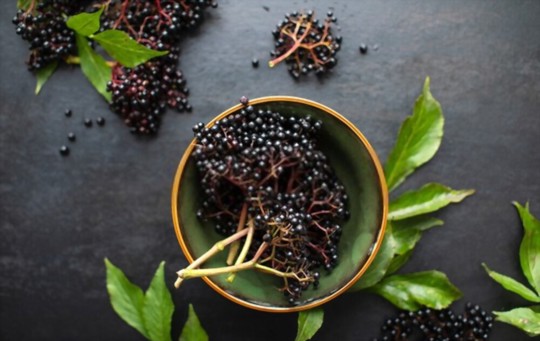
Elderberries have a unique and complex flavor characterized by their tartness, sweetness, and subtle floral notes.
Raw elderberries have a slightly bitter and astringent taste that can be unpleasant if eaten in large quantities.
However, when cooked or processed, they become sweeter and more palatable, making them a popular ingredient in jams, jellies, syrups, and wines.
Elderberries are often compared to blackberries, blueberries, or currants, but they have a more distinct and pronounced flavor.
Some describe the taste as "musky," "earthy," or "herbaceous," while others find it reminiscent of pomegranate or grape juice.
When using elderberries in cooking, it's essential to remove the stems and leaves, which can be toxic if ingested in large amounts.
Properly prepared elderberries can add a nice depth of flavor and complexity to your dishes and beverages.
Factors that Affect the Taste of Elderberries

Elderberries have a unique taste that can be described as tart, tangy, and slightly bitter.
However, several factors can affect the taste of elderberries, such as:
- Ripeness: Elderberries taste sweeter and less bitter when they are fully ripe.
- Growing Environment: Soil quality, sun exposure, and climate can influence the flavor of elderberries.
- Method of Preparation: Elderberries can be eaten fresh or cooked into jams, jellies, wines, and syrups. The cooking process can affect both the taste and nutritional value of elderberries.
- Variety: Some elderberry varieties are known for their sweeter flavor, while others are more bitter.
- Maturity: The age of the elderberry plant can also affect the taste of the berries.
Understanding these factors can help you choose the best elderberries for your palate and create delicious elderberry-based dishes at home.
When harvesting elderberries, look for plump and fully ripe berries and avoid eating unripe or raw elderberries as they can be toxic.
1 - Ripeness
Ripeness is important when it comes to determining the taste of elderberries.
Elderberries are known for their tart and tangy taste, similar to that of blackcurrants with a hint of blueberries' sweetness.
However, the taste of elderberry varies depending on the ripeness of the fruit.
Unripe elderberries are more bitter and astringent and can even be slightly toxic, while fully ripe elderberries taste sweet and juicy with a milder tartness.
This is why it's important to wait for elderberries to ripen before harvesting them for consumption.
When purchasing elderberries, look for plump, dark purple berries with a waxy bloom on the surface.
Overripe berries may taste bland and have a mushy texture.
Properly ripened elderberries can be used to make a variety of delicious treats like jams, pies, and even elderberry wine.
2 - Preparation Method
Elderberries have a unique, mildly sweet flavor with a slight tartness, and a musky undertone.
Elderberries are often compared to blackberry or blueberry, but their taste is distinct due to the floral and earthy notes.
The flavor is the strongest when the elderberries are fully ripe; they have a richer, complex aroma and taste.
Elderberries are edible when raw, they are often used in jams, wines, teas, and syrups.
Before using elderberries, it is essential to cook them, which not only enhances their taste but also destroys the toxic chemicals present in the raw berries.
3 - Sweeteners and Other Flavors
Elderberries are known for their bold, unique, and somewhat tart flavor, which is why they are often used in cooking and as a natural remedy for various ailments.
Here are some things to keep in mind about the taste of elderberries:
- Raw elderberries have a noticeably tart flavor, with a slight sweetness and bitterness. To make them more palatable, they are often cooked, boiled, or infused to create syrups, jams, or juices.
- Elderberries can also have a somewhat musky or muscadine flavor, which can be an acquired taste for some people.
- When used as a natural sweetener, elderberries add a subtle sweetness that doesn't overpower the other flavors in a recipe.
- Elderberries can also complement other flavors, particularly warm spices like cinnamon, ginger, and cloves.
Before using elderberries, some varieties of the plant are toxic and should not be consumed.
It's best to use elderberries that are purchased from a reputable supplier or harvested from known safe sources.
Health Benefits of Elderberries

Elderberries are known for their numerous health benefits, making them a popular choice for holistic medicine practitioners and health enthusiasts.
Some of the health benefits of elderberries include boosting the immune system, reducing inflammation, and aiding in digestion.
These berries are also rich in antioxidants and vitamins, making them a good addition to any diet plan.
Elderberries are tart and slightly sweet, with a flavor that is often described as earthy and somewhat musky.
The berries can be eaten raw, but they are commonly used in jams, pies, and syrups.
If you are planning on using elderberries in cooking or making medicinal preparations, they must be cooked thoroughly before consumption to avoid digestive discomfort.
How to Use Elderberries in Cooking and Beverages
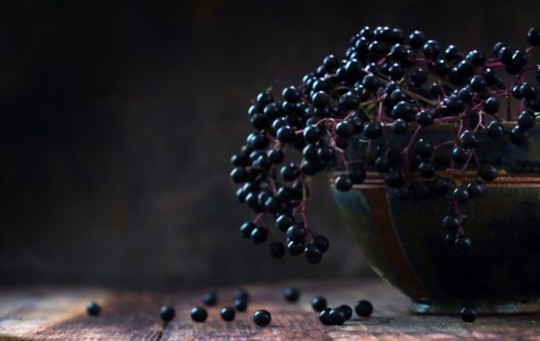
Elderberries have a unique, earthy flavor that is both tart and sweet.
When cooked or processed, they develop a rich, deep flavor similar to blackberries with a subtle floral aroma.
Elderberries can be used in a variety of cooking and beverage applications, including baked goods, jams, syrups, and cocktails.
Here are some tips for using elderberries in cooking and beverages:
- Use elderberries in place of blackberries or blueberries in recipes for muffins, quick bread, and other baked goods.
- Make a simple syrup by boiling elderberries with sugar and water, then using it to sweeten drinks and cocktails.
- Combine elderberries with other fruits, such as apples or pears, to make jams and jellies.
- Add cooked elderberries to smoothies and purees for a nutritional boost and unique flavor.
Be sure to cook elderberries before consuming them, as raw elderberries can be toxic.
Also, elderberry stems and leaves should not be consumed as they may cause nausea and vomiting.
Distinctive Flavors of Elderberries
The taste of elderberries varies depending on the ripeness of the berry, with unripe berries having a tart and bitter taste, and ripe berries having a sweet and juicy flavor with a slight tartness.
Elderberries are often described as having a musky, earthy taste with hints of floral and citrus notes.
Despite their strong flavor, elderberries are very versatile and can be used to make a range of tasty and nutritious dishes, including jams, jellies, syrups, and even wine.
With their high levels of antioxidants and immune-boosting properties, elderberries are a fantastic addition to any diet.
So, if you're looking for a unique and nutritious fruit to add to your meals, give elderberries a try.
More From EpicureDelight
The Complete Food Flavor Guide - your complete resource for this topic.
Read all flavor guides →The flavor of What Do Elderberries is often described as complex - there's usually a balance of [savory depth/natural sweetness/pleasant bitterness/umami] that makes it versatile in cooking.
Yes - the flavor changes considerably with cooking. Heat mellows sharpness and brings out natural sugars, while raw preparations retain more bite and brightness.
Some varieties do have a lingering aftertaste - often described as [earthy/mineral/slightly bitter]. This typically fades with cooking or when paired with contrasting flavors.
It leans [savory/sweet] in most preparations, though the balance shifts depending on how it's cooked. Roasting pushes it sweeter; raw or lightly seasoned preparations highlight the savory, [earthy/bright/tangy] side.

Carrie is a food writer and editor with more than 15 years of experience. She has worked for some of the biggest names in the food industry, including Bon Appétit, Food & Wine, and Martha Stewart Living.
As the Editor in Chief of EpicureDelight, Carrie oversees all of the content on the site. She also manages the team of contributing writers and editors, who help to create delicious recipes, helpful tips, and informative articles that you’ll find on the site.
A native of the Chicago area, Carrie is passionate about all things food. She loves trying new restaurants and experimenting with new recipes in her kitchen. She’s also a graduate of the Culinary Institute of America, so she knows a thing or two about food!