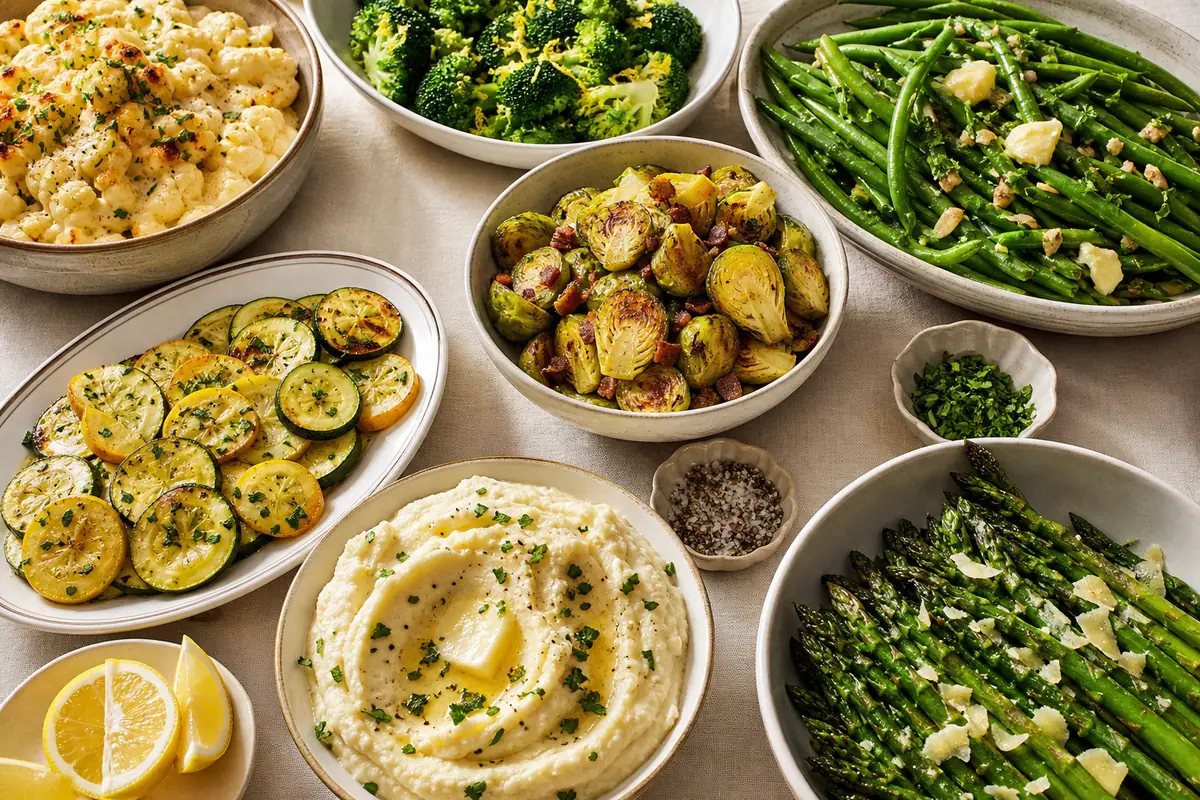
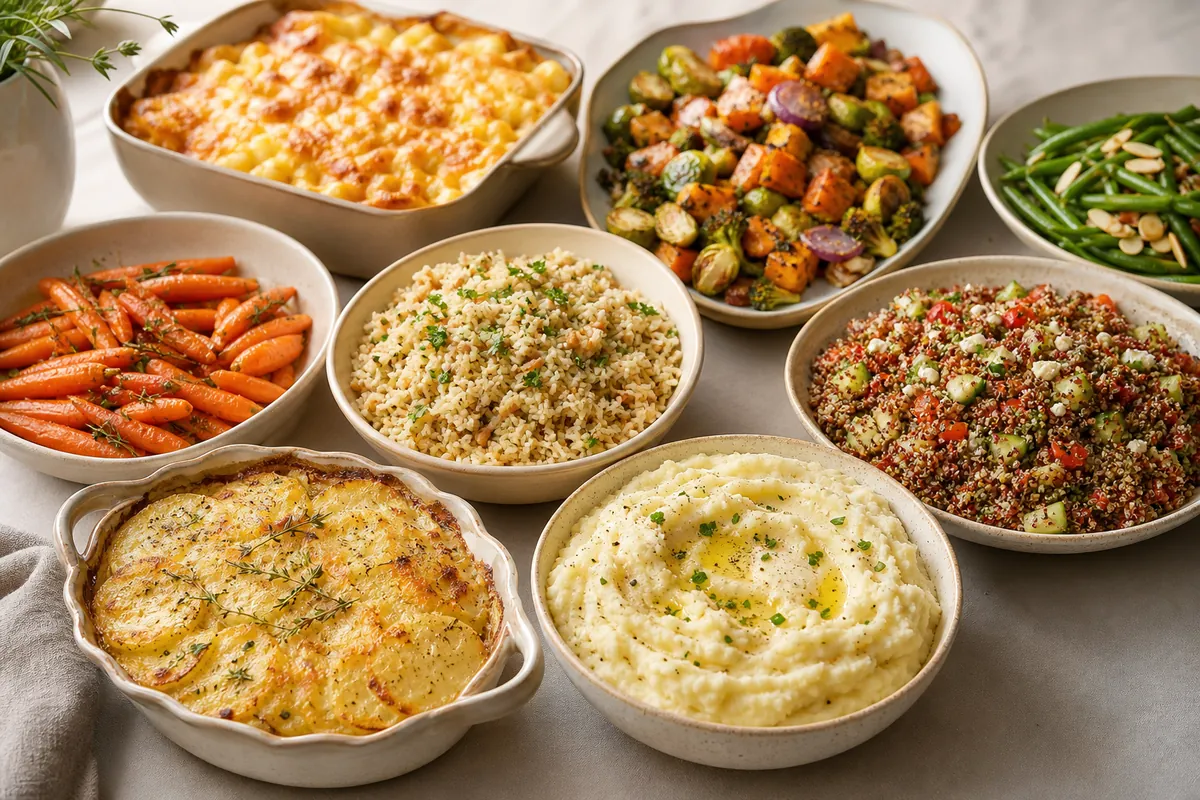
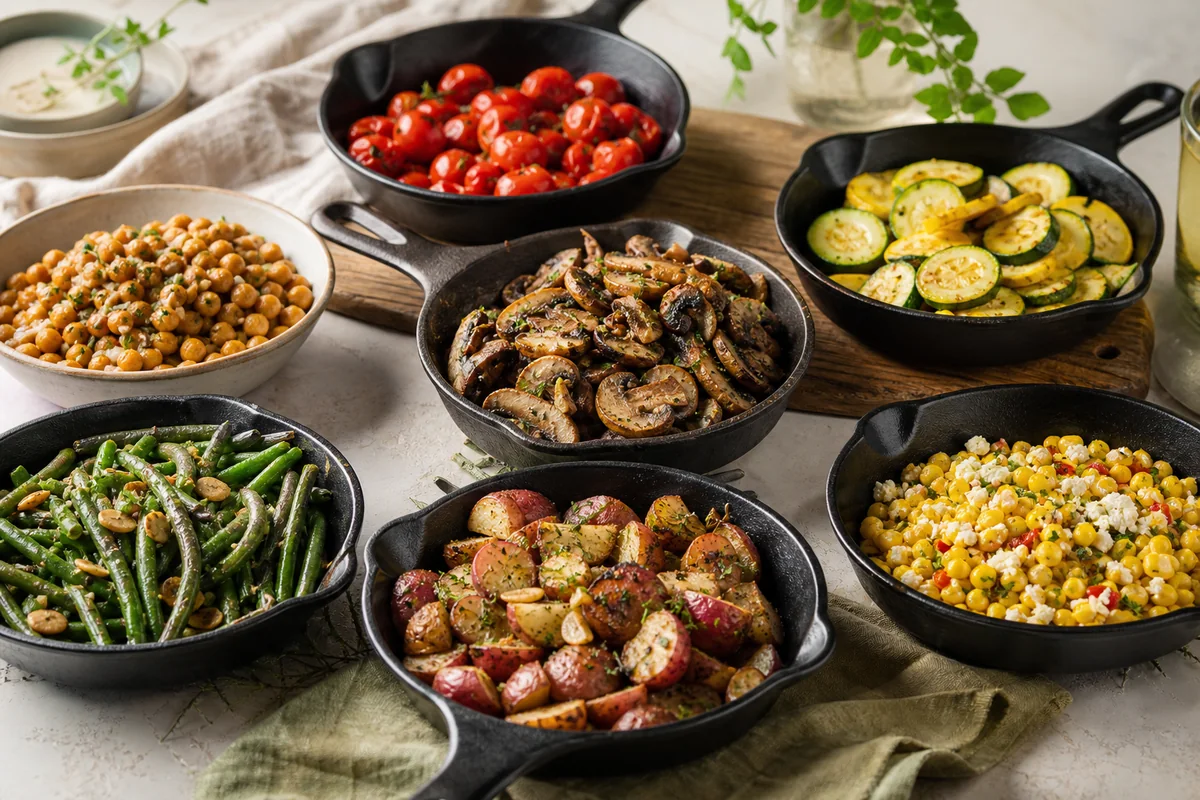
Serve twice baked potatoes with a simply cooked protein and a crisp green vegetable. Steak, roasted chicken, salmon, asparagus, and arugula salad work well because the potato already supplies starch, cheese, and a creamy texture.
You do not need bread, pasta, or another potato dish.
A small potato half can support a protein-centered dinner. A large loaded potato can be the main dish, which means a sharp salad or roasted vegetable may be the only side it needs.
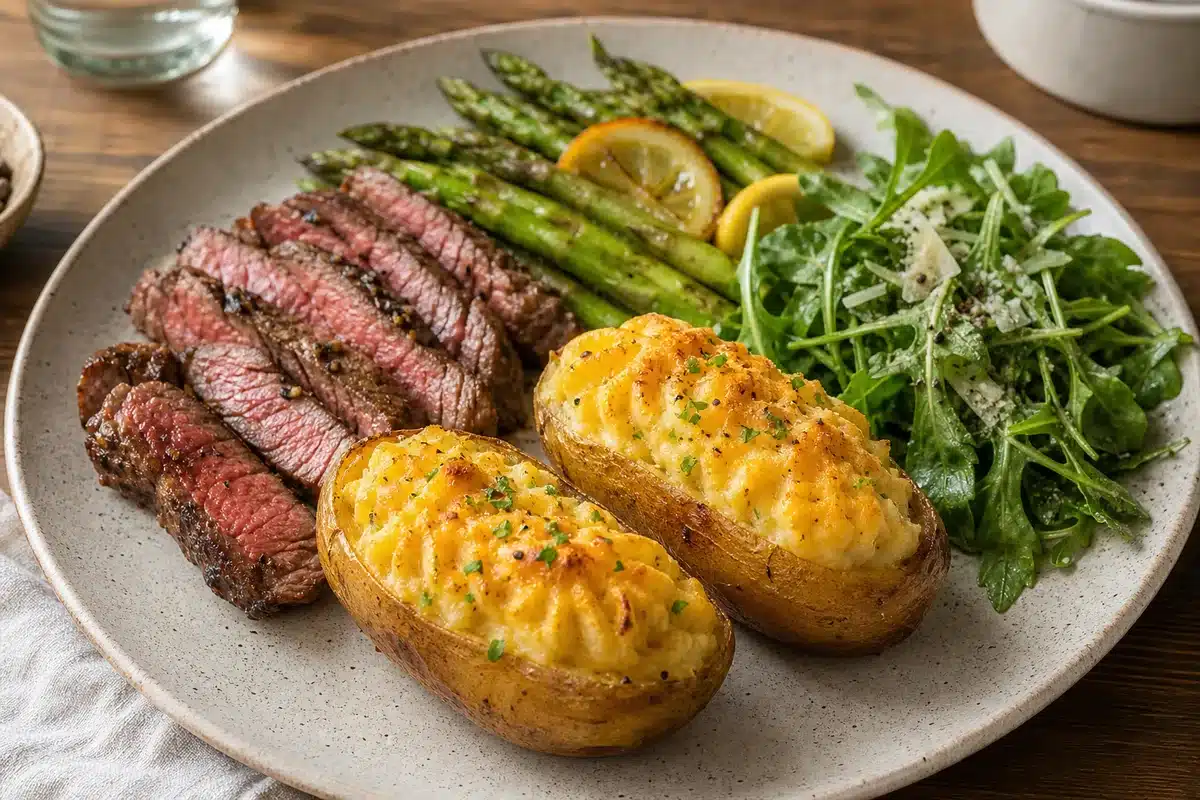
Steak is the best protein with twice baked potatoes, while lemon asparagus gives the best fresh balance for a plated dinner. Treat the potato as the starch, then add protein and one acidic or crisp vegetable at the same meal for balance.
Is the Twice Baked Potato the Side or the Main?
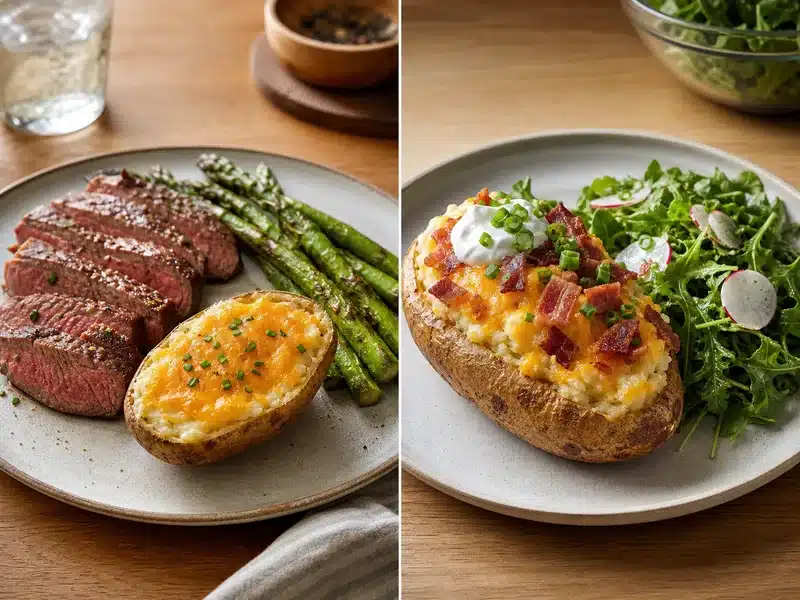
When It Is the Side
Use one small potato half beside steak, chicken, salmon, pork tenderloin, or another clear main protein. The potato replaces rolls, rice, and pasta because its filling already adds dairy and richness.
Add one green vegetable if the plate needs color and crisp texture. Asparagus, broccoli, green beans, or salad keeps the meal from becoming beige and soft.
When It Is the Main Dish
A large twice baked potato can lead dinner when it contains cheese, vegetables, beans, or a modest amount of meat. In that case, choose arugula salad, tomato cucumber salad, roasted broccoli, or cabbage slaw.
Serve one whole potato per adult when it is the main, then let guests add a fresh side. Extra steak, bread, and a casserole turn the meal into more food than the potato needs.
Start with firm potatoes that have dry skin and no green areas or deep soft spots. A stored potato that has gone soft will not hold its shell through the second bake.
A plain baked potato creates a different meal because it carries less dairy and seasoning. It can take a richer protein or sauce, while a twice baked potato needs simpler partners and more fresh vegetables.
For a lunch or casual gathering, offer two different salads instead of a protein platter. The potato stays warm and satisfying while the cold sides bring the missing acid and crunch.
What Goes Best With Twice Baked Potatoes?
Rank the partner by the job left open on the plate. Lean protein completes a small potato serving, while vegetables correct cheese, salt, and repeated soft texture.
| Rank | Side | Why it fits | Best for | Prep |
|---|---|---|---|---|
| 1 | Pan-seared steak | Firm seared meat contrasts with creamy filling | Classic dinner | Medium |
| 2 | Lemon asparagus | Acid and snap balance cheese and butter | Fresh balance | Easy |
| 3 | Herb roasted chicken | Mild roasted meat keeps dinner familiar | Family meal | Medium |
| 4 | Arugula salad | Peppery leaves lighten a loaded potato | Loaded potato main | Easy |
| 5 | Lemon salmon | Flaky bright fish suits a special dinner | Special dinner | Medium |
| 6 | Roasted broccoli | Crisp florets add a simple green side | Weeknight | Easy |
| 7 | Pork tenderloin | Lean slices keep the plate from feeling heavy | Lean protein | Medium |
| 8 | Skillet green beans | Fast crisp beans fit a weeknight meal | Fast vegetable | Easy |
| 9 | Garlic shrimp | Small seafood portions suit a potato half | Small potato half | Medium |
| 10 | Tomato cucumber salad | Cold juicy vegetables add fresh contrast | Hot weather | Easy |
| 11 | Roast beef | Rich meat uses the potato as its starch | Holiday meal | Medium |
| 12 | Cabbage slaw | Cold crunch works for casual serving | Casual lunch | Easy |
| 13 | Balsamic mushrooms | Savory vegetables make a meatless plate | Meatless plate | Easy |
| 14 | Roasted cauliflower | Mild florets add warmth without more starch | Mild green-free side | Easy |
1. Pan-Seared Steak
Steak and twice baked potatoes form a clear main-and-starch plate. A dark sear and firm meat texture stand apart from the soft cheese filling.

Use a modest steak portion because the potato is already filling. Add asparagus or salad when the dinner needs a fresh edge.
2. Lemon Asparagus
Asparagus gives the plate a firm green bite and lemon cuts through butter, sour cream, and cheese at the table. It also cooks quickly while the potatoes finish their second bake.
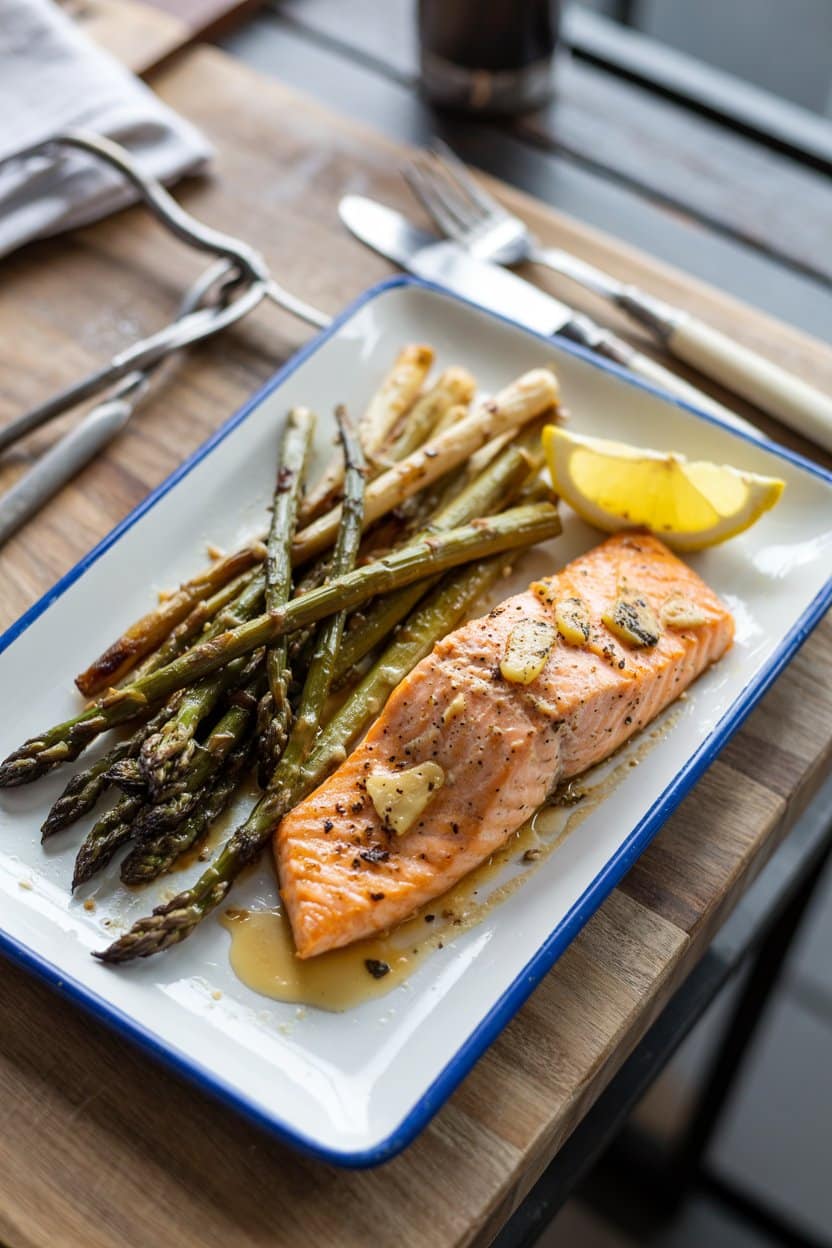
Roast or saute it with little added fat. A thick cheese sauce would repeat the potato filling.
Choose asparagus with firm stalks and closed tips, especially when shopping before the weekend. Older spears bend and steam instead of giving the plate a clean snap.
3. Herb Roasted Chicken
Roasted chicken adds familiar protein without another sauce.
Lemon, thyme, or rosemary works better than a sweet glaze beside a rich potato. This pairing suits a family dinner and scales easily.
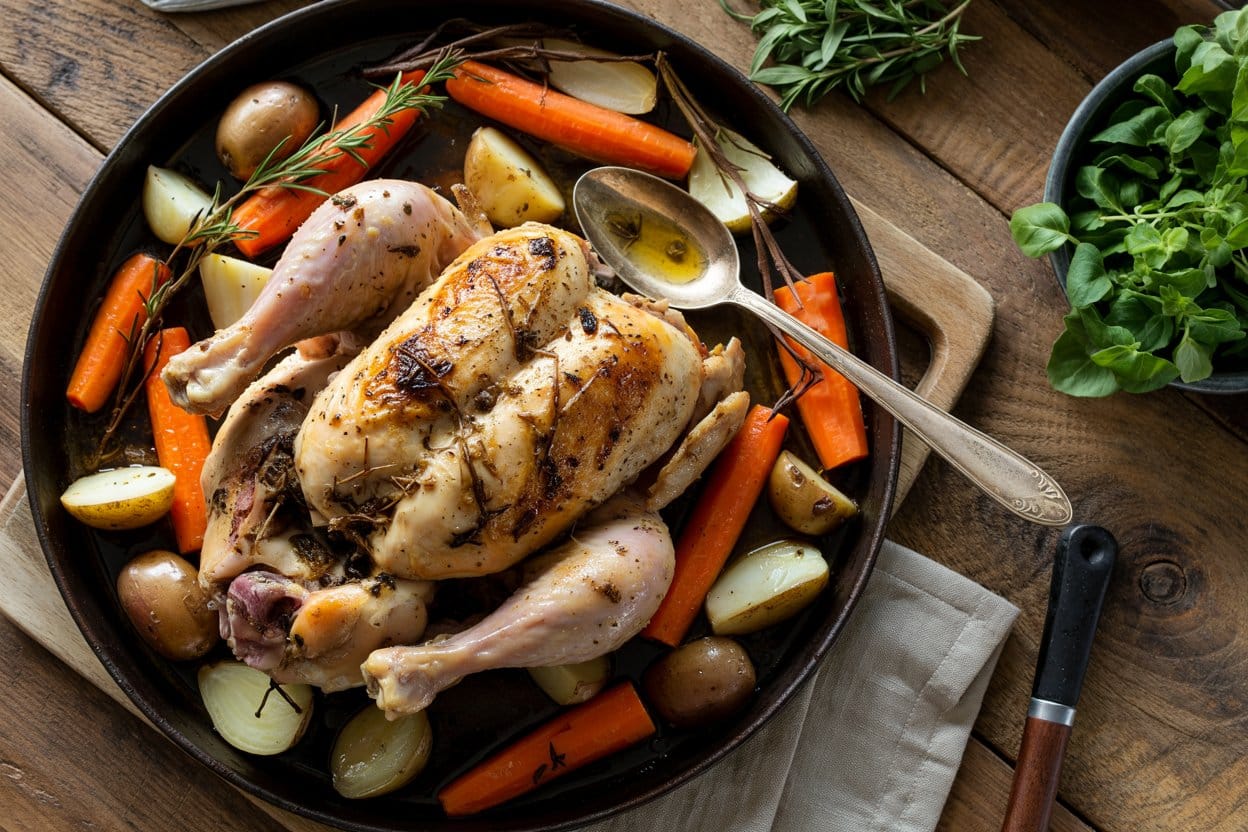
Choose skinless breast for a lighter plate or a small thigh when you want more flavor.
4. Arugula Salad
Arugula has a peppery bite that makes cheese and potato taste less heavy. Lemon vinaigrette or wine vinegar adds the sharp contrast the main dish lacks.

Use this when a large potato is the meal. Dress the leaves just before serving so they stay crisp beside the hot filling.
5. Lemon Salmon
Salmon adds rich protein, so lemon and fresh herbs are important. The fish gives the plate color and a flaky texture without competing with the potato seasoning.
Serve a smaller potato half with salmon. A large loaded potato plus a large fillet can feel too dense.
Salmon tastes buttery and full, so a bacon-heavy or extra-cheesy potato repeats too much richness. Keep the filling closer to chives, yogurt, and a modest amount of cheese.
Trout makes a close salmon substitute when you want similar texture in a smaller fillet. Cod is leaner and allows a slightly richer potato filling.
6. Roasted Broccoli
Broccoli brings crisp florets, browned edges, and a mild bitter note. It can roast on a separate pan while the potatoes warm through.
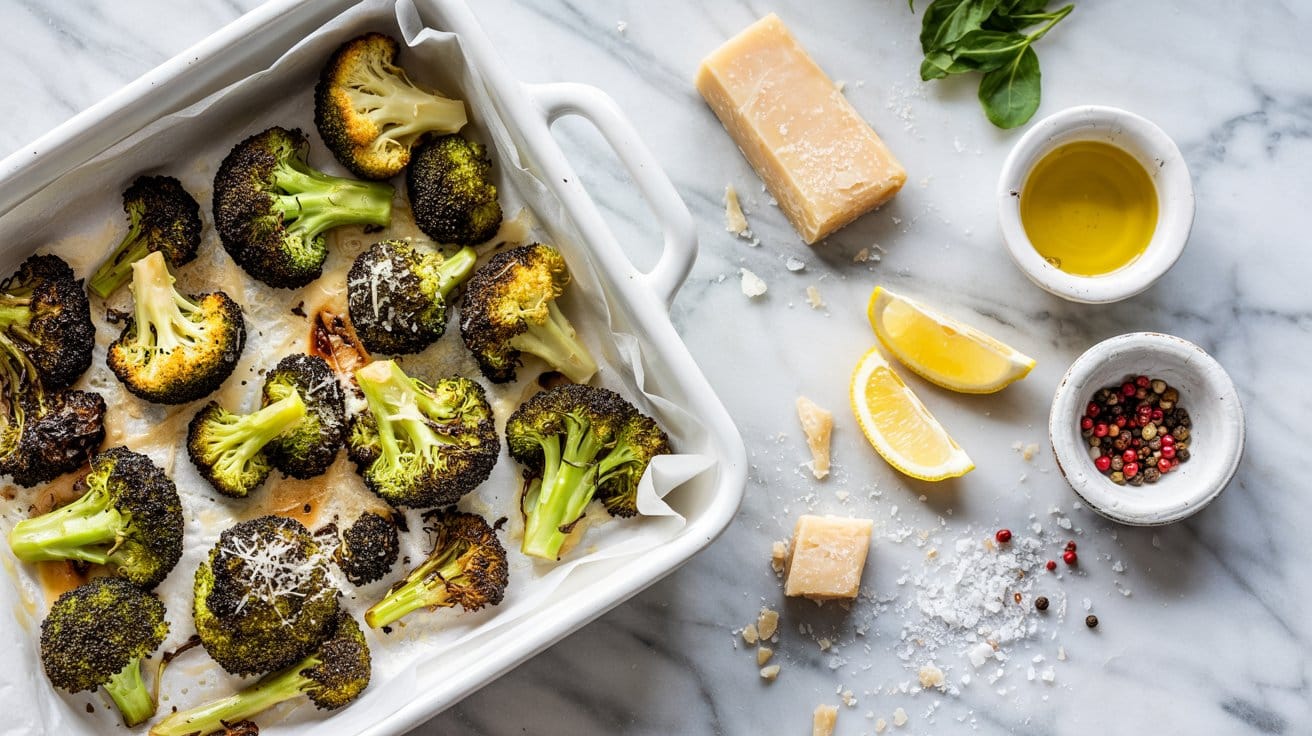
Finish with lemon instead of grated cheese. The potato already carries enough dairy for both dishes.
Broccolini is a good broccoli substitute when oven time is short because its thin stems cook faster. Green beans work for diners who prefer less bitterness.
7. Pork Tenderloin
Pork tenderloin is lean, mild, and easy to slice for a plated dinner.
Mustard or apple vinegar gives it flavor without a heavy cream sauce. This pairing works well for guests because both foods portion cleanly.
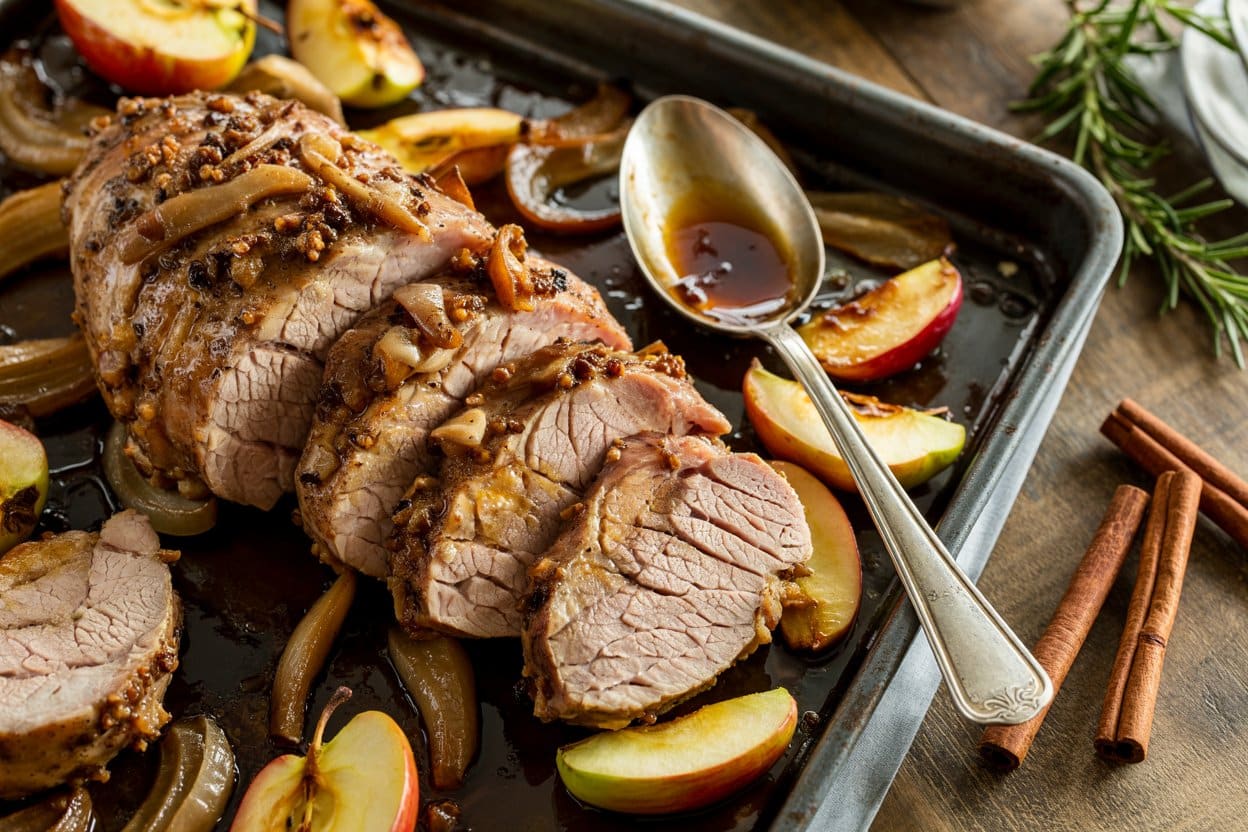
Keep sweet glaze light if bacon or sweet toppings fill the potato.
Add a green vegetable when pork tenderloin is the main, since the potato already fills the starch role. The rest of the meal should add freshness instead of another casserole.
8. Skillet Green Beans
Green beans stay crisp and need only lemon, pepper, and a small amount of oil.
Their clean flavor gives a cheese-filled potato room to lead. They suit a busy weeknight because they cook in one pan.

Avoid bacon or fried onions when the potato already contains those toppings.
9. Garlic Shrimp
Shrimp turns a potato half into a complete dinner and brings a springy texture. Lemon and restrained garlic keep the combination clear.
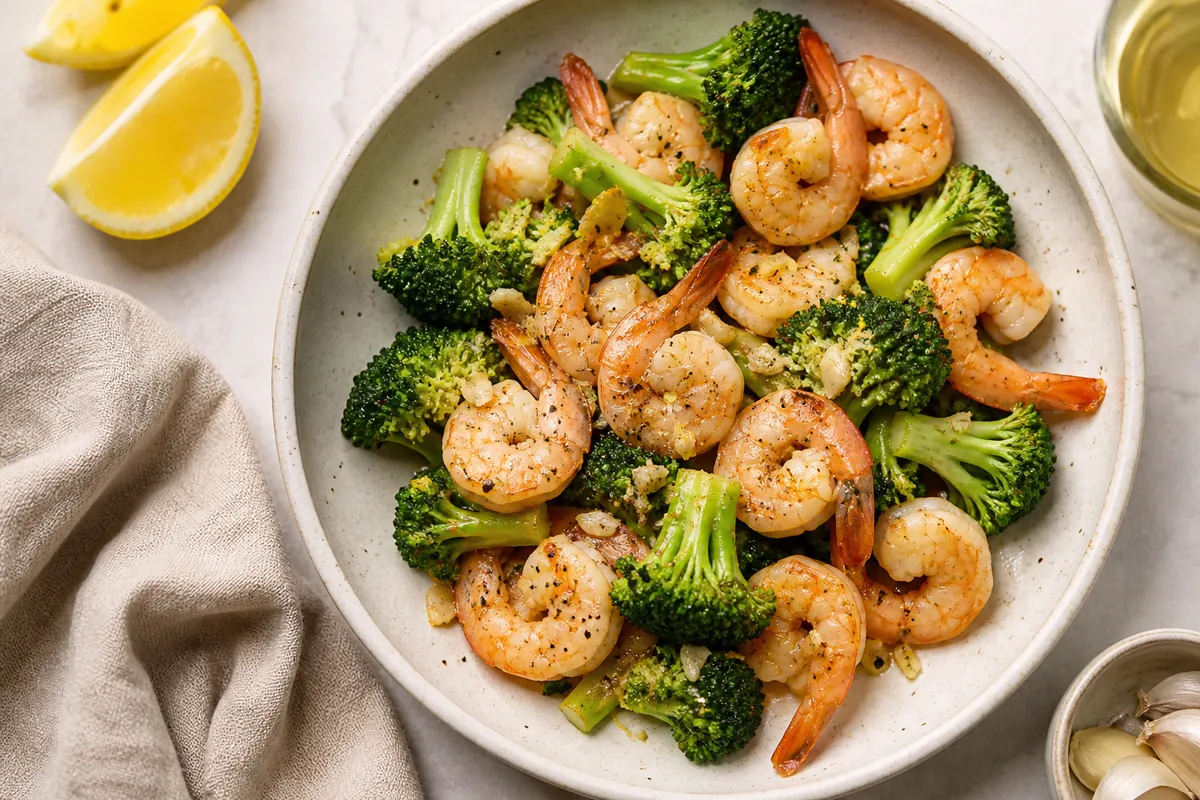
Cook shrimp last because they do not hold well. Use this side with a smaller potato and a simple salad.
10. Tomato Cucumber Salad
Tomato and cucumber add cold juice, vinegar, and crunch to the plate. The salad is especially useful in warm weather when a hot loaded potato feels substantial.
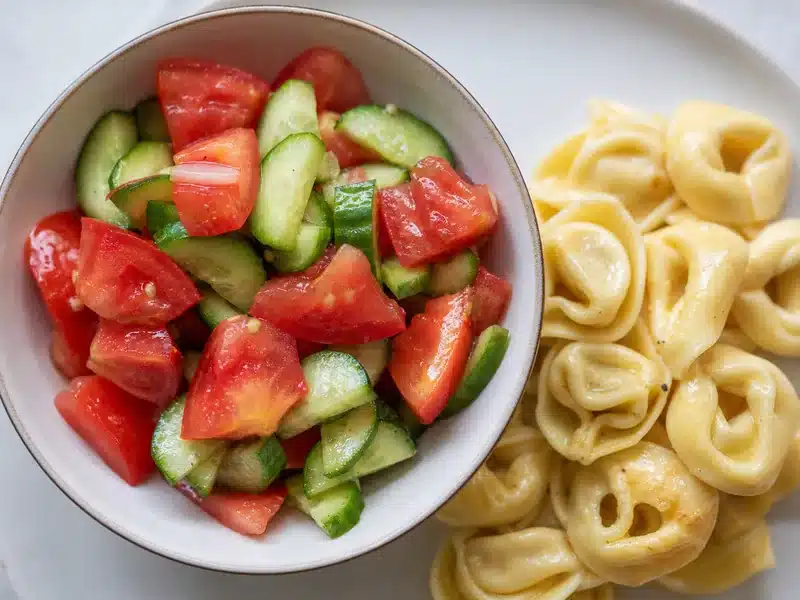
Serve it with a slotted spoon so liquid stays away from the potato skin. Salt near serving time to limit extra juice.
11. Roast Beef
Roast beef fits a holiday table and uses the potato as its creamy starch. Horseradish or mustard gives the meat the sharp note that connects both foods.
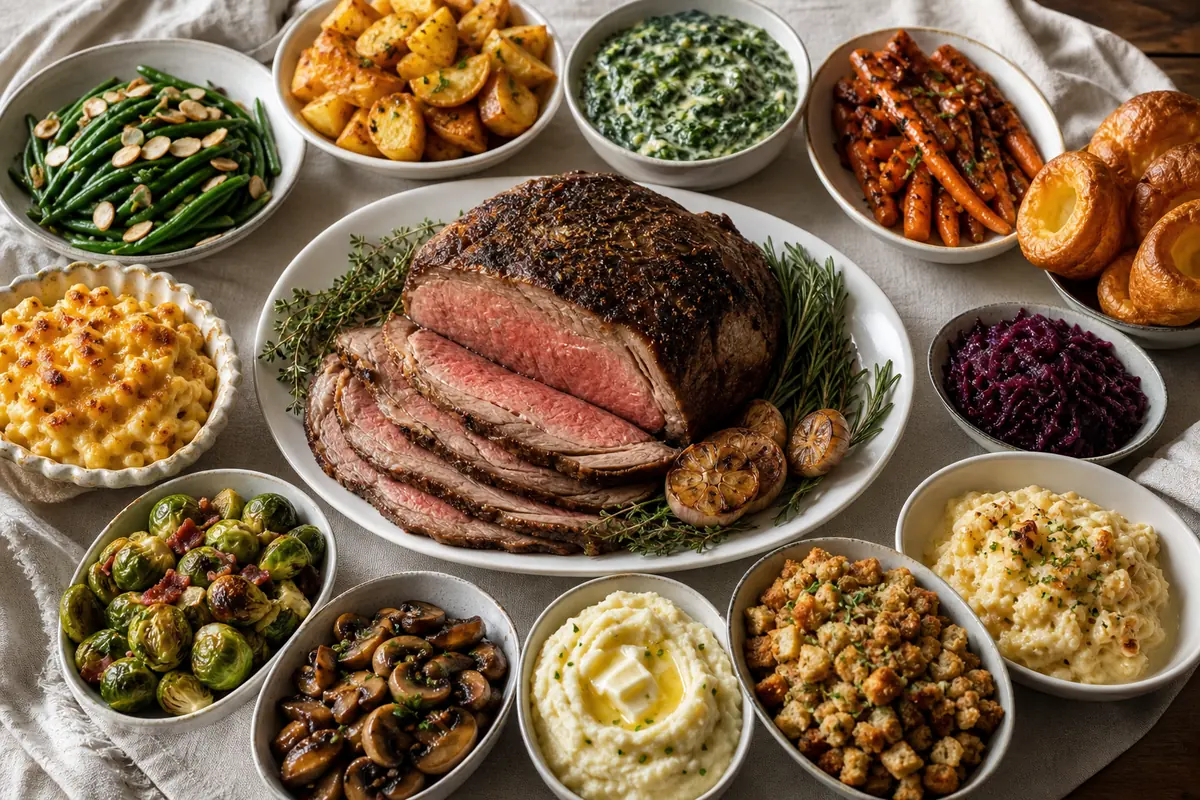
Keep gravy on the meat rather than flooding the potato. Add a green vegetable so the plate has more than two rich items.
For a larger roast beef dinner, choose one crisp vegetable and stop there. Bread, gratin, and a loaded potato would all compete for the same comfort-food role.
12. Cabbage Slaw
Slaw gives a loaded potato a cold, crisp partner and holds well for casual serving. Vinegar dressing is sharper and lighter than a sweet mayonnaise base.
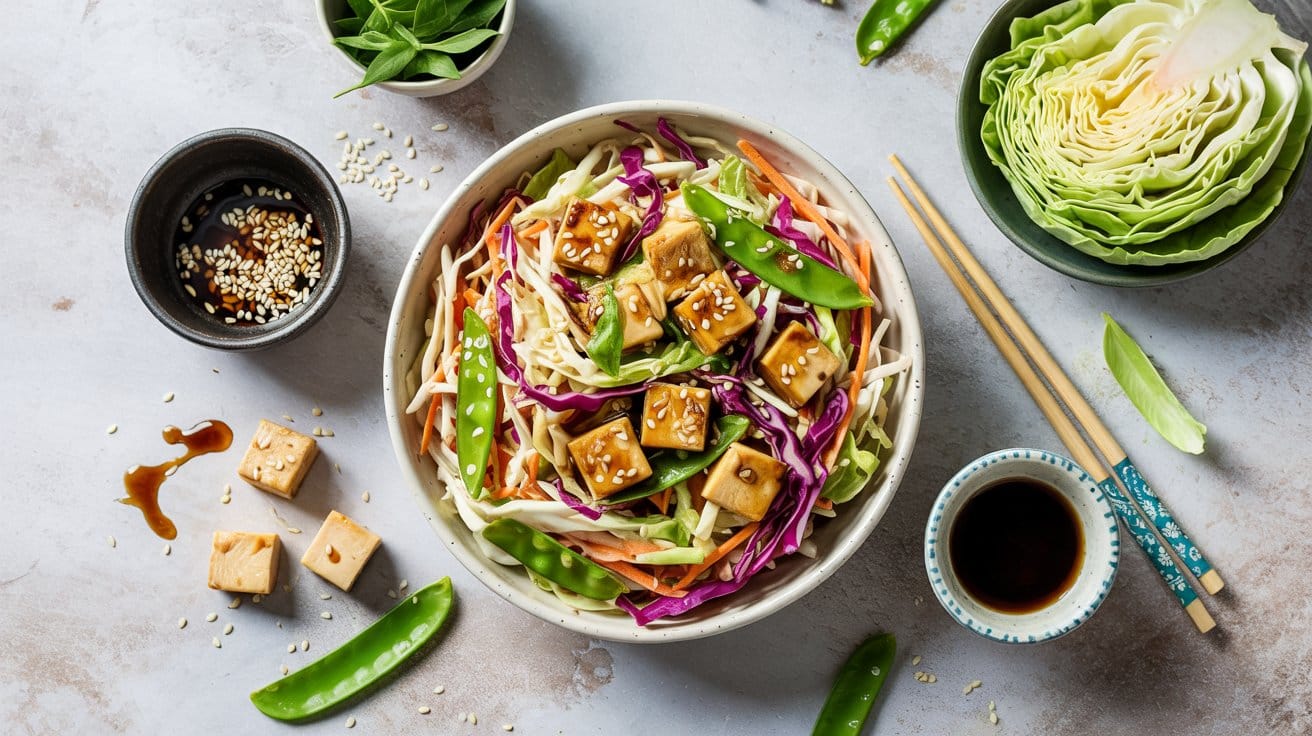
Use slaw when potatoes contain barbecue meat or beans.
Keep it separate until eating so the skin stays firm.
13. Balsamic Mushrooms
Mushrooms add browned savory flavor to a meatless plate. Balsamic vinegar gives them enough acidity to stand beside cheese and sour cream.
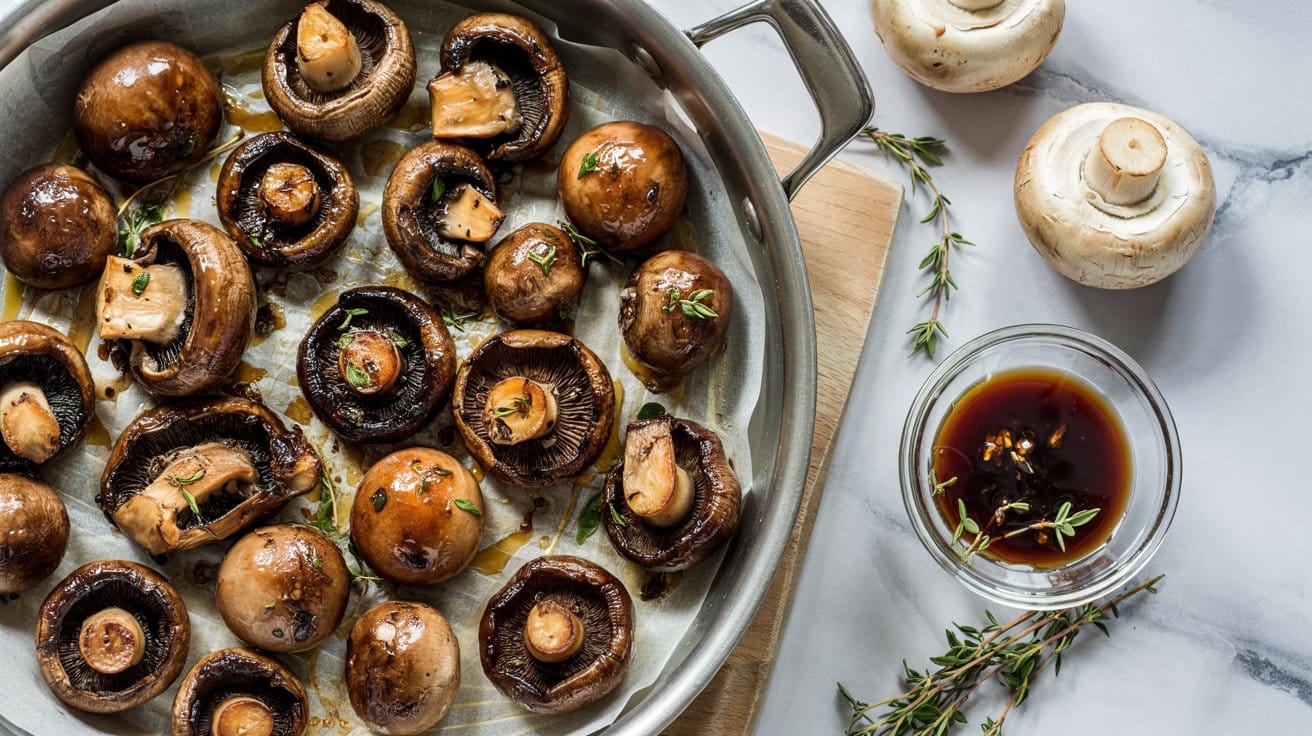
Cook them in a wide pan so they brown instead of steam. Add a green salad because mushrooms repeat the potato's soft center.
Their earthy flavor makes the meal feel more savory without adding meat, but a large serving can darken the whole plate. Treat mushrooms as a warm accent beside a bright salad.
14. Roasted Cauliflower
Cauliflower offers nutty edges and a mild center without another starch.
Paprika, parsley, and lemon keep the pale plate from looking flat. This side suits diners who want a warm vegetable but dislike bitter greens.
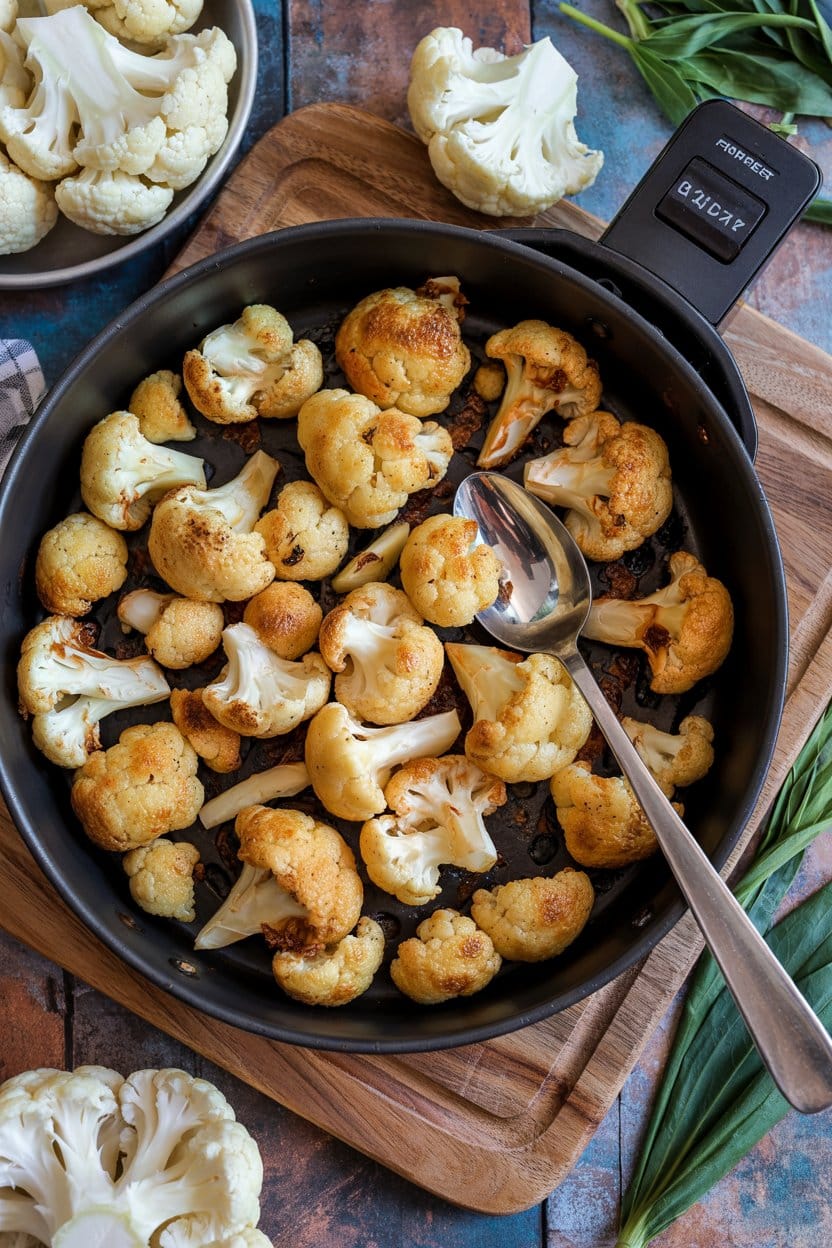
Give the florets space for crisp browning.
Cut cauliflower can wait in the refrigerator for early prep if the surface stays dry. Damp florets steam, turn soft, and repeat the potato texture.
How Do You Keep the Plate From Feeling Too Rich?
Correct the filling instead of adding more comfort food. Cheese, butter, sour cream, and potato already cover fat, salt, starch, and soft texture.
Acid clears the dairy coating, while crisp vegetables interrupt repeated soft bites. Lean meat helps when the potato is a side, but it should not arrive under another creamy sauce.
- Too creamy: Add lemon asparagus or vinegar slaw.
- Too soft: Choose green beans, arugula, or crisp salad.
- Too salty: Use plain chicken and an unsalted vegetable.
- Too filling: Serve one potato half instead of a whole potato.
A simple plate uses one potato half, one palm-size protein portion, and one generous green vegetable. When the potato is the main, remove the protein and double the fresh side.
Temperature can also change how rich the filling feels. Serve the potato hot and the salad cool, since two lukewarm soft foods make the meal seem heavier than their ingredients suggest.
Keep sauces on the protein instead of pouring them over the potato. This protects the crisp skin and lets guests control how much gravy, butter, or dressing reaches the cheese filling.
For a buffet, set small potato halves near the protein and place salads at the end. Guests can see that the potato is the starch before they reach bread or other filling choices.
Leftovers stay more useful when potatoes and fresh sides are stored apart. Reheat the potato until hot, then add cold salad or newly cooked greens just before eating.
Look at the filling before choosing a vegetable. Bacon and cheddar need the sharpest greens, while a broccoli-filled potato can use tomato salad or simply cooked asparagus without repeating broccoli.
Texture matters as much as flavor. Crisp potato skin helps, but a soft steak sauce, soft mushrooms, and soft filling still need green beans or raw leaves to break up the plate.
For guests, offer lemon wedges and vinaigrette at the table instead of adding more sour cream. Diners can brighten rich bites without changing the filling for everyone.
If the potatoes vary in size, cut large ones into halves before serving. Equal portions make it easier to give each person enough protein and vegetables without leaving half a loaded potato untouched.
Save These Twice Baked Potato Pairings
Keep this side-versus-main guide ready for your next loaded potato dinner.
Twice Baked Potato Side Dish FAQ
What meat goes best with twice baked potatoes?
Pan-seared steak is the strongest match, while roasted chicken and pork tenderloin give you a lighter plate.
Can twice baked potatoes be a main dish?
Yes. Serve one large loaded potato with arugula salad, broccoli, slaw, or another sharp vegetable.
What vegetable goes with twice baked potatoes?
Lemon asparagus is the best choice because its firm texture and acid balance the cheese filling.
Should you serve bread with twice baked potatoes?
No. The potato already fills the starch role, so bread adds weight without solving a missing part of the meal.
What is a light side for loaded potatoes?
Arugula salad, tomato cucumber salad, cabbage slaw, or roasted broccoli adds freshness without another rich sauce.

Carrie is a food writer and editor with more than 15 years of experience. She has worked for some of the biggest names in the food industry, including Bon Appétit, Food & Wine, and Martha Stewart Living.
As the Editor in Chief of EpicureDelight, Carrie oversees all of the content on the site. She also manages the team of contributing writers and editors, who help to create delicious recipes, helpful tips, and informative articles that you’ll find on the site.
A native of the Chicago area, Carrie is passionate about all things food. She loves trying new restaurants and experimenting with new recipes in her kitchen. She’s also a graduate of the Culinary Institute of America, so she knows a thing or two about food!