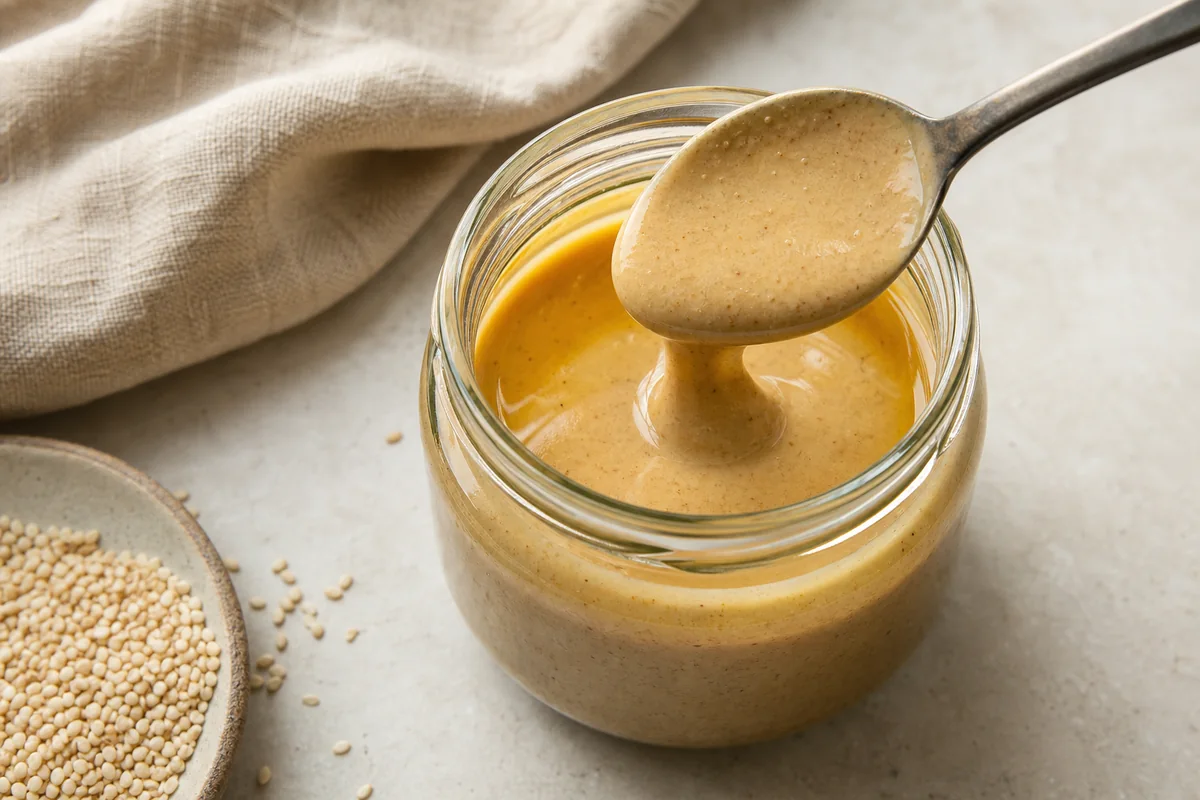
Most cooked beans taste mild, earthy, and lightly nutty, with a creamy or starchy center. Black beans can seem slightly sweet, white beans taste delicate, pinto beans lean earthy, and kidney beans keep a firmer skin and fuller flavor.
A bean should not stay chalky or hard in the middle. That texture usually points to undercooking, old dry beans, hard water, or acid added before the center softened.

Beans share an earthy starchy base, but their sweetness, skin, creaminess, and broth absorption differ. Judge them by variety and doneness before blaming the seasoning.
What Do Different Beans Taste Like?
Six plain bowls reveal why one description cannot fit every bean. The shared earthy base remains, but sweetness, skin thickness, center texture, and cooking broth push each variety in a different direction.
| Bean | Flavor | Texture | Useful dish role |
|---|---|---|---|
| Black bean | Earthy with light sweetness | Soft center and fine skin | Rice bowls, soup, salsa |
| Great Northern or cannellini | Mild and delicate | Creamy and smooth | Purees, pasta, greens |
| Pinto bean | Deep earthy and nutty | Soft and mashable | Refried beans, chili, tacos |
| Kidney bean | Full bean flavor with mild sweetness | Firm skin and dense center | Chili, salad, long-simmered sauce |
| Chickpea | Clearly nutty | Firm and slightly grainy | Salad, puree, roasting |
| Cranberry bean | Rich and chestnut-like | Velvety after cooking | Stew, braise, brothy dish |
White beans let rosemary, lemon, tomato, and sturdy greens remain clear because their own flavor stays quiet. Black and pinto beans welcome smoke, cumin, chili, and lime without disappearing.
Kidney beans keep their shape in a long-simmered pot, while pinto beans can break down and thicken the surrounding liquid. That texture difference often matters more than a small flavor difference.
These are broad comparisons. Fava beans keep a greener edge, while lima beans can taste more buttery.
Each detailed profile can go deeper without changing the general map here.
What Flavor Do Most Beans Share?
After the variety differences are visible, the common thread is easier to taste. Plain cooked beans begin with a soft earthy aroma and move into starch, mild sweetness, and a nutty finish.
The skin carries the first resistance
A thin skin gives way quickly, while a large kidney or chickpea keeps a clearer boundary around the center. Slight skin bitterness can be normal and becomes more obvious when the center is underseasoned.
The center supplies body
Cooked starch creates the creamy or fluffy middle. Small white beans can feel smooth throughout, while a chickpea has a firmer, more grain-like center.
The bean broth matters too. Dissolved starch, salt, aromatics, and fat cling to the surface and soak back into the beans as they cool.
The finish takes on the cooking liquid
Beans simmered in plain water taste cleaner than beans cooked with onion, garlic, bay, dried chili, or stock. Their mild base accepts those flavors without losing its earthy character.
Compared with lentils, many beans feel larger, creamier, and slower to break down. Compared with fresh peas, they taste less green and more starchy or nutty.
Why Do Beans Taste Chalky?
A bean can look wrinkled or split and still remain hard inside. Break one open or bite it so the center, not the clock, controls the decision.
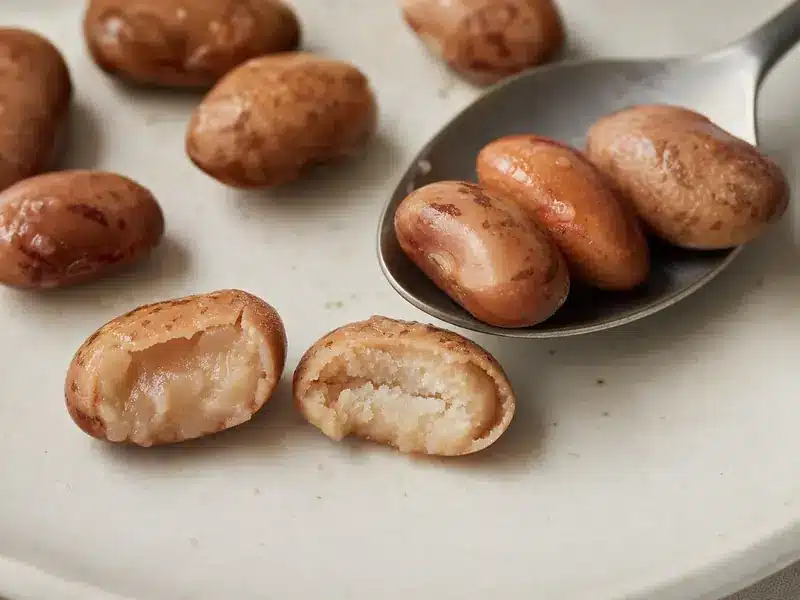
Repair the active pot
Keep undercooked beans in enough hot liquid and follow the cooking method for that variety. Test several beans because old or mixed batches can soften unevenly.
Hard boiling can tear skins before every center softens. Dried red kidney beans still require the full boiling step stated by trusted instructions before they continue at a gentler cook.
Prevent the same problem next time
Old dry beans lose moisture and may take much longer to hydrate. Mineral-rich water can also slow softening, while tomato, vinegar, lemon, and other strong acids are easier to add after tenderness develops.
Salt does not cause the same delay as a large early acid addition. Properly salted cooking liquid can season the center instead of leaving flavor only on the surface.
If hours of correct cooking leave the whole batch hard, replace the beans. Pushing the pot longer may destroy the skins without fixing old damaged centers.
How Do Canned and Dried Beans Taste Different?
Two bowls of the same variety can taste different because one spent months in packing liquid and the other absorbed a broth chosen by the cook.
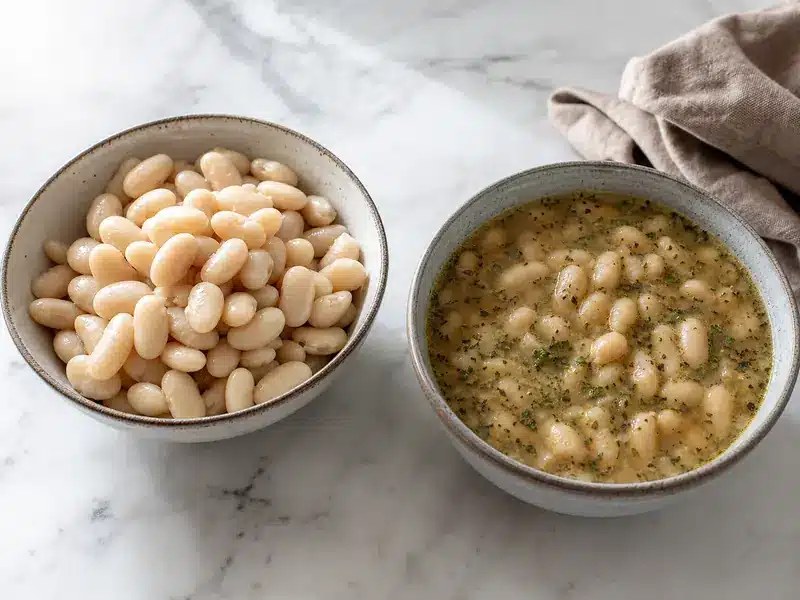
Rinsed canned beans taste cleaner
Packing liquid contains salt and released starch. Rinsing removes much of the surface liquid, which helps chilled bean salads, salsa, wraps, and dishes where the sauce should remain clear.
The can liquid can still have a job
Keep some liquid when its salt and thickness help a soup, stew, or puree. Taste it first because brand formulas vary and a full can may push the dish past the planned salt level.
Dry beans give more control
Beans cooked from dry absorb the chosen broth, aromatics, and salt as they soften. Their cooking liquid can become a flavorful sauce instead of a by-product.
Canned beans win on speed and consistency. Dry beans win when exact firmness and the flavor of the broth are central to the dish.
When Should You Season Beans?
Well-seasoned beans taste layered because different ingredients affect the center, surface, aroma, and finish at different times. Adding everything at the end often creates a salty coating around a bland middle.
Salt reaches the center
Season the cooking liquid enough that a tender bean tastes complete on its own. Add salty cured meat or concentrated stock with care because they continue releasing salt as the pot reduces.
Fat carries aroma
Olive oil, browned butter, or rendered fat carries garlic, onion, toasted spices, and chili across the tongue. Bloom dry spices in fat, or choose an appropriate red chili replacement, so the seasoning tastes rounder and less dusty.
Acid wakes up the finish
Lemon, lime, tomato, or vinegar brightens earthy flavors after the beans soften. Add a little, stir, and taste before more because acid also makes salt and chili feel sharper.
Fresh herbs arrive late
Bay and sturdy dried herbs can simmer, while parsley, cilantro, dill, and tender leaves keep more aroma when added near serving. Smoke should stay light around delicate white beans.
Cool leftover beans in some of their broth when possible. The liquid keeps the surface moist and gives salt and aromatics more time to settle evenly.
Why Do Beans Taste Bitter, Sour, Metallic, or Musty?
An unpleasant spoonful should be classified by the note that arrives first. Normal skin bitterness, burnt pot flavor, spoilage, and can problems need different decisions.
- Light skin bitterness: Balance it with salt, fat, or acid when the bean is otherwise tender and clean.
- Harsh burnt bitterness: Stop stirring and move the unscorched upper beans to a clean pot without scraping the bottom.
- Unexpected sourness or bubbling: Discard cooked beans when fermentation was not part of the recipe and storage history is uncertain.
- Metallic or chemical flavor: Check can condition and discard food from a leaking, swollen, deeply dented, or rusted container.
- Musty dry-bean odor: Reject the batch instead of trying to cover the smell with seasoning.
Do not taste beans that show mold, slime, damaged packaging, or an unsafe room-temperature history. Flavor repair belongs only to food that has already passed the safety check.
Which Bean Texture Fits the Dish?
Start with the finished bite rather than the bag that happens to be open. The right bean can thicken, stay whole, mash smooth, or carry a light broth without forcing the recipe to fight its texture.
For creamy dishes
White beans and soft pinto beans mash readily into soups, spreads, and sauces. Their starch thickens liquid and makes a small amount of fat feel richer.
For shape-holding dishes
Kidney beans, chickpeas, and some black beans keep a clear outline in salads, a bean-rich chili, and bowls. Add canned versions late so they do not break apart through repeated stirring.
For broth-thickening dishes
Pinto, cranberry, and other soft beans can release starch into stew. Black beans may also darken nearby rice or vegetables, which is useful in some bowls and distracting in pale soups.
The broad flavor map gets you to the right family. The specific bean page or package directions should control the exact cooking and safety method.
Sources
- Bean Institute guide to common bean varieties
- Bean Institute dry bean cooking method
- Bean Institute guide to bean broth and meal uses
Frequently Asked Questions
Why do my beans taste bitter?
A chalky undercooked center can seem bitter. Scorched liquid, too much dried herb, or a damaged batch can also add harshness.
Which common bean tastes mildest?
Great Northern and navy beans are among the mildest choices. Cannellini beans are also gentle but feel larger and creamier.
Do canned beans taste different from dry beans?
Yes. Canned beans often carry salt and starch from packing liquid, while dry beans absorb more flavor from their cooking broth.
Which beans taste sweetest?
Black beans can have a light natural sweetness. Baked beans taste much sweeter because their sauce often contains sugar or molasses.
Should cooked beans be crunchy?
No. A properly cooked dry bean should be tender through the center. A firm skin may hold its shape, but the inside should not crunch.

Carrie is a food writer and editor with more than 15 years of experience. She has worked for some of the biggest names in the food industry, including Bon Appétit, Food & Wine, and Martha Stewart Living.
As the Editor in Chief of EpicureDelight, Carrie oversees all of the content on the site. She also manages the team of contributing writers and editors, who help to create delicious recipes, helpful tips, and informative articles that you’ll find on the site.
A native of the Chicago area, Carrie is passionate about all things food. She loves trying new restaurants and experimenting with new recipes in her kitchen. She’s also a graduate of the Culinary Institute of America, so she knows a thing or two about food!