Spaetzle are small, soft egg noodles pressed through a colander or spaetzle maker directly into boiling salted water.
Originating in Swabian cuisine in southwestern Germany, they have been a staple on German tables for centuries, typically made from just flour, eggs, salt, and a splash of sparkling water.
They are chewy, slightly golden when pan-fried in butter, and rich enough to anchor a full meal on their own.
The question most home cooks run into is what to put alongside them. Spaetzle are hearty but neutral enough to work with bold, acidic, or vegetal sides, which makes the pairing decisions both flexible and occasionally overwhelming.
Classic German accompaniments include Rotkohl (braised red cabbage), Sauerkraut, and Bratkartoffeln (pan-fried potatoes), all of which appear regularly on Swabian dinner tables next to a plate of spaetzle. If you have been pairing spaetzle with the same sides out of habit, this list is worth a look.
We rounded up roast beef side dish ideas and applied the same pairing logic here.
Below are 12 sides that actually work with spaetzle, with practical tips to make each one count.
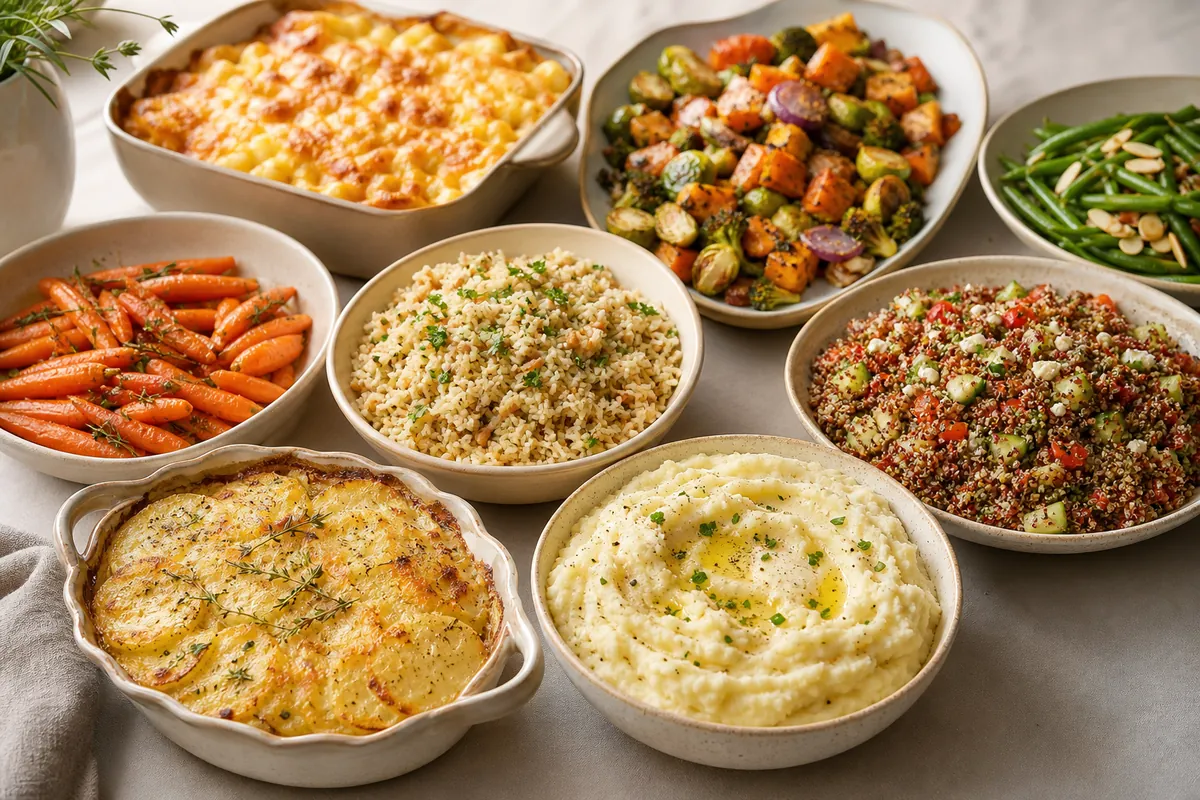
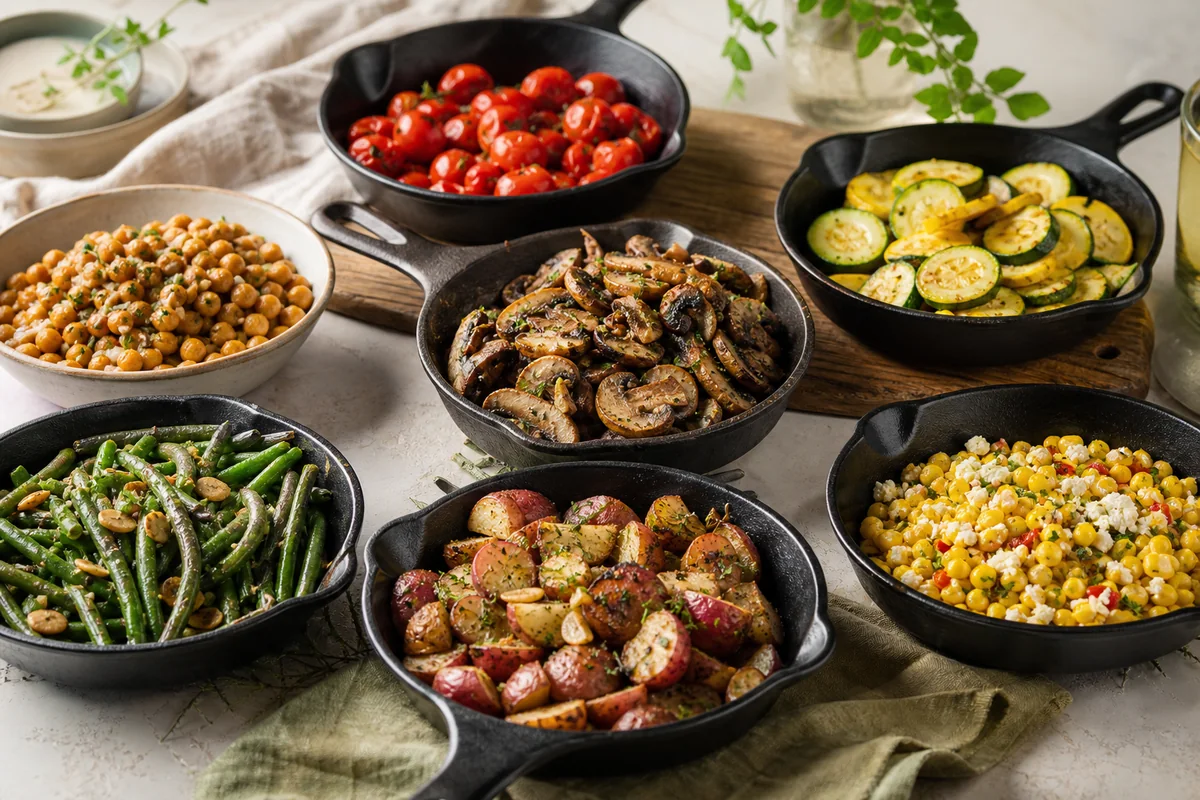
Spaetzle pairs well with roasted vegetables, sautéed greens, fried onions, and traditional German sides like Rotkohl and Sauerkraut. Starchy options like baked potatoes and steamed rice round out heavier mains, while fruit salad or a crisp green salad add contrast after a rich plate.
12 Perfect Side Dishes to Serve with Spaetzle
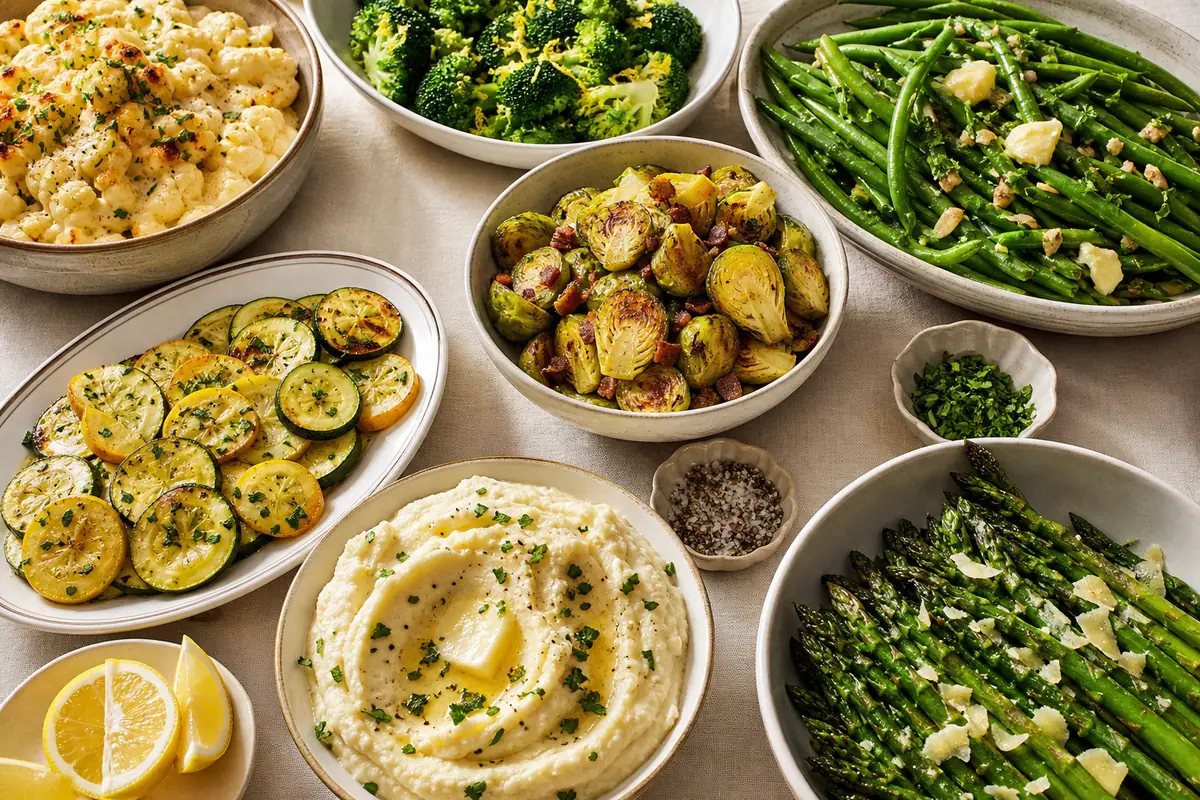
1. Roasted Vegetables
Roasted vegetables are one of the most straightforward sides you can make, and the high heat of the oven does most of the work.
Toss your choice of vegetables in a tablespoon of oil, season generously with salt and pepper, and roast at 425°F for 20 to 25 minutes until the edges caramelize.
Root vegetables like carrots, parsnips, and beets hold up especially well next to the soft texture of spaetzle. Cruciferous options like cauliflower and broccoli char quickly at the tips, adding a slightly bitter, smoky note that offsets the richness of buttered noodles.
A few ways to take roasted vegetables further:
- Add fresh herbs: Thyme, rosemary, or flat-leaf parsley tossed in after roasting keep their brightness and add aroma.
- Finish with a drizzle: A splash of balsamic vinegar or a squeeze of lemon right before serving lifts all the other flavors.
- Top with texture: A handful of toasted pine nuts or shaved Parmesan adds crunch without overwhelming the plate.
2. Sautéed Greens
Sautéed greens bring real contrast to a plate of spaetzle, and the bitterness in many greens is exactly what cuts through the buttery richness of the noodles.
Bitter varieties like arugula, radicchio, and dandelion greens get their sharpness from compounds called glucosinolates, which mellow slightly with heat.
Astringent greens contain tannins, the same compounds found in red wine and tea, that give your mouth a dry, slightly puckering sensation. That quality actually works well here, cleaning the palate between bites of the richer main.
Pat your greens completely dry before they go into the pan. Wet greens steam rather than sauté, and you lose that quick, slightly charred edge that makes the dish interesting.
Use a fat that can handle strong flavor: olive oil, bacon fat, ghee, or butter all work. Heat the fat over medium-high, add the greens, season with salt and pepper, and cook until just wilted, which takes roughly 3 to 4 minutes.
Serve immediately.
Always dry greens thoroughly before sautéing. A salad spinner followed by a pat with a clean towel removes enough moisture to get a proper sauté rather than a steam.
3. Salad
A crisp green salad is the simplest way to add freshness to a spaetzle dinner. The lightness of raw greens offsets the dense, eggy noodles without competing for attention on the plate.
Spinach, arugula, and butter lettuce all work well, and adding diced apple or toasted walnuts gives both sweetness and crunch. If you are looking for salad ideas that stand up to heavier mains, the same logic applies to corned beef salad pairings.
Keep the dressing simple and acidic. A classic Dijon vinaigrette, whisked together with white wine vinegar, a teaspoon of mustard, and good olive oil, pairs well without drowning the greens.
4. Baked Potato
A baked potato is a low-effort side that brings genuine substance to the table. The fluffy interior absorbs toppings well, and the crispy skin adds texture that spaetzle does not provide on its own.
The method matters. Rub each potato with oil, season with salt, and bake at 400°F for 50 to 60 minutes, pricking them first with a fork so steam escapes evenly.
- Classic topping: Sour cream, sharp cheddar, and chives stay simple and pair well with spaetzle seasoned in brown butter.
- Savory upgrade: Crumbled bacon and caramelized onions echo the fried onion toppings traditional to Swabian spaetzle.
- Lighter option: A spoonful of Greek yogurt instead of sour cream keeps the richness in check.
- Timing tip: Let the potatoes rest for 5 minutes after pulling from the oven before slicing, so the interior stays fluffy rather than gummy.
- Serve immediately: Baked potatoes lose their crisp skin quickly once cut, so plate them at the last minute.
5. Mashed Potatoes
Mashed potatoes alongside spaetzle might seem like doubling up on starch, and in many contexts it would be.
Here, though, the creaminess of mashed potatoes provides a different texture than chewy spaetzle noodles, making the combination work when served with a saucy main like Beef Goulash (Gulasch).
Use Yukon Gold potatoes for the best result. They have a naturally buttery flavor and lower starch content than Russets, so they mash to a smooth, velvety consistency without turning gluey.
Cook the potatoes until completely tender, drain thoroughly, and mash while still hot. Add butter and warm cream in stages rather than all at once.
For extra flavor, stir in roasted garlic or a pinch of freshly grated nutmeg before serving.
6. Steamed Rice
Steamed rice is a neutral side that works especially well when spaetzle is the starch component of a dish rather than the main event. Its mild, clean flavor absorbs sauces without competing with the egg-rich noodles.
Cooking rice in chicken or beef broth instead of water adds depth with zero extra effort. A ratio of 1 cup rice to 1.75 cups broth gives consistent results in a covered pot over low heat for 18 minutes.
Stir in two or three garlic cloves or a few slices of fresh ginger before bringing the liquid to a boil. They will infuse the rice as it cooks and can be removed before serving.
A handful of fresh herbs folded in just before plating keeps things bright. You can find more air fryer veggie sides that pair just as well with grain-based meals.
7. Roasted Potatoes
Roasted potatoes deliver what mashed potatoes do not: a crispy exterior with a fluffy center. That textural contrast is exactly what a soft plate of spaetzle needs when you want something more substantial alongside it.
Cut potatoes into even 1-inch chunks so they roast at the same rate. Toss them in oil, spread them in a single layer on a sheet pan with space between each piece, and roast at 425°F for 30 to 35 minutes, flipping once halfway through.
Rosemary and thyme added before roasting crisp up nicely in the oven and add a herby aroma. Scatter a few unpeeled garlic cloves across the pan, and they will turn soft and sweet by the time the potatoes are done.
Season generously with flaky salt right as they come out of the oven.
For even more vegetable-forward pairing ideas, Mediterranean veggie sides with garlic and herbs follow the same high-heat roasting logic and work equally well.
8. Fried Onions
Fried onions are not just a topping in German cuisine. Alongside pan-fried spaetzle, they appear as a proper side in their own right, piled on top or served separately with dishes like Käsespätzle, the cheesy baked version of spaetzle.
Fresh yellow onions work better than pre-sliced frozen rings here. Slice them thin, about 3mm, so they cook evenly and caramelize rather than just soften.
Use a neutral oil or clarified butter with a high smoke point to keep the onions frying rather than steaming. Season well with salt before they go into the pan, which draws out moisture and speeds caramelization.
Cook over medium-high heat for 12 to 15 minutes, stirring frequently, until deep golden and sweet. A splash of apple cider vinegar at the end adds a sharp note that pairs well with a rich spaetzle dish.
Do not crowd the pan when frying onions. Too many onions at once trap steam and turn the batch soft and pale instead of golden and crispy. Work in batches if needed.
9. Garlic Bread
Garlic bread is a reliable side when spaetzle is served with a saucy main like beef goulash, because the bread handles the extra sauce on the plate. A sturdy loaf is essential.
Use a crusty baguette or sourdough, sliced thick enough to hold its structure when spread with garlic butter.
For the butter, soften it at room temperature and mix in 3 to 4 cloves of minced garlic per 4 tablespoons of butter. Add a pinch of flaky salt and fresh thyme or oregano.
Spread generously, wrap in foil, and bake at 375°F for 15 minutes, then open the foil and broil for 2 to 3 minutes to crisp the top.
Grated Parmesan mixed into the butter before spreading adds a salty, nutty depth. Serve it hot, straight from the oven, because the crust softens quickly once it cools.
10. Corn on the Cob
Corn on the cob is a seasonal side that brings genuine sweetness and a snappy crunch to a spaetzle dinner. It is best in late summer when ears are freshly picked and the kernels are plump and milky.
Boil corn in unsalted water for 4 to 5 minutes, or grill over medium-high heat for 8 to 10 minutes, turning every 2 minutes for even char. A few ways to make it more interesting:
- Spiced butter: Mix smoked paprika and a pinch of cayenne into softened butter for a warm, earthy rub that complements spaetzle seasoned with nutmeg.
- Cheesy finish: Roll the hot corn in grated Parmesan right after cooking for a salty, savory crust.
- Fresh herb topping: Chopped chives or flat-leaf parsley scattered over buttered corn keeps things bright and adds color to the plate.
11. Rolls and Butter
Soft rolls with good butter are the kind of simple side that rounds out a meal without demanding attention. In German households, Brötchen (small bread rolls) appear at nearly every dinner table, often served alongside hearty noodle dishes like spaetzle.
A yeast-leavened roll has better structure and flavor than a quick-bread version. The fermentation adds a mild tang and keeps the rolls light, not dense.
Brush each roll with melted butter before baking at 375°F for 18 to 20 minutes for a golden, slightly crisp exterior with a soft, fluffy interior.
For the butter, compound options work especially well here. A mix of softened butter with a pinch of flaky salt and fresh chives takes 2 minutes to prepare.
If you are serving rolls as part of a larger spread, arrange them in a lined basket and keep them covered with a clean towel to hold warmth. If you need ideas for sides that work across a range of mains, high-fiber sides that actually taste good pair just as naturally with bread-heavy tables.
12. Fruit Salad
A fruit salad is the one side on this list that actively cuts through richness rather than adding to it. After a hearty plate of spaetzle, particularly the buttered or cheesy variety, bright, acidic fruit resets the palate completely.
Pair juicy summer berries with crisp, diced apple or ripe peach slices. The contrast of textures, soft against firm, keeps each bite interesting.
A citrus dressing made from fresh orange juice, a teaspoon of honey, and a few mint leaves tossed through the fruit just before serving ties everything together without making it feel overly sweet. The same approach to light dressings applies to fish salad dressings, where balance between acid and sweetness is equally important.
- Use seasonal fruit: In-season fruit at peak ripeness needs no added sugar and holds its texture better after cutting.
- Cut into bite-sized pieces: Uniform 1-inch chunks make the salad easy to serve and eat alongside the main plate.
- Add color: A few fresh mint leaves or edible flowers tucked in before serving brighten the presentation without effort.
- Temperature matters: Serve chilled in warm weather or at room temperature in cooler months so the fruit flavor comes through fully.

Carrie is a food writer and editor with more than 15 years of experience. She has worked for some of the biggest names in the food industry, including Bon Appétit, Food & Wine, and Martha Stewart Living.
As the Editor in Chief of EpicureDelight, Carrie oversees all of the content on the site. She also manages the team of contributing writers and editors, who help to create delicious recipes, helpful tips, and informative articles that you’ll find on the site.
A native of the Chicago area, Carrie is passionate about all things food. She loves trying new restaurants and experimenting with new recipes in her kitchen. She’s also a graduate of the Culinary Institute of America, so she knows a thing or two about food!