Roast beef is a centerpiece worth building a whole meal around. The meat does most of the work - deep, savory, and rich from a long roast - but the sides are what turn dinner into something memorable.
The right side dishes do two things: they cut through the richness of the beef and give your guests something to come back to between bites. Contrast is the goal. A bright vegetable, a starchy base, something with a touch of acidity.
For a classic Sunday roast, roast beef traditionally pairs with roast potatoes, Yorkshire pudding, and a proper gravy - a combination that has held up for good reason.
If you're planning a warmer-weather spread, our guide to roast beef in summer sides covers lighter options that work just as well.
This list covers 12 sides that work across occasions, from holiday dinners to casual Sunday meals. Some are classics, a few are unexpected, and all of them complement roast beef without overpowering it.
Roast beef pairs best with sides that offer contrast in texture and flavor. Classic picks include roast potatoes, Yorkshire pudding, creamed spinach, and honey glazed carrots. Rounding out the meal with a sharp horseradish sauce or tangy cranberry sauce helps balance the richness of the beef.
12 Best Side Dishes for Roast Beef
1. Roasted Brussels Sprouts with Bacon and Pecans
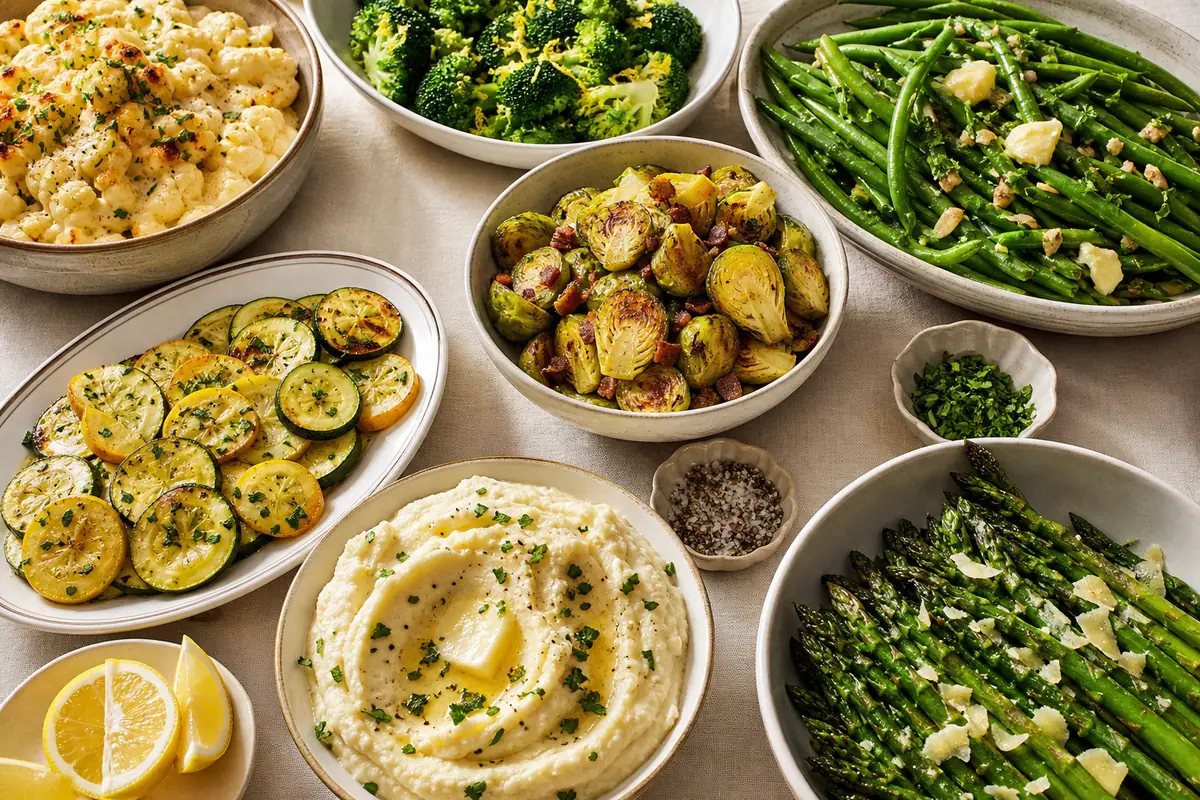
Brussels sprouts get a bad reputation, but roasting them at 425°F for 20 to 25 minutes transforms them completely - crispy-edged on the outside, tender in the center.
Tossing them in bacon fat before they go in the oven adds a layer of smokiness that works beautifully against the savory depth of roast beef.
The pecans add a buttery crunch that keeps every bite interesting. Add them in the last 5 minutes of roasting so they toast without burning.
If you want to finish the dish with something sharp, crumbled goat cheese over the top right before serving adds a tangy contrast. A squeeze of fresh lemon juice is a simpler option that does the same job.
Do not crowd the pan when roasting Brussels sprouts. A single layer with space between each sprout gives you crispy edges instead of steamed, soft ones.
2. Roasted Sweet Potatoes with Marshmallows
Sweet potatoes bring a natural earthiness that pairs well with roast beef, and roasting them concentrates that flavor significantly. Cut them into 1-inch cubes for even cooking and more caramelized surface area.
Fresh sweet potatoes roast far better than frozen or canned. They hold their shape, caramelize properly, and give you that soft, fluffy interior under the golden edges.
The marshmallow topping goes on in the last 5 minutes under the broiler - just enough to toast them golden without melting them into a sticky mess.
A sprinkle of chopped green onions over the finished dish adds a pop of color and a mild sharpness that keeps the sweetness from feeling heavy.
3. Creamed Spinach
Creamed spinach is one of the most underrated sides for roast beef. The velvety texture and mild, slightly nutty flavor from the Parmesan provide a quiet richness that complements the beef without competing with it.
The base is simple: sautéed garlic, a full bag of fresh spinach wilted down, then milk, cream cheese, and Parmesan added and blended smooth. An immersion blender gives you the silkiest result with almost no effort.
Here's how to make it:
- Sauté garlic: Cook 2-3 cloves of chopped garlic in olive oil over medium heat for about 1 minute until fragrant.
- Wilt the spinach: Add a large bag of fresh spinach leaves and cook, stirring, until fully wilted - about 3 minutes.
- Add the dairy: Pour in a splash of milk and add 2 ounces of cream cheese, stirring until melted and combined.
- Finish and blend: Stir in Parmesan and salt to taste, then use an immersion blender to blend until smooth and velvety.
4. Mashed Potatoes
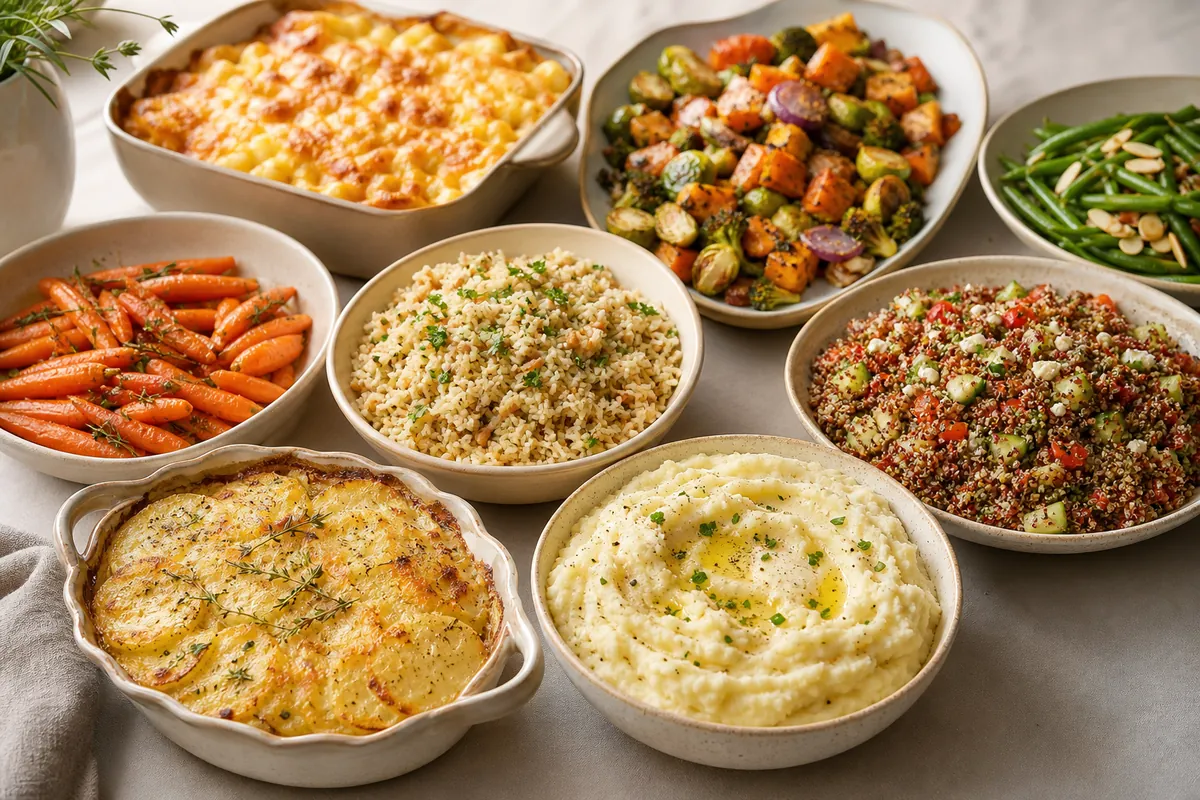
Mashed potatoes and roast beef are a natural pairing - the potatoes soak up gravy and provide a creamy, starchy base that makes the plate feel complete.
If you want a crispier alternative, garlic butter roasted baby potatoes give you a different texture with the same satisfying result.
The smoothest mashed potatoes come from using a potato ricer or food mill rather than a hand mixer, which can overwork the starch and make them gluey.
Boil the potatoes until a fork slides through without resistance, drain them well, and rice them while still hot. Add warm cream and butter - cold dairy lowers the temperature and tightens the texture.
Shredded cheese, roasted garlic, or sliced green onions all work as additions. Mix just until combined.
Overmixing is the most common reason mashed potatoes turn out dense and gummy.
5. Green Beans Almondine
Green beans almondine is a French classic that takes about 15 minutes and delivers real elegance alongside roast beef. The combination of blanched green beans, browned butter, and slivered almonds hits tender, nutty, and crisp in one dish.
Blanching the green beans first - 2 minutes in boiling salted water, then straight into ice water - locks in their bright color and keeps them from going soft in the pan.
If you enjoy roasting vegetables for sides, check out our collection of air fryer veggie sides that roast like an oven.
Shallots and a squeeze of lemon juice added to the pan build a more complex flavor than butter and almonds alone.
For a crunchier texture, roast the green beans at 400°F for 15 minutes before finishing them in the pan with butter and almonds.
6. Honey Glazed Carrots
Honey glazed carrots bring sweetness and color to a roast beef plate, and the slight caramelization from high-heat roasting keeps them from tasting flat.
Roast the carrots at 400°F for 25 minutes before adding the glaze, then return them to the oven for 5 more minutes.
For a well-rounded glaze to try at home, our honey garlic roasted baby carrots use a simple ratio of honey, butter, and a touch of apple cider vinegar that balances sweet with tangy.
Good-quality honey makes a real difference here. A floral or darker buckwheat honey adds more depth than a generic grocery store variety.
Fresh thyme leaves scattered over the carrots before serving add an herby, slightly floral note that lifts the whole dish. If thyme is not available, rosemary works equally well with the honey glaze.
7. Cornbread Stuffing
Cornbread stuffing is a hearty, slightly sweet side that holds its own against the bold flavor of roast beef. The base ratio is straightforward: one box of cornbread mix, 2 eggs, ¾ cup milk, and 4 tablespoons of butter, baked at 375°F for 25 minutes.
The real appeal of this dish is how easily it adapts. Stir in chopped celery, onion, or fresh sage before baking for extra flavor.
A handful of shredded cheddar on top in the last 10 minutes gives you a golden, savory crust.
For pairing ideas with other roasted proteins, our guide to sides that work for roasted chicken has several stuffing variations that cross over well to roast beef dinners.
8. Cranberry Sauce
Cranberry sauce is not just for turkey. The tartness of fresh or frozen cranberries cuts through the fat in roast beef in a way that gravy alone does not.
A basic sauce uses 12 ounces of cranberries, ¾ cup sugar, and ½ cup orange juice, simmered for about 10 minutes until the berries burst and the sauce thickens. The orange juice adds brightness without making the sauce overly sweet.
Texture is worth thinking about. A chunky sauce with whole berries gives you more to bite into, while a blended sauce is smoother and easier to spoon over sliced beef.
If the sauce thickens too much as it cools, stir in a tablespoon of orange juice to loosen it. Chopped walnuts or dried cherries stirred in before serving add a welcome texture contrast.
9. Yorkshire Pudding
Yorkshire pudding is the definitive British pairing for roast beef, and the science behind it is straightforward: a simple batter of eggs, flour, and milk poured into very hot oil or beef dripping at 425°F, which causes it to puff dramatically in the oven.
The batter needs to rest for at least 30 minutes before cooking - this lets the gluten relax and produces a lighter, more airy result. The tin also needs to be smoking hot before the batter goes in, or the puddings will not rise properly.
Traditional Yorkshire pudding uses only four ingredients: eggs, plain flour, whole milk, and salt. A 1:1:1 ratio by volume - equal parts eggs, milk, and flour - is a reliable starting point.
For those avoiding gluten, a blend of rice flour and tapioca starch in the same ratio produces a similar puff and texture, though the interior is slightly less chewy than the original.
Never open the oven door during the first 20 minutes of baking Yorkshire pudding. The sudden drop in temperature will cause the puddings to collapse before they have set.
10. Pumpkin Pie
Pumpkin pie rounds out a roast beef dinner particularly well in autumn, when the warming spice profile of cinnamon, ginger, and nutmeg mirrors the herbs often used to season the roast.
The filling is a blend of pumpkin puree, eggs, heavy cream, sugar, and spices, baked in a pre-baked crust at 325°F for 50 to 55 minutes until just set in the center with a slight wobble.
Adding a pinch of ground cloves or cardamom to the spice mix deepens the flavor noticeably. Both spices are stronger than cinnamon, so use them sparingly.
Let the pie cool for at least 2 hours before slicing. Cutting it warm results in a runny filling.
Served cold with a spoonful of lightly whipped cream, it is a clean, satisfying finish to a heavy meal.
11. Apple Pie
Apple pie works year-round as a dessert after roast beef, and the tartness of the apples does the same job as the cranberry sauce on the savory side of the meal - it cuts through richness.
Using a mix of apple varieties gives the filling more complexity. Granny Smith apples hold their shape when baked and provide tartness, while Honeycrisp or Fuji apples break down slightly and add sweetness.
Pre-cooking the apple filling on the stovetop for 5 minutes before it goes into the crust prevents the soggy-bottom problem. The apples release their liquid early, the filling thickens, and the pastry stays flaky throughout.
Cinnamon and a pinch of nutmeg are standard. A small splash of apple cider vinegar in the filling sharpens the apple flavor and keeps the sweetness from going flat.
Serve warm with vanilla ice cream. The temperature contrast between the hot filling and cold ice cream is genuinely good, not just a cliché.
12. Chocolate Cake
A rich chocolate cake is a strong dessert finish after roast beef, and the key to getting the texture right is moisture. Buttermilk or hot brewed coffee added to the batter both deepen the chocolate flavor and keep the crumb tender for days.
Dark chocolate (70% cocoa or higher) in the batter gives a more intense, less sweet flavor than cocoa powder alone. The two work well together - cocoa for depth, melted dark chocolate for richness.
Fillings and toppings change the character of the cake entirely. A layer of raspberry jam inside brings acidity that balances the bittersweet chocolate, while a Nutella buttercream makes it richer and nuttier.
White chocolate shavings, fresh berries, or a simple dusting of cocoa powder are all clean ways to finish the presentation without overcomplicating it.
12 Sides That Pair Well with Roast Beef
Pairing sides with roast beef comes down to balancing weight and flavor. The beef is rich and savory, so the sides that work best bring either starchy comfort, fresh brightness, or tangy contrast.
Heavier sides like mashed potatoes and cornbread stuffing anchor the plate and work well for winter dinners or holiday meals. For similar planning across other roasted cuts, our guide to sides that complement beef tenderloin covers a comparable approach to balancing a rich main.
Lighter sides - green beans almondine, glazed carrots, creamed spinach - give the beef room to be the focus without making the meal feel dense.
Sauces matter too. Horseradish sauce is the sharpest counterpoint to the fat in a well-marbled roast, and cranberry sauce provides acidity from a different angle.
Yorkshire pudding and a proper beef gravy are the most traditional combination, and they hold up because they genuinely work.
For roast beef dinners served alongside other proteins, the sides that work with barbacoa beef overlap more than you might expect - especially the vegetable and grain-based options.

Carrie is a food writer and editor with more than 15 years of experience. She has worked for some of the biggest names in the food industry, including Bon Appétit, Food & Wine, and Martha Stewart Living.
As the Editor in Chief of EpicureDelight, Carrie oversees all of the content on the site. She also manages the team of contributing writers and editors, who help to create delicious recipes, helpful tips, and informative articles that you’ll find on the site.
A native of the Chicago area, Carrie is passionate about all things food. She loves trying new restaurants and experimenting with new recipes in her kitchen. She’s also a graduate of the Culinary Institute of America, so she knows a thing or two about food!