
Clementines are deceptively specific. They're sweet without the edge you get from a navel orange, juicy enough to squeeze with one hand, and their zest has a soft floral note that most citrus can't match.
Finding a good clementine substitute really comes down to one question: does your recipe need juice, zest, or both?
For juice-based uses like drinks and glazes, nearly any small sweet citrus works. Zest-forward recipes are pickier.
The peel aroma is where clementines shine, so you need a fruit with accessible skin and minimal pith.
Mandarin oranges are the closest match in both sweetness and juice yield. Regular oranges work for zest-heavy recipes with a small sugar tweak. Tangerines have stronger aroma. Orange juice covers you in a pinch. Lemon is a last-resort brightness fix.
5 Best Clementine Substitutes Ranked by Flavor Match
The table below shows each substitute's primary use, ratio, and a one-line note. Scan it first, then read the section that matches your recipe.
| # | Substitute | Best For | Ratio | Key Note |
|---|---|---|---|---|
| 1 | Mandarin Orange | Both | 1:1 | Sweetest, mildest zest |
| 2 | Orange | Both | 1:1 | Add pinch of sugar |
| 3 | Tangerine | Both | 1:1 | Bolder aroma, watch pith |
| 4 | Orange Juice | Juice | ¾:1 | Add zest for aroma |
| 5 | Lemon | Both | ½:1 | Sweeten with honey |
If you're often working with tart citrus swaps in general, that resource covers broader acid substitution in depth. Skip this table entirely if you already have clementines.
1. Mandarin Oranges
Mandarins are the easiest one-for-one swap. Their sugar content is almost identical to clementines, their skin peels cleanly, and the juice yield is high without pressing hard.
The zest is mild, which is actually useful. It won't overpower a delicate dessert the way orange zest sometimes can.
- Best for: Fresh juice, drinks, fruit salads, light glazes, mild zest in cakes
- Ratio: 1:1 for both juice and zest
- Adjustment: No sweetness change needed in most recipes
- Zest note: Mandarin zest is softer in aroma, so add 25% more if the recipe is zest-forward
The orange and tangerine side-by-side breakdown helps if you're unsure how mandarin slots between the two.
Skip if: You need strong, bakery-level zest aroma. Mandarin zest is mild, so it won't carry a recipe that depends on peel fragrance as a main flavor.
2. Orange (Juice + Fine Zest)
A regular navel or Valencia orange is sharper than a clementine. The juice has more acid and less sweetness.
A small pinch of sugar usually closes that gap.
- Best for: Baking, curd, vinaigrettes, compound butters, marinades
- Ratio: 1:1 for juice; same volume of zest
- Zest tip: Use only the outermost colored layer. The white pith underneath adds bitterness fast.
- Sweetness fix: Add ¼ teaspoon sugar per 2 tablespoon juice if the recipe relies on clementine's natural sweetness
If you're comparing dried zest to fresh, the dried vs fresh zest breakdown is worth reading before you substitute.
Skip if: Your recipe needs delicate sweetness and you can't add sugar. Orange can taste noticeably sharper than clementine in uncooked preparations.
3. Tangerine (Juice + Zest)
Tangerines sit between clementines and oranges on the flavor scale. They're sweeter than a navel orange and more aromatic than a mandarin.
That makes them a good fit for glazes and baked goods where you want citrus to be prominent.
Clementine-Like Sweetness
Works for: desserts, light sauces, drinks needing gentle citrus
Skip if: recipe needs a strong, loud citrus punch
Tangerine Aroma Intensity
Works for: glazes, cakes, marinades where bold citrus perfume fits
Skip if: using pre-shredded peel with pith attached
- Best for: Citrus glazes, orange-flavored cakes, meat marinades
- Ratio: 1:1 for juice and zest
- Bitterness warning: Tangerine peel can turn bitter quickly. Zest only the surface, and use immediately.
For a full look at picking tangerine alternatives, that page covers the full range when tangerines are also unavailable.
Skip if: You're using pre-shredded peel or zest that includes pith. Tangerine's aromatic peel turns noticeably bitter once the white layer is included.
4. Orange Juice (Fresh or Bottled)
When you're out of whole citrus, bottled orange juice covers juice-only needs well enough. Fresh-squeezed is brighter.
Bottled works but tends to taste flatter, especially in uncooked recipes.
Add a small amount of fine orange zest if you have any, even half a teaspoon. That step alone brings the aroma much closer to clementine.
- Best for: Drinks, thin glazes, sauces, salad dressings
- Ratio: Use ¾ cup orange juice per 1 cup clementine juice called for
- Quick fix: Stir in ½ teaspoon fine orange zest per ¼ cup juice to restore peel fragrance
- Bottled tip: If using bottled, check the freshness of your stored juice before adding it to a recipe
Skip if: Your recipe specifically calls for zest. Juice alone won't replicate peel aroma, no matter how fresh the bottle is.
5. Lemon (Sweeten to Match)
Lemon is a last resort, not a first choice. The acid level is higher and the flavor profile is sharper and more one-dimensional than clementine.
Still, it works as a brightness fix when that's all you have.
Start at a ½:1 ratio and build from there. Add honey or sugar to pull the sweetness up toward what clementine naturally provides.
- Ratio: Start with ½ the amount of lemon juice; taste and increase slowly
- Sweetener fix: Add 1 teaspoon honey or sugar per 2 tablespoon lemon juice to mimic clementine sweetness
- Zest amount: Use just a small pinch of lemon zest. Too much turns the dish sharp and perfumey.
- Best for: Drinks, dressings, or marinades where brightness matters more than sweetness
Skip if: Your recipe needs orange-peel type zest aroma. Lemon zest smells distinctly different and won't replicate floral clementine fragrance.
Making Your Clementine Substitute Taste Right
The swap itself is easy. Getting it to taste right takes one extra step.
Start by deciding whether your recipe is juice-driven, like a vinaigrette or curd, or zest-driven, like a flavored cake or glaze. Those two paths call for different adjustments.
For juice recipes, common orange juice swaps follow similar logic on balancing acidity, and if grapefruit is in the mix, choosing a grapefruit alternative covers how to handle its sharper profile.
- Choose your path: Juice-only recipes tolerate more flexible swaps. Zest-forward recipes need a fresh whole fruit with accessible peel and minimal pith.
- Adjust sweetness first: Add sugar or honey in small increments, ¼ teaspoon at a time. Taste after each addition before committing.
- Taste-test timing: Do your taste check after combining with the recipe base, not in isolation. Citrus shifts once it hits fat, dairy, or heat.
Frequently Asked Questions
Mandarin orange juice is the closest match in sweetness and body. Use a 1:1 ratio and no sweetness adjustment is usually needed.
Yes, but use ¾ the amount and add a little fine orange zest to restore the aroma. Orange juice is sharper, so a small pinch of sugar helps.
Match the volume called for in the recipe. Zest only the colored surface layer, avoiding the white pith, which turns bitter quickly.
Not ideal. Grapefruit's bitterness is hard to fully offset with sugar. It works better in drinks and savory glazes than in sweet desserts.
Add sweetener gradually and make sure all zest is pith-free. A small amount of fruit pulp stirred in also softens sharp citrus edges.
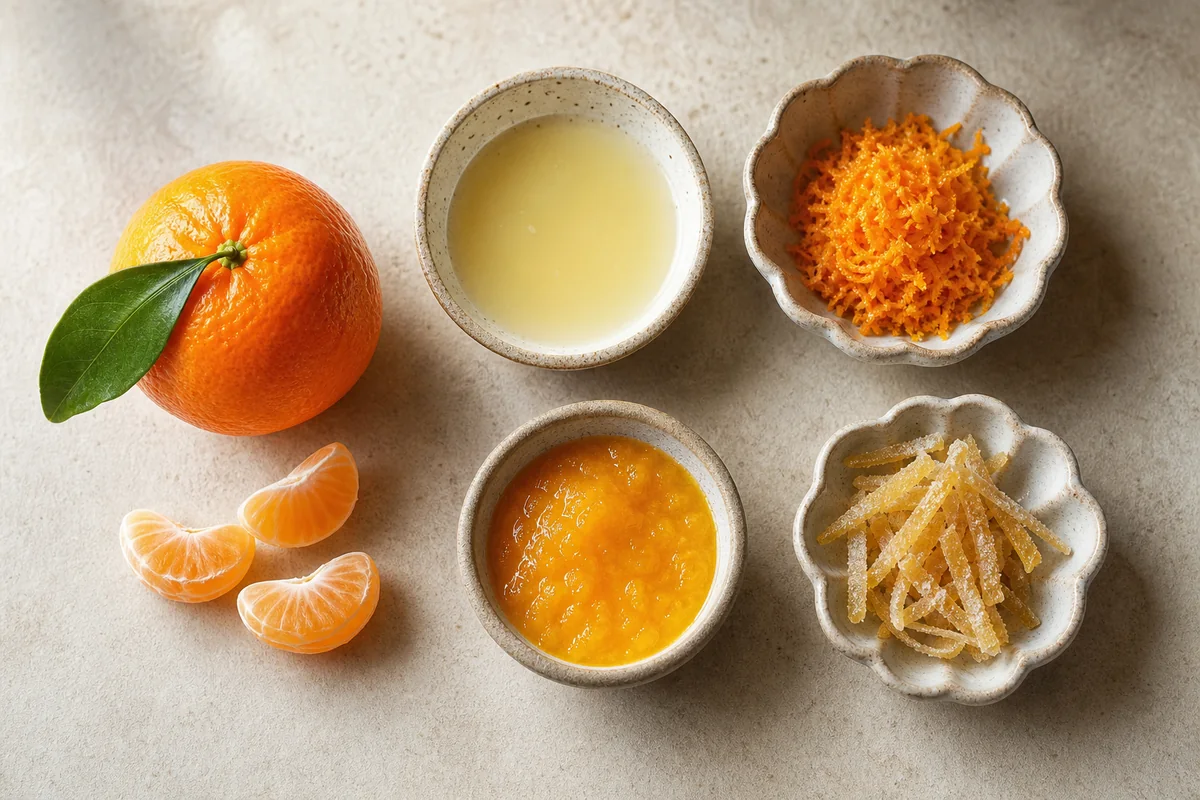
5 Best Clementine Substitutes Worth Trying
Ingredients
Equipment
Method
- Identify what the recipe needs most: juice (drinks, curds, glazes) or zest (baking, aroma-heavy desserts).
- Start with the listed ratio (most swaps use 1:1); if using lemon, begin with the lower ratio and build up.
- If your substitute is less aromatic (like orange juice), add a small amount of fine zest to restore the fragrance.
- Taste the mixture once mixed into the base; adjust sweetness with sugar/honey and reduce sharpness by adding a touch more fruit pulp/juice.
- For zest-heavy recipes, use only the colored zest (avoid pith) to prevent bitterness.
Notes
- Zest vs juice matters: if your recipe calls for zest, choose an option with strong peel aroma (mandarin, tangerine, orange).
- Avoid pith when grating zest—pith increases bitterness and makes swaps taste “off.”
- For drinks, prioritize juice yield; for baked goods, prioritize zest aroma.
Tried this recipe?
Let us know how it was!
Carrie is a food writer and editor with more than 15 years of experience. She has worked for some of the biggest names in the food industry, including Bon Appétit, Food & Wine, and Martha Stewart Living.
As the Editor in Chief of EpicureDelight, Carrie oversees all of the content on the site. She also manages the team of contributing writers and editors, who help to create delicious recipes, helpful tips, and informative articles that you’ll find on the site.
A native of the Chicago area, Carrie is passionate about all things food. She loves trying new restaurants and experimenting with new recipes in her kitchen. She’s also a graduate of the Culinary Institute of America, so she knows a thing or two about food!



