
Bitter, faintly vegetal, and lightly caramelized, cynar is one of those bottles that holds a cocktail together without announcing itself. When it's missing, you notice the flatness right away.
The good news is that a handful of amaro-style liqueurs and quick blends can rebuild that same bitter-sweet balance, as long as you match bitterness level before you worry about matching the artichoke note exactly. A well-chosen cynar substitute gets you closer than you'd expect.
Cynar sits in the medium-bitter zone: less aggressive than Fernet, less citrus-forward than Campari, with a dry herbal sweetness that rounds out a drink without sweetening it. Keep that profile in mind as you pick your swap.
Cynar brings artichoke-forward bitterness, gentle herbal sweetness, and caramel-nut depth. Braulio and Amaro Averna are the closest 1:1 swaps. For a lighter build, Aperol plus gentian bitters or dry vermouth with orange bitters can fill the gap with minor adjustments.
5 Best Cynar Substitutes Ranked by Bitterness and Flavor
| # | Substitute | Best For | Ratio | Key Note |
|---|---|---|---|---|
| 1 | Braulio | Both | 1:1 | Closest amaro backbone |
| 2 | Amaro Averna | Both | 1:1 | Sweeter, darker profile |
| 3 | Fernet-Branca | Cocktails | ½-¾:1 | Use less; very bold |
| 4 | Aperol + bitters | Both | ¾:1 | Add gentian to balance |
| 5 | Dry vermouth + bitters | Cocktails | 1:1 | More savory, less sweet |
Each substitute below matches a specific bitterness need, so pick the one that fits your drink style rather than grabbing the first bottle on the shelf.
1. Braulio
Braulio is an alpine Italian amaro with a herbal, slightly resinous bitterness that lands very close to cynar's medium-bitter range. It doesn't have the artichoke note, but the overall backbone, dry and gently warming, feels nearly identical in a built cocktail.
For drinks where bitter amaro swaps matter most, Braulio holds its shape even when mixed with citrus or soda.
- Swap ratio: 1:1 for any cynar recipe; no other adjustments needed to start
- Flavor shift: Expect darker herbal warmth and a faint alpine-pine note in place of artichoke
- Best drink styles: Stirred spirit-forward cocktails, low-ABV aperitif builds, and bitter spritzes
Skip if your recipe specifically depends on cynar's vegetal artichoke note and that flavor is the point of the drink.
2. Amaro Averna
Averna is darker and sweeter than cynar, with a strong caramel and dried-fruit character layered over its bitterness. That sweetness is actually an asset in drinks that already lean dry, where cynar's mild sweetness would have added balance.
The caramel-dark profile of Averna works especially well in spirit-forward stirred drinks like a riff on a negroni or black manhattan.
- Swap ratio: Use 1:1, but cut simple syrup or other sweeteners by about 1 teaspoon if the recipe includes them
- Flavor shift: More caramel sweetness and dried fruit; bitterness is smooth rather than sharp
- Best drink styles: Stirred cocktails, spirit-and-amaro two-ingredient builds, after-dinner sippers
- Sweetness warning: In a drink with honey syrup or sweet vermouth, Averna can push the whole glass too sweet-taste before you add any extra syrup
Skip if you want a sharper, more artichoke-like bite or a lighter finish.
3. Fernet-Branca
One sip of Fernet and you know it means business. It is far more intense than cynar, with bold menthol and bitter herb notes that can overrun a drink if you pour it like-for-like.
Used carefully, though, it rebuilds cynar's bitterness with authority. If you need bold herbal swaps, this is the page to check before committing to a ratio.
Fernet-Branca vs. Cynar
Works for: Drinks that need strong bitter structure, spirit-forward builds, and recipes where a small amount of amaro does the heavy lifting
Skip if: Your cocktail is delicate, spritz-style, or citrus-led, where Fernet's medicinal intensity will dominate every other flavor
- Swap ratio: Start at ½ to ¾ of the cynar amount; taste and add more in small increments
- Flavor shift: Expect sharper menthol-herb bitterness and no caramel warmth; the finish is drier
- Balancing trick: If the drink tastes too medicinal, add a strip of citrus peel and reduce any bitter booster you added elsewhere
4. Aperol + Bitters
Aperol alone is too sweet and too orange-bright to replace cynar on its own. Pair it with 2-3 dashes of gentian-style bitters, and you recover the missing bitter edge while keeping the drink approachable.
This combo works best when you're making a lighter, brighter riff rather than a dark amaro-forward build. For a full look at choosing a sweeter bitter, that resource covers more ground.
- Swap ratio: Use ¾ of the cynar amount in Aperol, then add 2-3 dashes of gentian or aromatic bitters to restore bitterness
- Bitter booster options: Angostura for spiced depth, gentian tincture for clean pure bitterness, or citrus-forward bitter options for a brighter result
- Flavor shift: More orange-citrus brightness; the artichoke character disappears entirely
- Best drink styles: Spritzes, light aperitif serves, low-ABV highballs
Skip if the drink needs to stay dark and herb-heavy rather than orange-bright.
5. Dry Vermouth + Bitters
Dry vermouth is a surprising cynar stand-in when you add the right bitters to it. The vermouth brings savory herbal wine notes and body, while the bitters supply the bitterness cynar would have provided.
It's thinner than any amaro, so it works best in drinks that are already lightly built. When swapping in a wine-based base feels right for your recipe, this approach keeps the drink from tasting flat.
| Use | Ratio | Notes |
|---|---|---|
| Spritz build | 1:1 dry vermouth + 2 dashes orange bitters | Light and wine-forward; add a citrus peel garnish |
| Stirred cocktail | 1:1 dry vermouth + 3 dashes gentian bitters | More bitter structure; reduce any added sweetener by ½ tsp |
- Swap ratio: 1:1 dry vermouth as the base, then build bitterness with 2-3 dashes of bitters to taste
- Flavor shift: Savory, wine-forward, and less syrupy than cynar; the herbal sweetness is lighter
- Bitters type: Gentian for clean bitter depth, orange bitters for citrus brightness
Skip if your recipe relies on amaro body and syrupy liqueur weight. Vermouth is thinner and the drink may feel watery.
Making the Swap Work (Bitterness + Balance)
The fastest way to ruin a cynar swap is to fix the bitterness and forget the sweetness. Start with bitterness: pick the substitute that lands closest to cynar's medium-bitter weight, then check whether it also adds or subtracts sweetness.
When you're using a lighter base like Aperol or building with dry vermouth, bitters become the main bitterness tool, so choose them with the same care you'd give any main ingredient.
- Adjust sweetness first: If your substitute is sweeter than cynar (Averna, Aperol), reduce simple syrup or sweet vermouth by 1-2 teaspoon and taste before adding more
- Choose your bitter booster wisely: Gentian bitters add clean, dry bitterness; aromatic bitters (like Angostura) add spice alongside the bitterness; citrus-forward bitter picks add brightness that can clash with darker amaro swaps
- Taste with one lever at a time: Add bitters in 1-dash increments, or adjust citrus peel, or tweak sugar, but never all three at once or you'll lose track of what's working
Frequently Asked Questions
Braulio is the closest match for bitterness and herbal body. Use it at a straight 1:1 ratio with no other adjustments needed at the start.
Reduce any added simple syrup or sweet liqueur by 1-2 tsp. Taste after mixing and add bitters rather than more sweetener if the drink still feels flat.
Add 2-3 dashes of gentian-style bitters to restore the missing bitter edge. A strip of orange peel also helps pull the aroma closer to cynar's herbal finish.
The drink will taste sharply medicinal and menthol-forward with other flavors almost gone. Add citrus juice or a small amount of simple syrup to soften the intensity.
Use cold-brew choosing a cold coffee base concentrate at 1:1 but keep the amount small. Add an orange peel and skip any added sweetener so the roasted note reads as bitterness, not dessert.
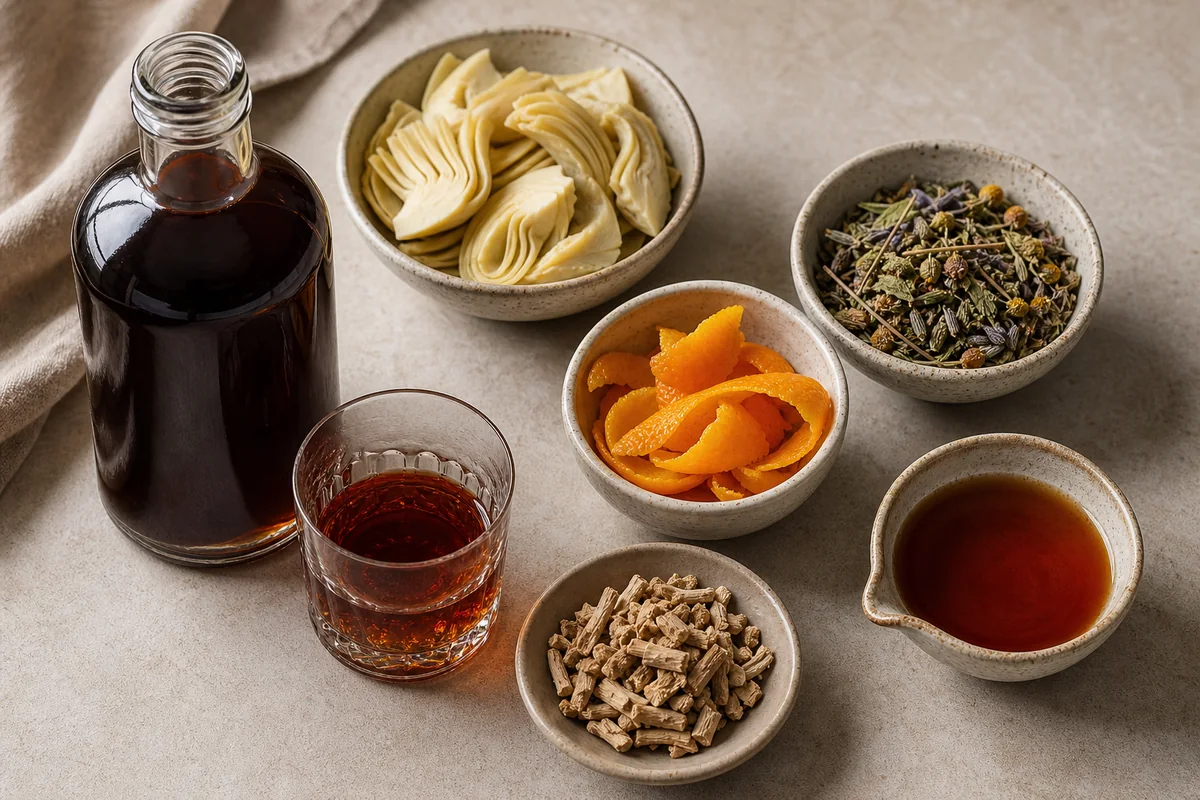
5 Best Cynar Substitutes for Better Results
Ingredients
Method
- Identify your use case: aperitif sips, an amaro-forward cocktail, or a cynar-based riff (like a bitter spritz).
- Choose the substitute by bitterness target: match darkest/smoothest first (Averna/Braulio), or build with a lighter base (Aperol/vermouth + bitters).
- Swap by ratio listed for your pick; if your substitute is sweeter or lighter, start at ¾ of the cynar amount and then increase.
- Balance the rest of the drink: if you added extra bitter booster (bitters/gentian), cut simple syrup or sweet liqueur slightly.
- Taste after mixing and adjust with one lever only (bitters for bitterness, citrus peel for brightness, or a small pinch of sugar for harshness).
Notes
- Cynar is known for artichoke-forward bitterness and herbal depth—aim to match bitterness first, then sweetness, then aromatics.
Tried this recipe?
Let us know how it was!
Carrie is a food writer and editor with more than 15 years of experience. She has worked for some of the biggest names in the food industry, including Bon Appétit, Food & Wine, and Martha Stewart Living.
As the Editor in Chief of EpicureDelight, Carrie oversees all of the content on the site. She also manages the team of contributing writers and editors, who help to create delicious recipes, helpful tips, and informative articles that you’ll find on the site.
A native of the Chicago area, Carrie is passionate about all things food. She loves trying new restaurants and experimenting with new recipes in her kitchen. She’s also a graduate of the Culinary Institute of America, so she knows a thing or two about food!



